Special Exhibition Commemorating 160th Anniversary of the Establishment of Diplomatic Relations between Japan and Italy and the 550th Anniversary of Simonetta’s Death: “La Bella Simonetta Depicted in the Literary Works of Italy and Japan”
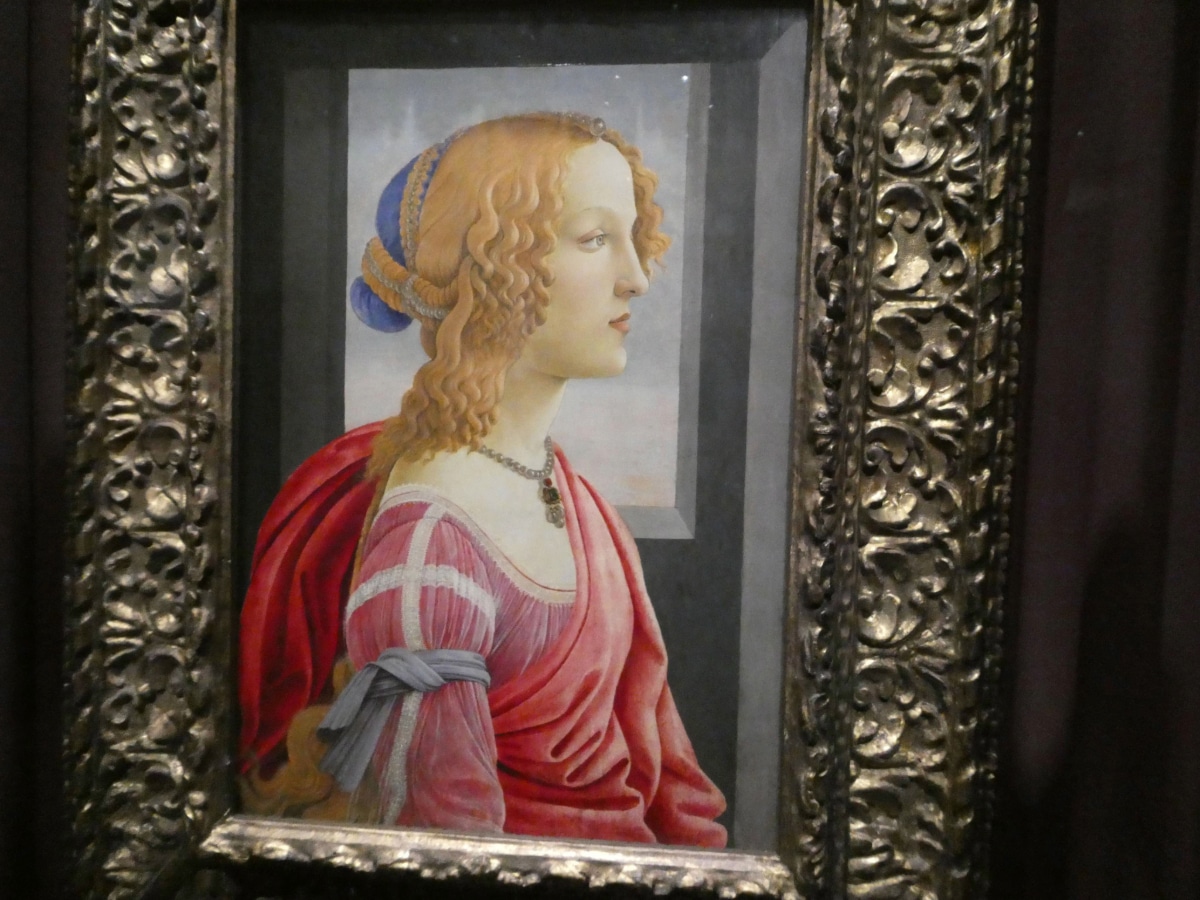
In the lead-up to 2026—the year marking the 160th anniversary of the Treaty of Amity and Commerce between Japan and Italy—the Embassy of Italy approached the Marubeni Gallery with a proposal. They suggested holding an exhibition to celebrate this momentous occasion, centered on Botticelli’s masterpiece ”La Bella Simonetta”—part of the Marubeni Gallery’s collection—as a theme shared by both Italy and Japan.
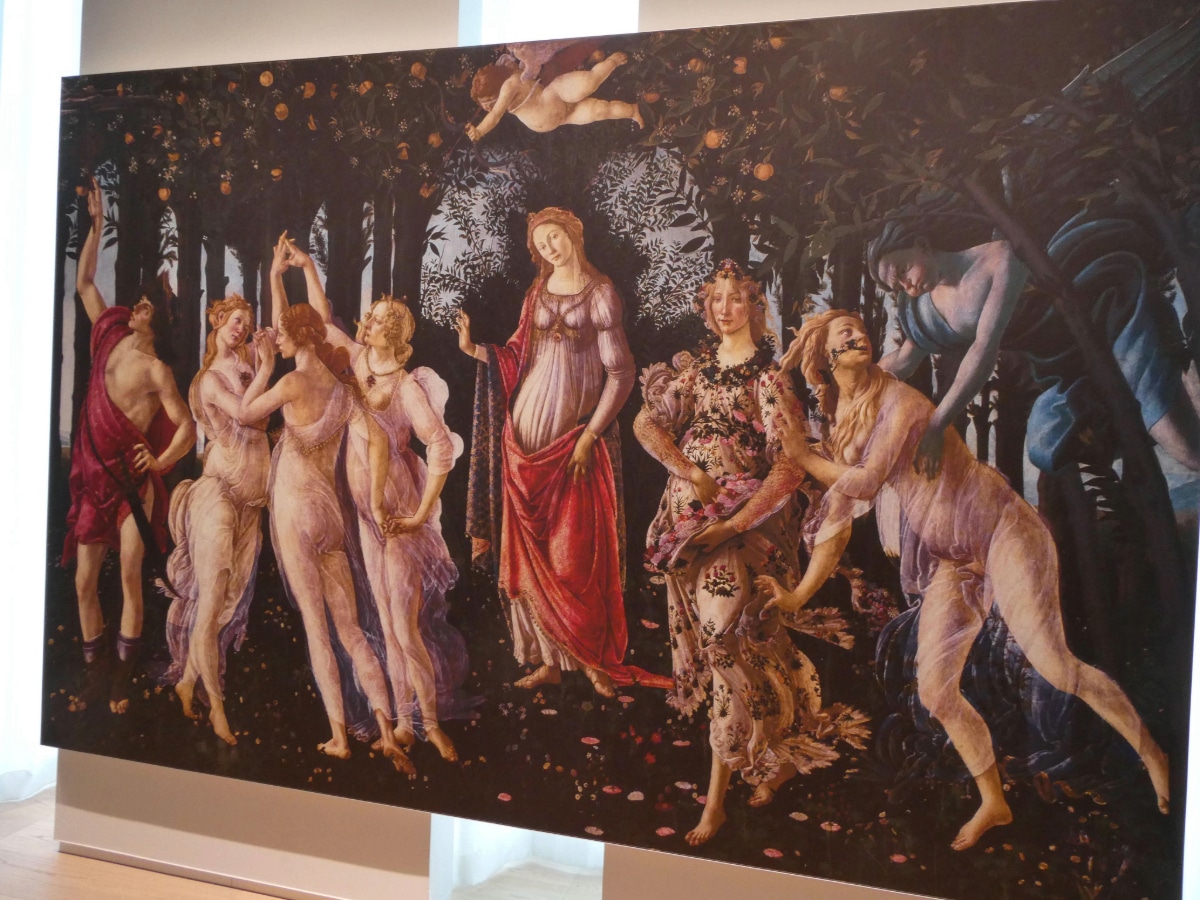
In response to this request, the Marubeni Gallery focused on several literary works that feature ”La Bella Simonetta”. Their attention was first drawn to *Stanze per la giostra* (“Stanzas for the Jousting Tournament”) by the Italian poet Poliziano; in this work, Simonetta appears in the role of bestowing a crown upon the tournament victor. She also appears as a central figure alongside Botticelli in the Japanese historical novel *Haru no Taikan* (The Coronation of Spring) by Kunio Tsuji, which is set in Renaissance Italy. Furthermore, Simonetta is depicted in Botticelli’s masterpiece *Primavera* (Spring). By highlighting the presence of “La Bella Simonetta” across these three works, a curatorial plan was developed to symbolize the friendship connecting Japan and Italy.
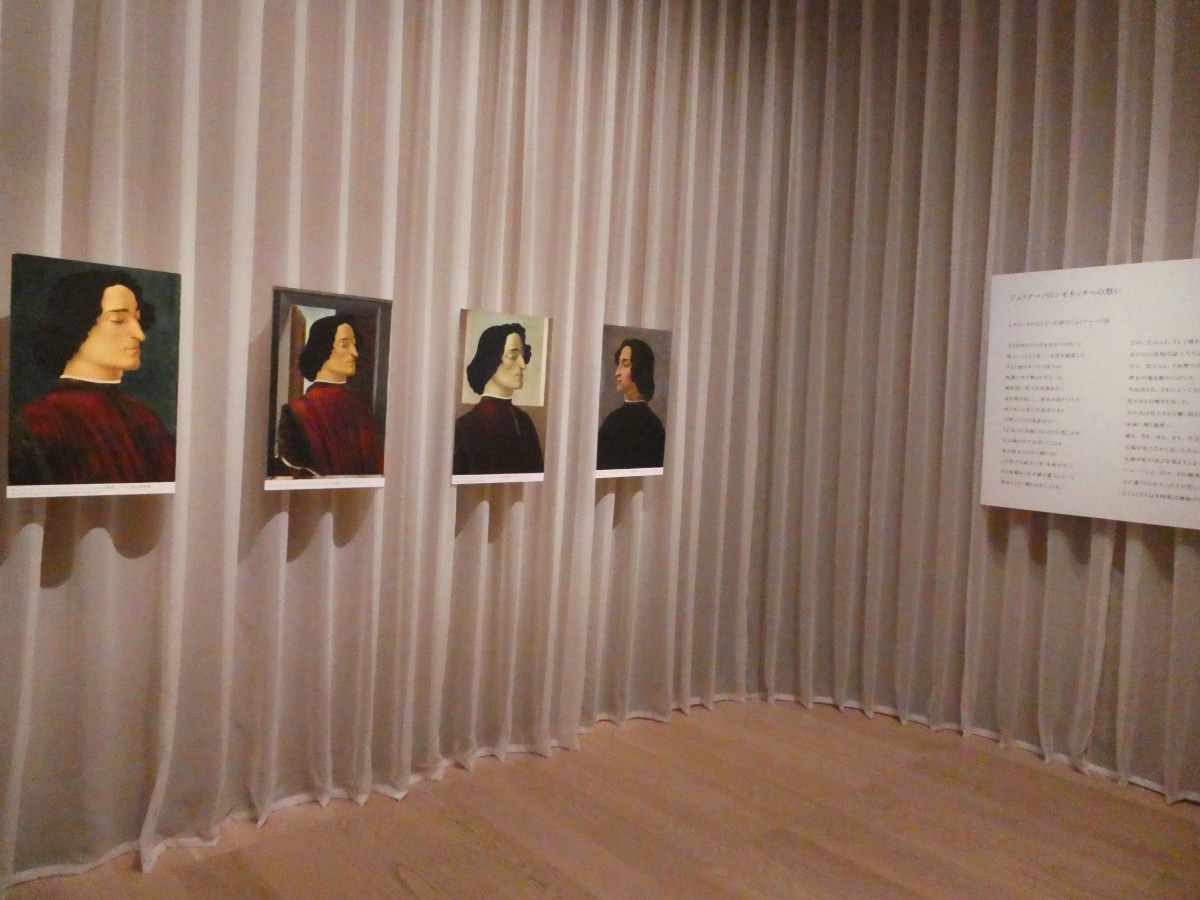
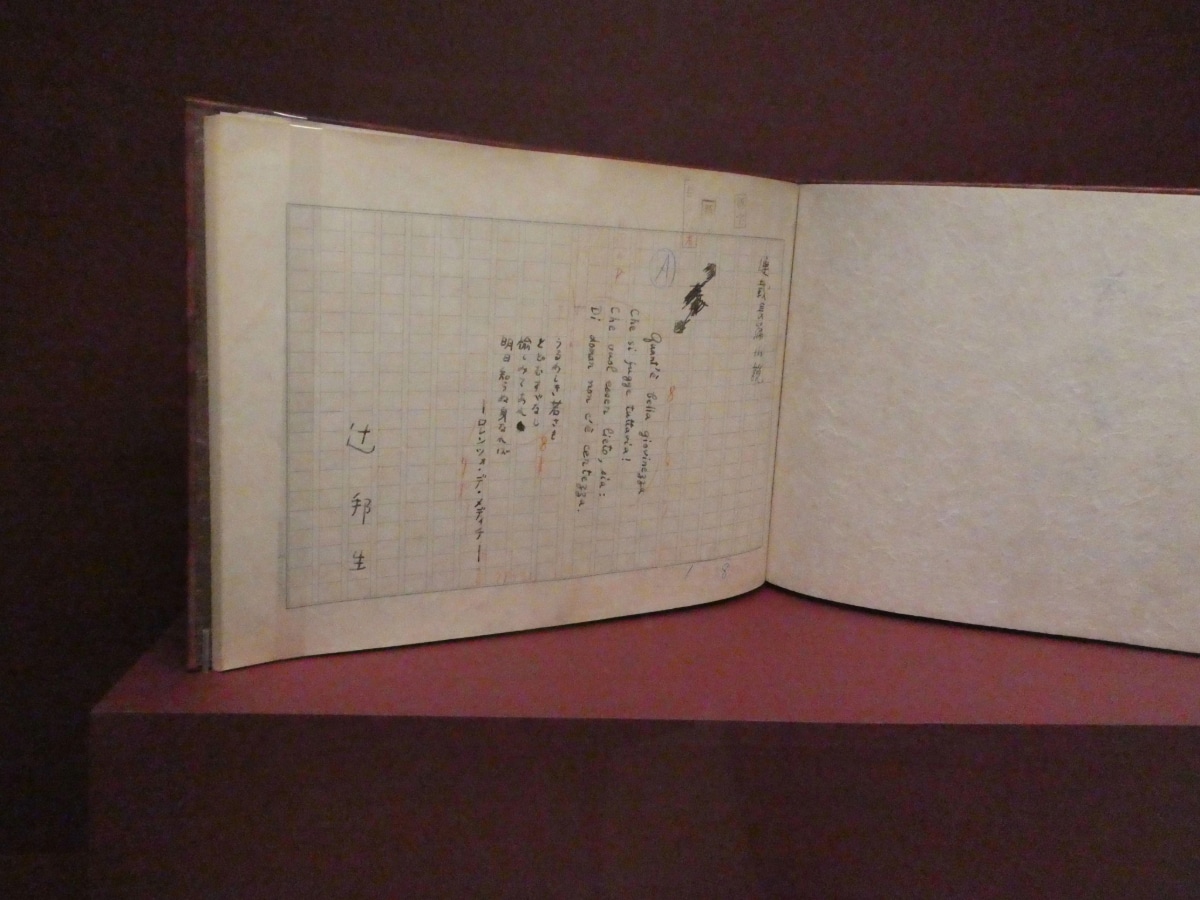
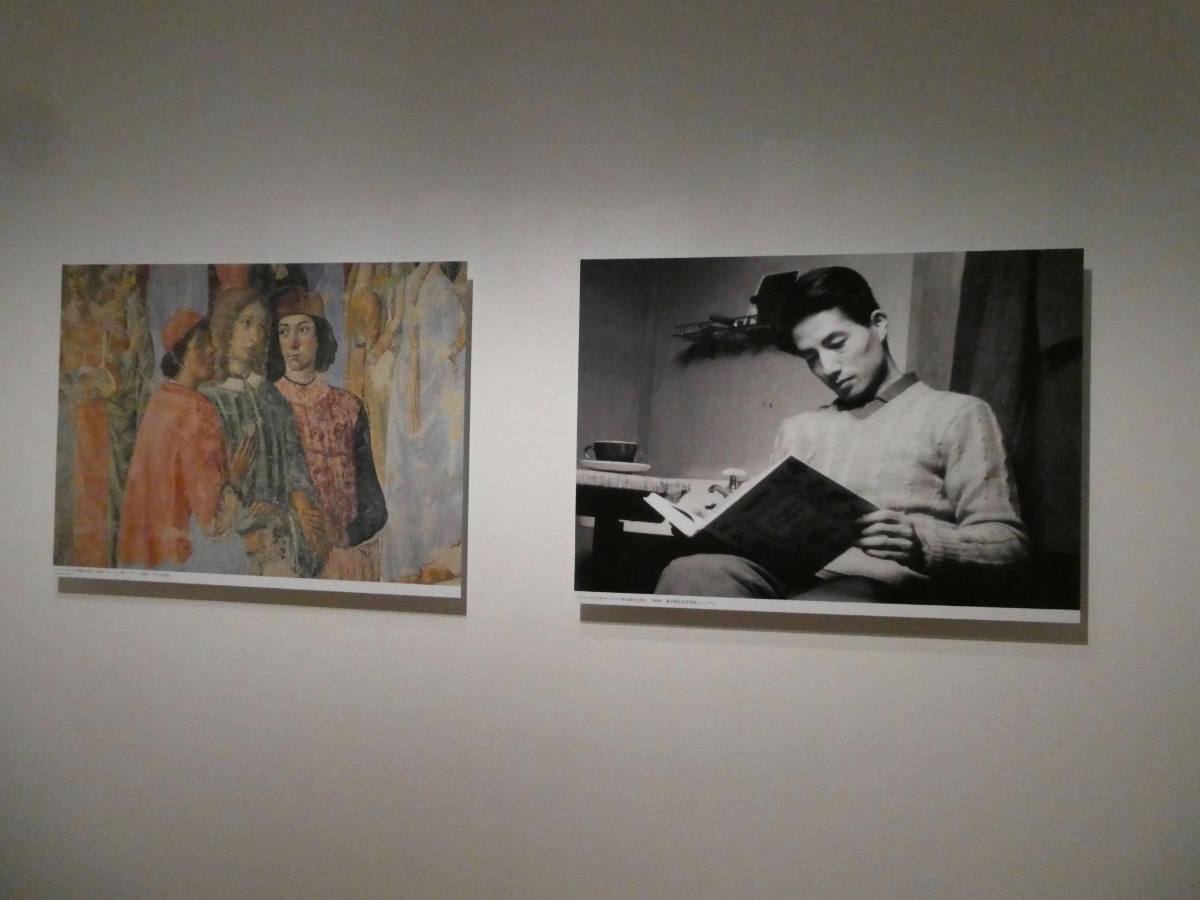
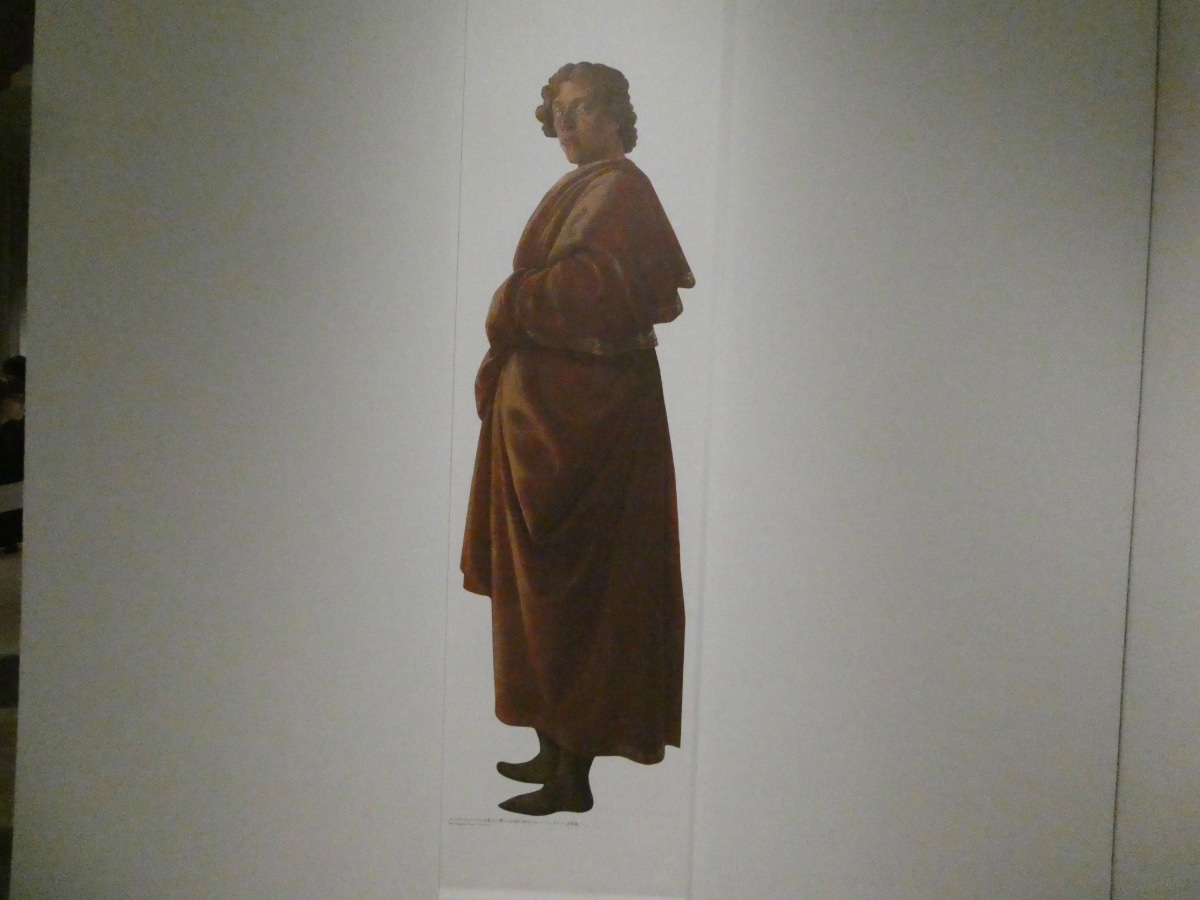
This exhibition highlights the fact that, during the Renaissance era in which Simonetta lived, painting served as a medium for glimpsing the invisible. As visitors move through the gallery—reading detailed materials and commentary to grasp the significance of her life and the allegories surrounding her—they finally encounter “La Bella Simonetta.”
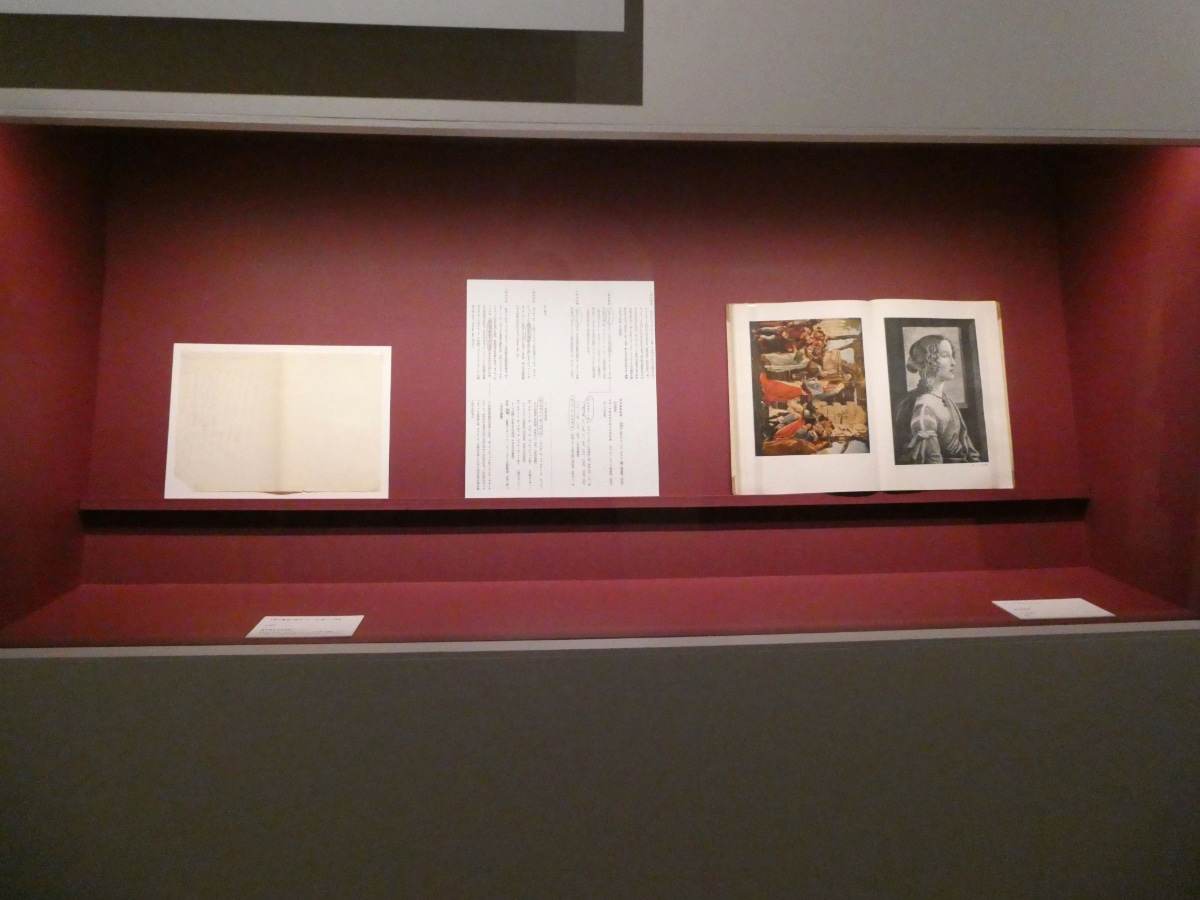
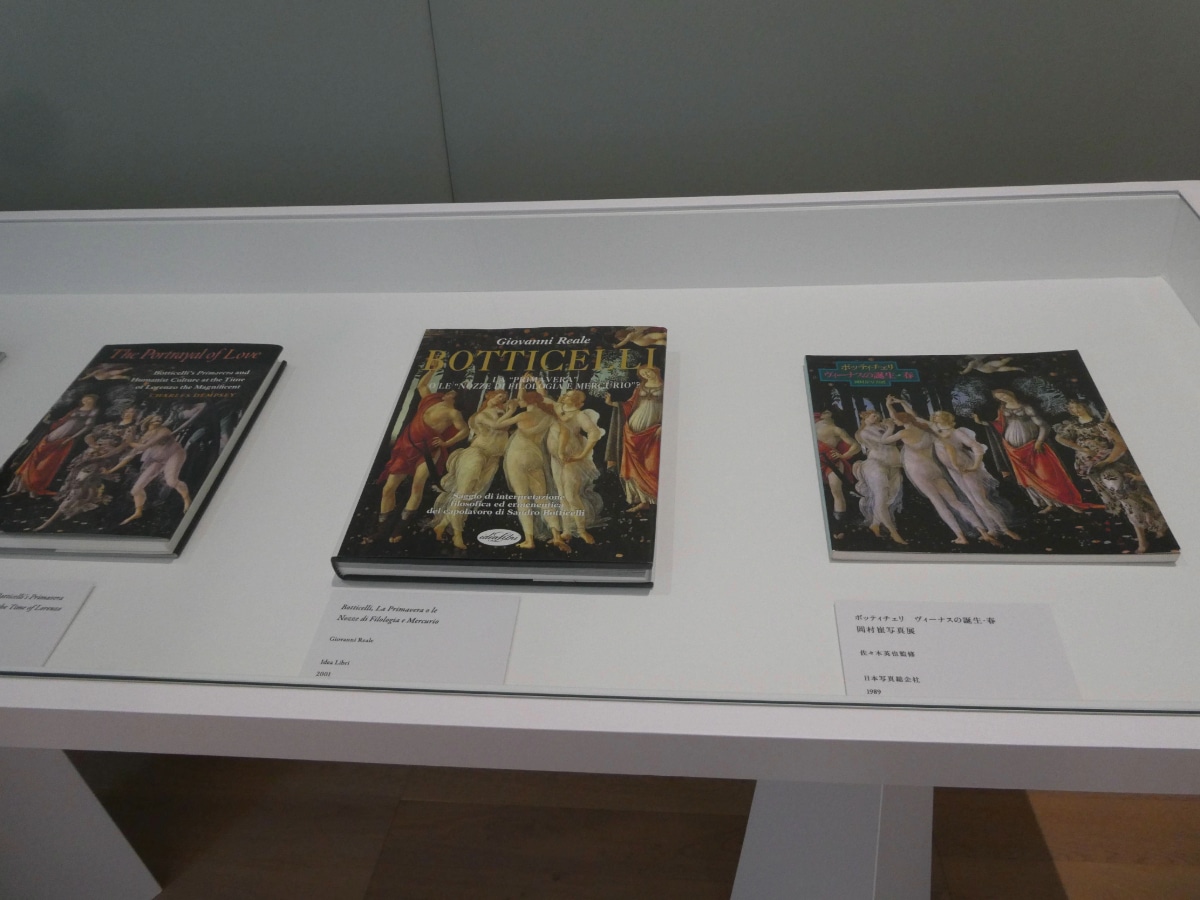
“La Bella Simonetta”—born Simonetta Cattaneo—arrived in Florence after marrying Marco Vespucci, a distant relative of the explorer Amerigo Vespucci, at the age of fifteen. Renowned even then as a woman of extraordinary beauty, she served as a muse for numerous painters—including Botticelli—and poets, and her legacy endures to this day. Beloved by so many artists, she ultimately succumbed to tuberculosis on April 26, 1476. This year marks the 550th anniversary of her passing.
Botticelli’s “La Bella Simonetta”—acquired by Marubeni in the UK in 1969—is one of the few Renaissance masterpieces in Japan. At the Marubeni Gallery, every effort has been made to ensure an optimal viewing experience; for instance, the use of seamless, crystal-clear glass allows visitors to get extremely close to the painting and appreciate even its finest details.
Up close, *La Bella Simonetta* is breathtakingly beautiful in its coloring and intricate detail; it is a truly captivating work. The red of Simonetta’s garment and the blue of her hair ornament seem to evoke the colors associated with divine benevolence and the Virgin Mary. Her attire—worn against her fair skin and abundant blonde hair—possesses a delicacy akin to lace draped over the fabric, while the embroidery adorning her bodice and sleeves is rendered with such precision that it creates a sense of three-dimensional depth. It is a masterpiece so absorbing that one loses all track of time simply gazing at Botticelli’s exquisite rendering.
What, then, is the “invisible presence” that *La Bella Simonetta* asks us to consider today?
During the Renaissance—spanning the 14th to the 16th centuries—people celebrated freedom and championed humanism across every field of endeavor. Yet, the preceding era (11th to 15th centuries) had been a time of chaos, marked by deep divisions in both state and religion. Emerging from that turbulent backdrop, *La Bella Simonetta* seems to reveal to modern viewers an invisible presence embodied by the Renaissance philosophy known as the “coincidence of opposites” (*coincidentia oppositorum*). This concept posits that all religions—whether Christian or pagan—are fundamentally one and the same in the eyes of God; it represents a vision that sought to end the era’s deep-seated divisions. Standing before this Renaissance masterpiece, those of us facing today’s global divisions seem to receive a message of reconciliation and unity.
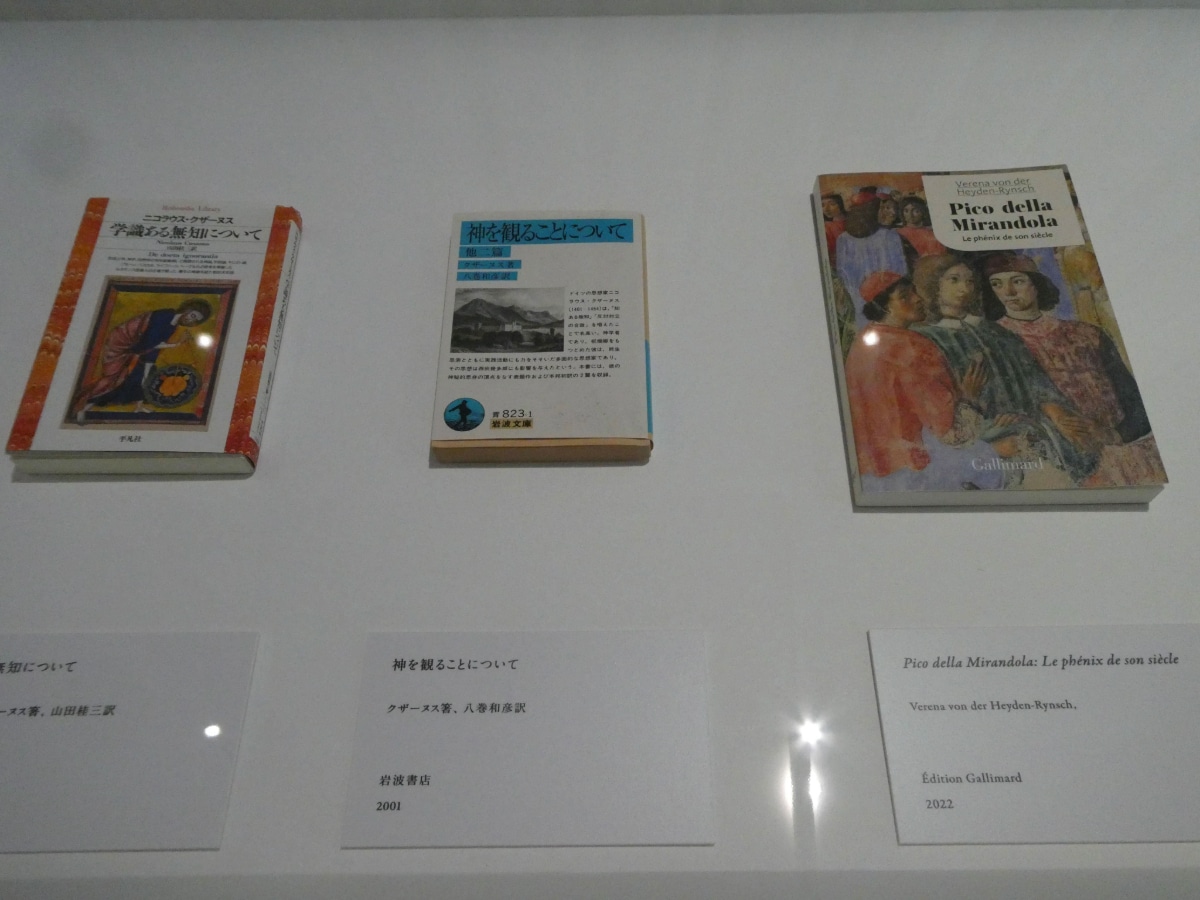
This exhibition—which challenges us to deeply contemplate a single work of art—is truly magnificent. Through the depiction of a Renaissance woman, it addresses profound themes: friendship between Japan and Italy, the healing of a divided world, and the restoration of our shared humanity.
Read also,