Seikado Bunko Art Museum Exhibition : Where Beauty is Served : Kaiseki Vessels and Spirit of Tea Ceremony – Until June 14th
The Seikado Bunko Art Museum houses 6,500 pieces of Oriental art collected over approximately 60 years by Iwasaki Yanosuke, the second president of Mitsubishi, and Iwasaki Koyata, the fourth president. This “Kaiseki Vessels” exhibition showcases a selection of exquisite pieces from this collection, specifically chosen for use in kaiseki cuisine during tea ceremonies.
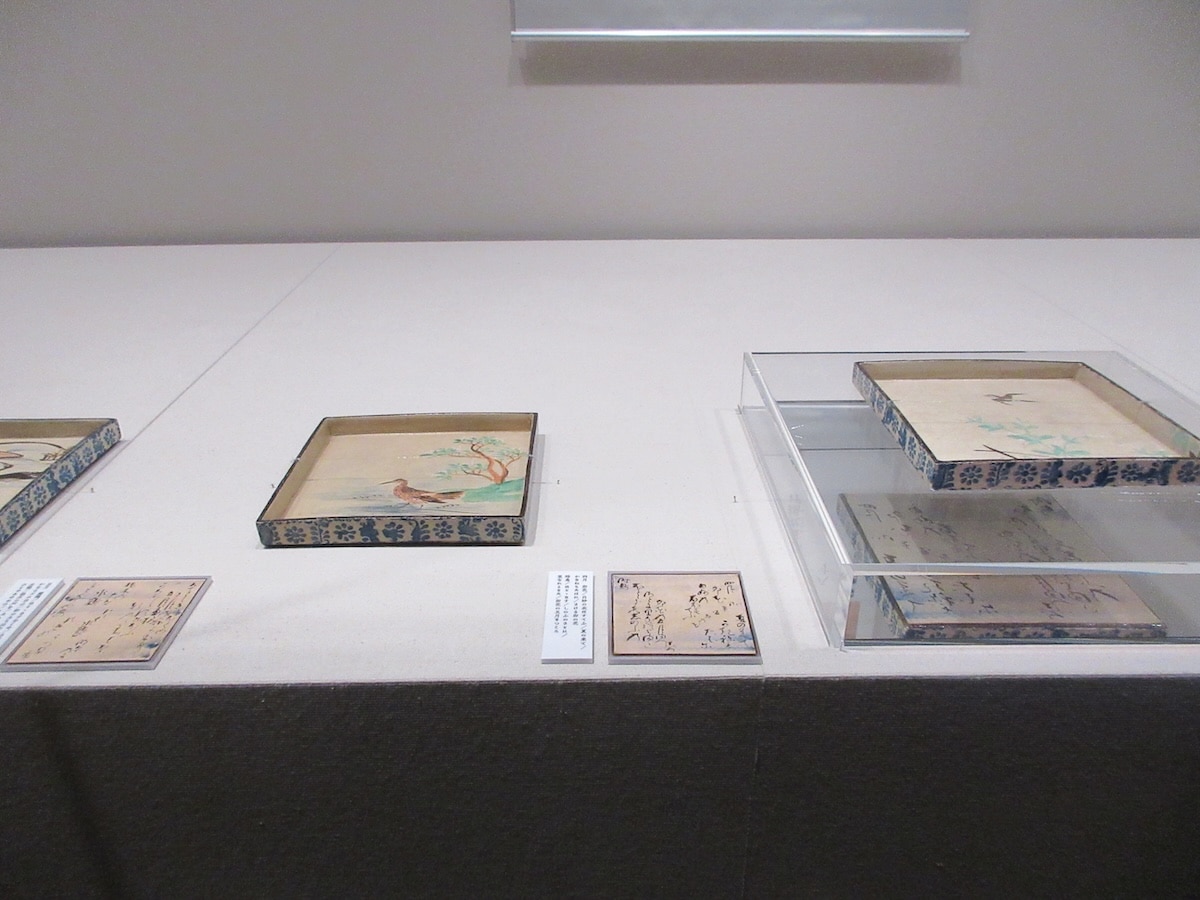
Regarding the exhibition’s structure, Toshinobu Yasumura, director of the Seikado Bunko Art Museum, stated, “We considered displaying food on the dishes, but we had to give up on that idea because it would spoil. ” Most of the exhibited works are believed to have been used for tea ceremonies at the Iwasaki family’s Torii-zaka main residence and their Atami villa. However, the director’s intention was realized in a special way, making this exhibition truly exceptional.
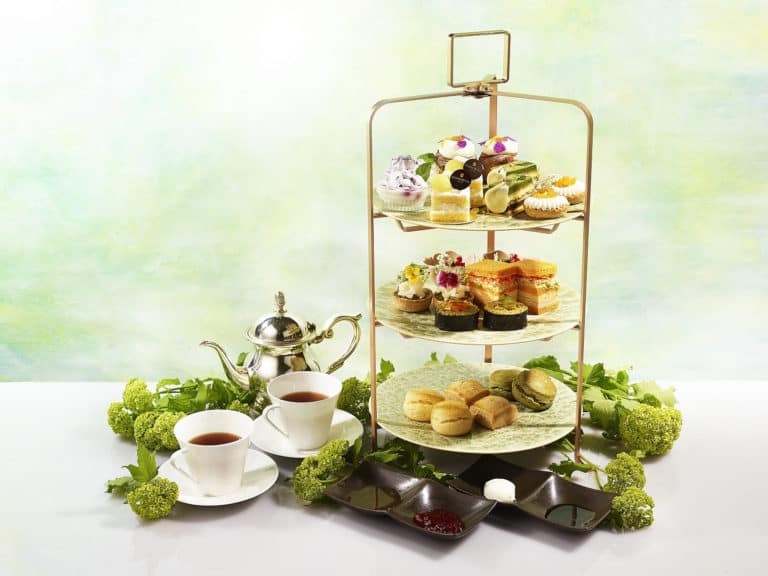
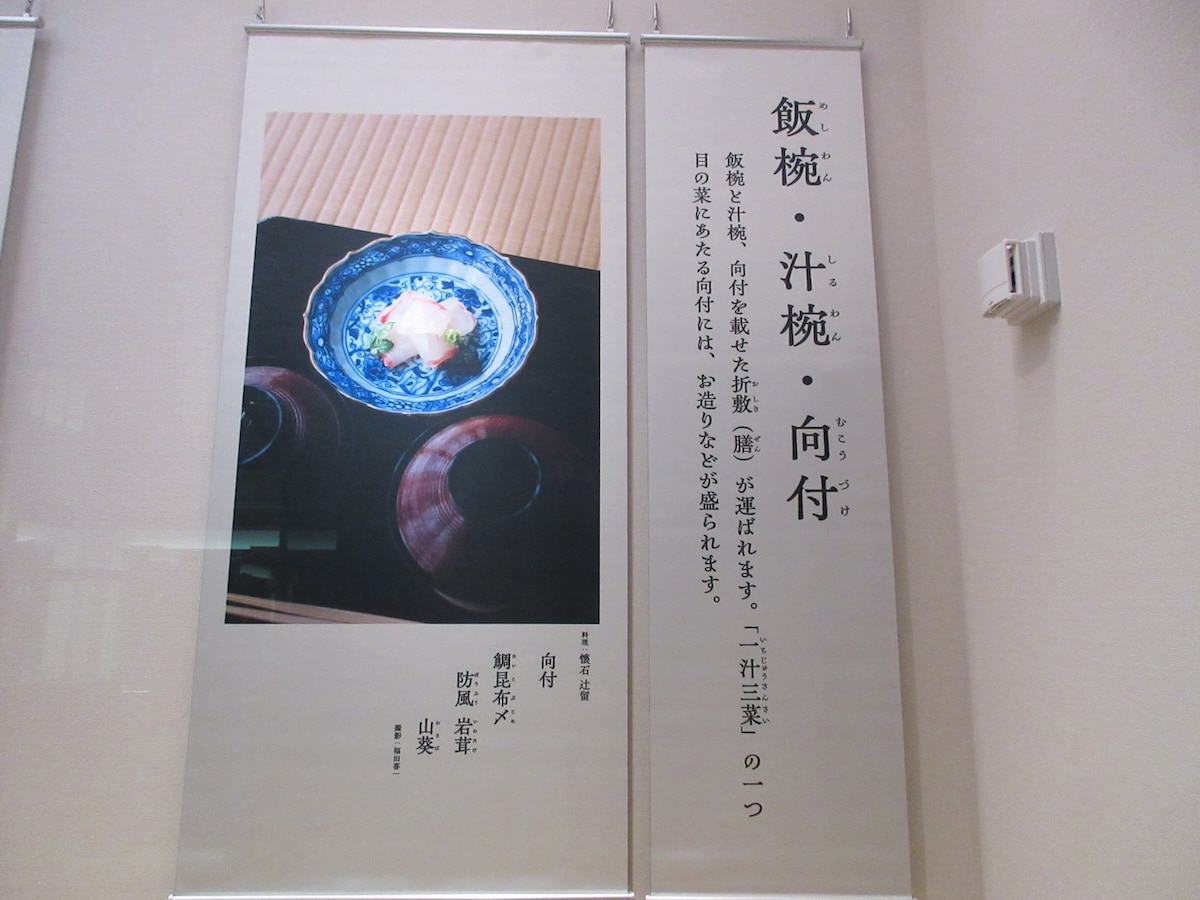
This exhibition collaborated with the monthly magazine “Nagomi,” and images of “kaiseki cuisine with food on the dishes, which are the collection of the museum” photographed and published in “Nagomi” were placed throughout the exhibition. This was made possible with the cooperation of chefs from “Tsuji-tome” and “Ichimonji,” two of leading kaiseki restaurants in Tokyo and Kyoto. Videos shoot at “Ohashi Charyo” also show the Tsuji-tome’s chef carefully arranging their dishes to harmonize with the tableware. This exhibition allows visitors to truly experience the essence of the tableware through its presentation with food.
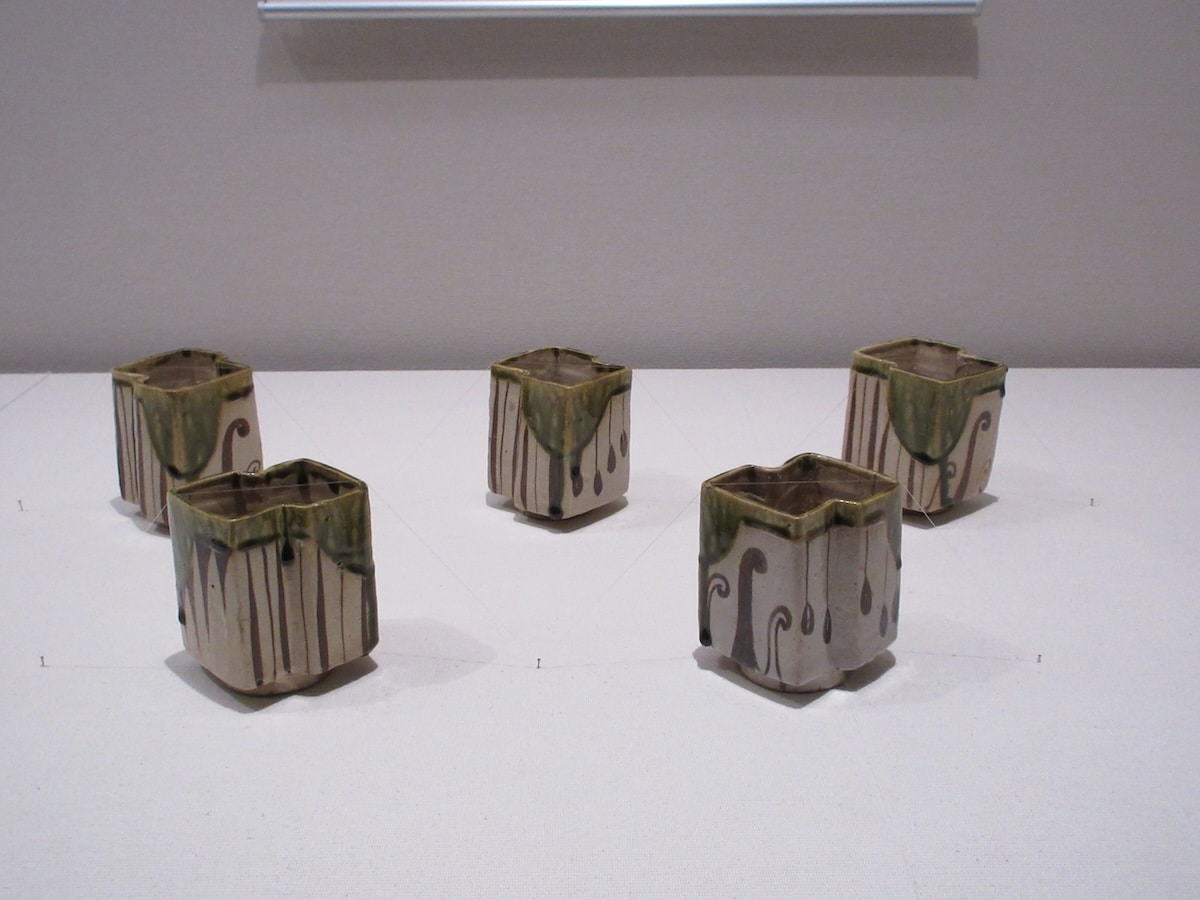
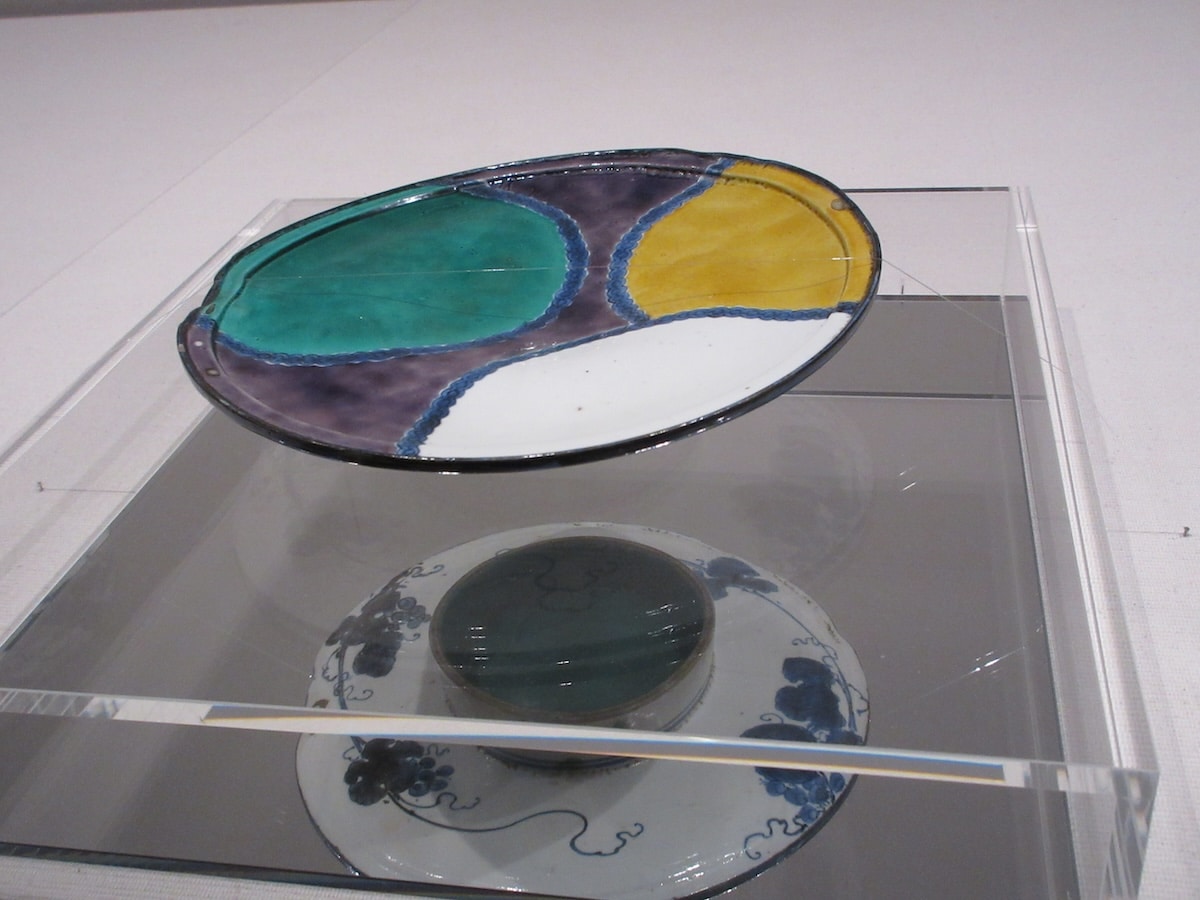
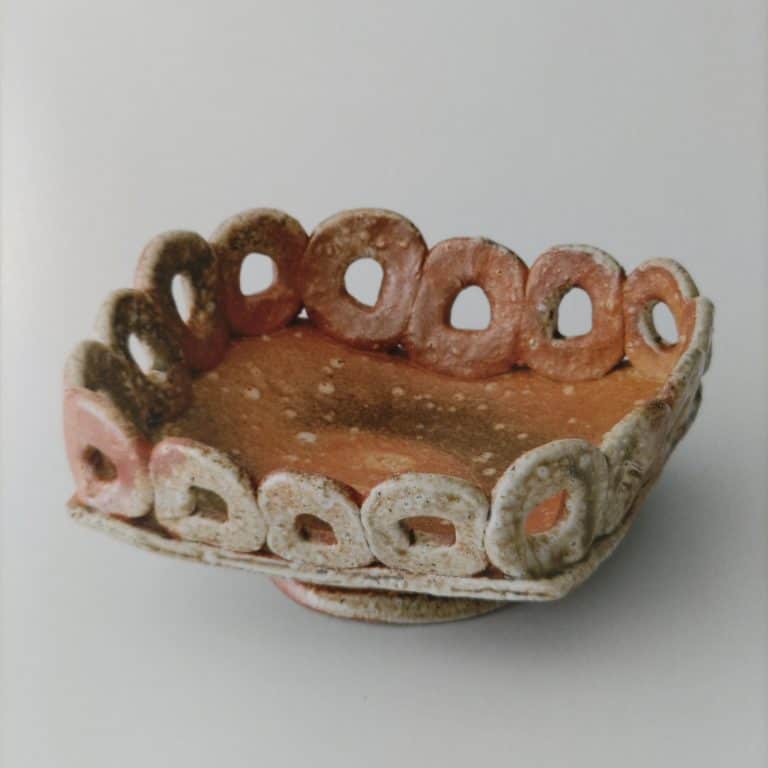
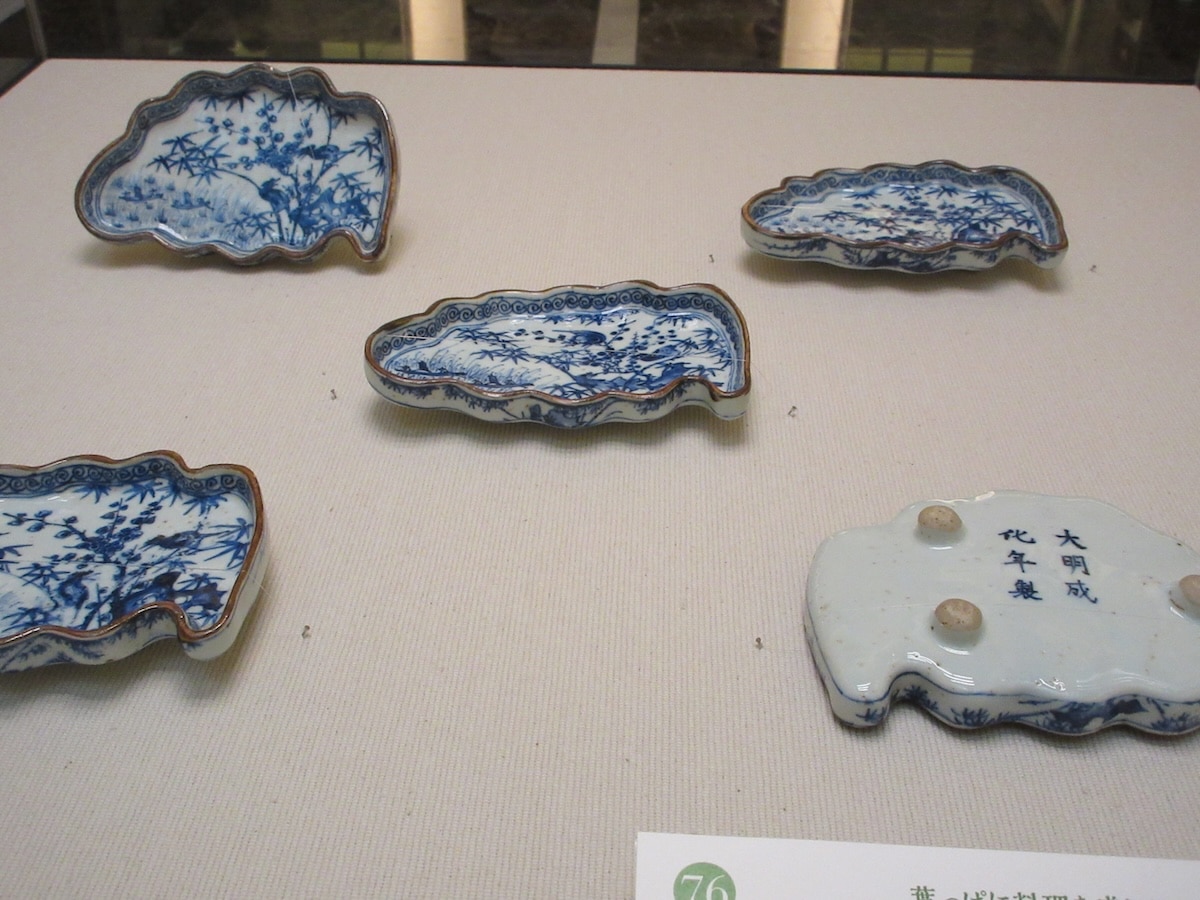
The exhibited vessels are not unified by the same pattern, as is common with Western tableware. Each piece possesses the individuality of the potter, with different styles and textures resulting from the kilns used. The origins are diverse, ranging from Japan, China (Ming and Qing dynasties), Korea, and Vietnam, and representing various eras. The combination of such diverse dishes, serving small portions of food, and continuing through to the final tea ceremony, makes kaiseki cuisine the ultimate luxury, allowing one to truly experience the world of “savoring beauty.”
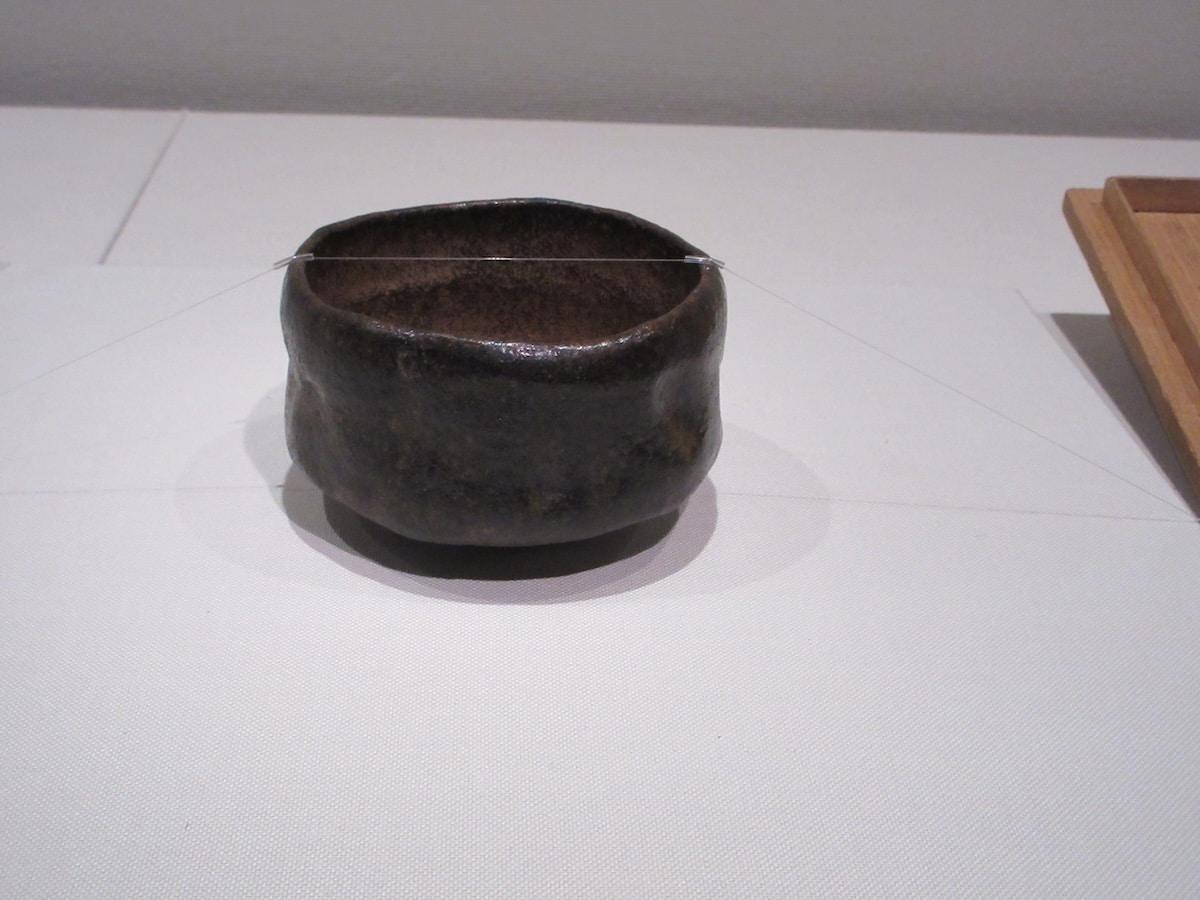
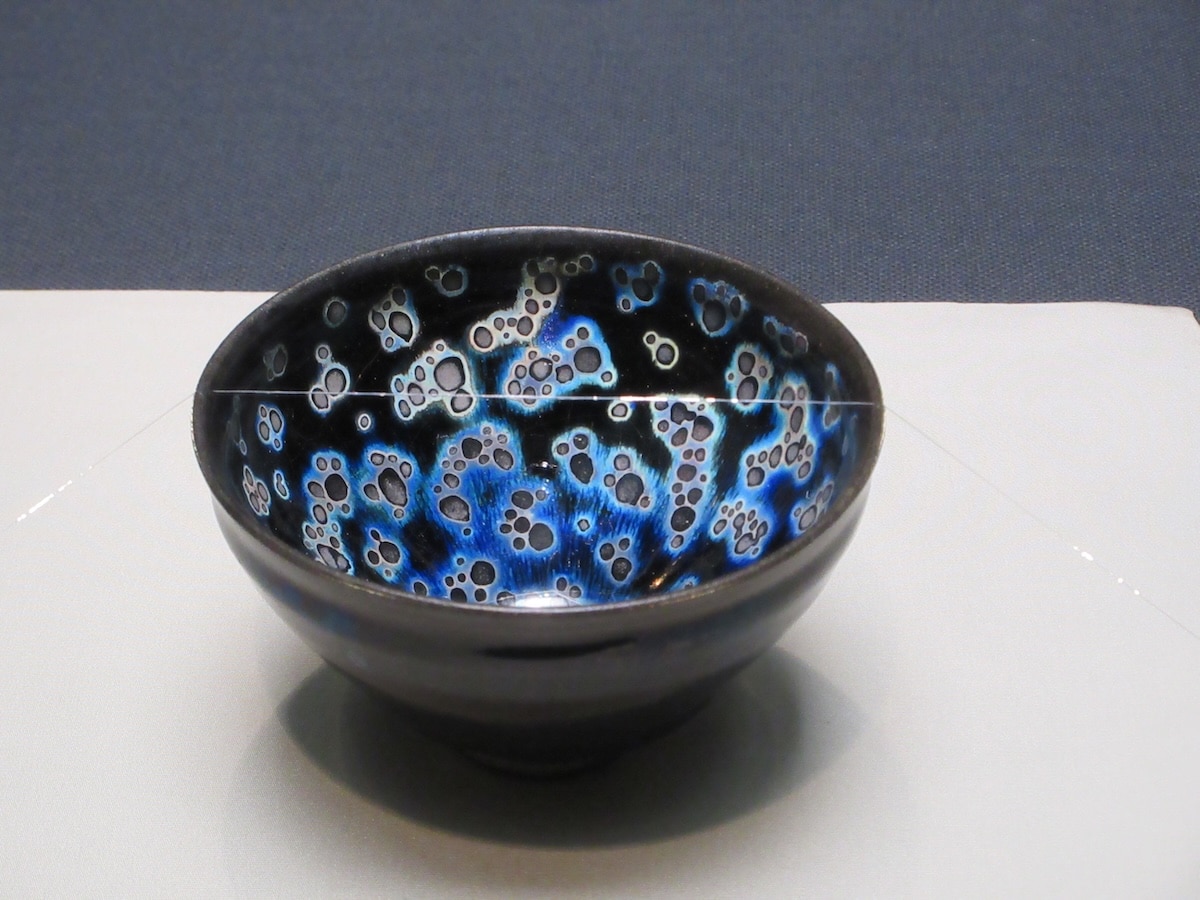
After enjoying the kaiseki meal, guests are served matcha. In the last room of the exhibition, tea ceremony utensils are on display, allowing visitors to appreciate the profound world of the tea, much like they would after a kaiseki cuisine. Here, one can see up close the Yohen Tenmoku, one of only three in the world, with the one owned by the Seikado Bunko Art Museum considered the most beautiful. This Yohen Tenmoku, acquired by the Iwasaki family in 1934, displays a cobalt-colored light that shines around the mottled patterns on the inside of the vessel, creating the impression that the entire universe is contained within.
Another highlight of this exhibition is the “Tsukumo Nasu Tea Caddy”. This tea caddy was in the possession of powerful figures such as Toyotomi Hideyoshi and Tokugawa Ieyasu, but was severely damaged during the Summer Siege of Osaka. However, by order of Ieyasu, the lacquerware craftsmen of the time, Fujishige Togen and Togan, a father and son, collected the fragments and restored it to its current state through exquisite lacquer repair.
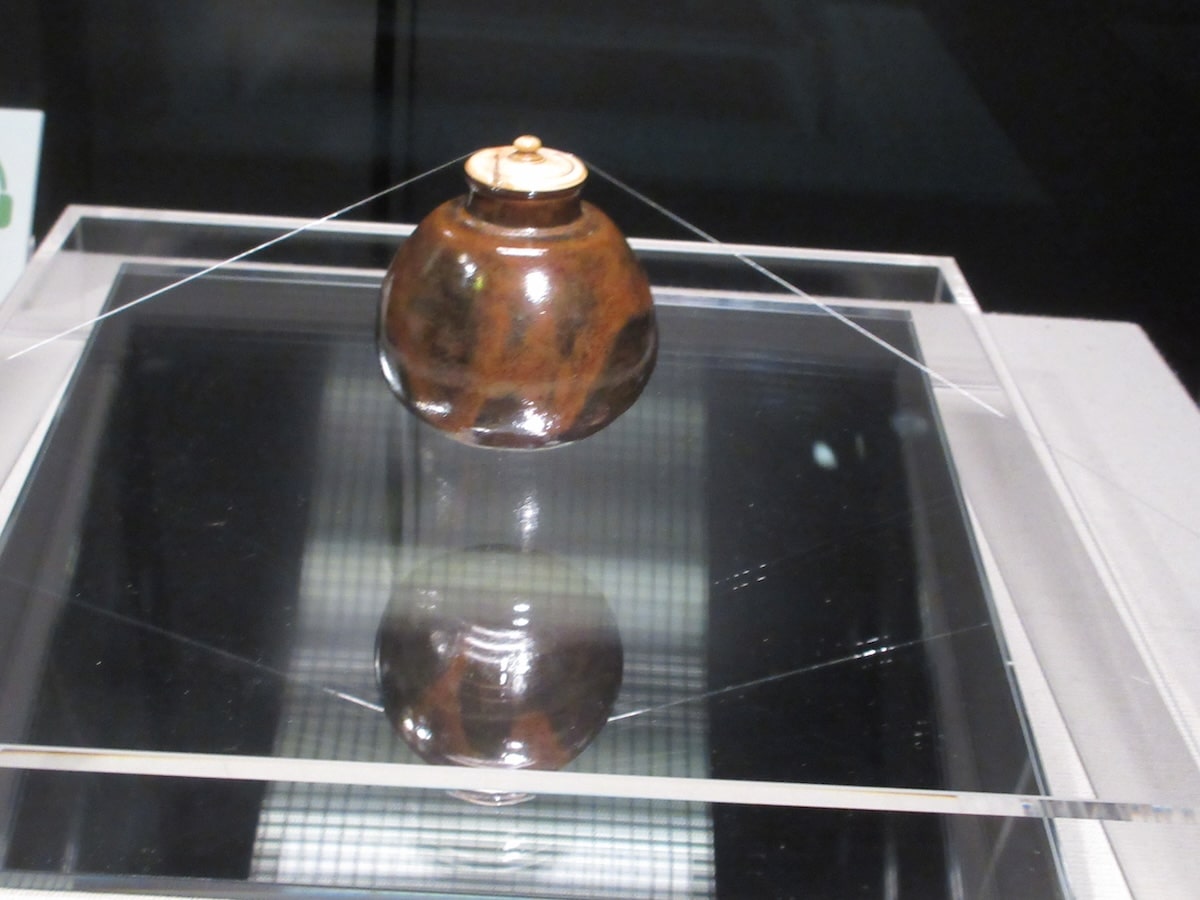
This exhibition also displays images of the damage to the Tsukumo Nasu Tea Caddy and the lacquer repair, investigated using modern technology, allowing visitors to see the excellent lacquer repair techniques of the time and the superb restoration work of the Fujishige father and son.
What can be felt from the vessels used in kaiseki cuisine is that the Japanese people have long been a people rich in diversity, perfectionists, and who value the beauty of the moment. This is because everything related to the tea ceremony is completed in an instant. The food is gone once it is eaten, and only the dish remains. The dish takes on a different kind of charm once the food is gone. This exhibition made me feel that there is such beauty in the moment in kaiseki cuisine.