Design, Diplomacy, and the ‘Tree of Life’: Philippine Embassy Marks the 70th Anniversary of Friendship with Special Exhibition
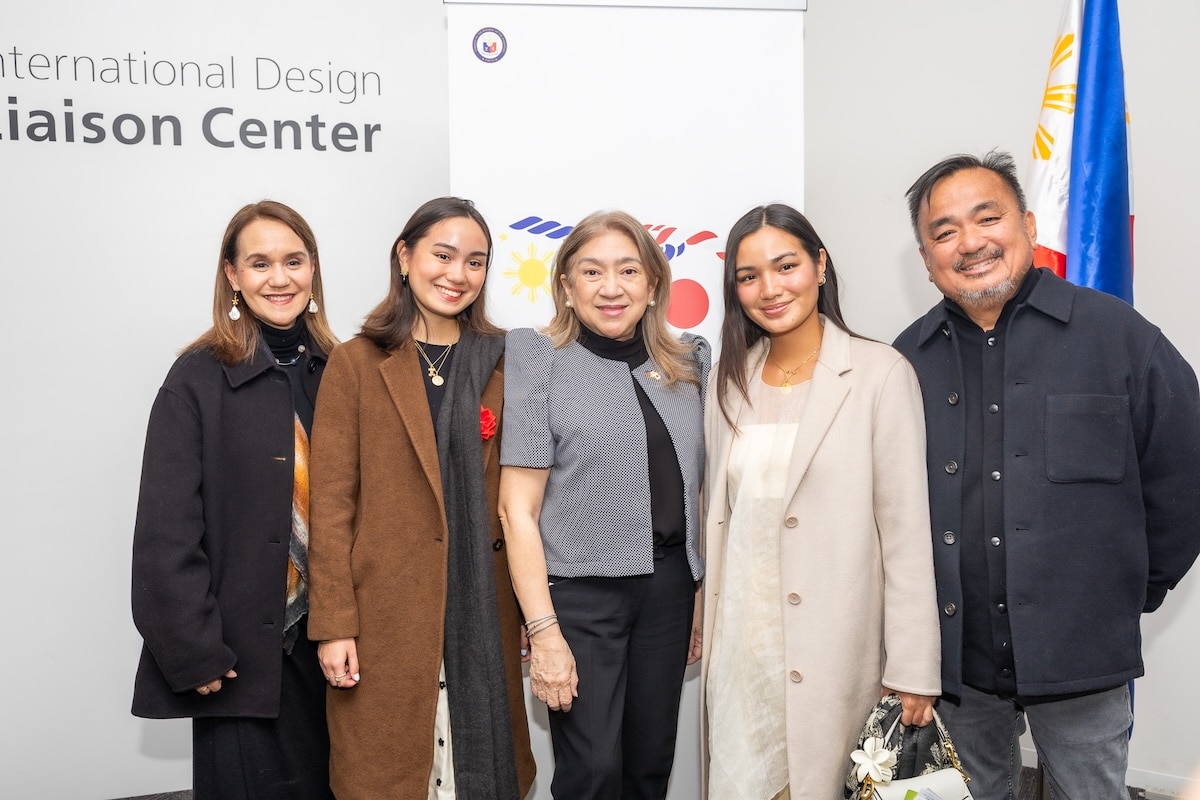
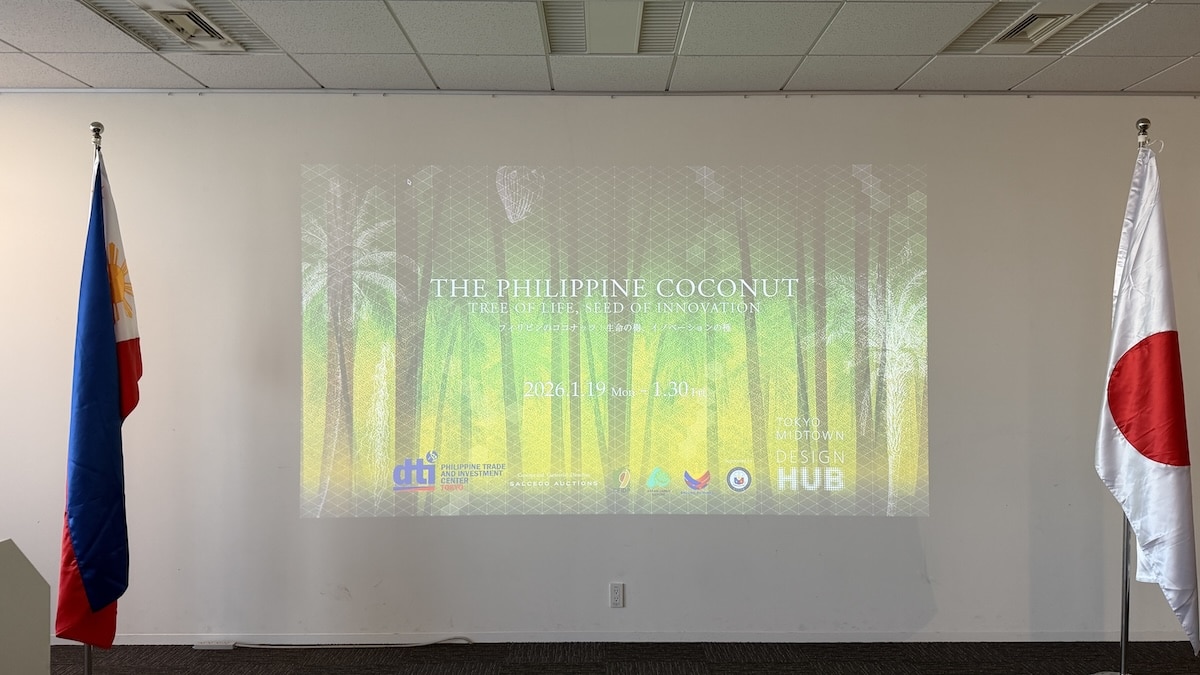
Tokyo Midtown’s Design Hub has emerged this season as an unexpected stage for modern diplomacy, where sustainability, design, and trade intersect at The Philippine Coconut: Tree of Life, Seed of Innovation—a special exhibition organized by the Department of Trade and Industry (DTI) through the Philippine Trade and Investment Center (PTIC) Tokyo, as part of the 70th anniversary of Philippines–Japan relations.
The exhibition was conceptualized, developed, and delivered under the leadership of Commercial Counselor and Special Trade Representative Dita Angara-Mathay, Head of PTIC Tokyo and overall project leader. The VIP opening on 19 January formally launched the anniversary celebrations at the Design Hub on the 5th floor of Midtown Tower, inviting visitors to explore how one of the Philippines’ most familiar natural resources is being reimagined through contemporary design, technology, and sustainable manufacturing.
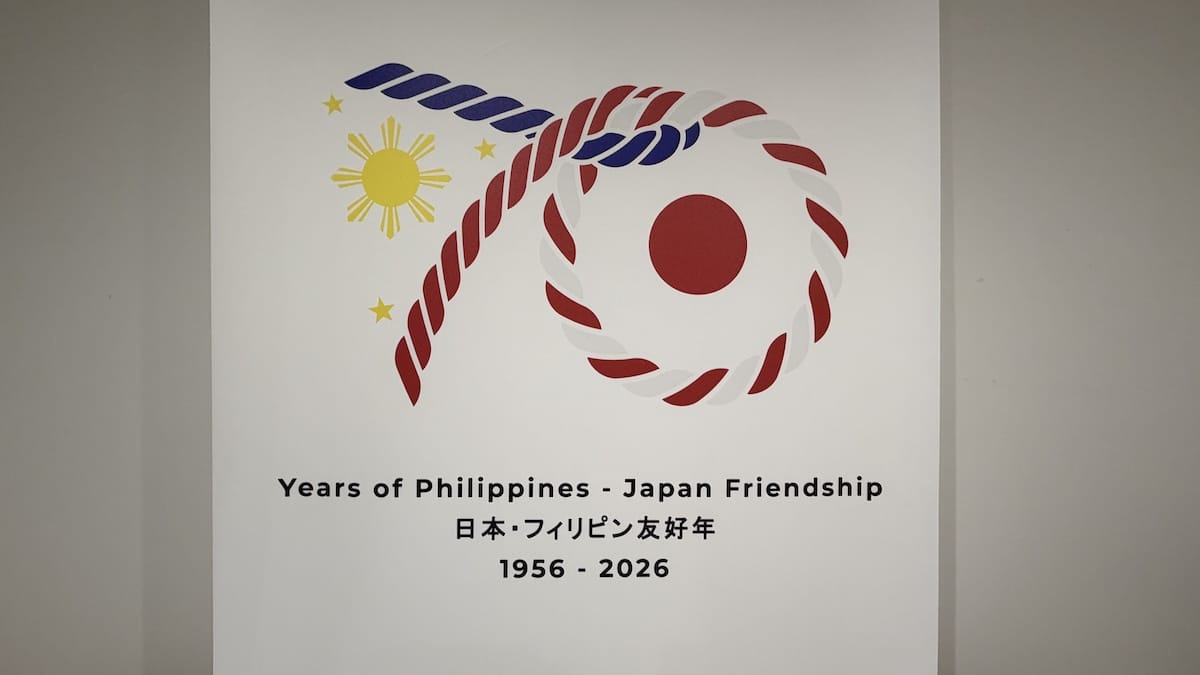
To commemorate the milestone, organizers also introduced a specially created 70th anniversary logo, serving as the year’s official emblem of Philippines–Japan friendship and symbolizing the weaving together of two cultures, two economies, and shared futures.
Guided by the anniversary theme, “Weaving the Future Together: Peace, Prosperity, Possibilities,” the showcase brings together Filipino MSMEs, designers, and engineers presenting coconut-based innovations across food, wellness, textiles, fashion, and homeware—products conceived not as traditional exports, but as globally minded solutions designed for collaboration with Japanese partners.
At the heart of it all stands a deceptively simple symbol: the coconut.
Overseeing the exhibition’s conception and execution was Commercial Counselor and Special Trade Representative Dita Angara-Mathay, Head of the Philippine Trade and Investment Center (PTIC) Tokyo and overall project leader. Under her leadership, the exhibition was developed as both a design showcase and a strategic trade platform—one that reframes the coconut not as a raw commodity, but as a driver of innovation, sustainability, and cross-border collaboration.
Funded under the Coconut Farmers and Industry Development Plan (CFIDP), a national program implemented by the Department of Trade and Industry in coordination with other government agencies, the project reflects a broader effort to elevate Philippine materials, design thinking, and MSMEs within international markets—particularly through partnerships with Japan’s design, manufacturing, and technology sectors.
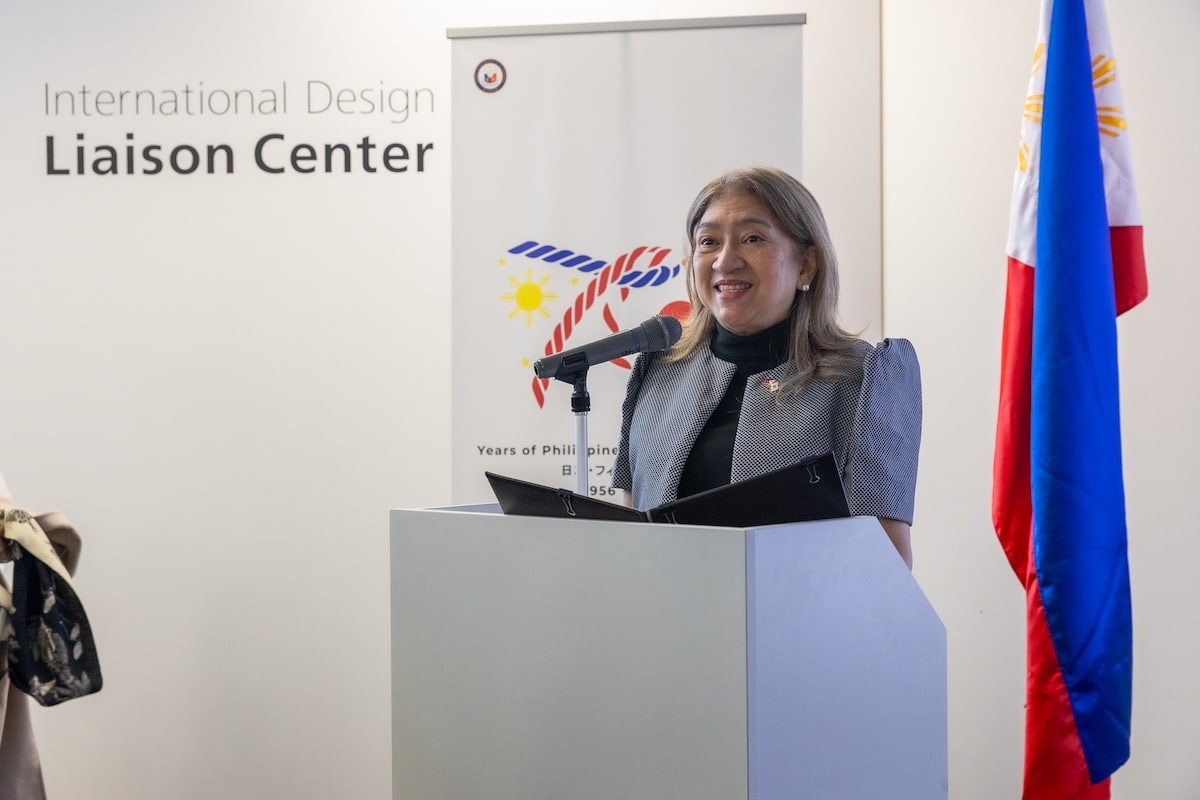
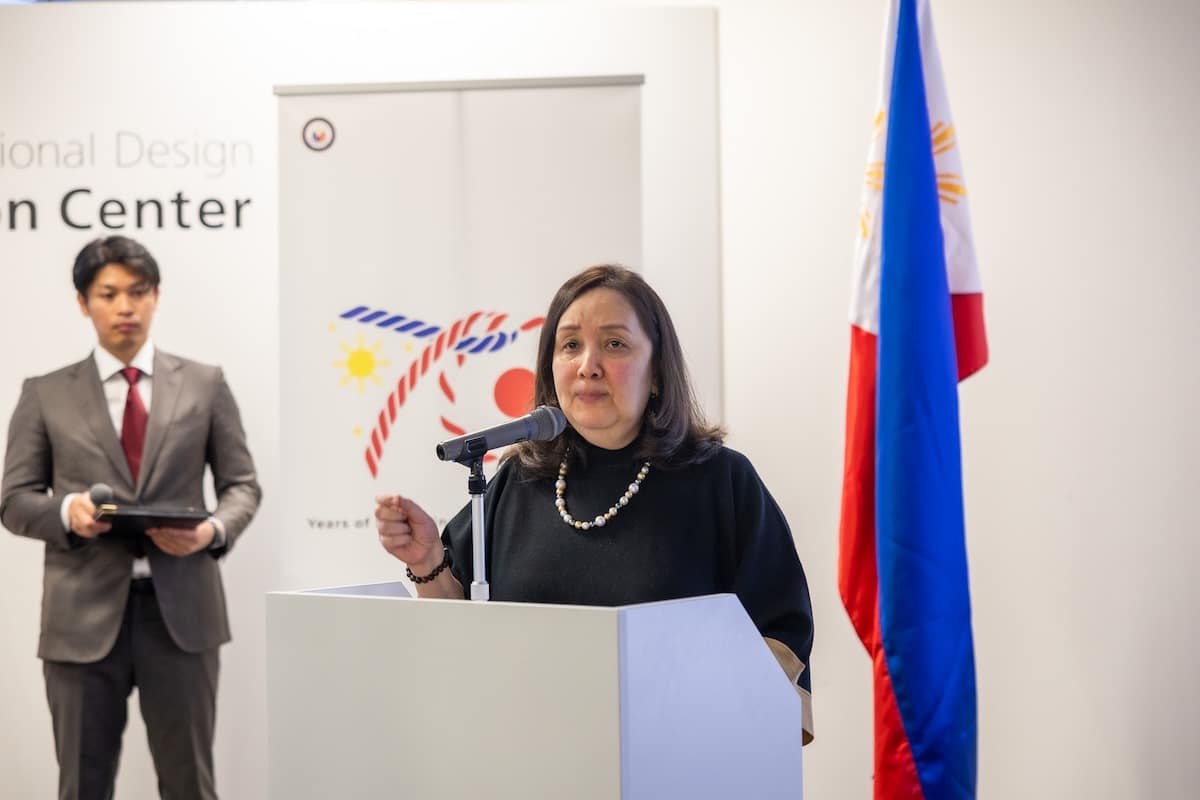
H.E. Mylene Garcia-Albano, Ambassador of the Republic of the Philippines to Japan, opened the event with a welcome address, positioning the exhibition as both symbolic and strategic. It reflects, she noted, the shared values that have long connected the two nations—sustainability, creativity, and mutual respect.
“For many people, the Philippines means beaches and coconut trees,” she said. “But beyond that image lies a deeper story—of living in harmony with nature and using resources responsibly.”
“Known in the Philippines as the “Tree of Life,” the coconut embodies a near-zero-waste philosophy: every part—from husk and shell to oil and water—can be transformed into food, materials, energy, and livelihoods. The Ambassador also highlighted a subtle historical thread linking the two countries: Philippine abaca fiber, cultivated with early Japanese migrants, continues to be used in Japan’s yen banknotes today.”
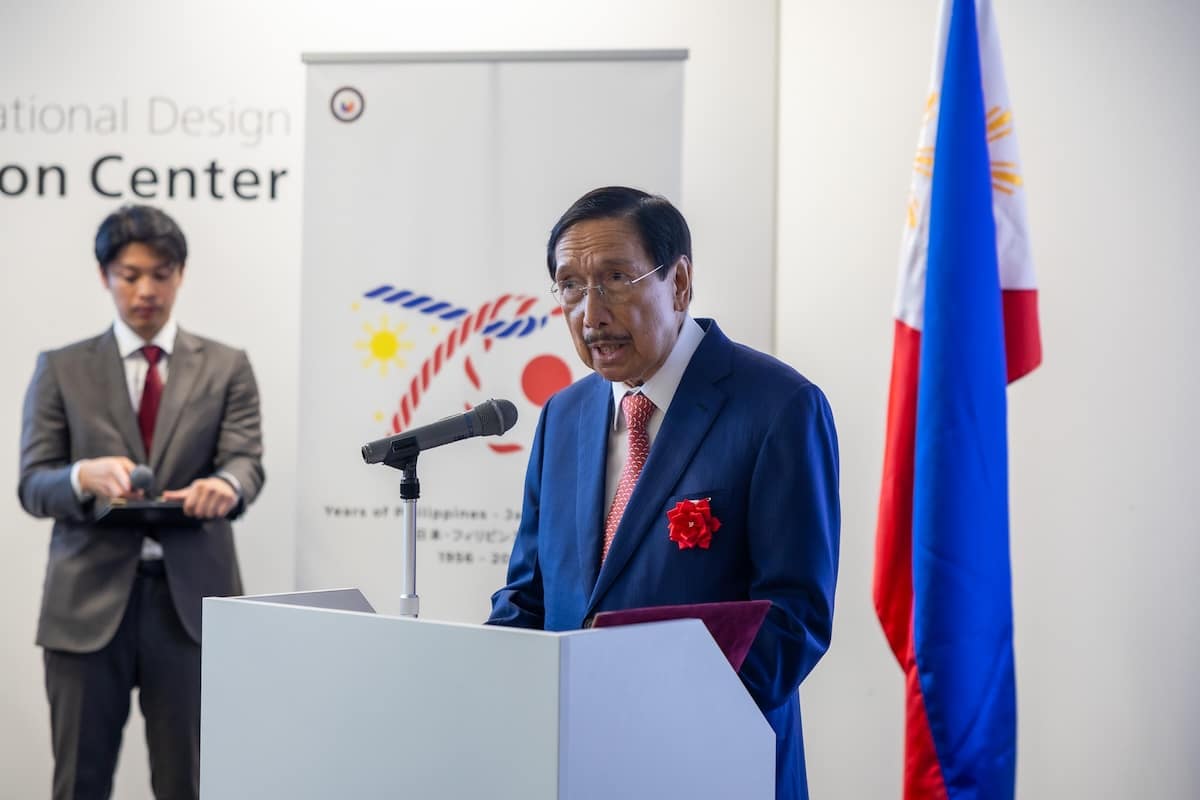
Delivering the keynote message, Dr. Amable Aguiluz V, Special Envoy of the President to Japan for Trade and Investment, emphasized that the moment was not merely commemorative but forward-looking. “We are not only marking a milestone in history,” he said. “We are setting the tone for what our two nations can still build together.” He described the coconut as “a material system for the future”—a platform for innovation spanning fiber, furniture, food, wellness, and climate-conscious construction. “This exhibition is not about exporting raw materials,” he added. “It is about exporting design and value.”
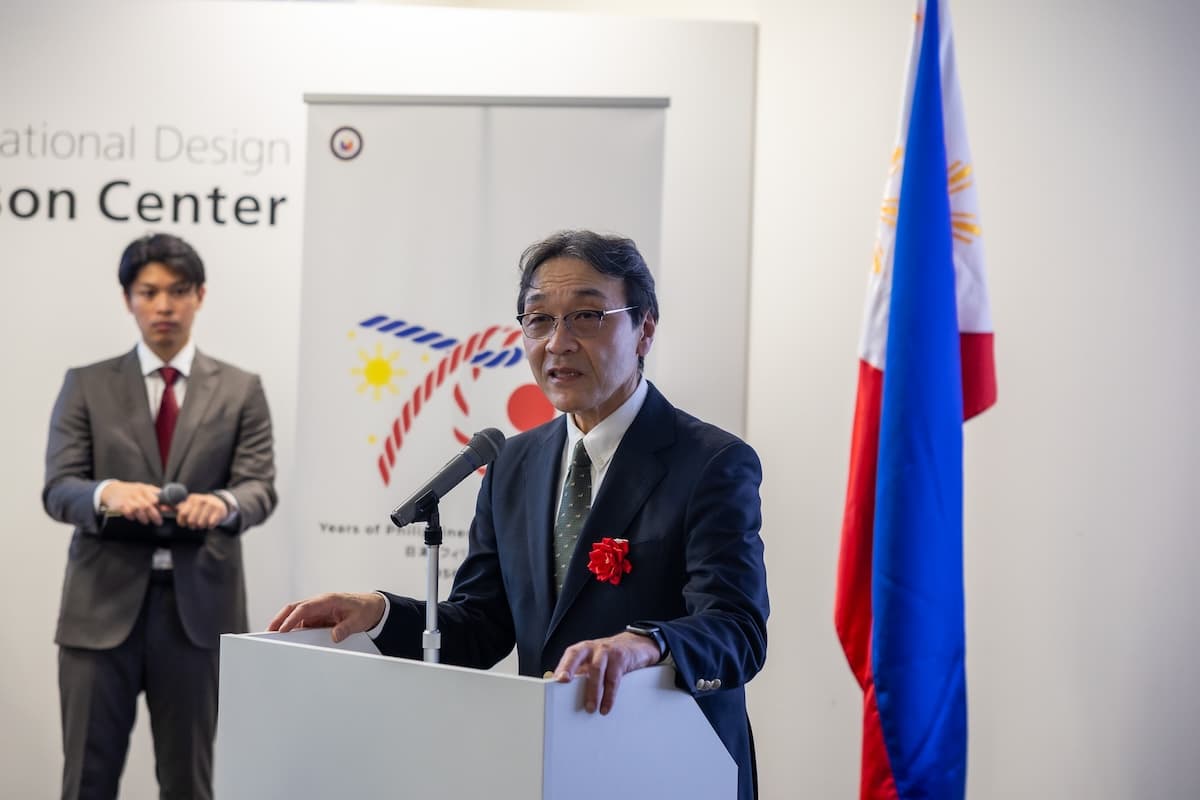
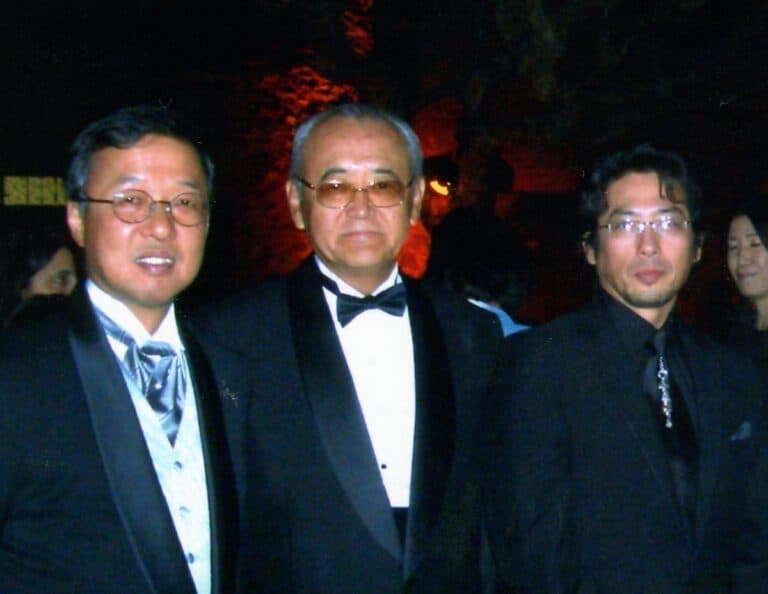
Adding a personal dimension to the program, Mr. Kunihiko Hirabayashi, Secretary General of the ASEAN–Japan Centre, offered reflections that moved beyond policy and trade into memory. Speaking warmly, he recalled his first visit to the Philippines nearly four decades ago—what he described with a smile as an unofficial honeymoon trip with his future wife. Standing on a sunlit beach beneath tall coconut trees, a local resident told him, simply, that the coconut was their “Tree of Life.” At the time, he admitted, he understood it only in practical terms—food, water, shelter, fuel. Over the course of his professional life working across East Asia and Southeast Asia, however, the phrase took on deeper meaning. For him, the coconut tree came to symbolize resilience: bending but not breaking in strong winds, thriving in harsh conditions, and quietly sustaining communities for generations. That endurance, he suggested, mirrors both the spirit of the Filipino people and the long, steady partnership between the Philippines and Japan.
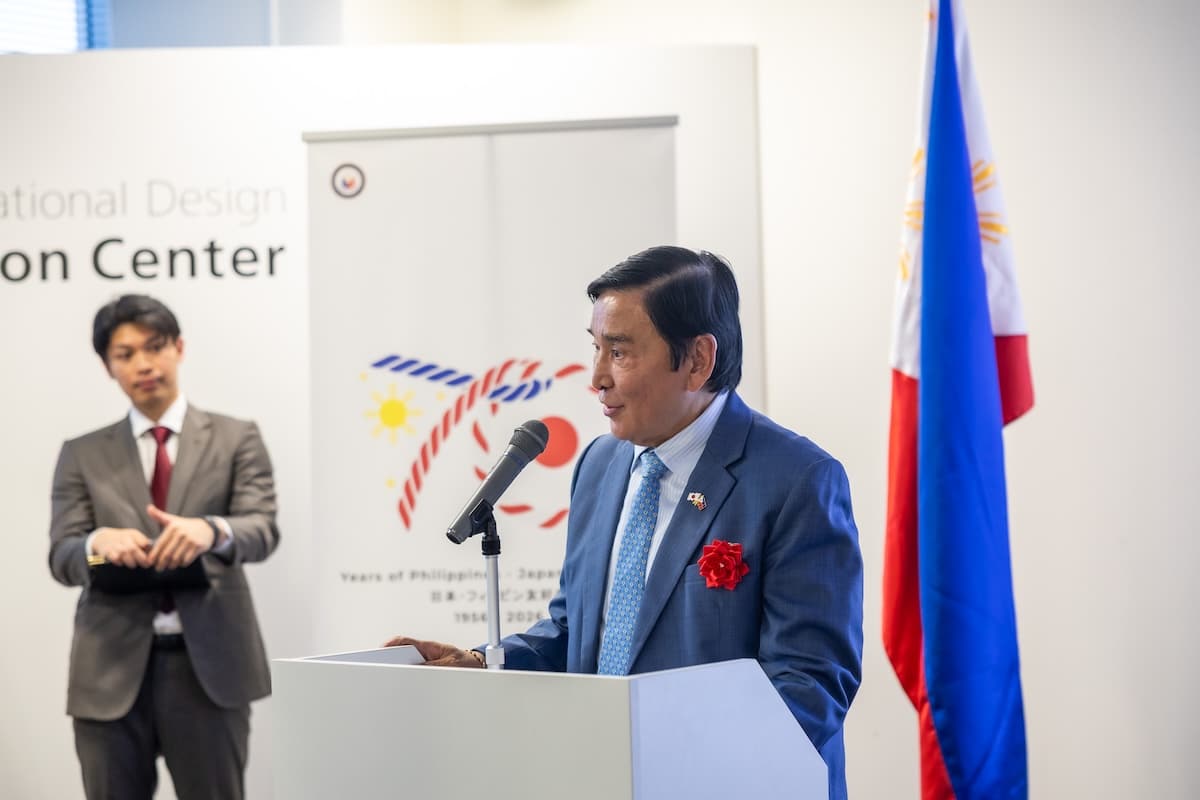
Building on that theme from a business perspective, Dr. Reghis Romero II, Special Envoy of the President to Japan for Business and Investment Promotion, emphasized the role of enterprise and private-sector collaboration in transforming innovation into tangible outcomes. He underscored how investment, industry partnerships, and cross-border cooperation will be essential in scaling coconut-based technologies and sustainable materials into viable sectors—ensuring that the ideas presented in the exhibition evolve into lasting economic opportunities and long-term growth for both nations.
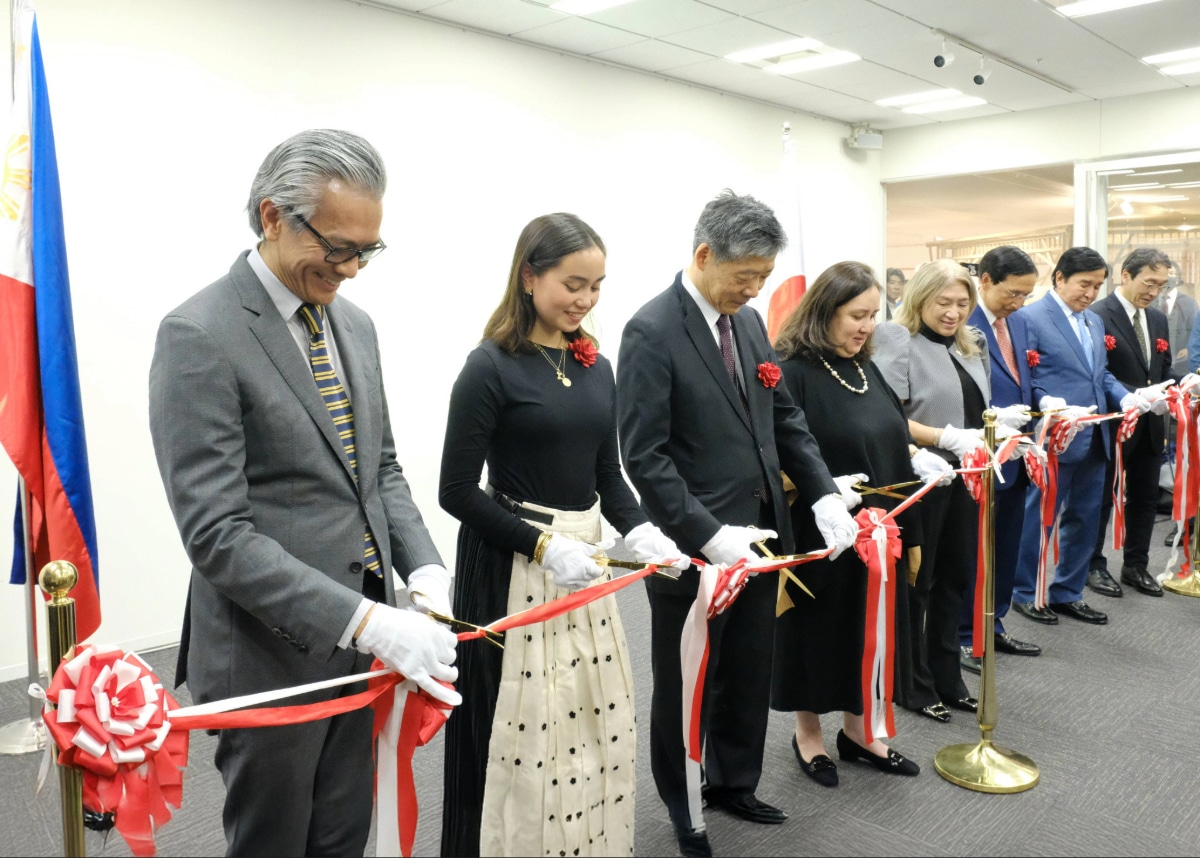
Following the speeches, dignitaries gathered for a ceremonial ribbon cutting, formally declaring the exhibition open and symbolically inaugurating the 70th anniversary year of Philippines–Japan friendship.
As guests moved through the installations—textiles, material samples, lighting concepts, and finished products—the atmosphere felt closer to a design fair than a formal trade function. Conversations flowed easily between diplomats and designers, entrepreneurs and investors, illustrating how contemporary diplomacy increasingly unfolds through creativity and collaboration.
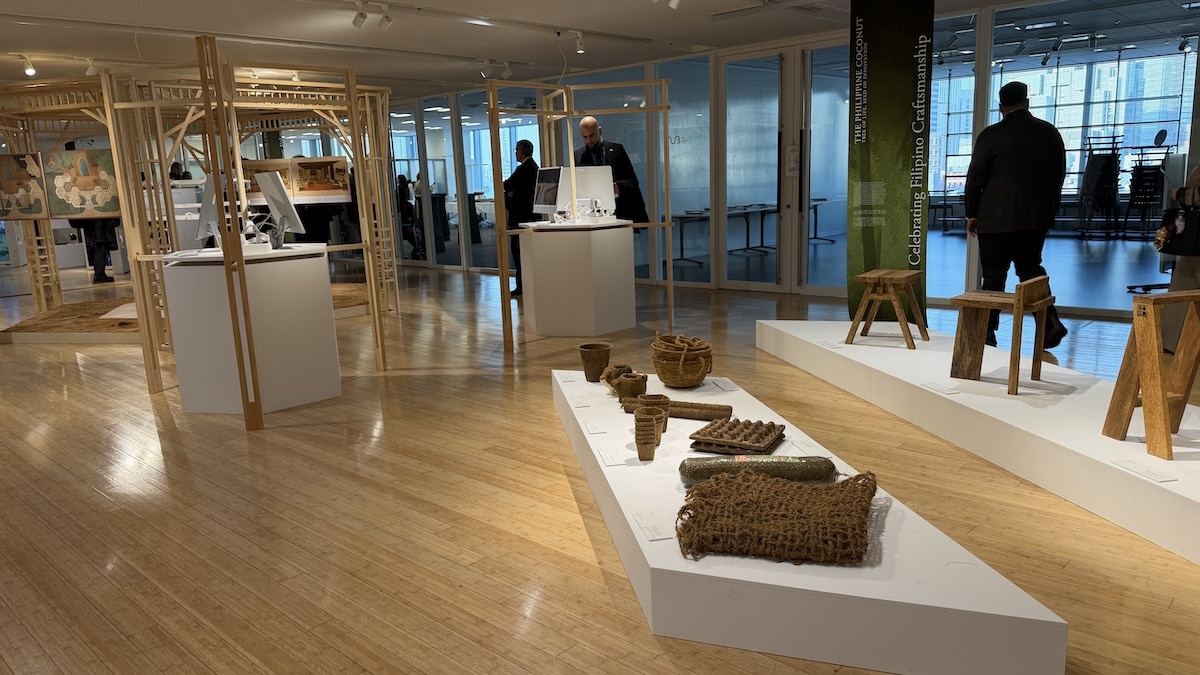
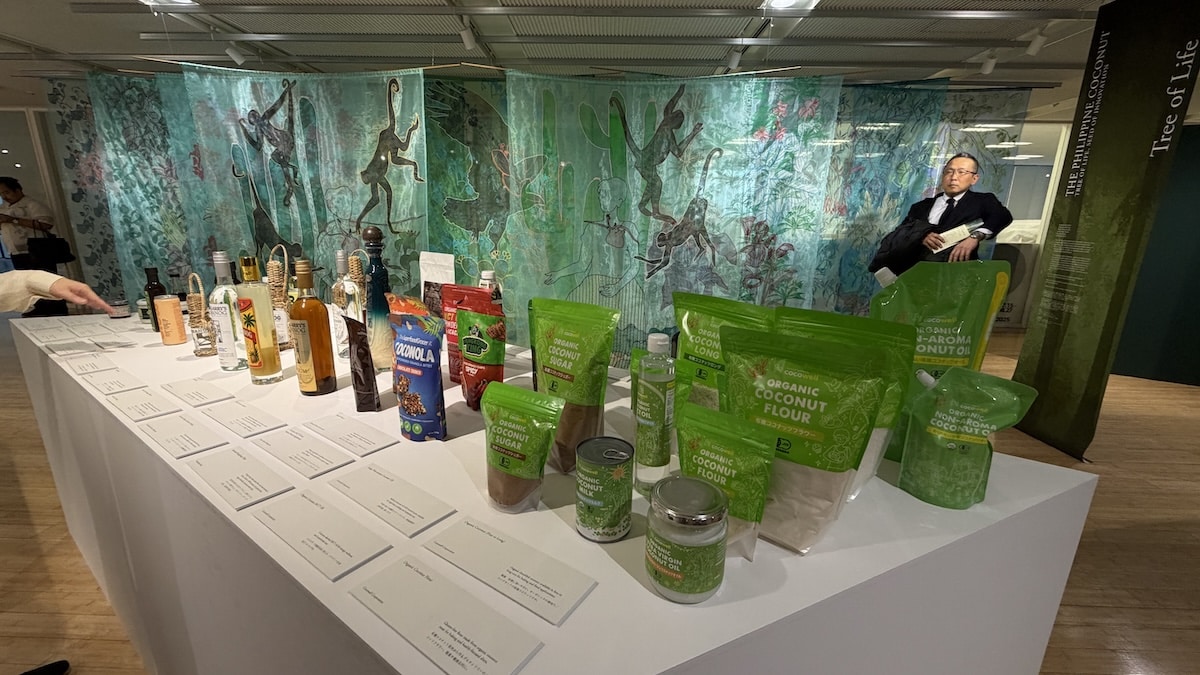

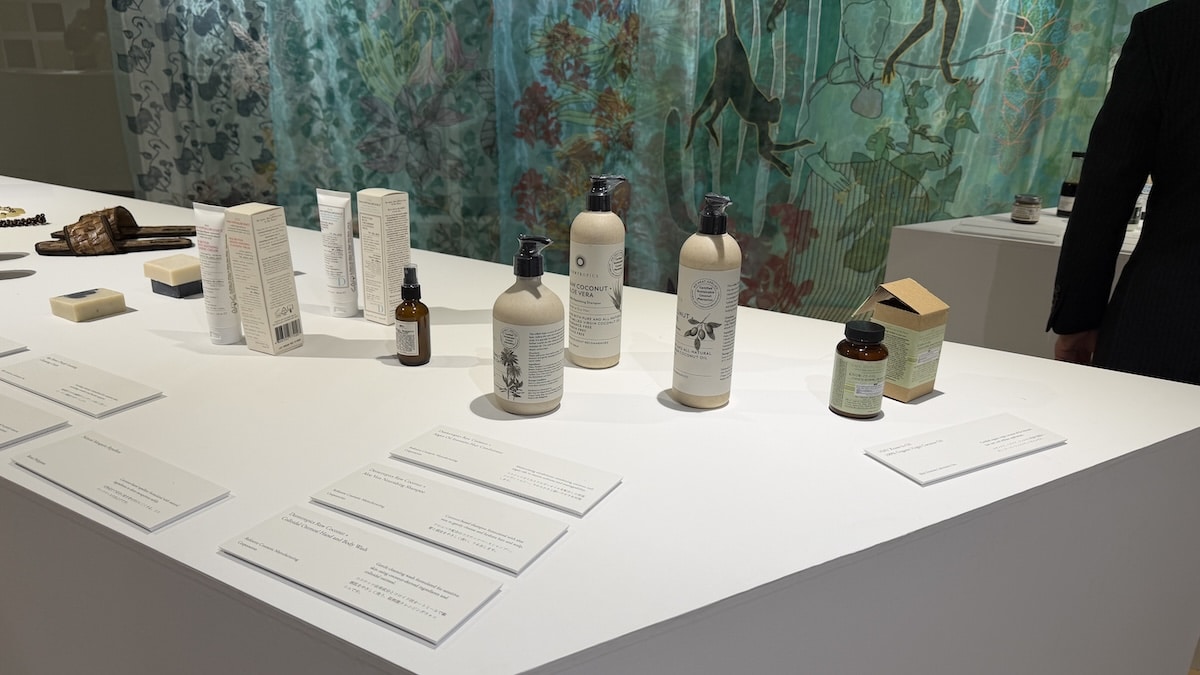
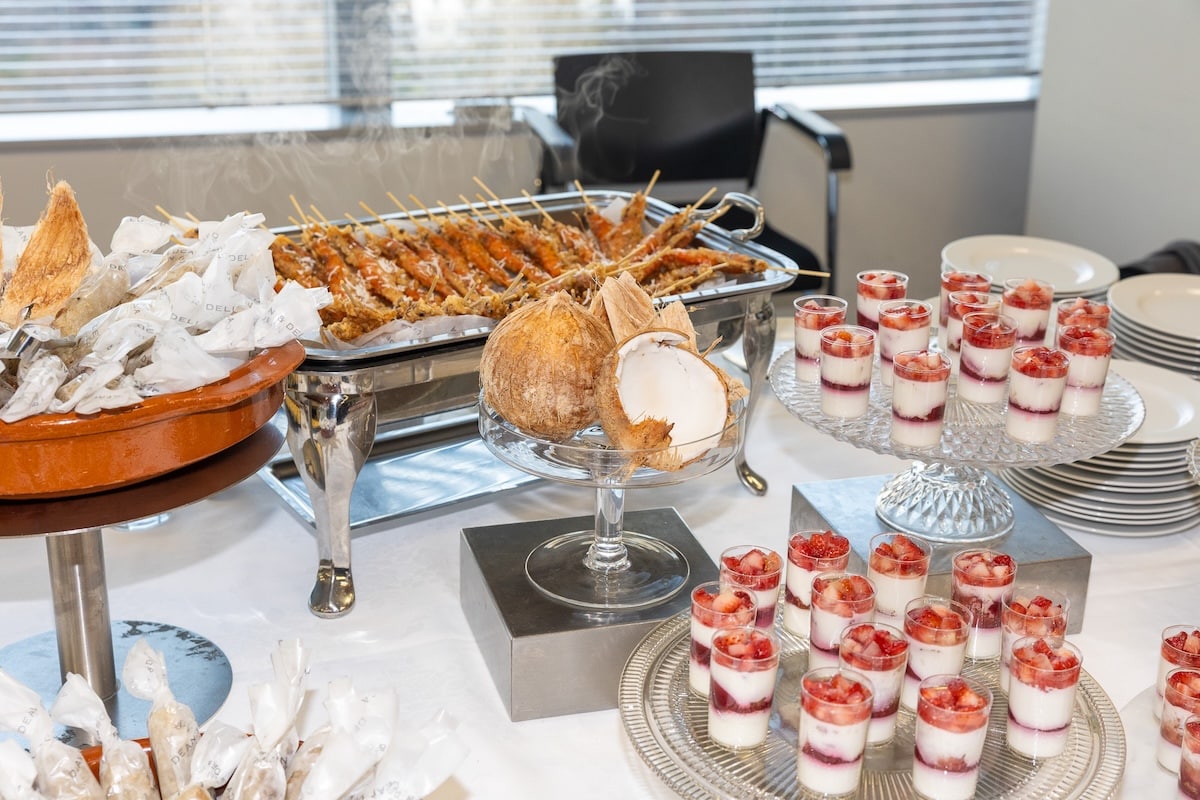
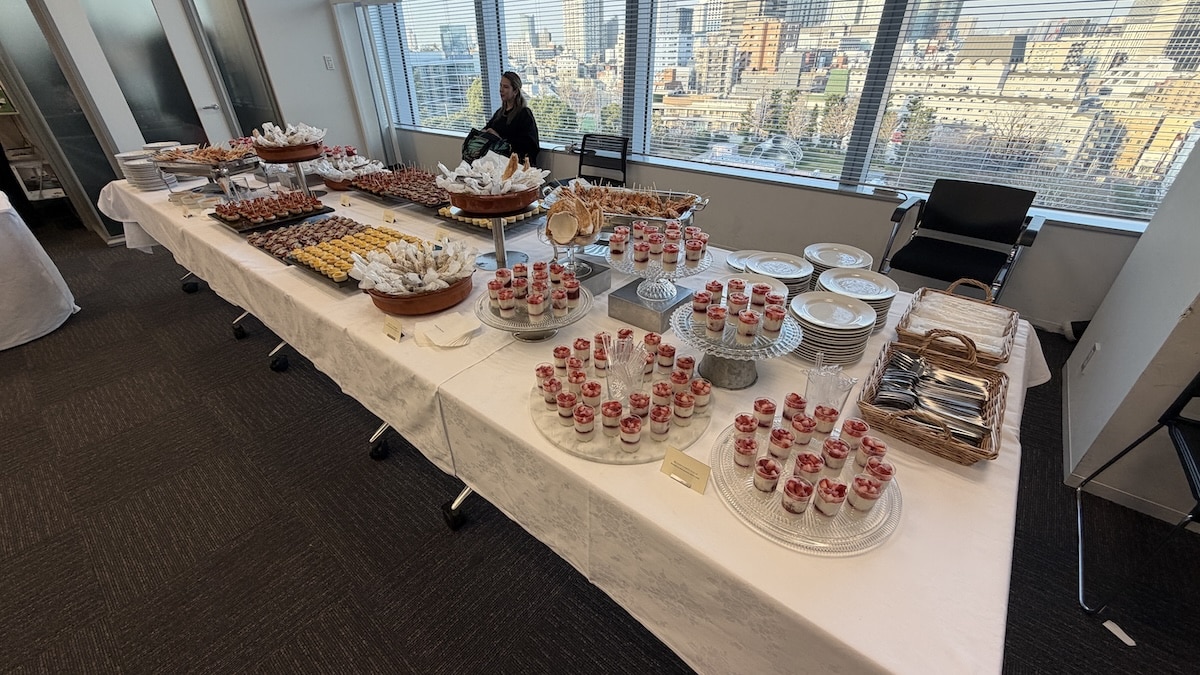
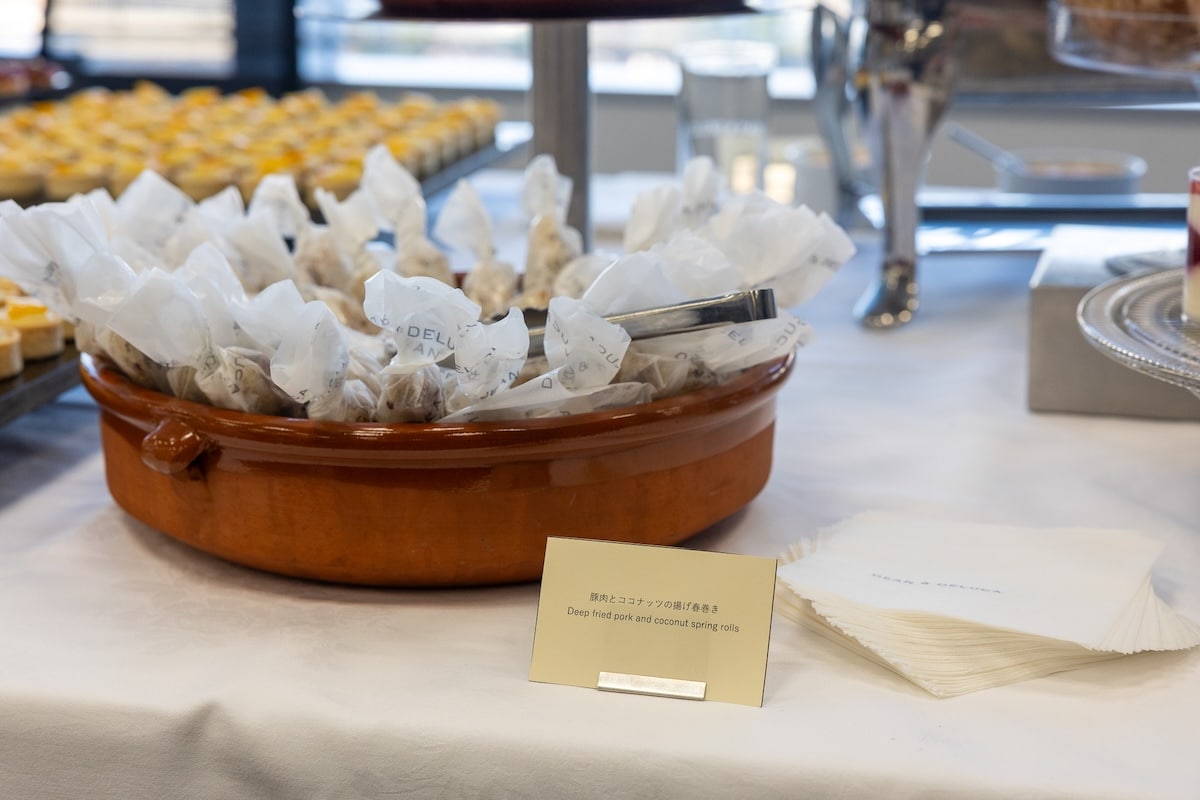
The afternoon concluded on a distinctly Filipino note, with guests enjoying authentic cuisine inspired by the exhibition’s theme. Coconut featured prominently across the menu, from crisp deep-fried pork coconut spring rolls to coconut deserts, adding a warm, convivial touch that brought the day’s message—from material innovation to cultural heritage—fully to life.
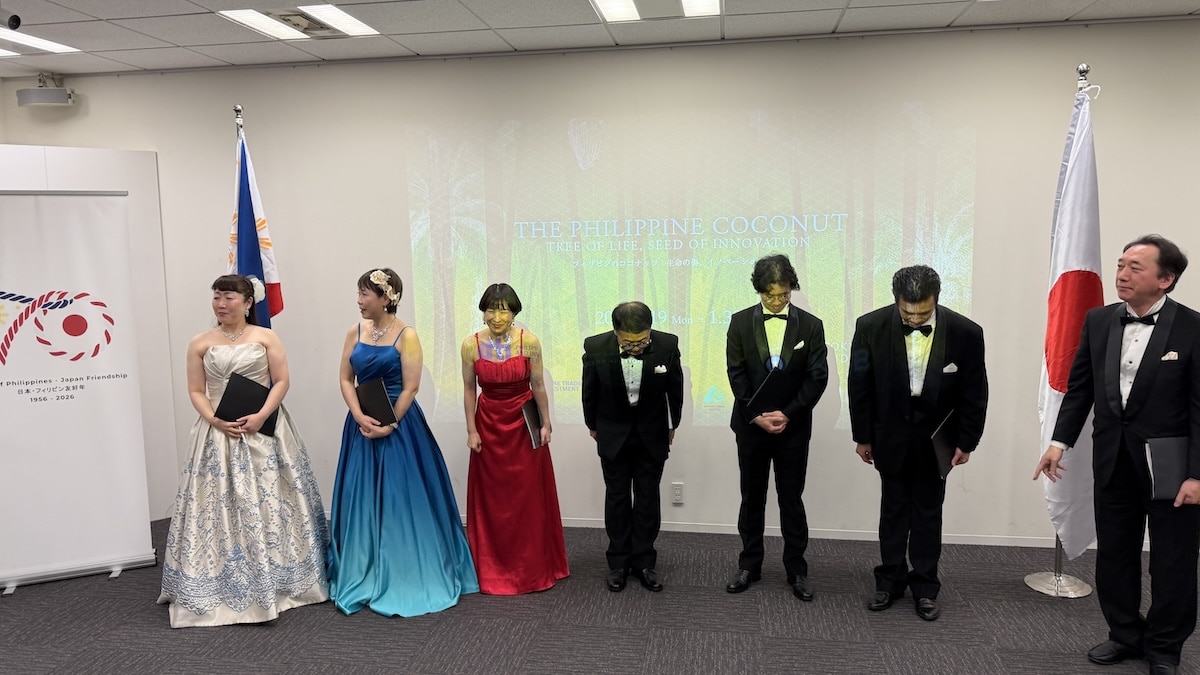
The Philippine Coconut: Tree of Life, Seed of Innovation ran from 19 to 30 January 2026 at the Tokyo Midtown Design Hub.
For exhibition hours and additional programming details, visitors are encouraged to consult the official website of the Philippine Embassy in Japan.