Her Imperial Highness Princess Akiko Views Special Exhibition at Atsugi City Museum
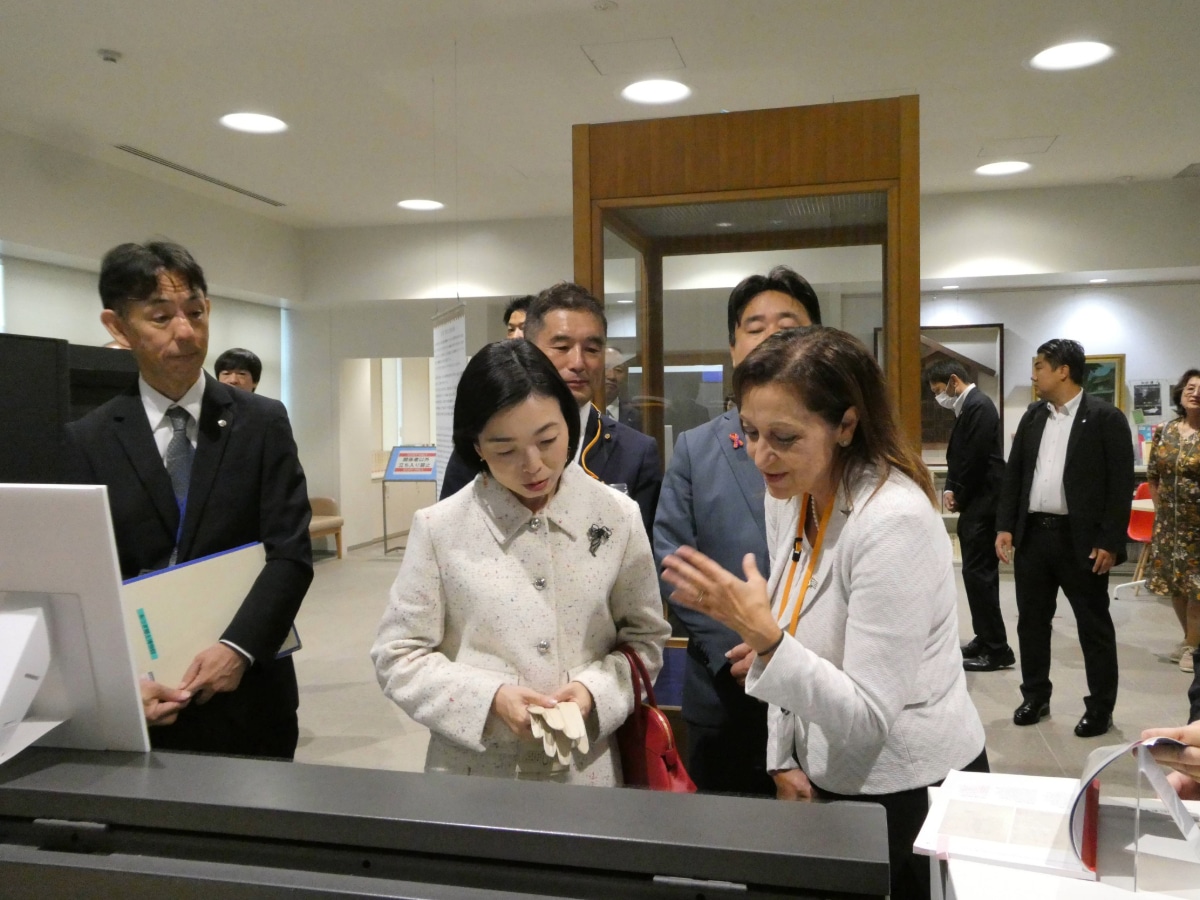
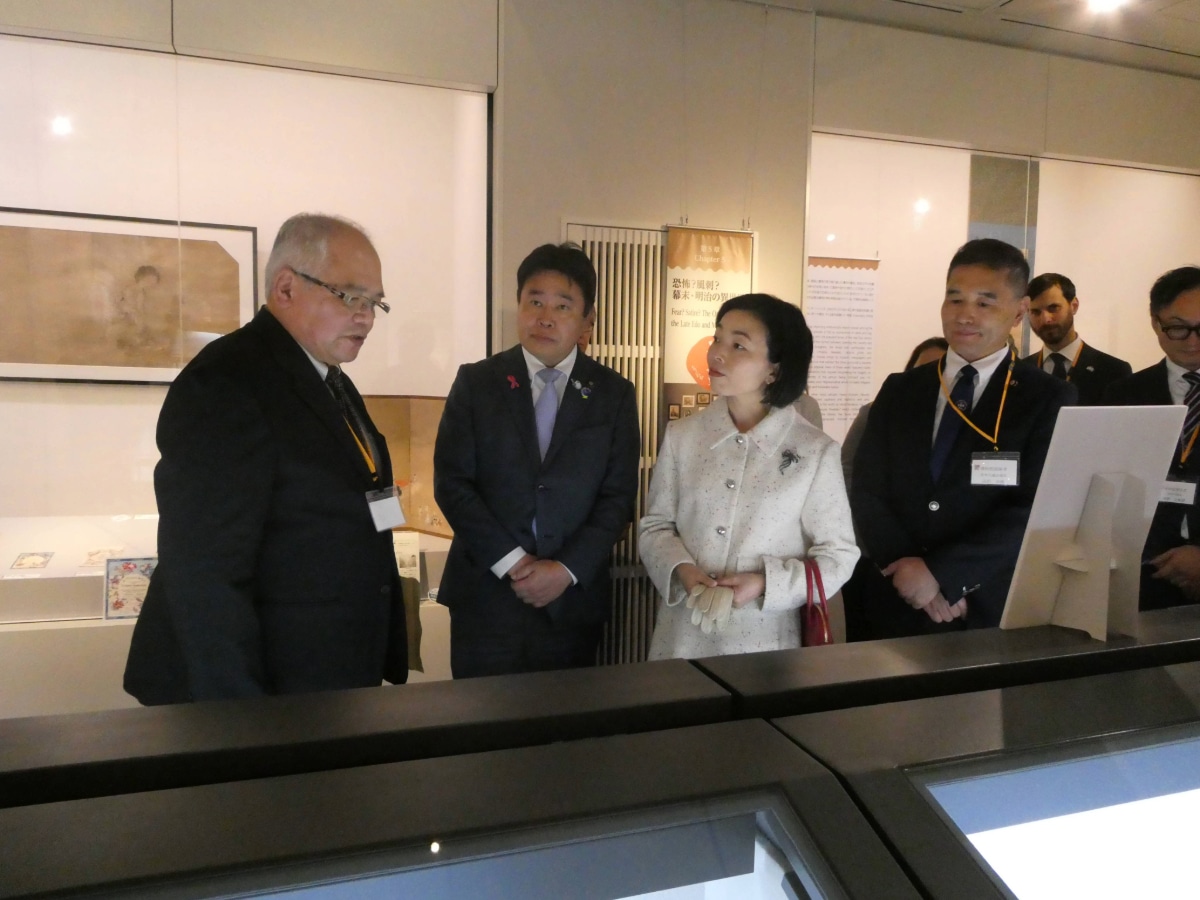
Her Imperial Highness Princess Akiko viewed the special exhibition currently being held at the Atsugi City Museum, titled “Learning about the Late Edo and Meiji Periods through Ernest Satow, F. Beato, Lafcadio Hearn, and Kyōsai.”
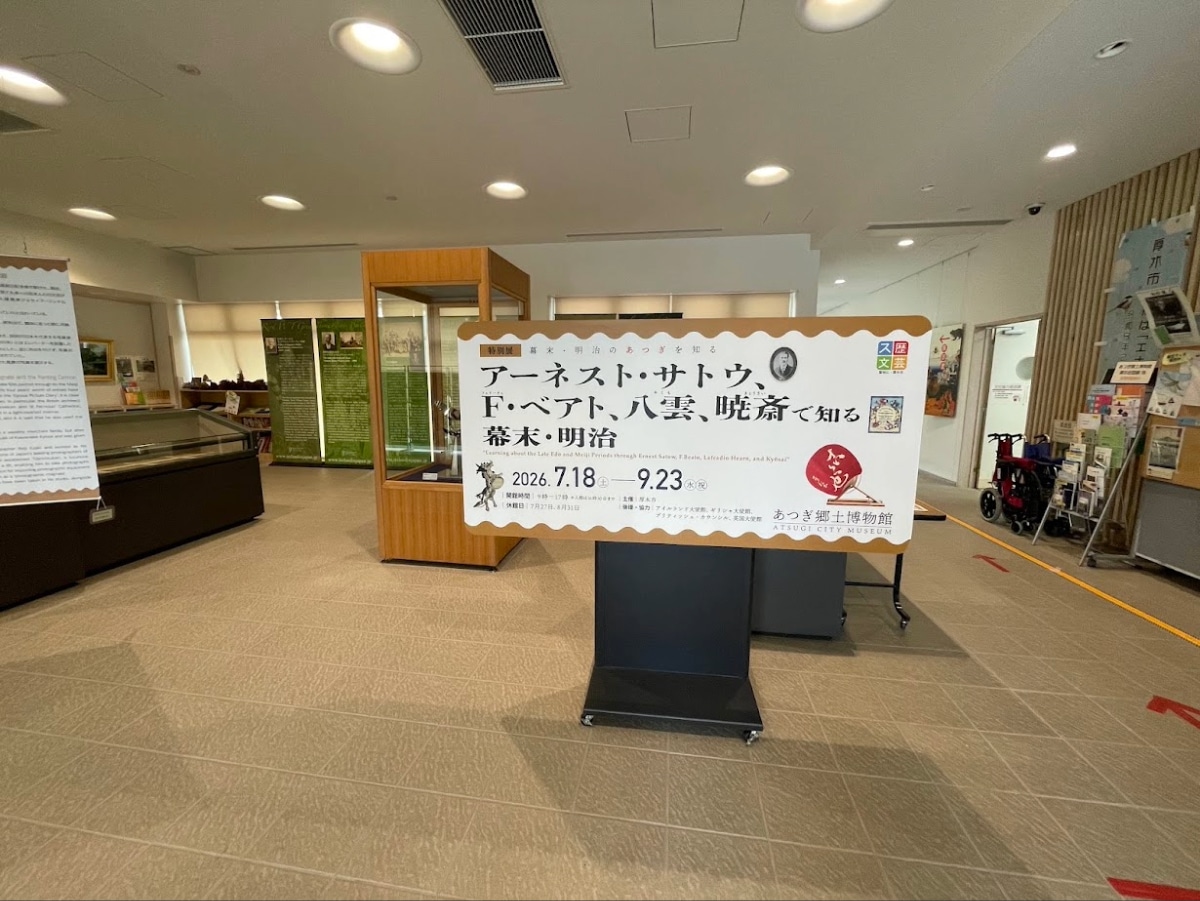
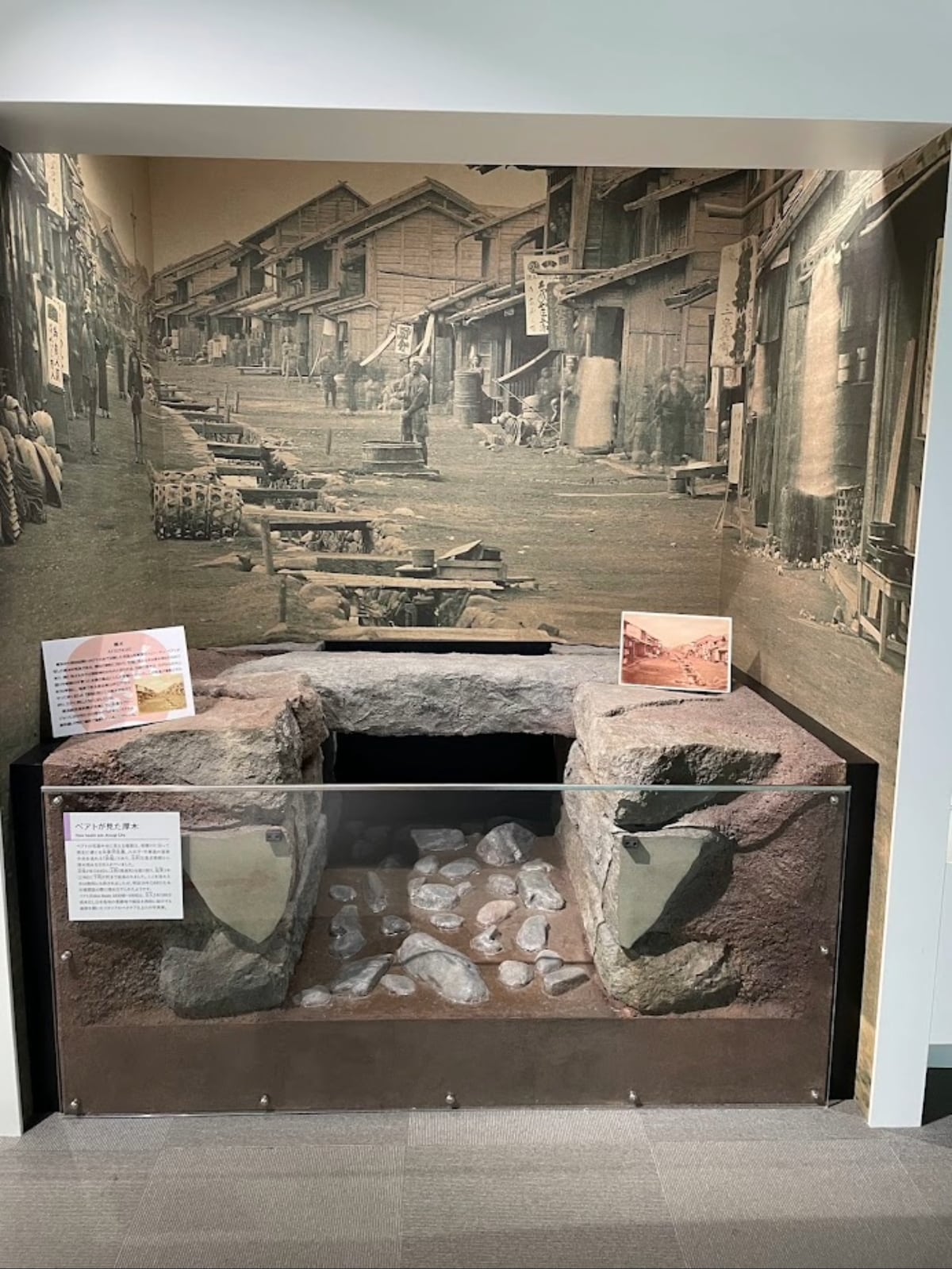
As the title suggests, the exhibition focuses on the connections to Japan held by three diplomats and “o-yatoigaikokujin” (foreigners hired by the Japanese government). It also displays works by the artist Kawanabe Kyōsai—who interacted with such foreigners—and recreates the Japan and its culture as seen through the eyes of foreigners at the time.
Ernest Satow, who served as the first British Minister to Japan, visited Atsugi twice during his tenure. At that time, foreigners were generally prohibited from traveling outside the Yokohama area. Atsugi is said to have been the furthest point from Yokohama that they could reach.
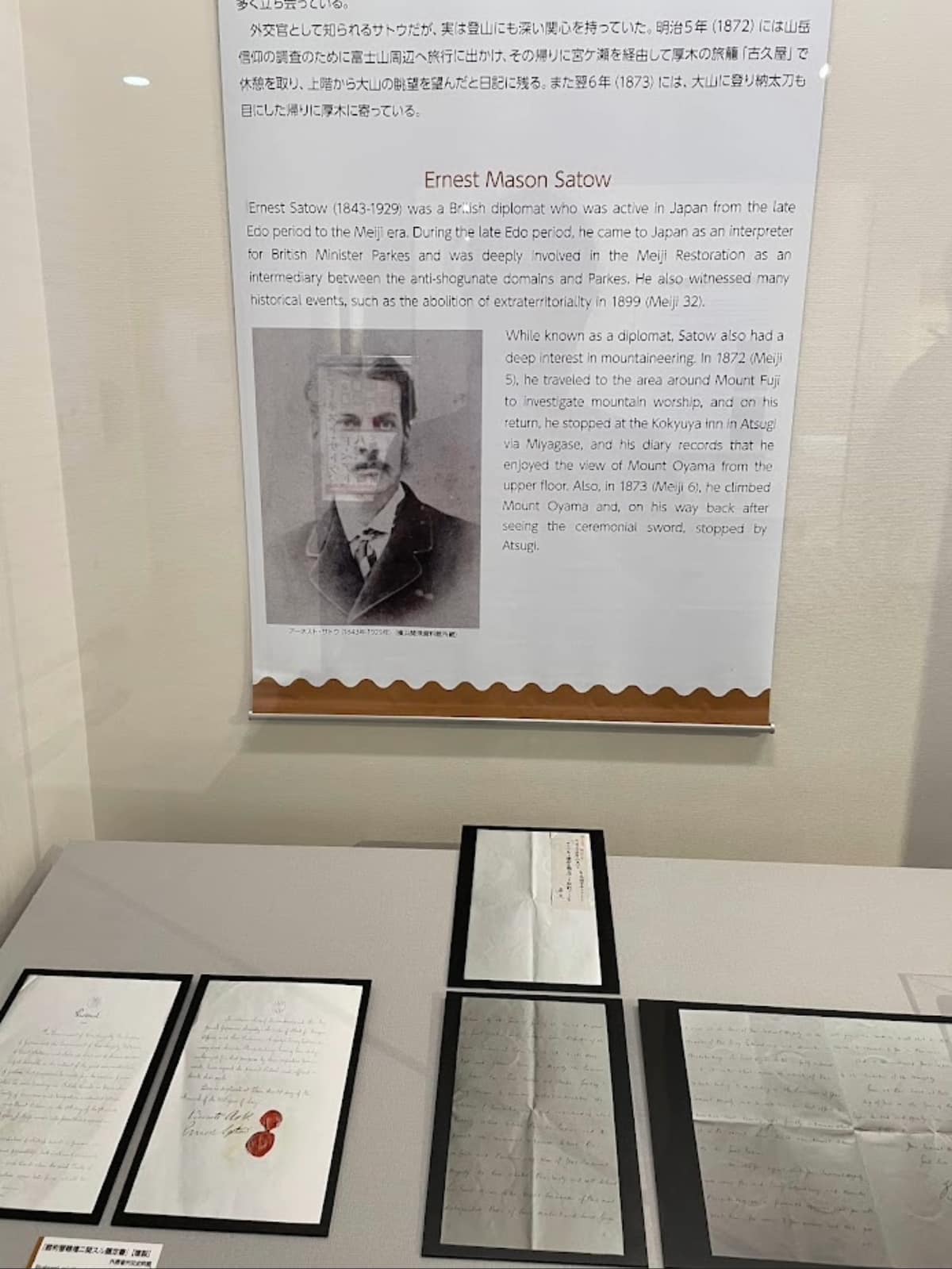
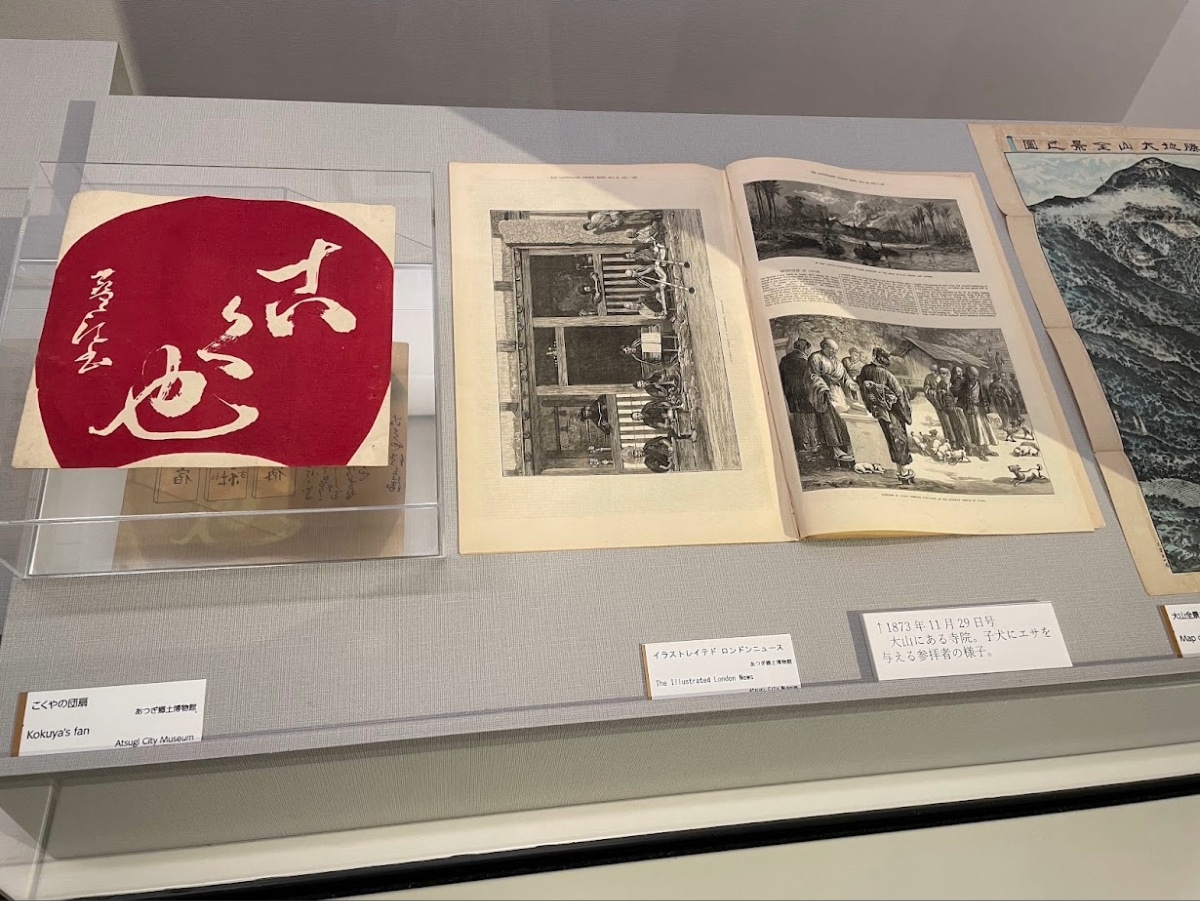
Satow, who was also a mountaineer, visited Mount Ōyama near Atsugi and is said to have stopped to rest at an inn called Kokuya. A “uchiwa” (flat fan) from Kokuya still remains in the Atsugi City Museum’s collection, evoking the atmosphere of that era.
In connection with Satow, it was discovered that a letter of credence bearing Queen Victoria’s signature is preserved at the Diplomatic Archives of the Ministry of Foreign Affairs; this rare document was also put on display for the exhibition.
Princess Akiko, who conducted research on Satow while studying in the UK, gazed at the letter of credence with great interest.
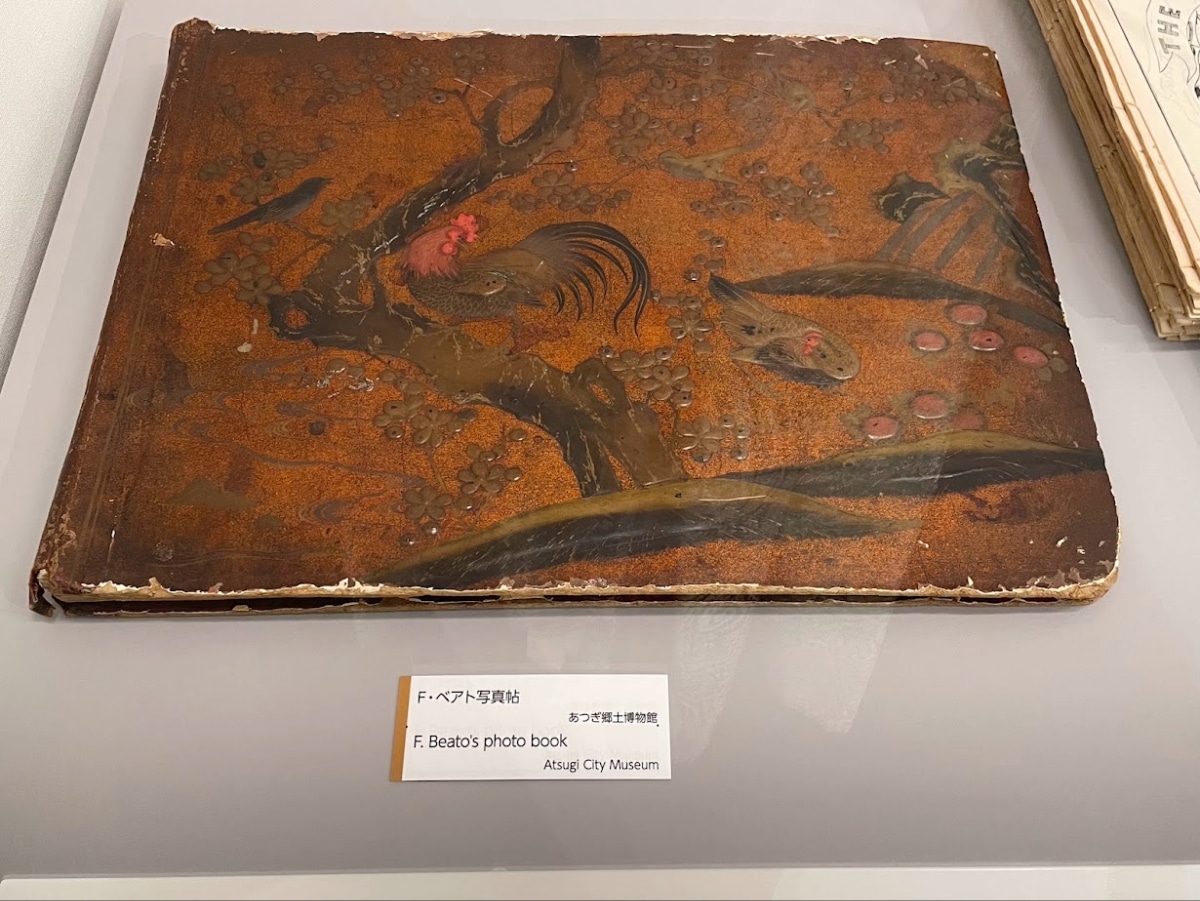
Another section of the exhibition features 19 photographs taken by Felice Beato—an Italian-born British photographer who lived in Greece for many years and nominated as the first Honourary Greek Consul General in Japan—depicting scenes associated with Atsugi City and Kanagawa Prefecture. Also on display is a diplomatic document in Greek, dated April 10, 1872, from Alexandros Rizos-Raghavis—the Greek ambassador to France at the time—to the Greek Ministry of Foreign Affairs. In it, he recommended Felice Beato for the position of Greek Consul in Yokohama and proposed the future conclusion of a trade treaty between Greece and Japan.
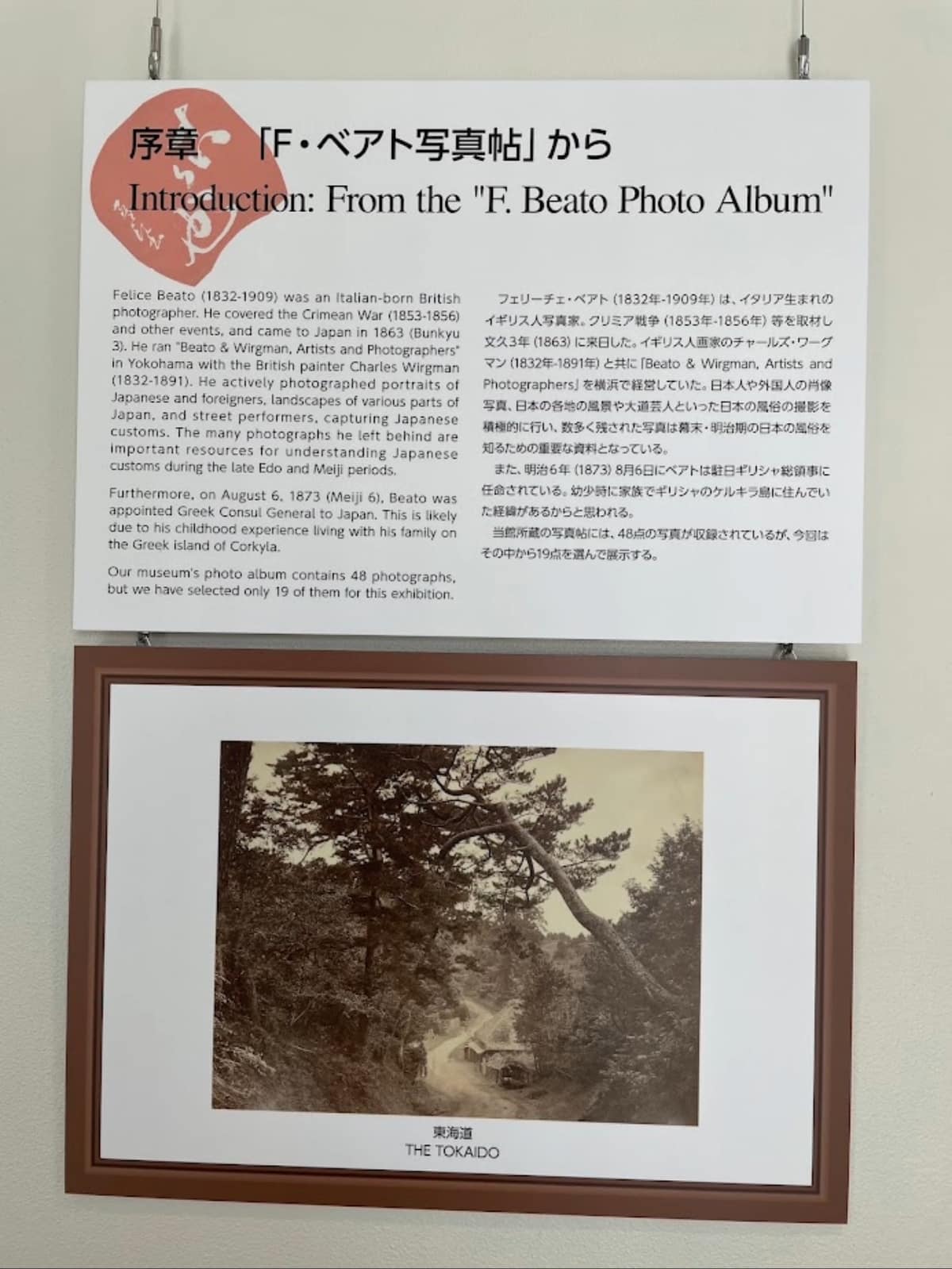
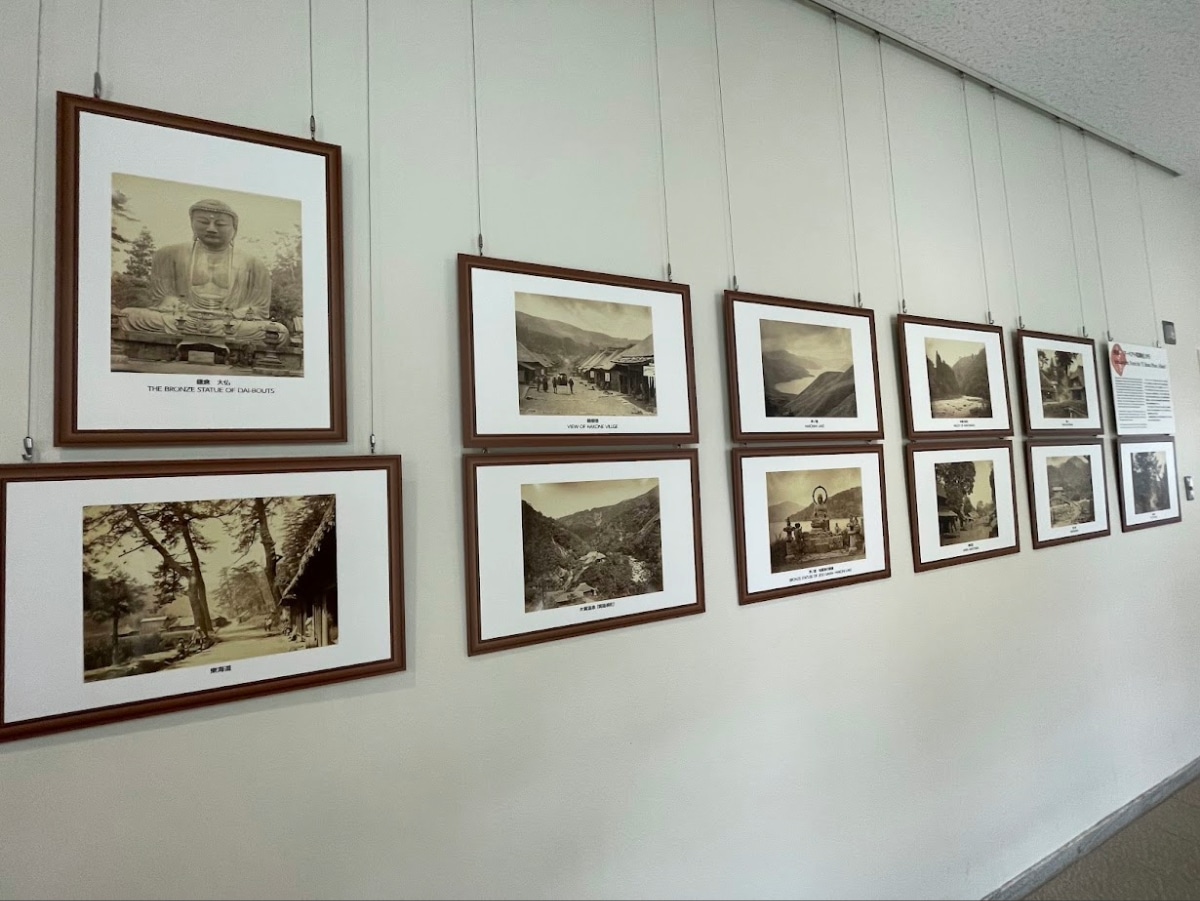
In this letter, Beato’s name was misspelled as “Beatos,” leaving Greek officials unsure of his true identity. However, during the exhibition’s curation process, H.E. Olga Kliamaki, the Ambassador of the Hellenic Republic to Japan, read the original Greek text; this, combined with the museum’s own research findings, confirmed beyond doubt that the individual in question was indeed Felice Beato. It has also come to light that he played a pivotal role in paving the way for the trade treaty eventually signed between Greece and Japan some twenty years later. Thus, the process of creating the exhibition itself became an unfolding of history, linking the modern narratives of Greece and Japan.
The exhibition also features rare private images of the Greek-born writer Lafcadio Hearn (Koizumi Yakumo)—photos that remain in the possession of the Koizumi family to this day. Among them are snapshots of Hearn’s three sons playing at their large home in Tokyo. Although the boys are dressed in Japanese kimonos, the striking, radiant blond hair revealing their Irish and Greek heritage leaves a lasting impression.
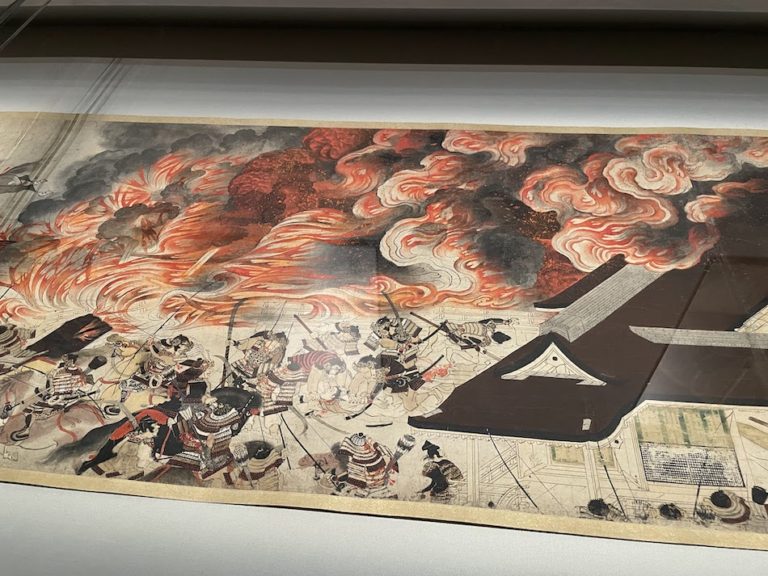
Many works by Kawanabe Kyōsai, an artist who remains immensely popular today, are also on display. The exhibit includes stationery and *chiyogami* (patterned paper) featuring designs so excellent they could be sold even now, as well as numerous original paintings and “sekiga” (impromptu sketches)—works likely created while the artist was consuming large quantities of alcohol. However, the truly rare highlight is likely the “furosaki-byōbu” (low folding screen used near the bath or tea area) being exhibited for the first time. Its front side depicts a scene of people enjoying the cool evening air along the Kamo River—a quintessential summer sight—while the reverse side portrays the “Ubume” (a legendary female spirit who died in childbirth). It is extremely rare to find a work by Kyōsai that juxtaposes such a gruesome figure with an idyllic summer scene, creating a composition that seems to embody a moral fable. Thanks to the cooperation of two collectors, both sides of this screen are being displayed simultaneously for this exhibition.
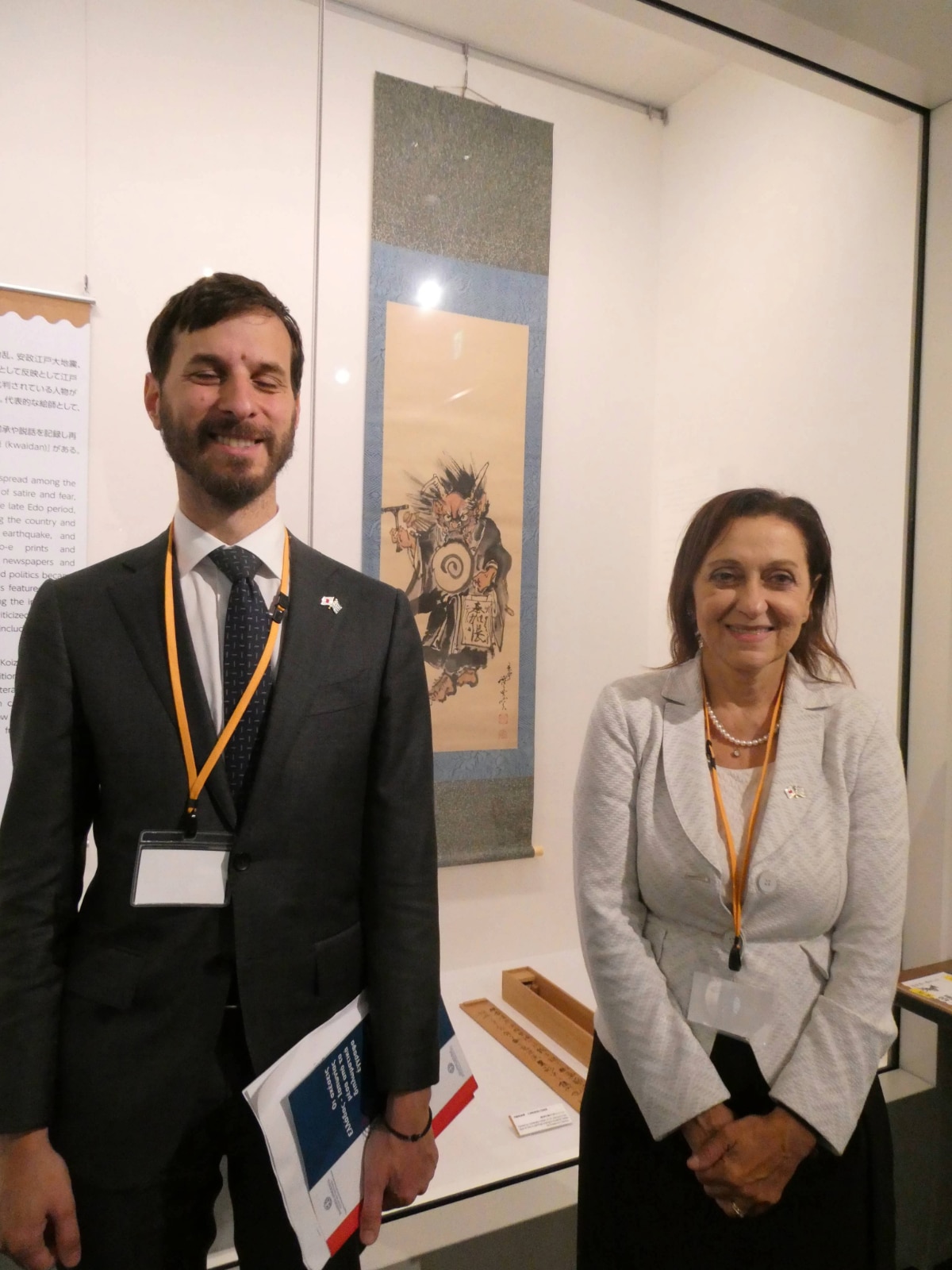
Her Imperial Highness Princess Akiko conducted research on Japanese art that had left the country during her studies in the UK and currently teaches at a university in Japan. She viewed this unique exhibition at a leisurely pace and listened intently to the explanations provided by one of the collectors, who is also a researcher of Kyōsai’s work.
This special exhibition, “Learning about the Late Edo and Meiji Periods through Ernest Satow, F. Beato, Lafcadio Hearn, and Kyōsai,” is on display at the Atsugi City Museum of Local History until September 23.
Read also,
- Princess Aiko Attends Laos Festival 2026 in Tokyo; Event Marks 14th Festival Since 2007
- Lao Embassy in Japan Holds “LAO FASHION AND CULTURE FESTIVAL”: Modern Designs of Traditional Laotian Textiles for the 70th Anniversary of Japan–Laos Diplomatic Relations
- Greek Embassy Holds National Day Reception | Celebrating Independence Day, World-Renowned Greek Diva Sings the National Anthem
- Stories from an Island City: Expressing “Co-Imagine, Co-Create, Co-Evolve” Through Music
- Belgium and Japan Mark 160 Years of Friendship at Embassy Reception in Tokyo