A Modern Renaissance: Exhibition and Dinner at the Italian Ambassador’s Residence Marking the Solfagnano Charter – “Nothing About Us, Without Us”
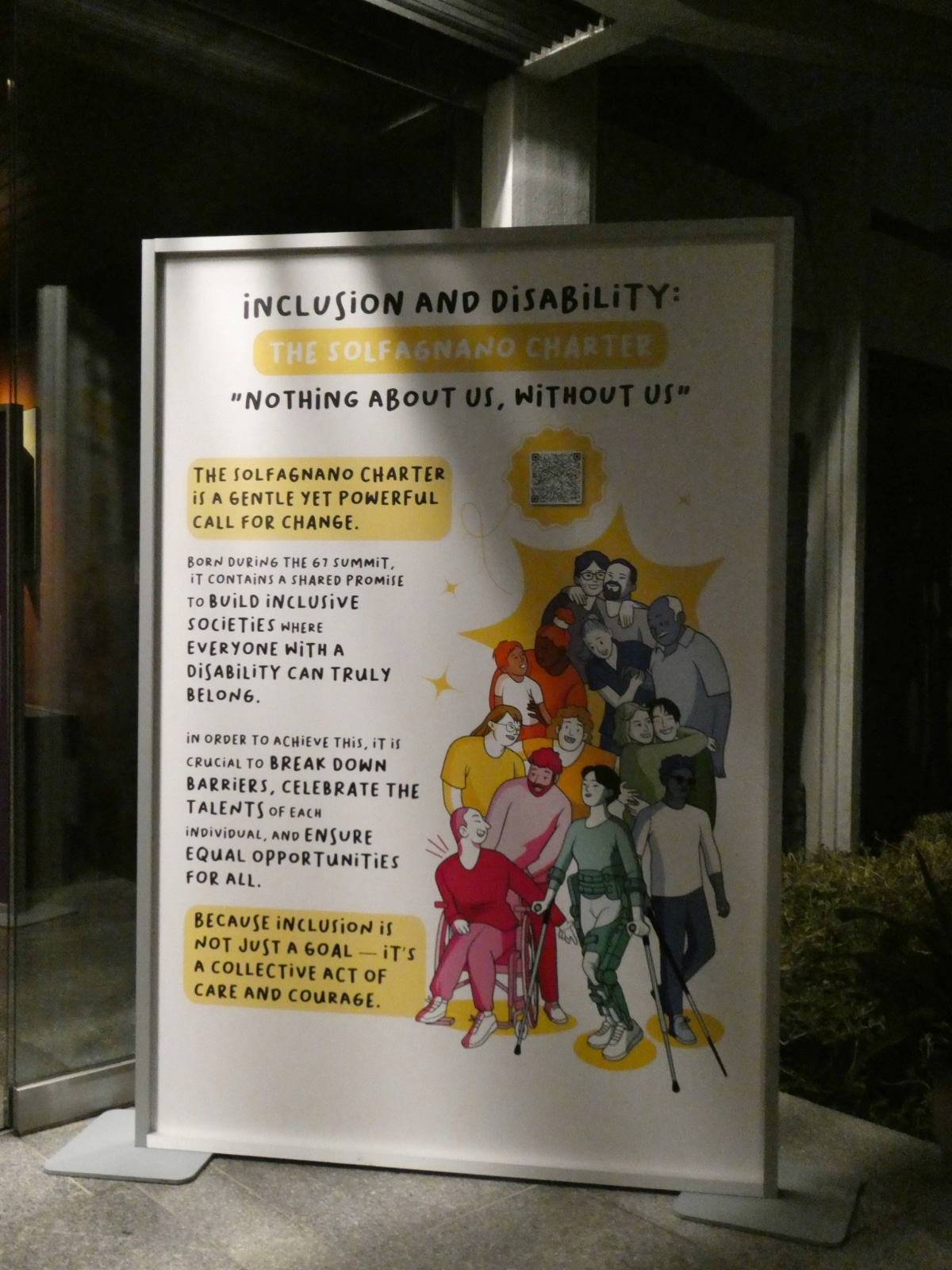
On October 15–16, 2024, a G7 meeting was held in Solfagnano, Italy. During this gathering, the G7 nations reaffirmed their unwavering commitment to ensuring that every individual—regardless of ability—enjoys the right to full and effective participation and inclusion in all aspects of civic, social, economic, cultural, and political life. This commitment was formalized as the “Solfagnano Charter,” which serves to further solidify and uphold the rights of persons with disabilities.
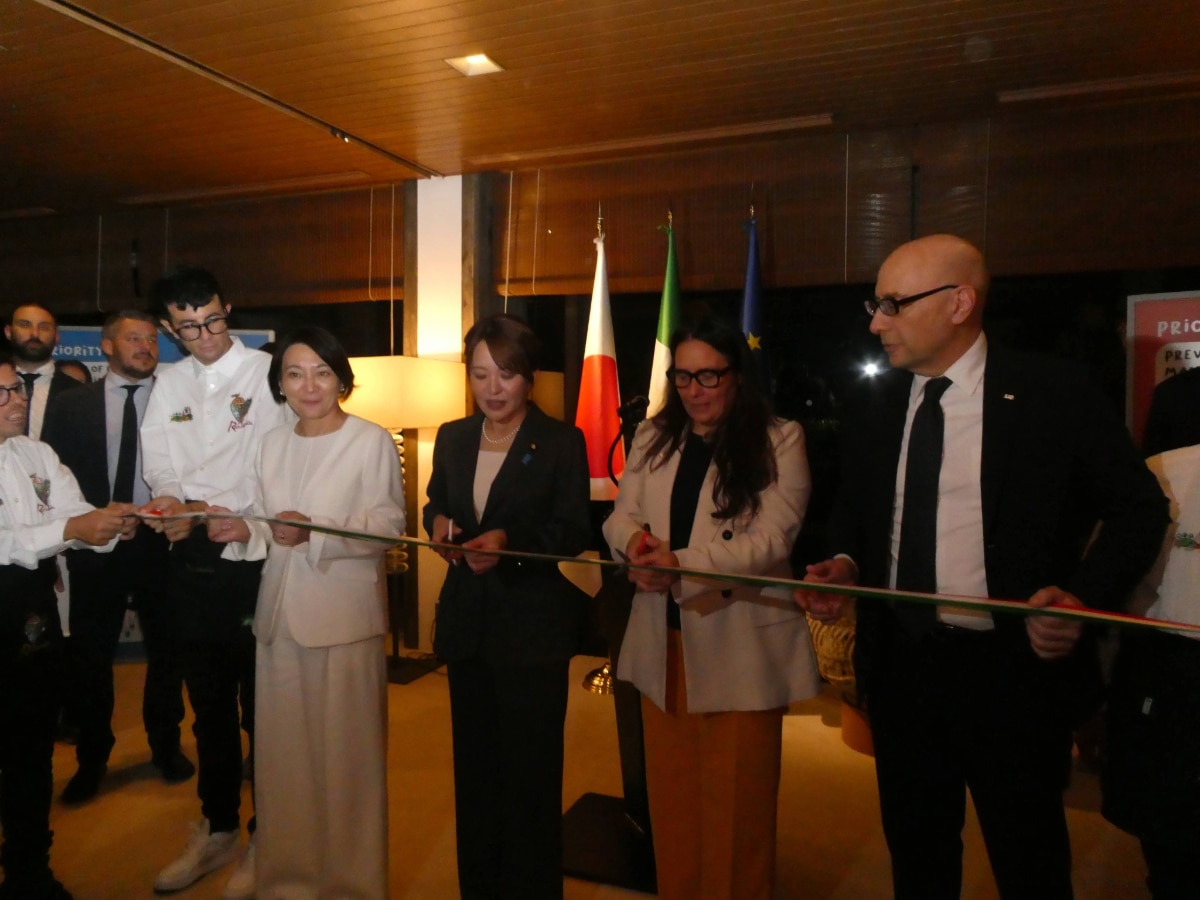
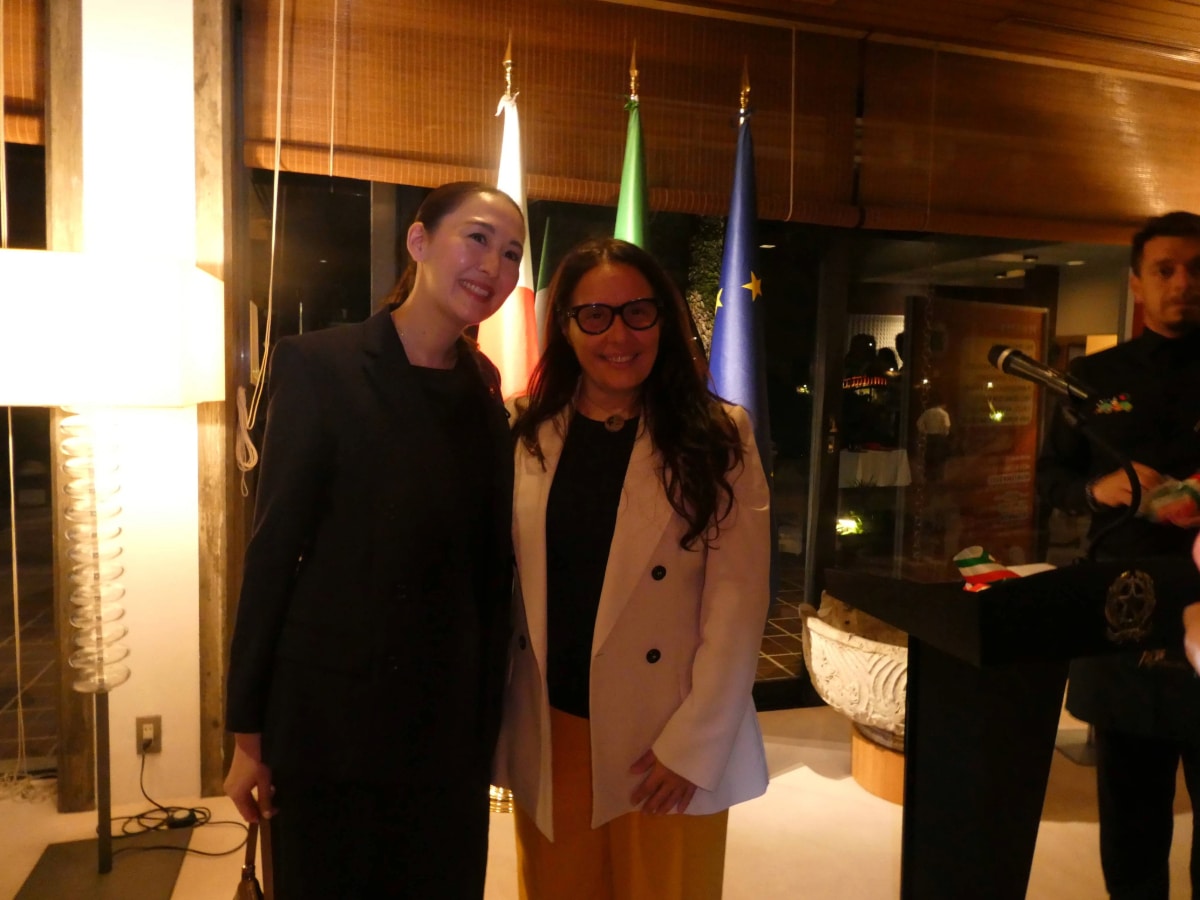
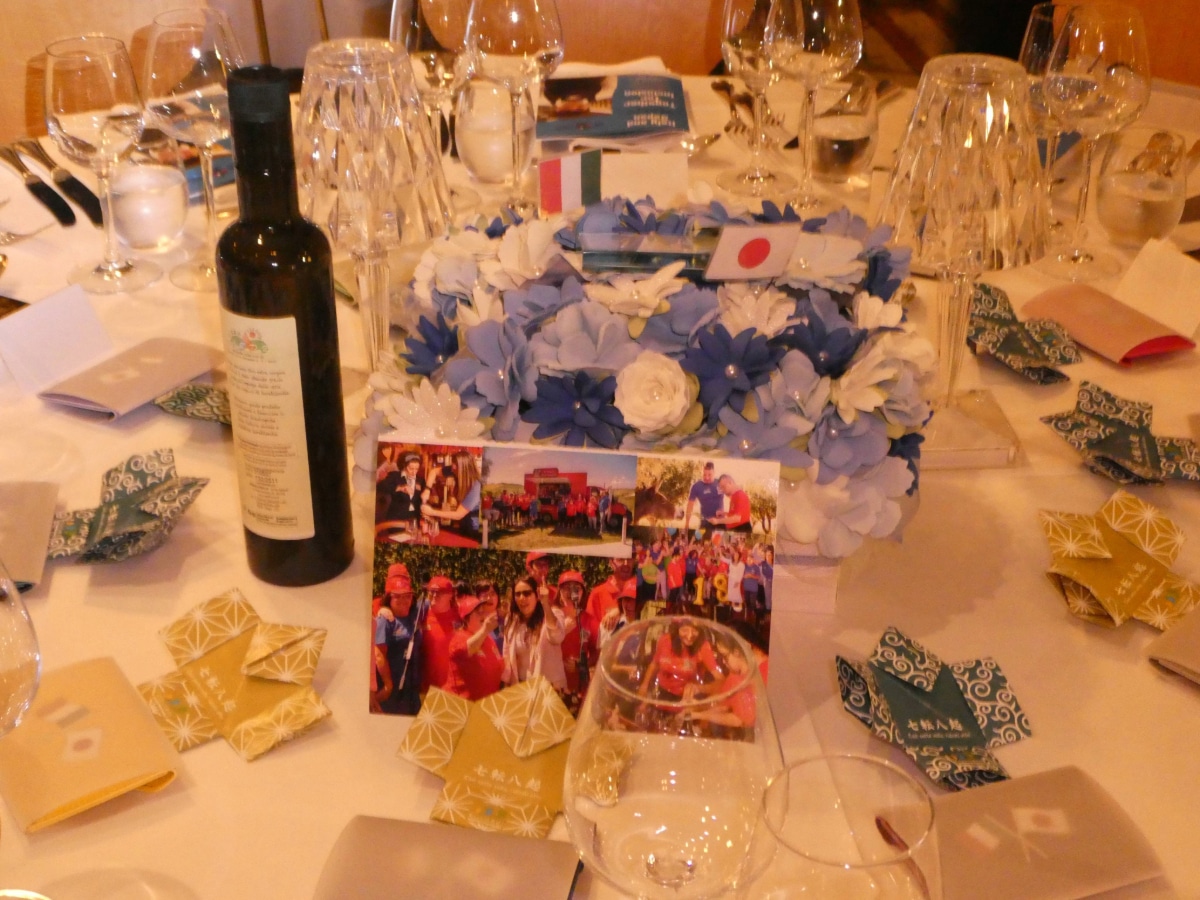
In conjunction with the visit to Japan by the Honorable Alessandra Locatelli, Italy’s Minister for Disabilities—who spearheaded the Solfagnano Charter—and as part of the 160th anniversary of Italy-Japan relations, Minister Locatelli and the Italian Ambassador to Japan, H.E. Mr. Mario Andrea Vattani, hosted an exhibition and dinner titled “160 Years of Shared History Between Italy and Japan: Building an Inclusive Society Together.”

Opening the event, Minister Locatelli remarked, “This serves as a valuable opportunity to share experiences and best practices, to promote a common vision of inclusion—a cornerstone of social development—and to begin experimenting with new perspectives on disability.”
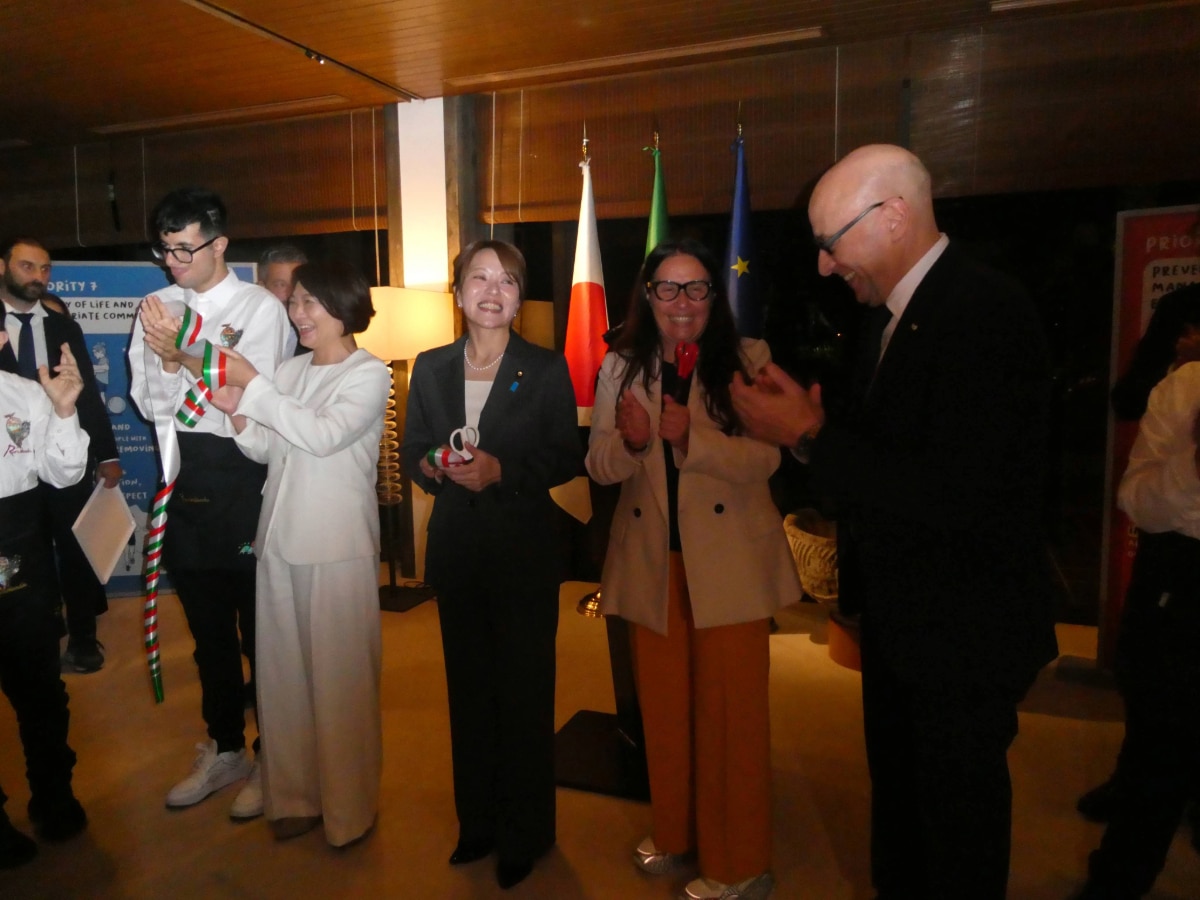
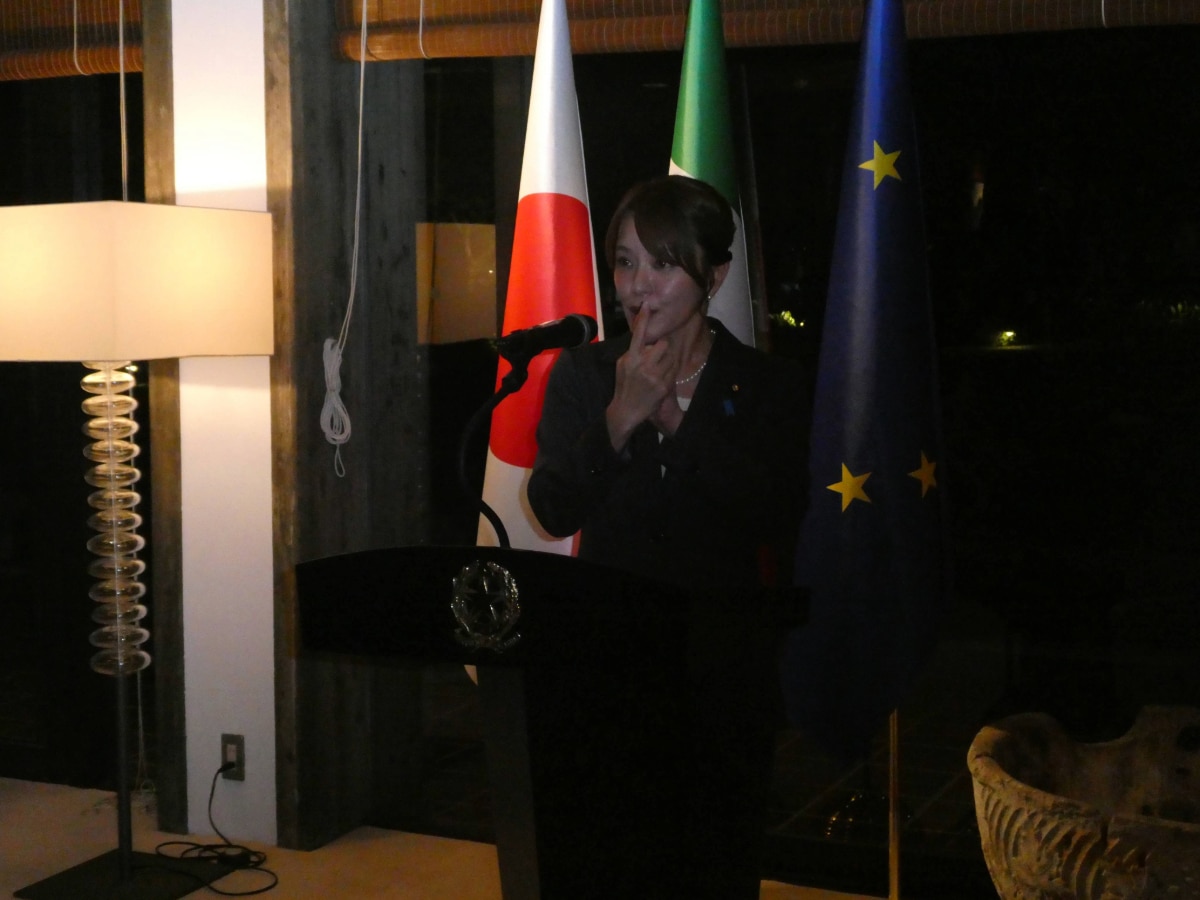
Honorable Eriko Imai, State Minister of the Cabinet Office, attended on behalf of Japan and delivered her speech using both spoken language and sign language. Her eldest son is also hearing-impaired, and the family uses sign language for communication at home. State Minister Imai remarked, “Through the Solfagnano Charter, I celebrate the 160 years of friendship between Italy and Japan. A future can be shaped starting from a single voice—and I will ensure that such voices are carried forward.”
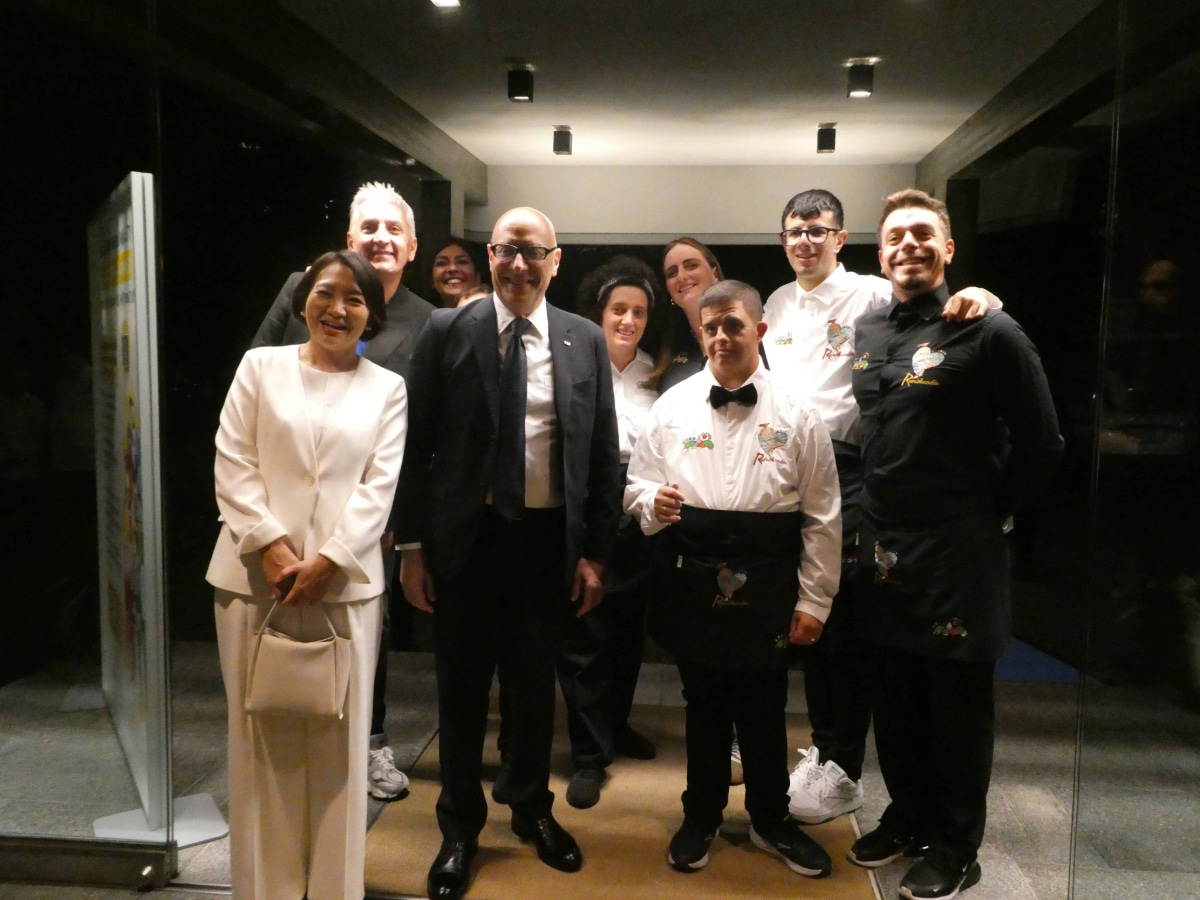
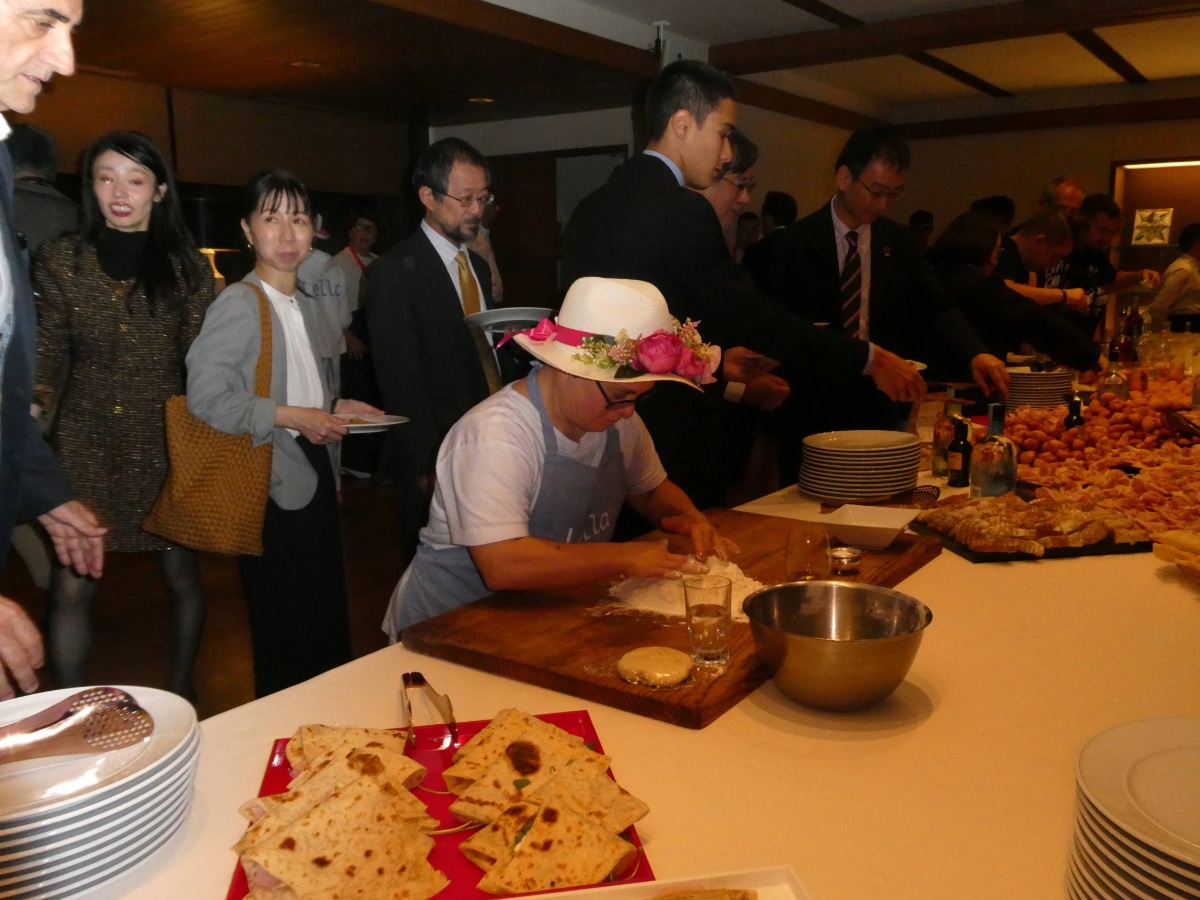
The event brought together 12 organizations from across Italy dedicated to promoting employment for people with disabilities, with many individuals—including those with Down syndrome and other intellectual disabilities—traveling from Italy to Japan. The number of people with disabilities who are employed is steadily increasing. At this event, staff members with disabilities handled tasks such as serving food and performing in a band with remarkable ease. The band’s performance was particularly impressive. They showcased an astonishingly broad repertoire, including English-language songs well-known to the Japanese audience. Furthermore, the band members appeared to be having a wonderful time playing and dancing to the music. It served as a powerful reminder of the importance of embracing life—through work, play, and enjoyment—regardless of whether or not one has a disability.
When re-examining the significance of the Solfagnano Charter—proposed during the 2024 G7 meetings—our attention should once again be drawn to the concept of “inclusion.” Inclusion is, at its core, a philosophy that welcomes those often marginalized by society back into the fold, enabling them to live as integral members of the community.
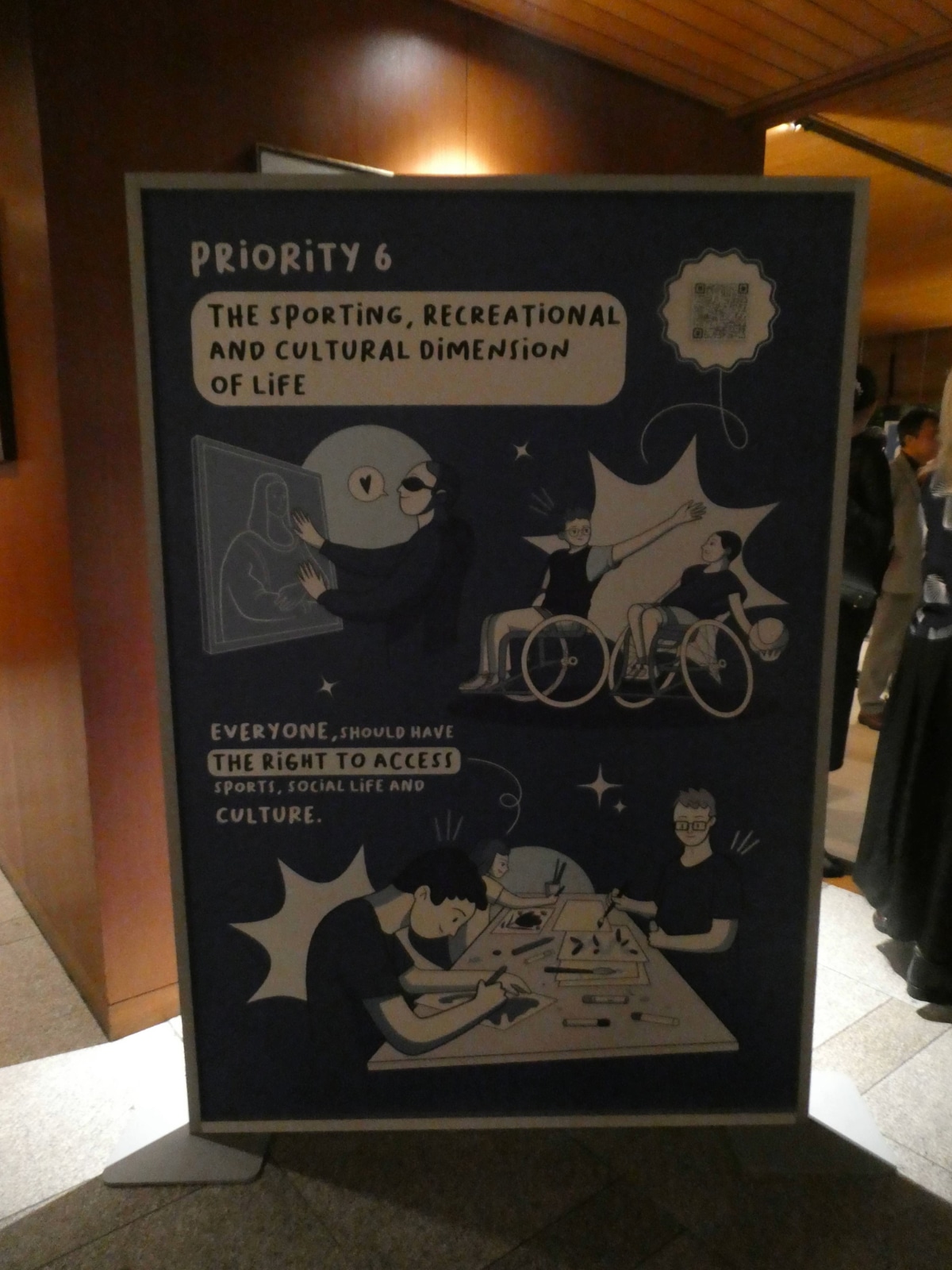
How we perceive individuals with disabilities—whether we view them through the lens of their “disability” or as possessing unique, individual traits—fundamentally changes the situation. Depending on this perspective, our vision can shift toward how to best harness an individual’s capabilities. Such a shift, in turn, has the potential to transform society itself. Minister Locatelli remarked that this serves as a renewed reminder of the vital importance of investing in people. It reaffirms that providing equal opportunities to everyone—thereby allowing individuals to leverage their unique qualities and contribute value—is of profound importance to society.
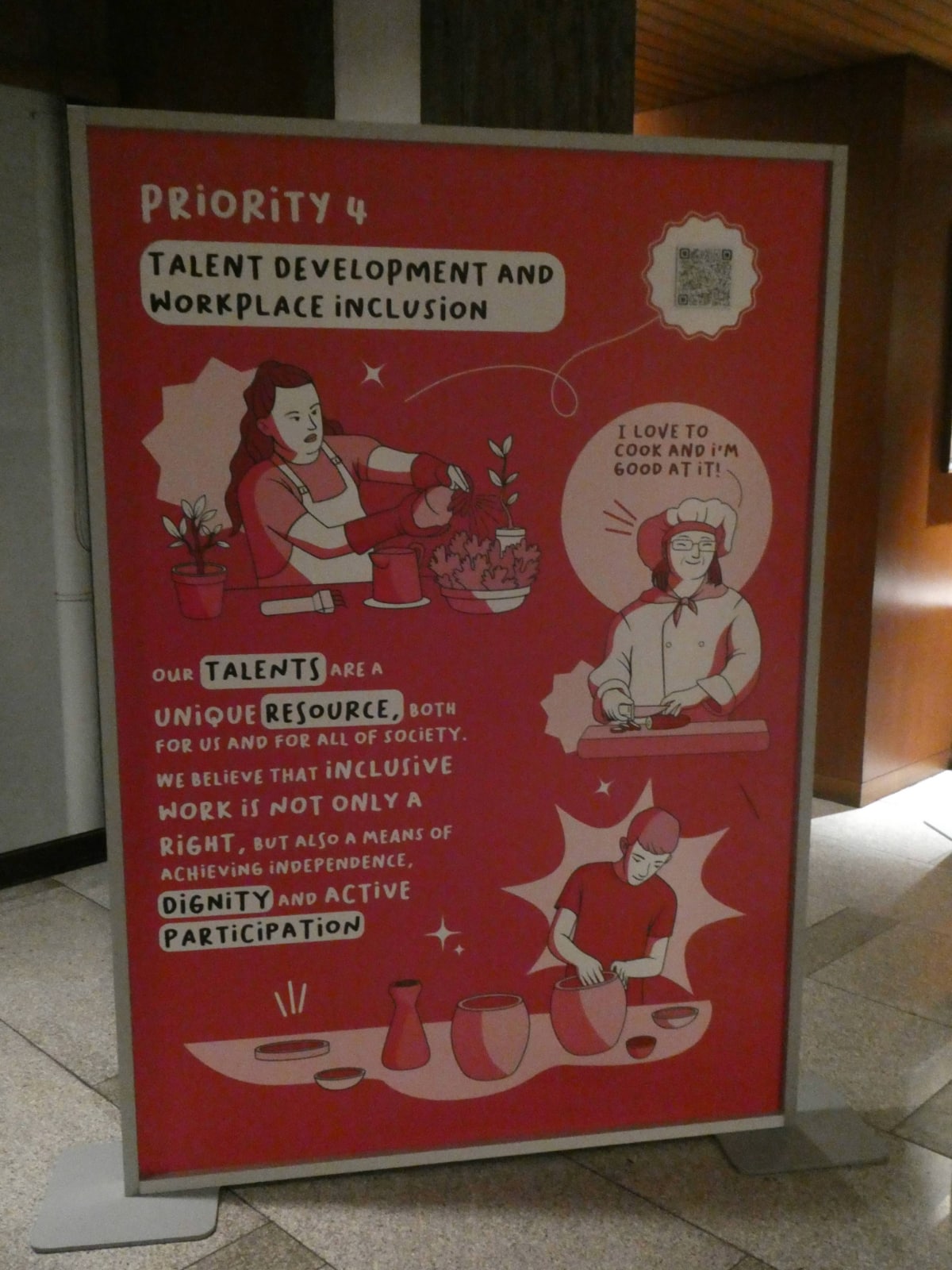
The event underscored a crucial truth: by respecting one another’s human rights and valuing individual character, we can ensure that everyone has equal access to opportunities, empowering them to fully realize their inherent potential.
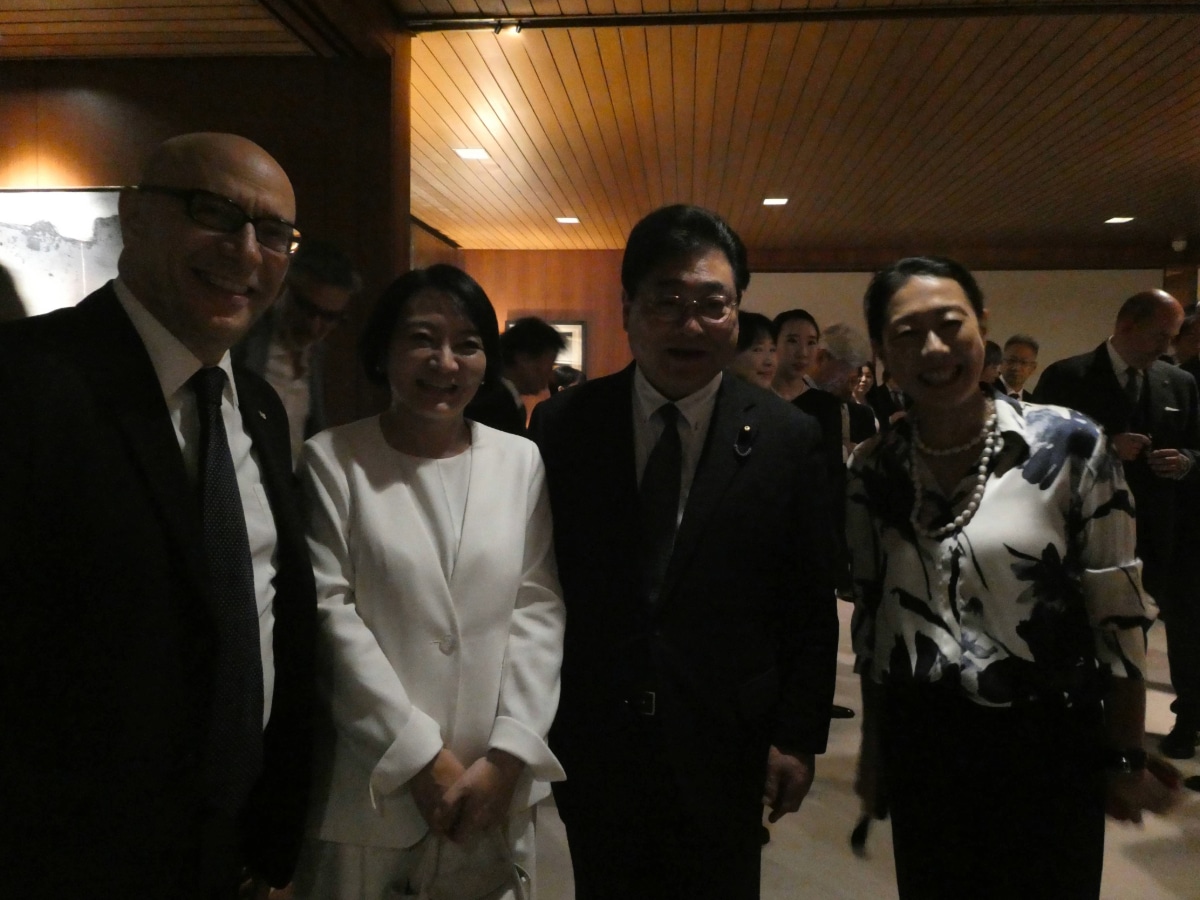
Ambassador Vattani emphasized that “raising awareness of the talents that flourish when we embrace inclusion and affirm the dignity of every human being is a task of critical importance. I hope to further strengthen the cooperation between Japan and Italy in this area.”
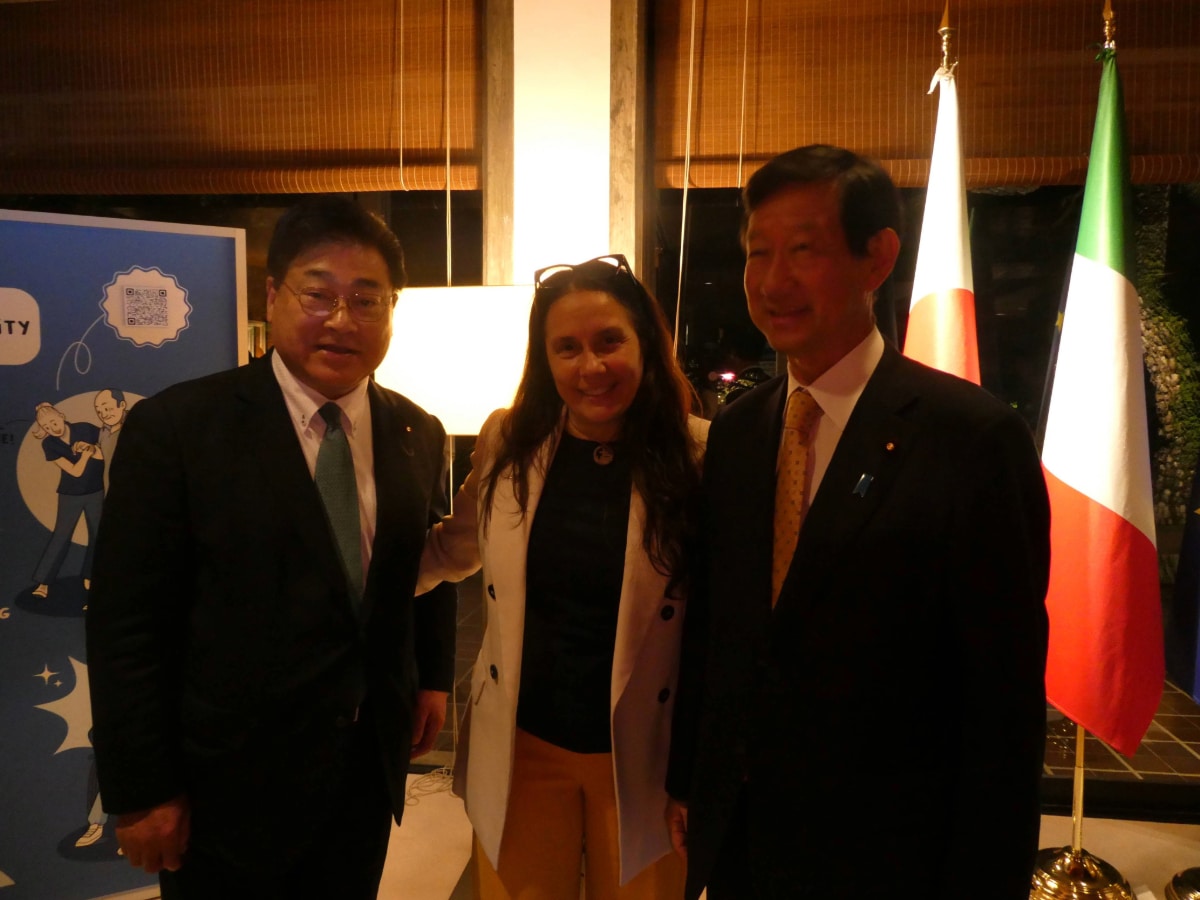
Italy—a nation that gave birth to the Renaissance and rediscovered the splendor of humanity during the Middle Ages—is once again turning its focus toward the inherent greatness of human beings in the 21st century. It is a timely reminder that we must look beyond the category of “disability” and instead focus on the unique character and capabilities of each individual.
Read also,
- Special Exhibition Commemorating 160th Anniversary of the Establishment of Diplomatic Relations between Japan and Italy and the 550th Anniversary of Simonetta’s Death: “La Bella Simonetta Depicted in the Literary Works of Italy and Japan”
- Embassy of Italy in Japan and Yamaha Music Japan Sign Partnership Agreement to Foster Cultural Exchange
- Reliving the Magic of the Osaka Expo: Andrea Molteni Performs at the Italian Ambassador’s Residence
- Advice for a positive life by Arrour Utako
- The Life and Times of the legendary Mrs. Fathia Bettahar