Rembrandt the Etcher: His Challenges and His Impact – Organized jointly with The Rembrandt House Museum (Netherlands) and held at The National Museum of Western Art, Tokyo.
Born in Leiden, the Netherlands, in 1606, Rembrandt was a preeminent master of 17th-century Baroque painting, widely known for monumental works such as *The Night Watch* (housed in the Rijksmuseum). Yet, he was not merely a master painter; he also engaged in a wide range of experiments in printmaking.
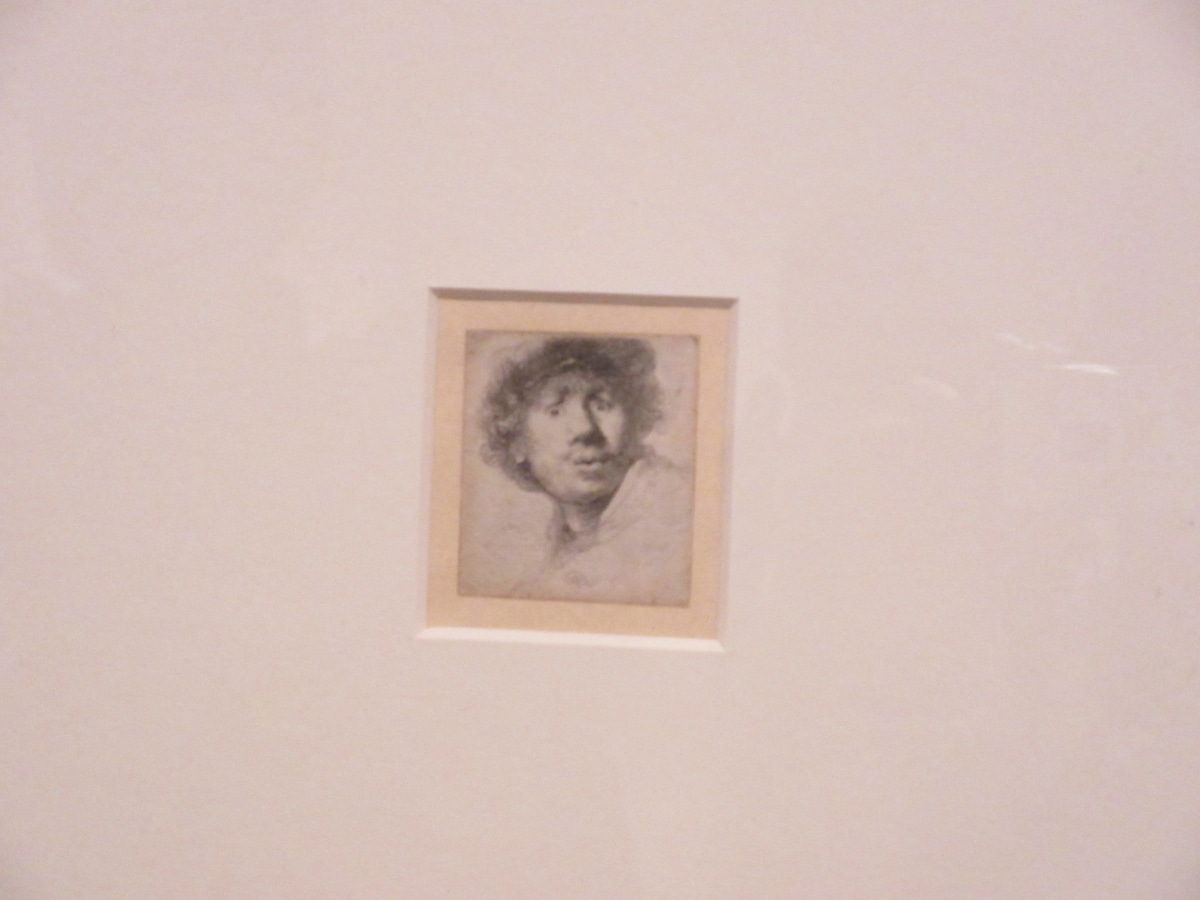
This exhibition is curated to highlight the various challenges Rembrandt undertook in printmaking and to demonstrate how those endeavors were passed down to future generations, leaving a lasting impact on the art world across eras.
One key aspect of this is his approach to etching. The 17th-century Netherlands marked a dramatic, historic turning point in printmaking techniques. Prior to this, etching was dominated by straight lines; while orderly, the resulting imagery tended to be somewhat monotonous. Rembrandt, however, embraced a technique involving the chemical corrosion of metal plates to create his matrices. This departure from tradition granted artists greater freedom of expression and sparked a movement exploring these new possibilities. Rembrandt participated in this shift, eventually becoming a pioneer and driving force who unlocked new potential within the medium.
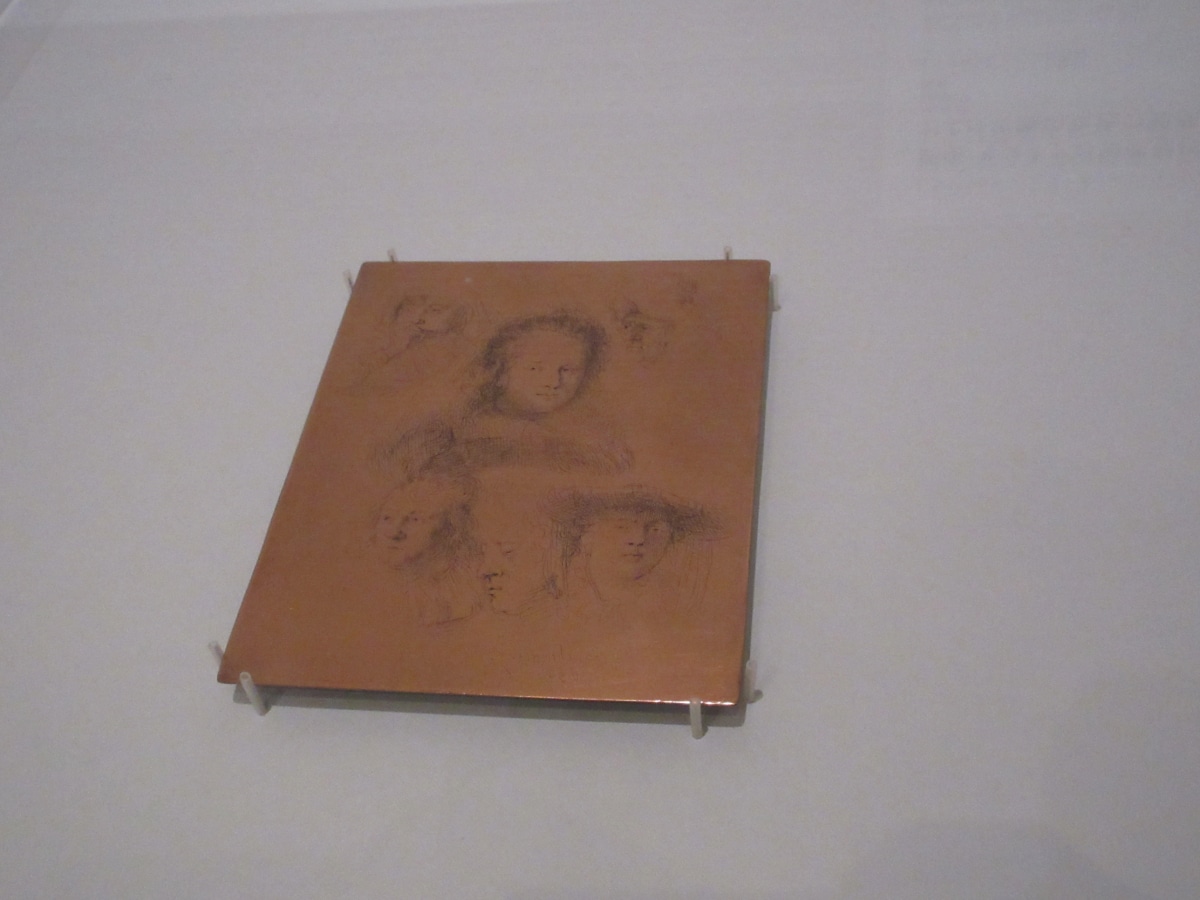
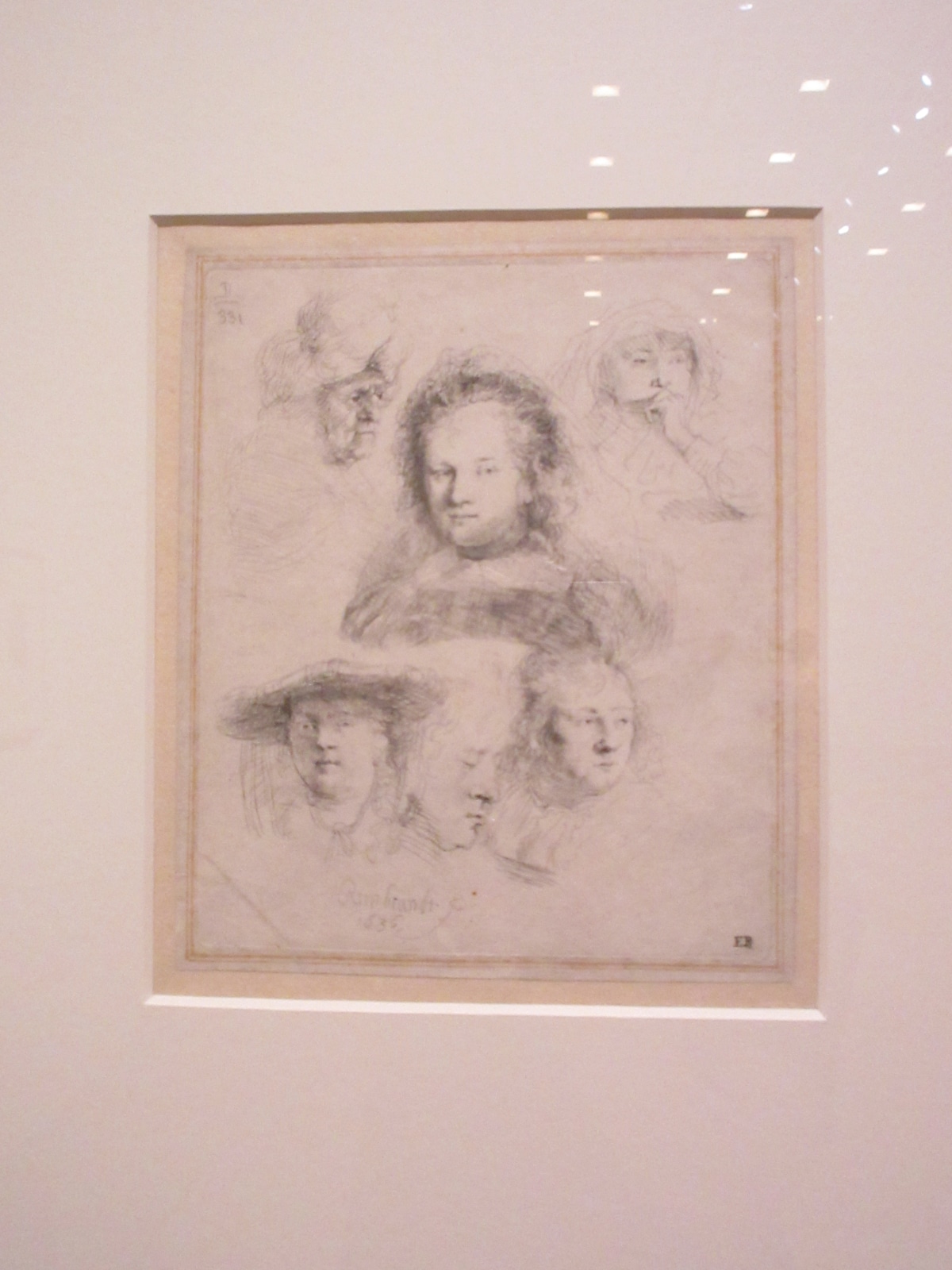
Rembrandt’s ambitious creative approach transformed the nature of etching, exerting a profound influence on both his contemporaries and artists of later generations.
Based on the number of surviving plates, Rembrandt is said to have created 314 etchings over his lifetime—an exceptionally high output for the era. In the Netherlands of his time, most artists who engaged in etching produced only a handful of works during their careers. From this perspective, one can appreciate the extent to which Rembrandt revolutionized printmaking and served as a pioneer in the field.
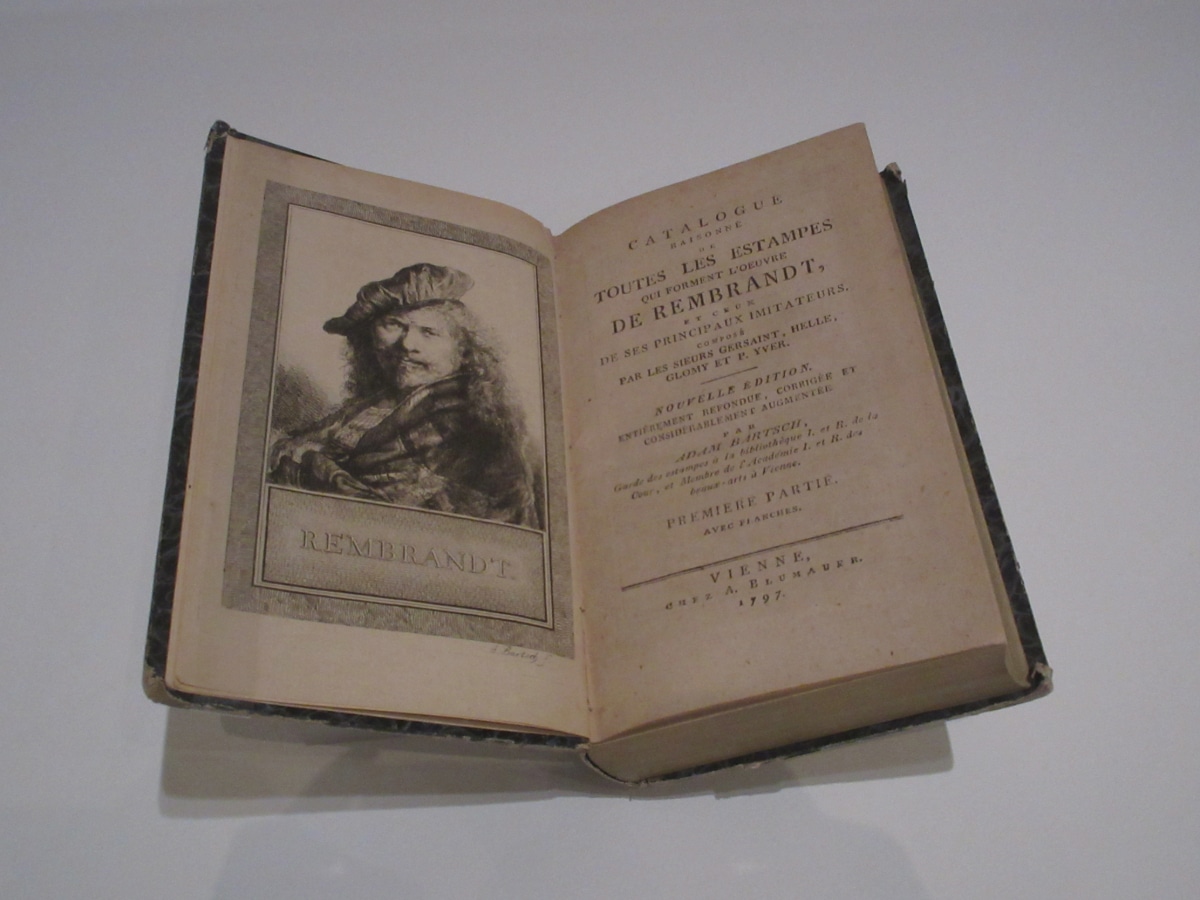
The exhibition is structured into three chapters. The first, titled “Rembrandt: The Challenge of Printmaking,” focuses on his work in this medium. It is further divided into five sections—1.1 Portraits and Studies of Heads, 1.2 Social Outcasts and Common People, 1.3 Religious Themes, 1.4 Sketches on Copper Plates, and 1.5 Landscapes—offering a clear view of the subjects that engaged him.
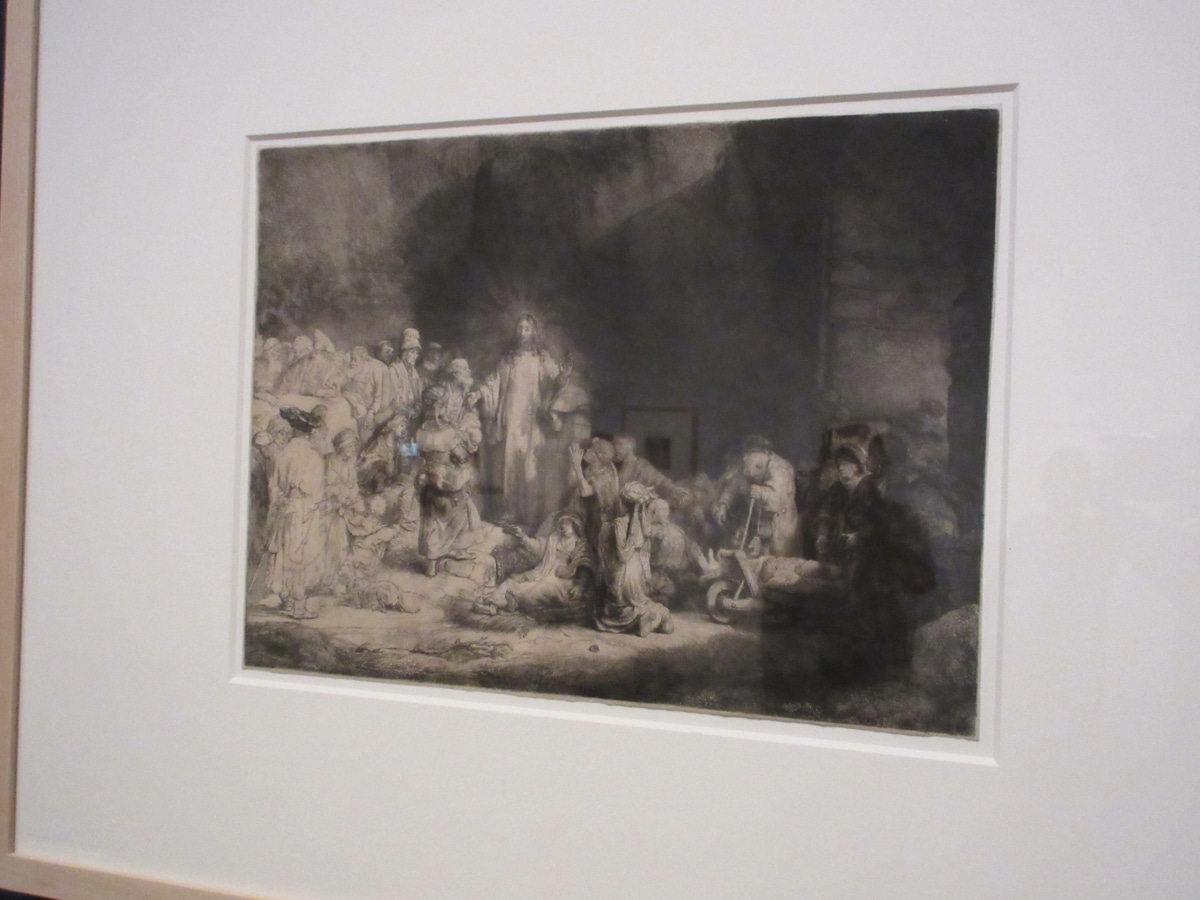
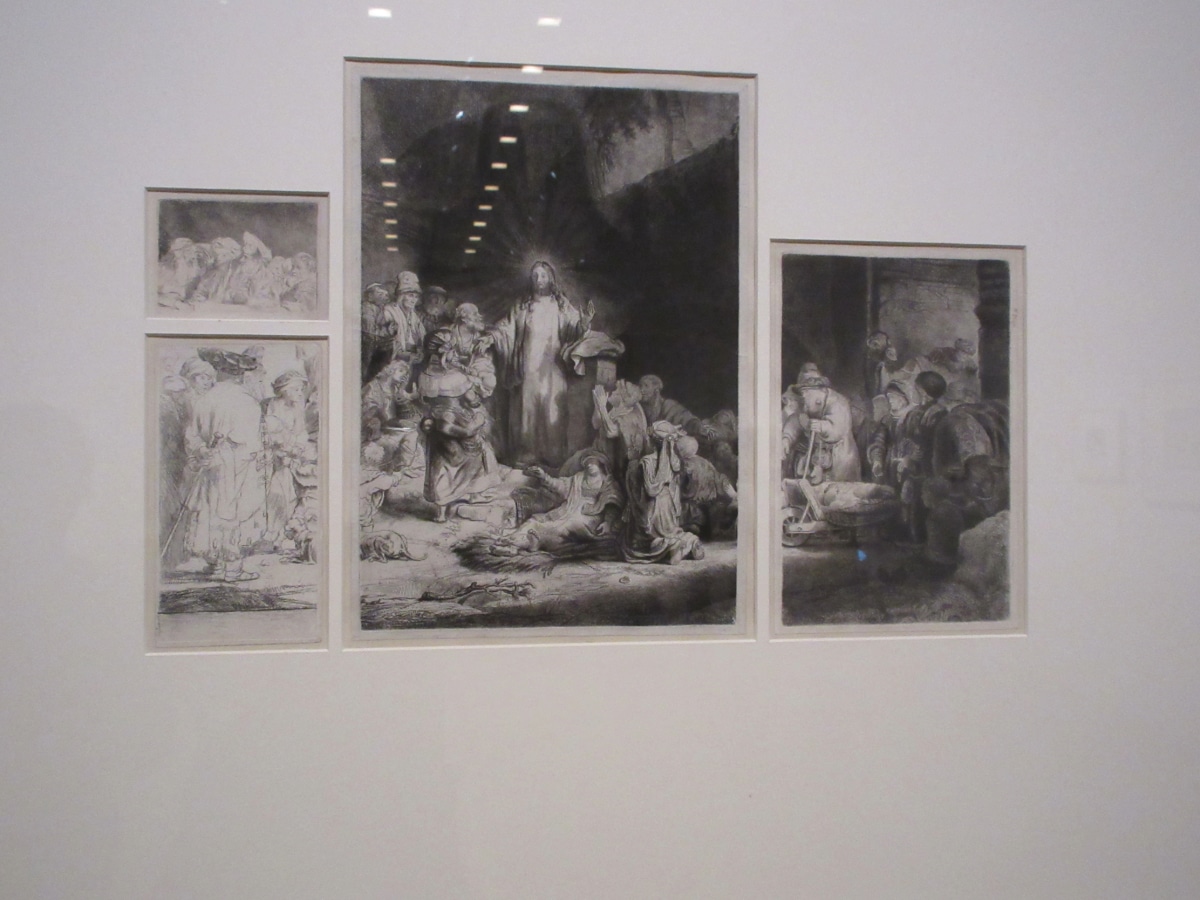
The second and third chapters examin the influence Rembrandt had on artists of his own time and those of later generations. This art-historical lineage is extensive, spanning from Rembrandt’s era right up to the present day.
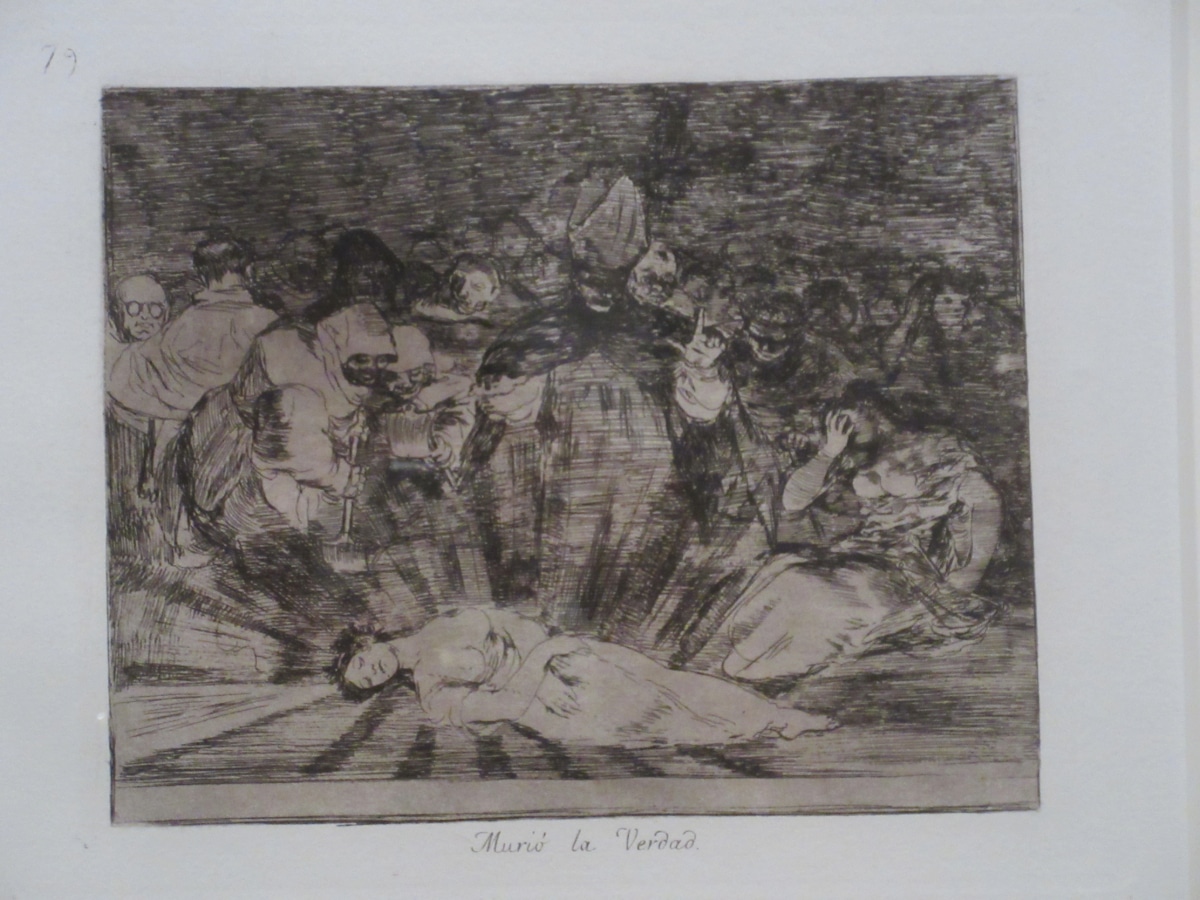
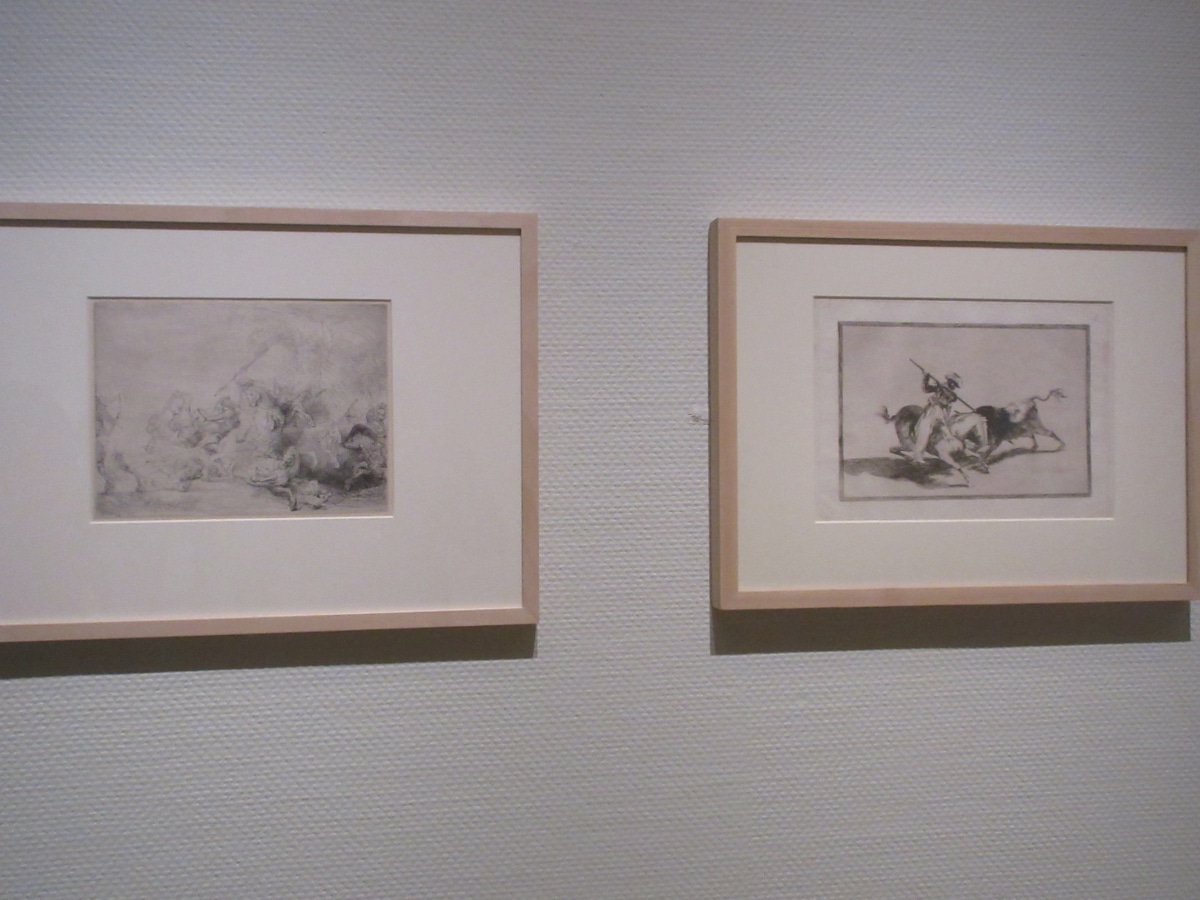
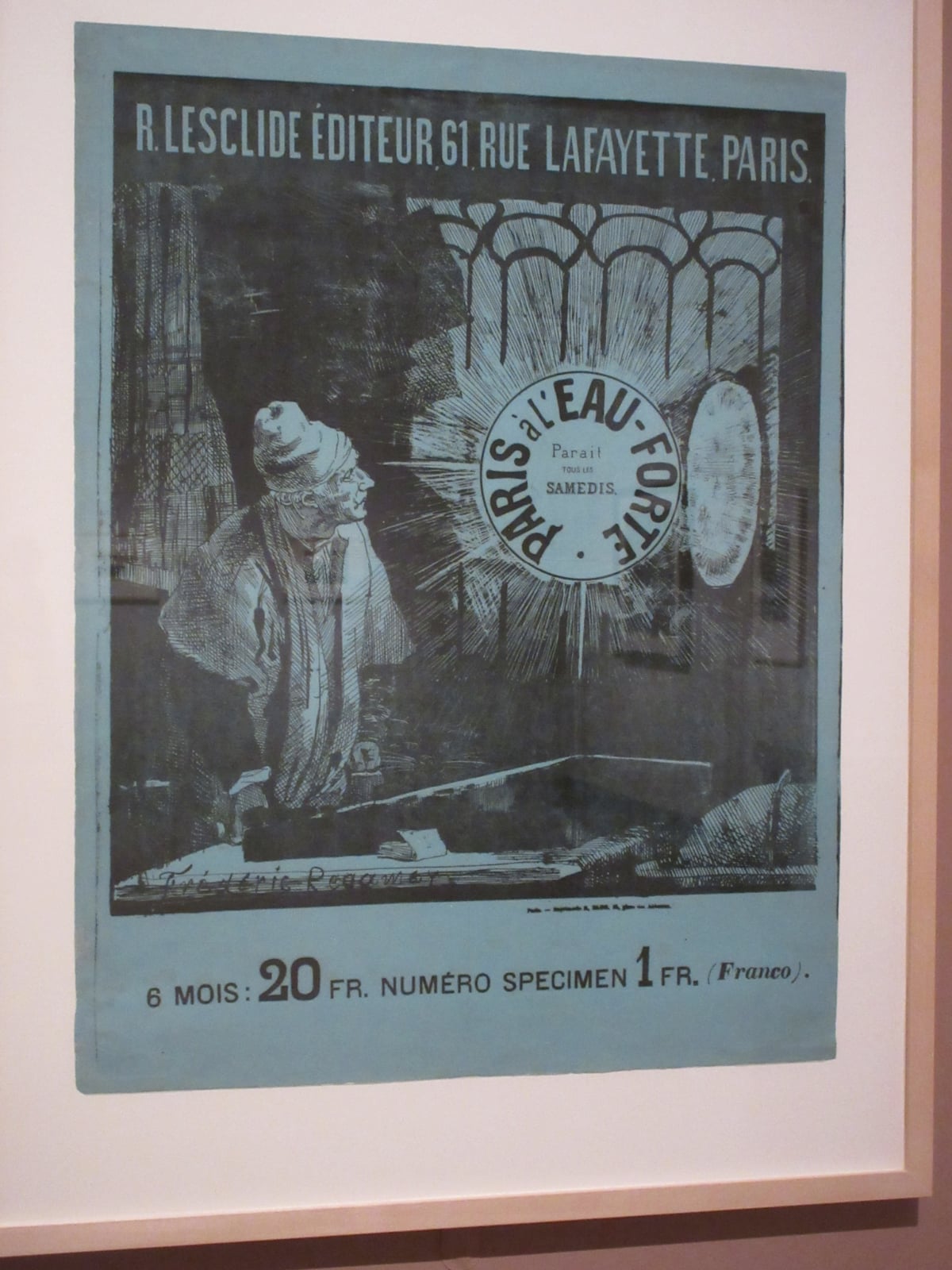
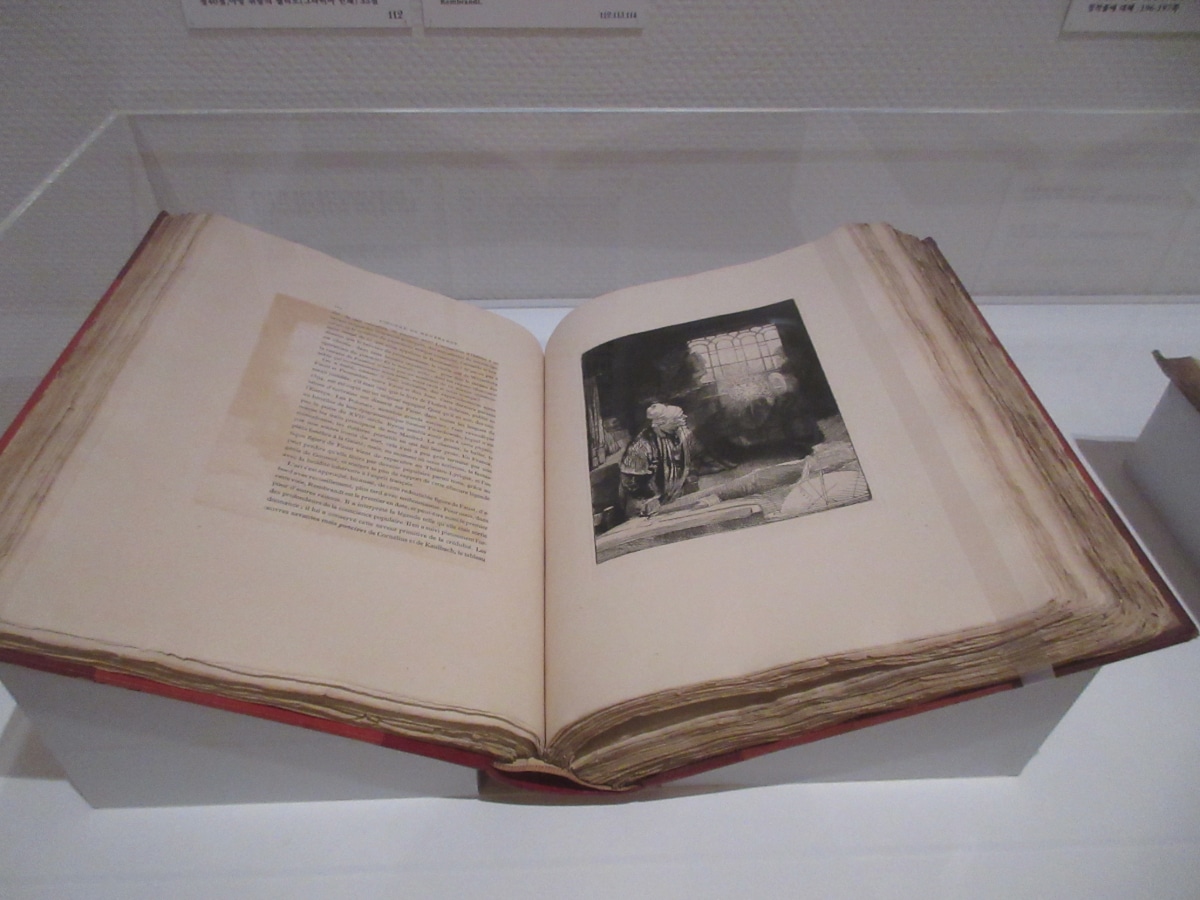
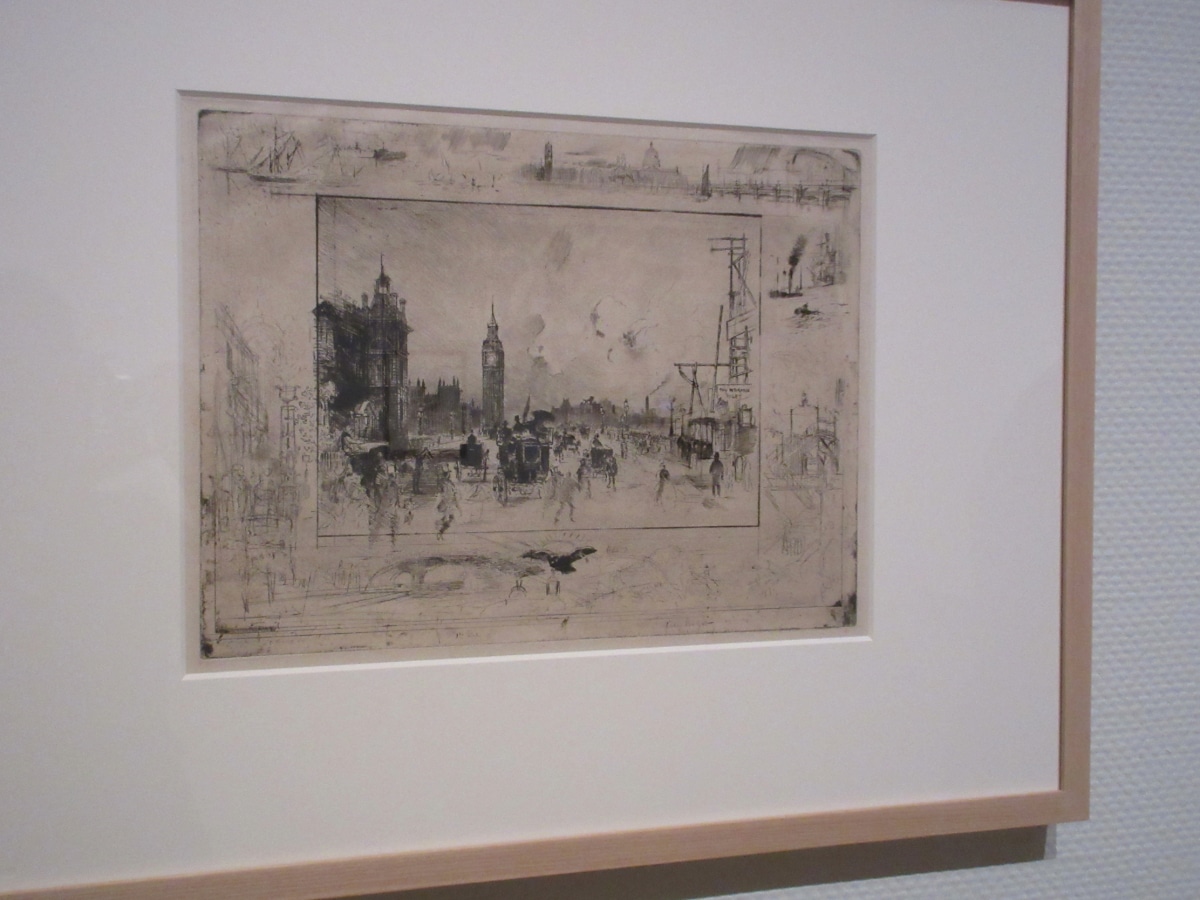
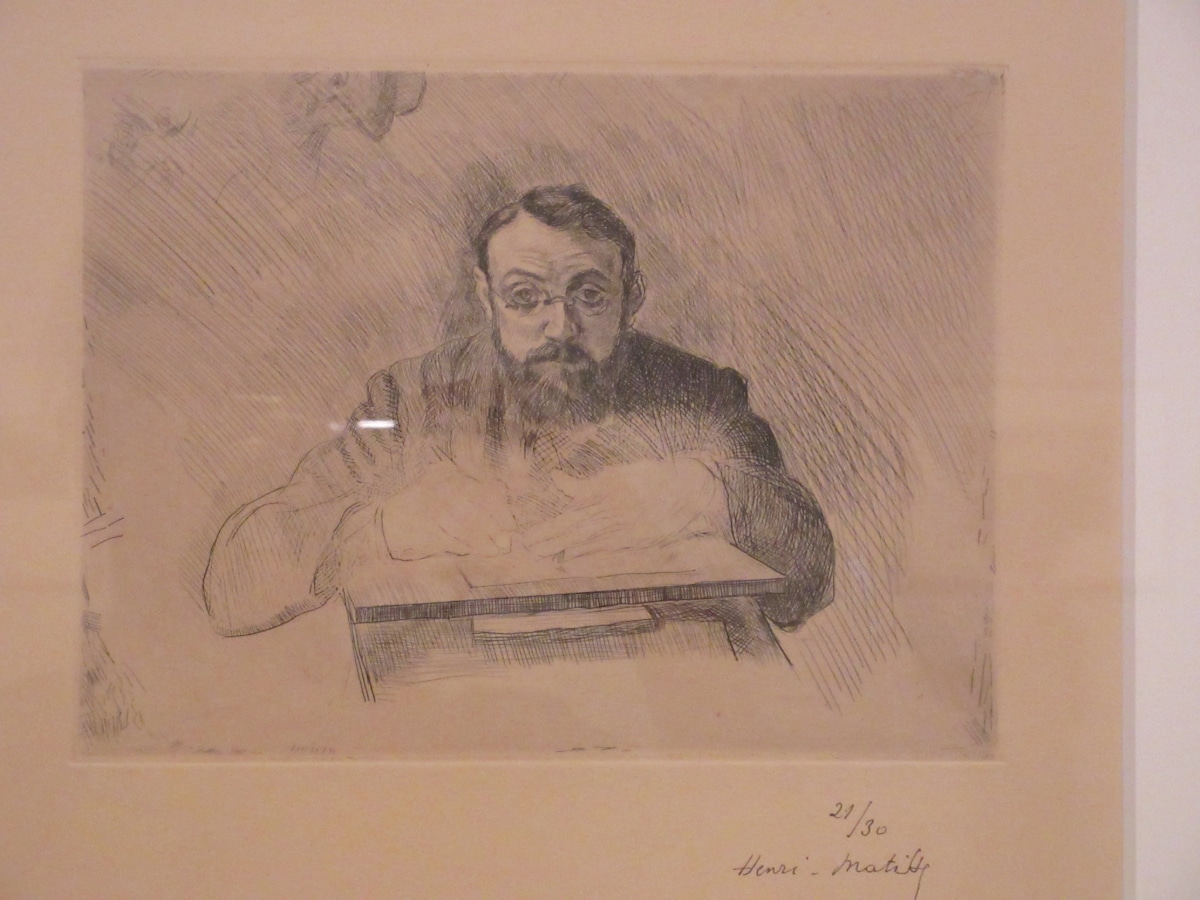
Approximately 130 works are on display. While the exhibition primarily features pieces from the Rembrandt House Museum’s collection, it also includes works and materials on loan from museums and libraries—both domestic and international—as well as private collectors abroad, making it a truly exceptional exhibition.
Rembrandt, a defining painter of the 17th century, revolutionized the world of etching; he tackled diverse themes and even utilized copper plates much like a sketchbook. His innovative approach transformed etching techniques, paving the way for greater freedom of expression. This exhibition vividly demonstrates how that impact has been passed down through generations and remains a living force in the art world today.
Dates: July 7 (Tue) – September 23 (Wed/Holiday), 2026
Venue: The National Museum of Western Art, Tokyo (Special Exhibition Gallery)
Hours: 9:30 AM – 5:30 PM (Fridays and Saturdays until 8:00 PM)
*Last admission 30 minutes before closing
Closed: Mondays (Open on August 10 and September 21)
Official Website: https://www.nmwa.go.jp/jp/exhibitions/2026rembrandt.html
Read also,