Edo-Tokyo Museum Renewal Commemoration: NHK Taiga Drama Special Exhibition, “Brothers and Arms”
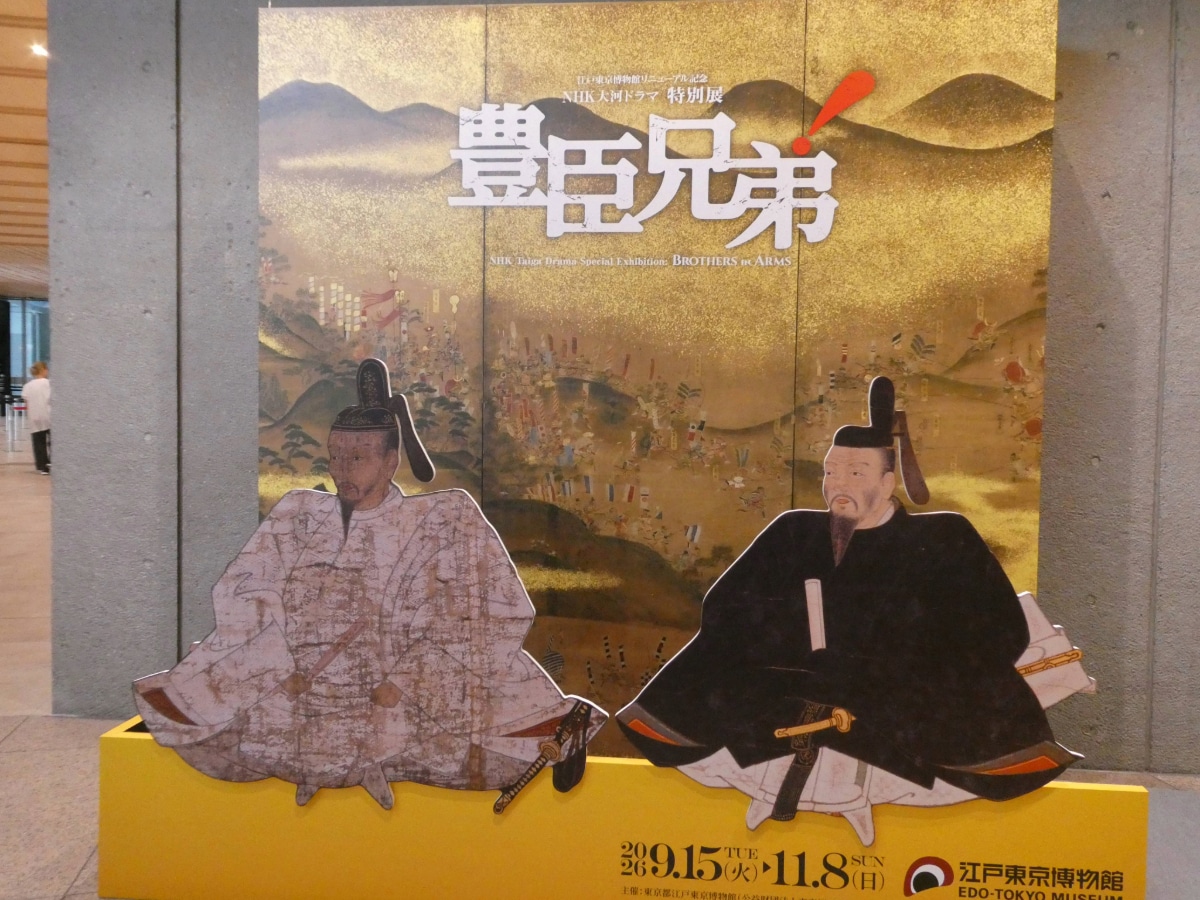
The NHK Taiga drama “Toyotomi Kyōdai!” (The Toyotomi Brothers!) shines a major spotlight on Hidenaga, the younger brother of the national unifier Toyotomi Hideyoshi. The Edo-Tokyo Museum, which regularly hosts exhibitions themed around NHK’s Taiga dramas, is once again holding such an exhibition after a nine-year hiatus.
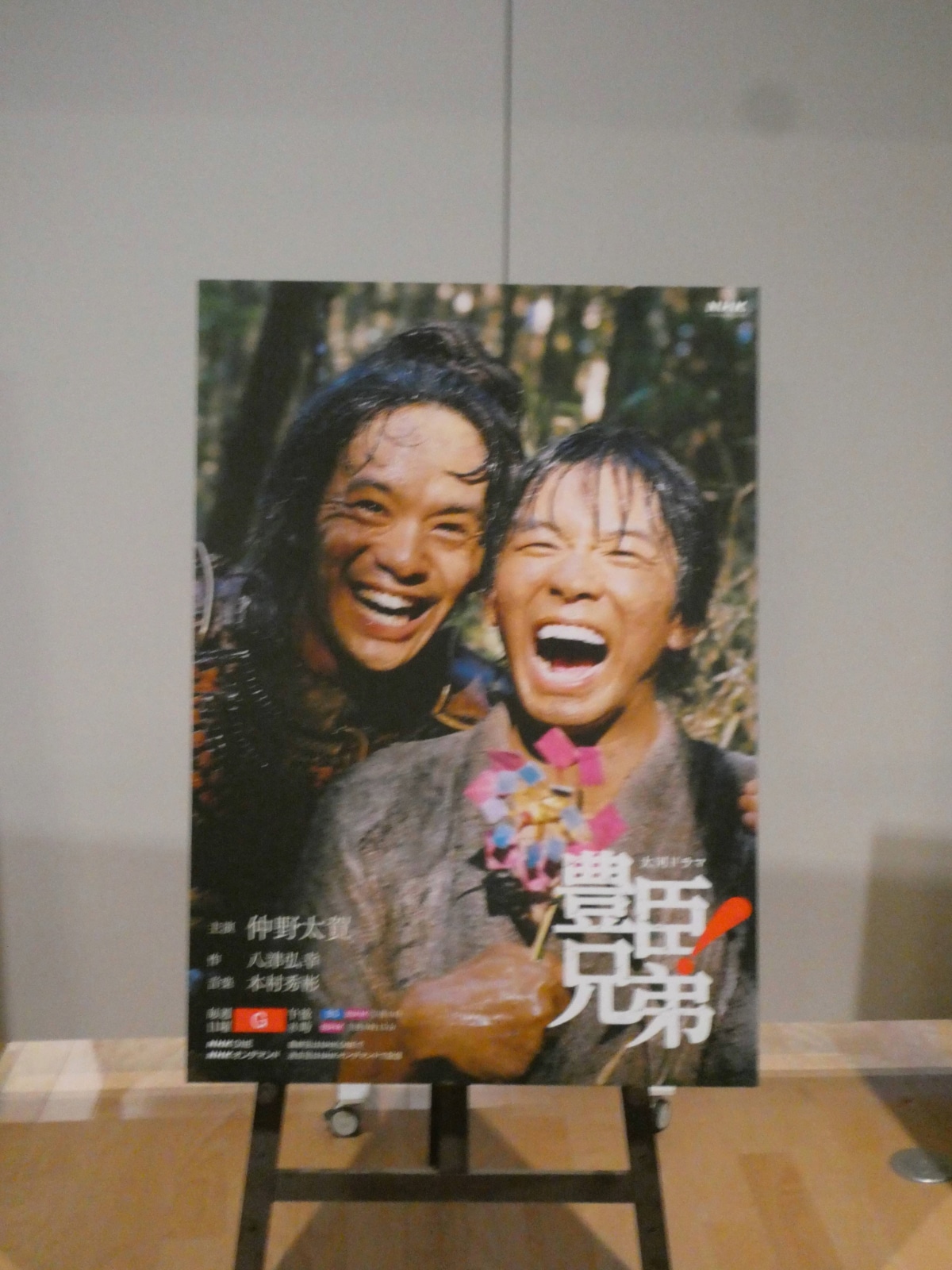
The “Toyotomi Brothers” featured here are, of course, Hideyoshi and Hidenaga. While Hideyoshi is renowned as the ruler of the nation, who exactly was Hidenaga? He was a figure whose contributions were so significant that it is often said, “Had he lived longer, the Toyotomi clan’s rule would have remained secure.”
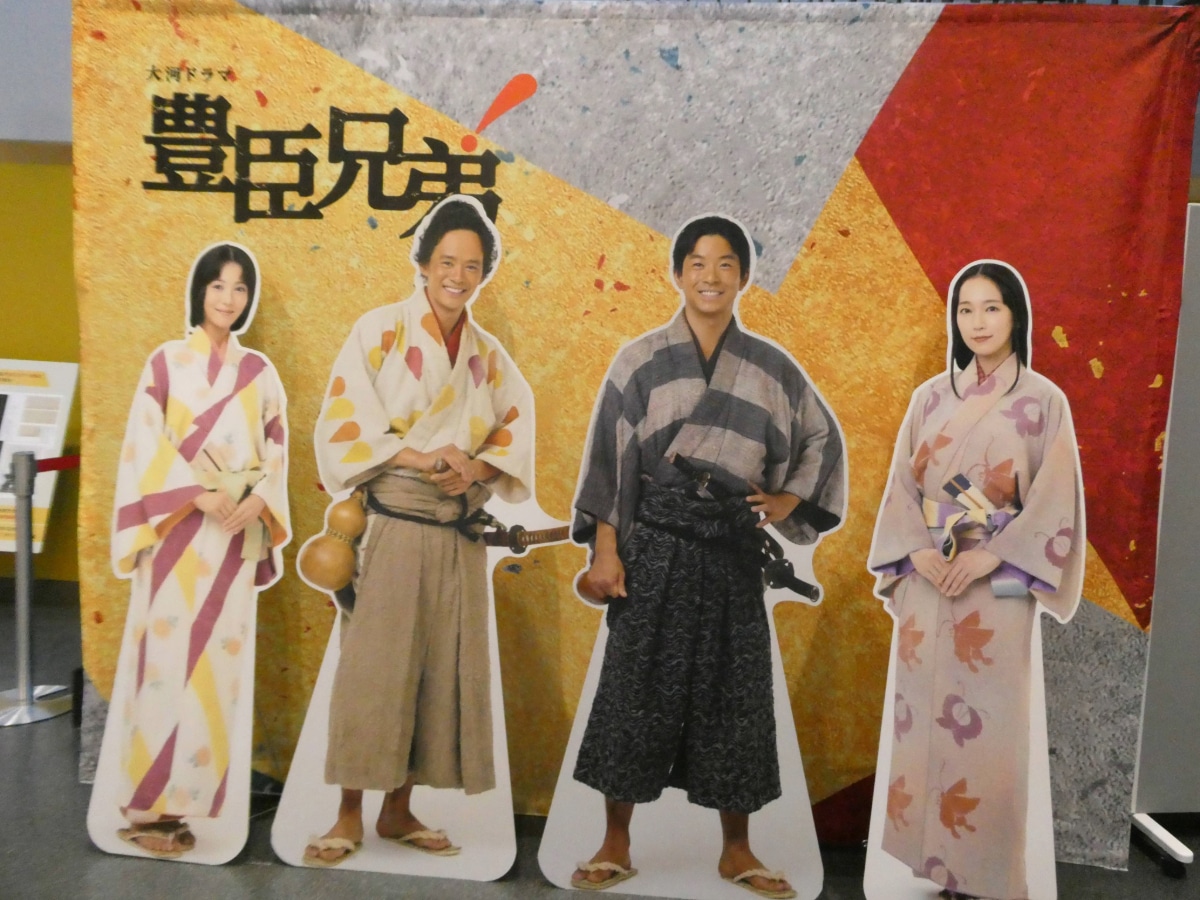
Structured into seven sections—including a prologue and an epilogue—this exhibition features not only the Toyotomi brothers but also other iconic historical figures such as Oda Nobunaga, Tokugawa Ieyasu, Kuroda Kanbei, Tōdō Takatora, Sen no Rikyū, and Kōdai-in. With over 130 items on display, visitors can gain an intimate sense of the personalities and lives of these historical figures, making for a truly vibrant exhibition.
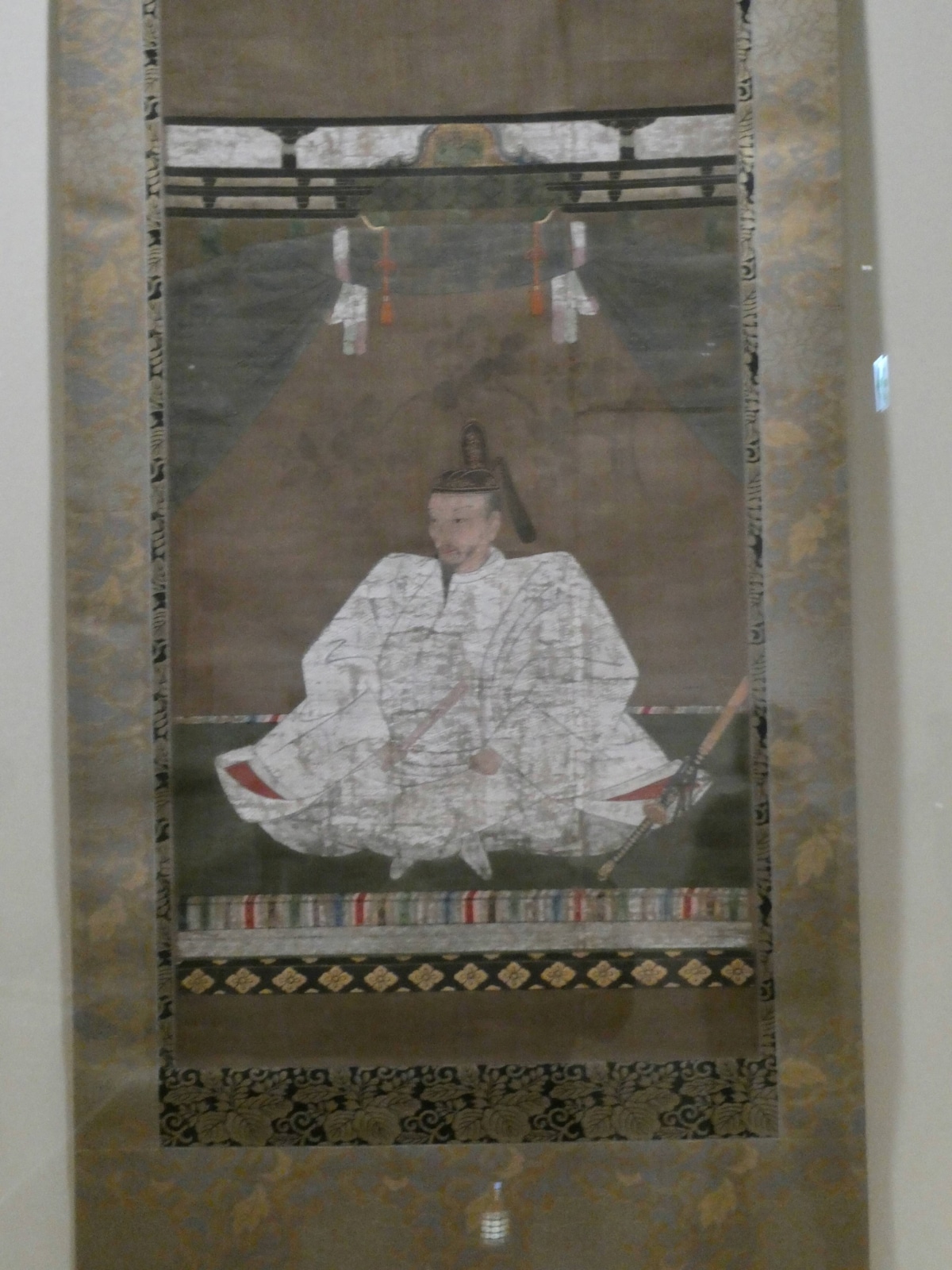
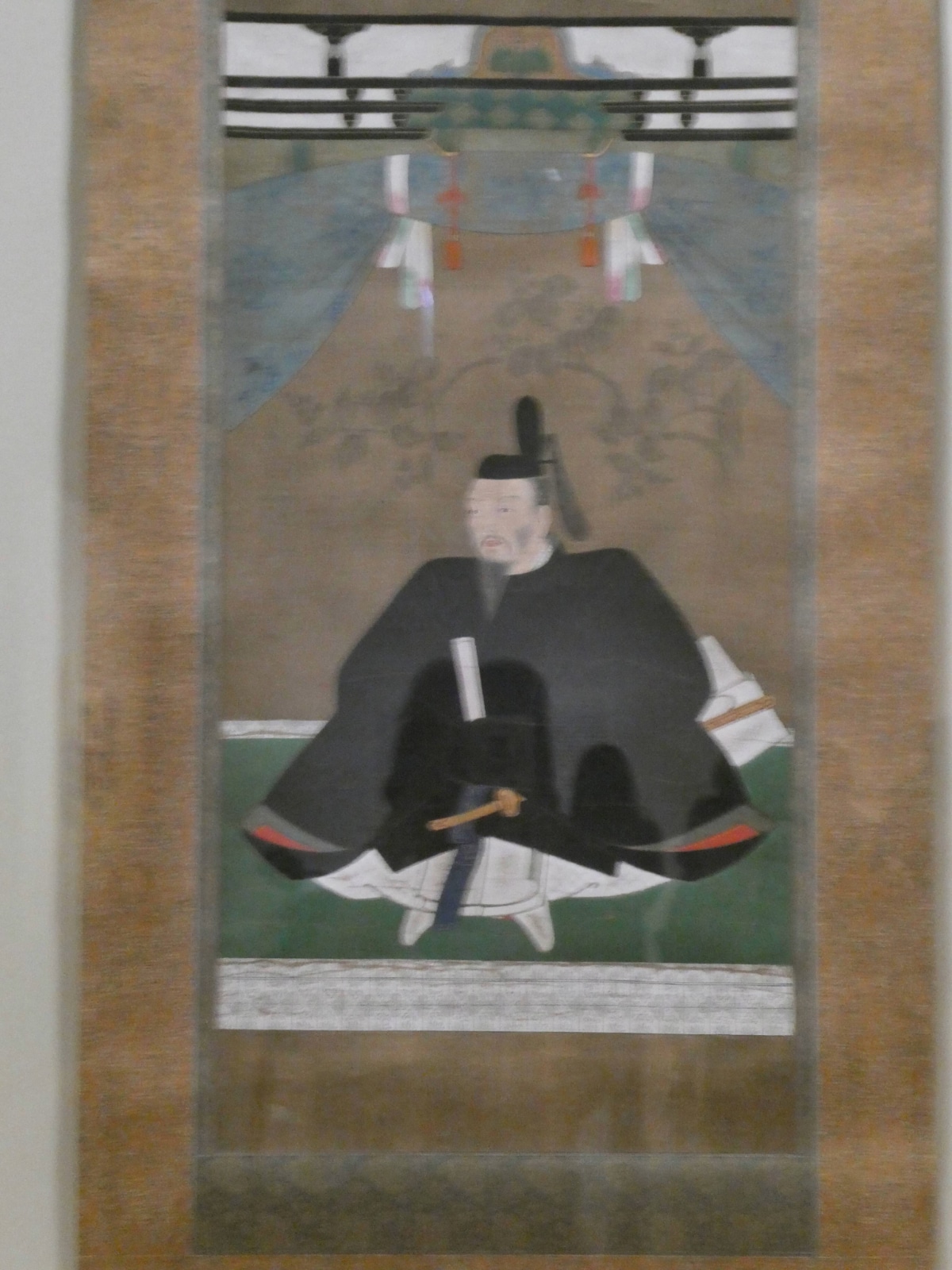
The prologue naturally introduces the “Toyotomi Brothers” themselves: Hideyoshi and Hidenaga. Even from their portraits, where the brothers appear side-by-side, one can sense their distinct personalities and roles.
A portrait of Hideyoshi preserved at Zenrin-ji Temple in Kyoto depicts him wearing a black “tōkan” (Tang-style court cap) and a white “nōshi”—attire typically worn in daily life by court nobles and the emperor. He sits on a “tatami” mat with a distinctive “ungen-beri” (multicolored striped) border, a long sword placed at his side. The scene is framed by raised ceremonial curtains and bamboo blinds. A paulownia tree is painted in the background, and the “Kimigayo-Japanese National Anthem – waka” poem is inscribed at the top. This composition reflects a unique style cultivated by Hideyoshi himself to project his own distinct identity. In contrast, the portrait of Hidenaga—while sharing a nearly identical background—depicts him in formal court attire (“sokutai”). Wearing a black robe, carrying a ritual baton (“shaku”), and wearing a long sword (“tachi”) at his waist. Given that Hideyoshi’s son, Hideyori, was involved in the restoration of Zenrin-ji Temple, tradition holds that both portraits were commissioned for the reconstruction of the temple’s main hall in 1607.
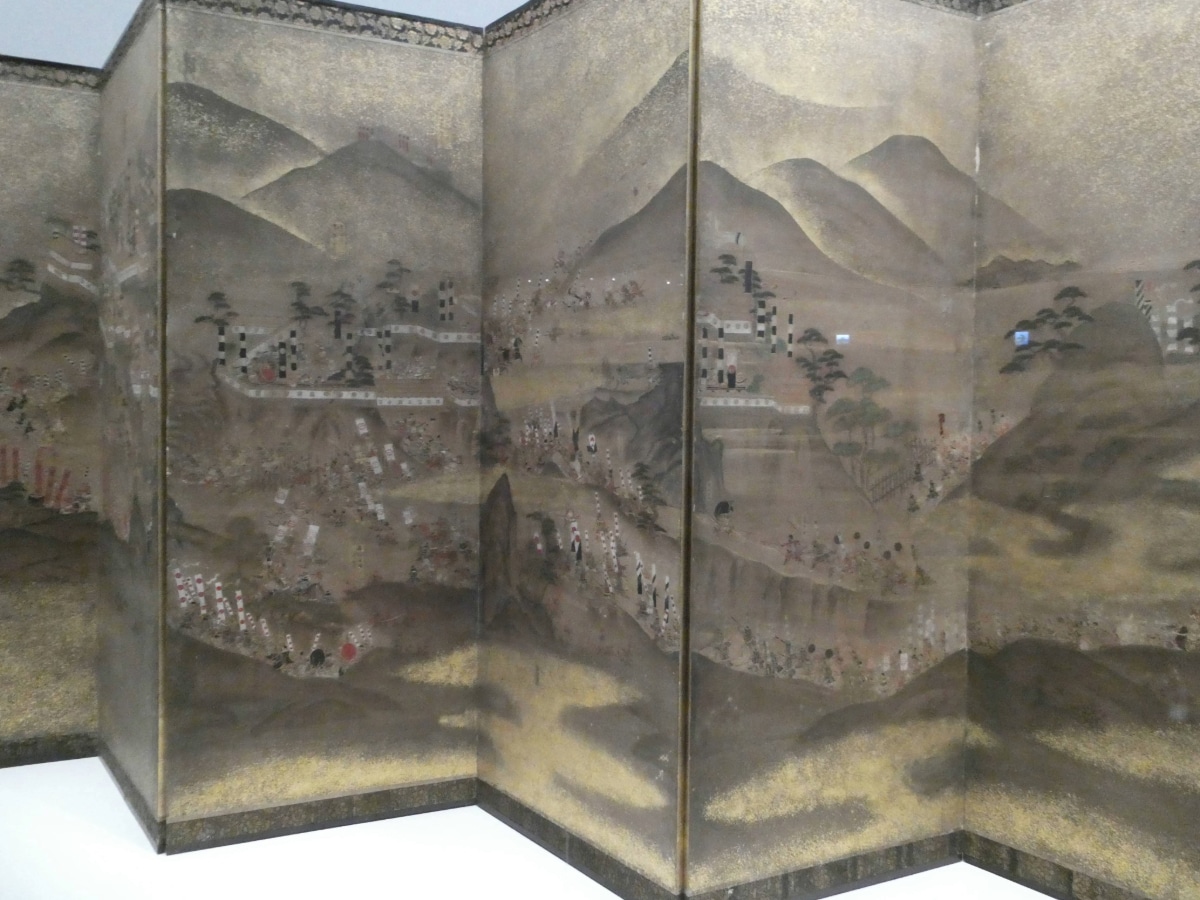
Moving forward, the exhibition traces how the Toyotomi brothers served Oda Nobunaga and campaigned across various regions. The Battle of Shizugatake likely marked a major turning point for the brothers; this event is depicted in the “Folding Screen Depicting the Battle of Shizugatake”. The left side of the screen shows the forces of Shibata Katsuie attacking Hideyoshi’s side, while the right side shows Hideyoshi’s forces attacking the Shibata troops. Hideyoshi appears on the third panel, wearing a “jinbaori” (surcoat) made of tiger skin and holding a red “hinomaru” (sun-disk – symbol of Japan) folding fan.
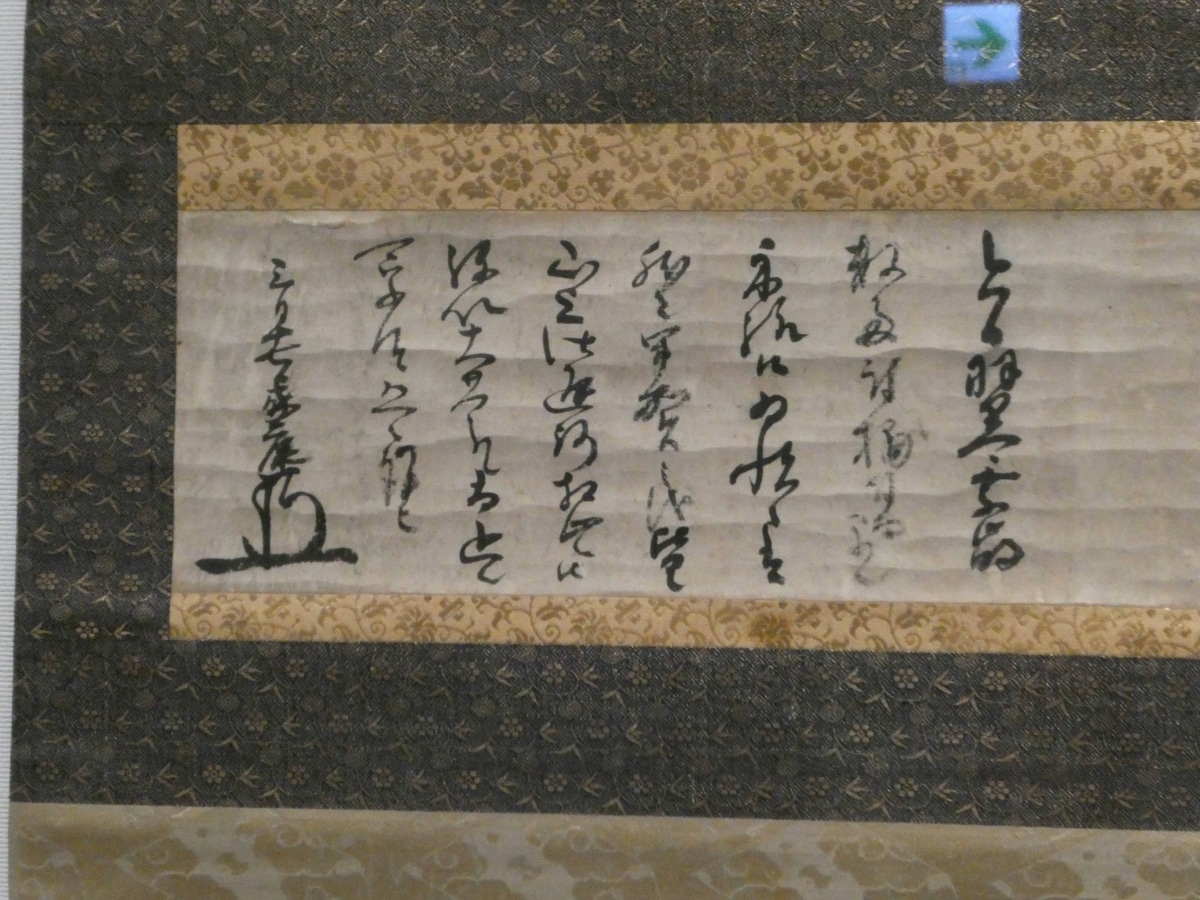
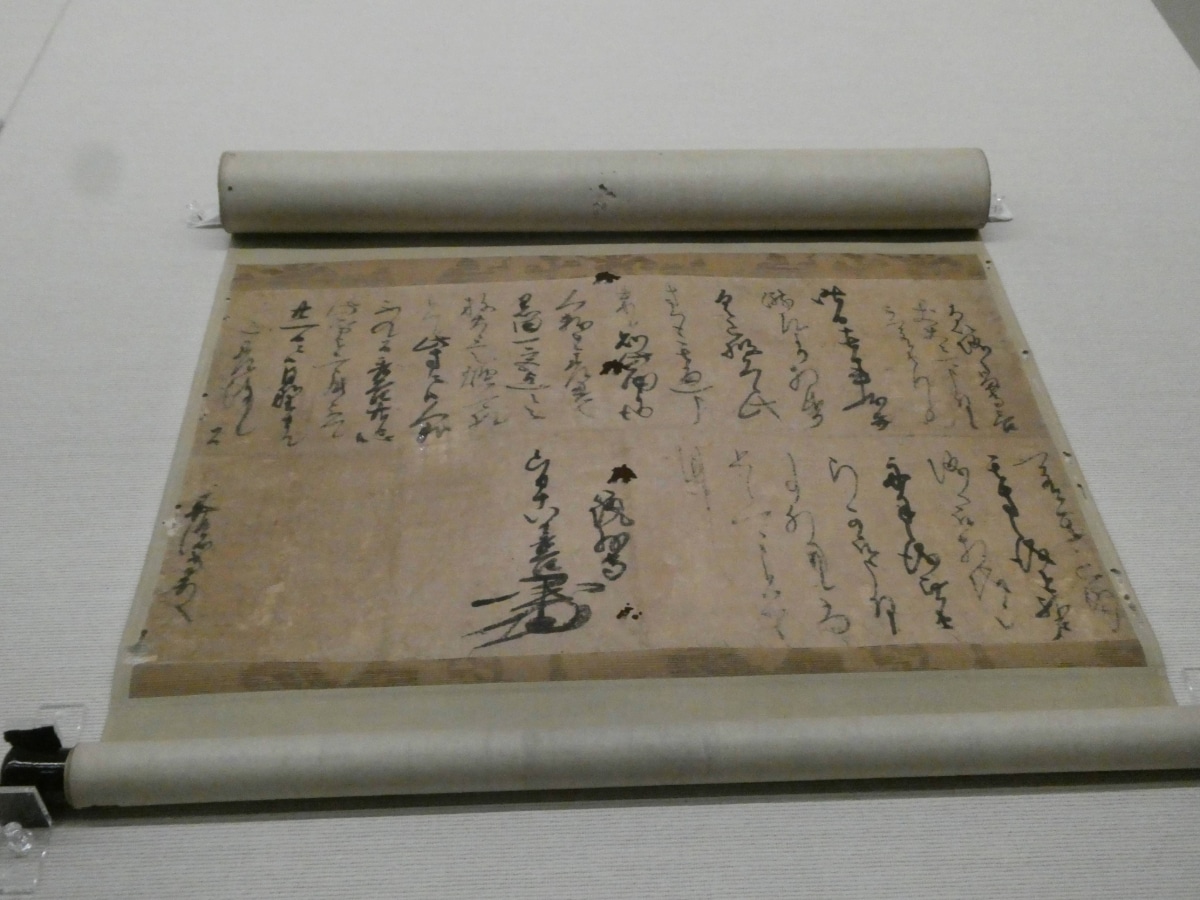
Another highlight of this section is the collection of letters sent from Hideyoshi to Hidenaga. Many are written in a lighthearted tone, often incorporating jokes. Simply reading them conveys the close bond between the two brothers.
Exclusively at the Tokyo venue, the “Folding Screen Depicting the Imperial Visit to Jurakudai” is also on display. The left side of the screen depicts Hideyoshi going to welcome Emperor Go-Yōzei on behalf of the Imperial Court, while the right side shows the Emperor making his way to Jurakudai. Born a peasant, Hideyoshi lacked the authority derived from noble lineage. Consequently, a key challenge for him was how to bolster his power by leveraging the authority of figures such as the emperor. The Imperial visit to Jurakudai took place as part of this series of events designed to consolidate his position.
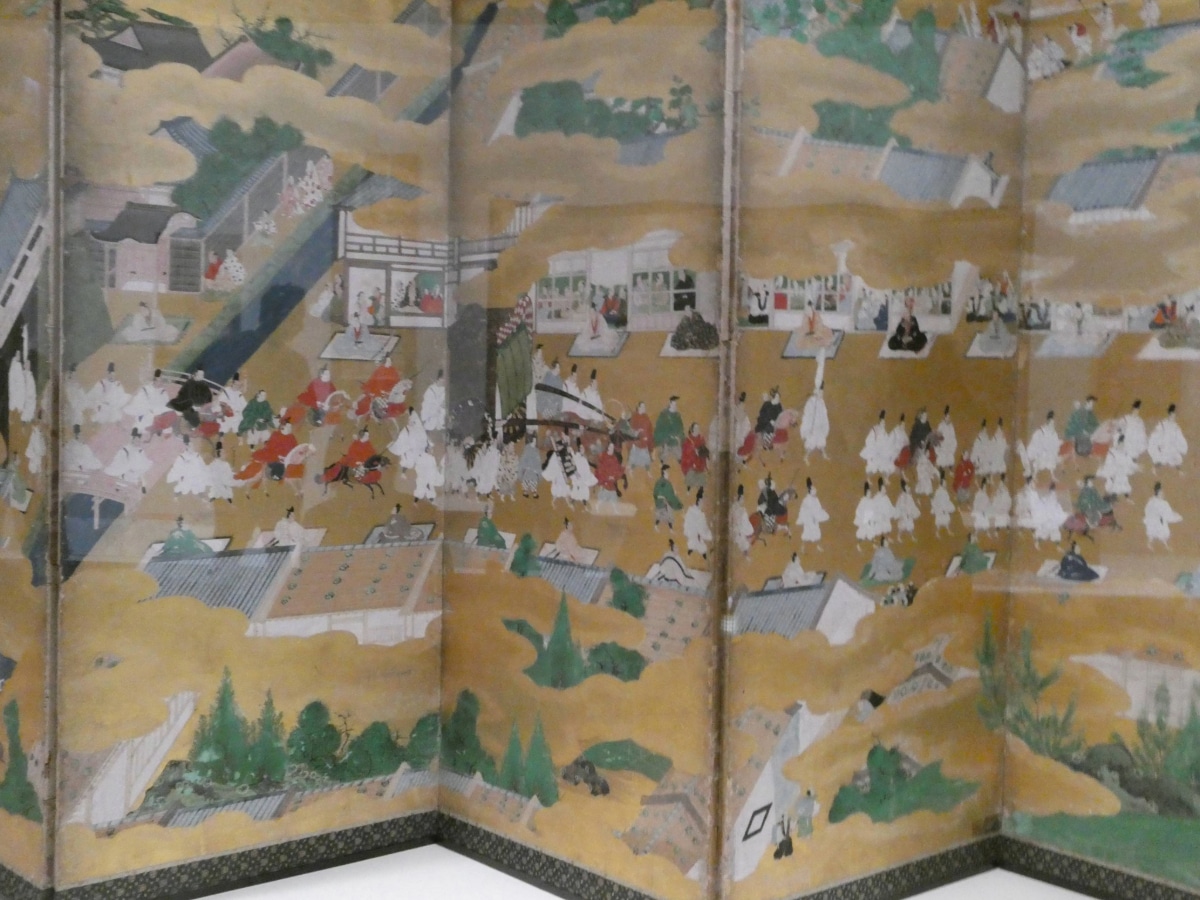
The emperor himself is not explicitly depicted on the screen. As it would have been unthinkable to directly portray such a powerful figure, the emperor is instead symbolized by a portable shrine (“mikoshi”) shown on the right side. Hideyoshi’s presence is implied by the ox-drawn carriage (“Gissha”) on the left, which bears his family crest.
In the following Chapter 3, we gain insight into the retainers of Hidenaga, who had been granted the province of Yamato. Particularly noteworthy are the roof tiles from Osaka Castle and Koriyama Castle. The spiral patterns, surrounding shapes, and spacing are virtually identical. Although the two castles were built at different times, these tiles reveal that they were produced in the same workshop—another detail highlighting the connection between the two brothers. This chapter also features fascinating exhibits regarding the retainer corps and figures such as Todo Takatora. While there are many documents, such as letters, they are accompanied by modern colloquial translations, allowing visitors to clearly grasp the nature of the exchanges between these Sengoku-period warlords.
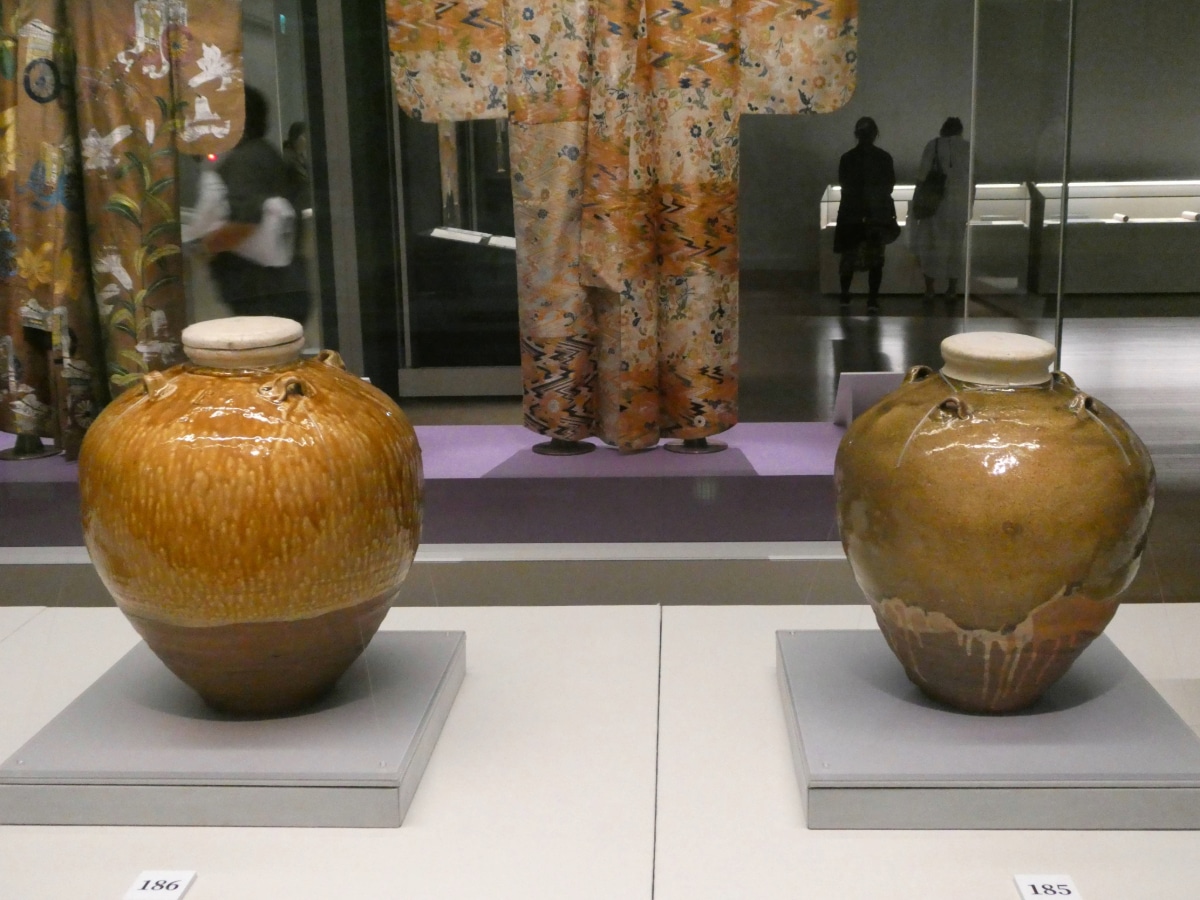
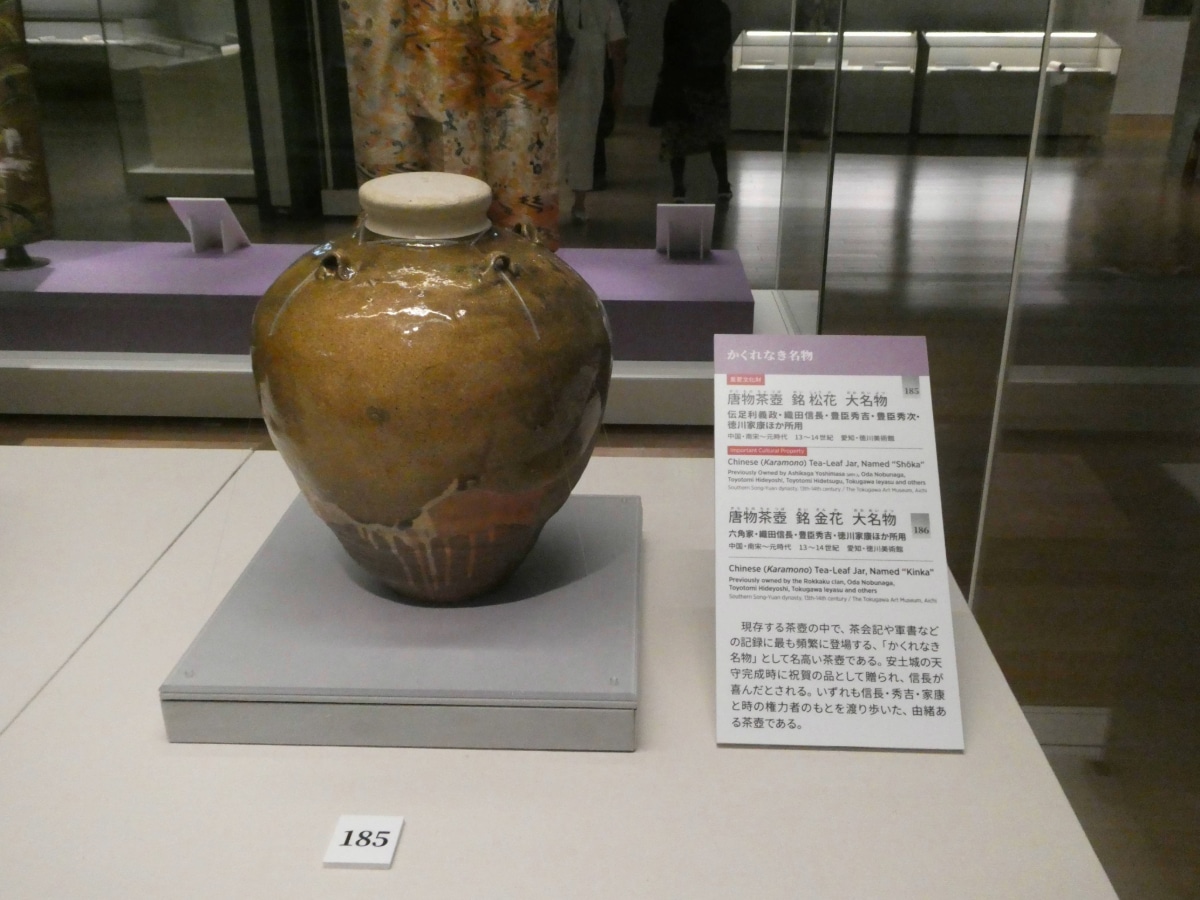
Chapter 4 illustrates how those in power also cultivated a cultural dimension, using it to further consolidate their authority. Two specific Chinese-style tea jars—”Kinka” (“Golden Flower”) and “Shoka” (“Pine Flower”), both classified as “Daimeibutsu” (items of supreme renown)—appear in war chronicles and tea ceremony records as celebrated masterpieces that passed through the hands of three successive rulers: Nobunaga, Hideyoshi, and Ieyasu.
The final chapter, Chapter 5, depicts the decline of the Toyotomi clan. The death of Hidenaga marked a permanent parting for the Toyotomi brothers—a loss that also signaled the clan’s downfall. Although Hideyoshi had fervently prayed for Hidenaga’s recovery from his illness, that wish went unfulfilled. In an era when divine protection was considered crucial, rumors circulated that the illness might have been caused by a curse.
Tanzan Shrine (formerly Myoraku-ji Temple) in Sakurai City, Nara Prefecture, was founded during the Asuka period and enshrined Fujiwara no Kamatari, a key figure in the Taika Reforms. However, Hidenaga relocated the statue of Kamatari to Koriyama in Yamato Province. At the time, it was widely whispered that this act had invited a curse.
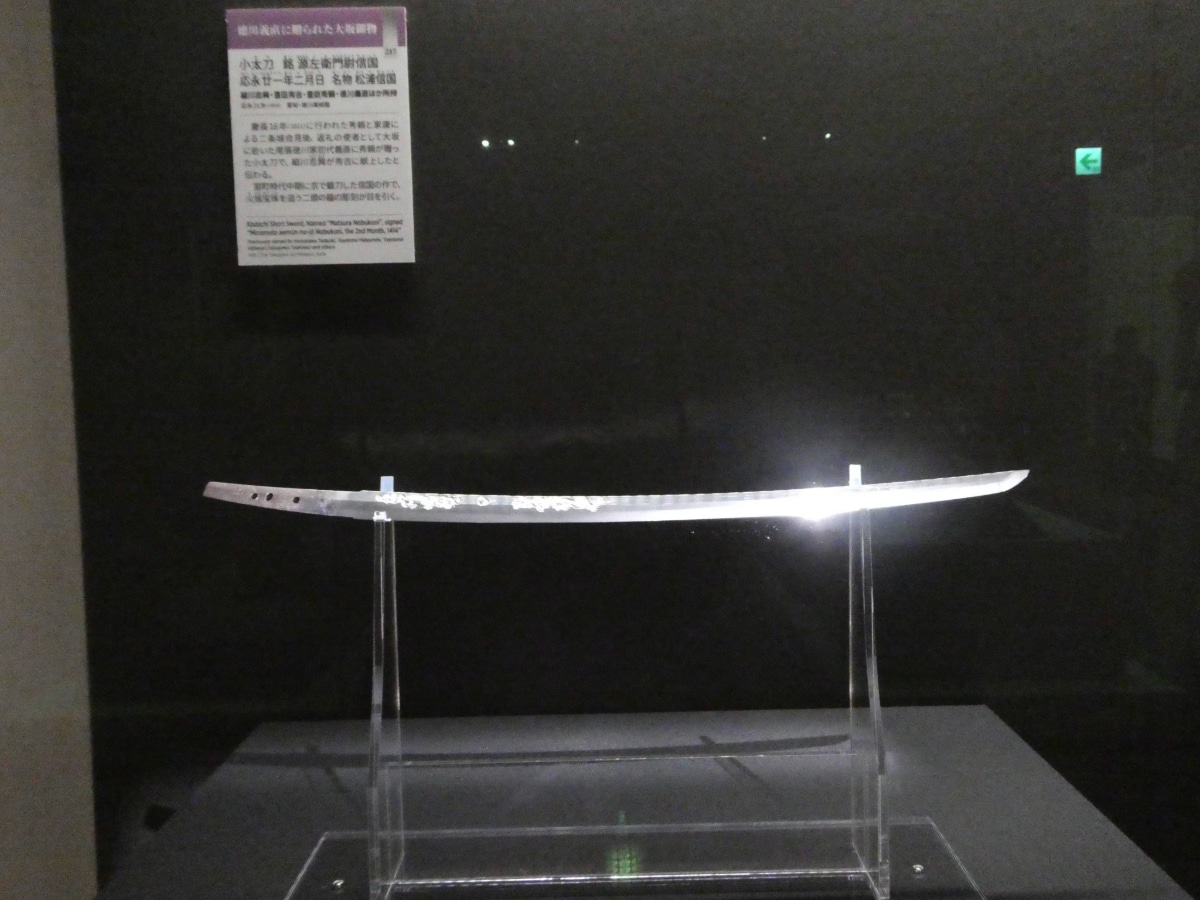
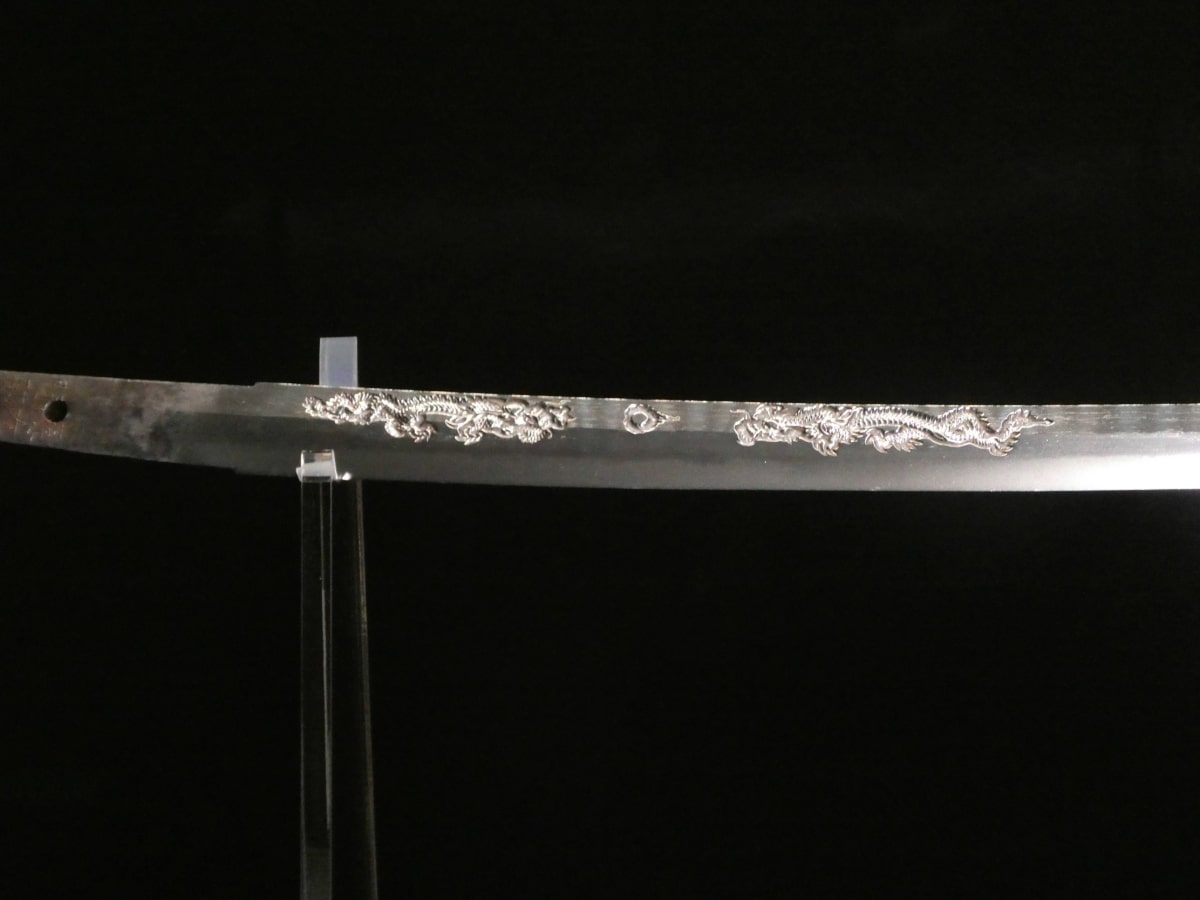
Following the deaths of Hidenaga and Hideyoshi and the subsequent collapse of the Toyotomi clan, Osaka Castle—and the swords within it—burned down. Yet, some of these blades survived to the present day after being re-polished, and such masterpieces are included in this exhibition. Of particular interest is the “Namazuo Tōshirō”, a sword that has also been adapted into a character for the popular franchise “Touken Ranbu”. Alongside this masterpiece forged by Awataguchi Yoshimitsu, the ”Nansen Ichimonji” will also be on display during the latter half of the exhibition—a showcase sure to delight fans of historical swords.
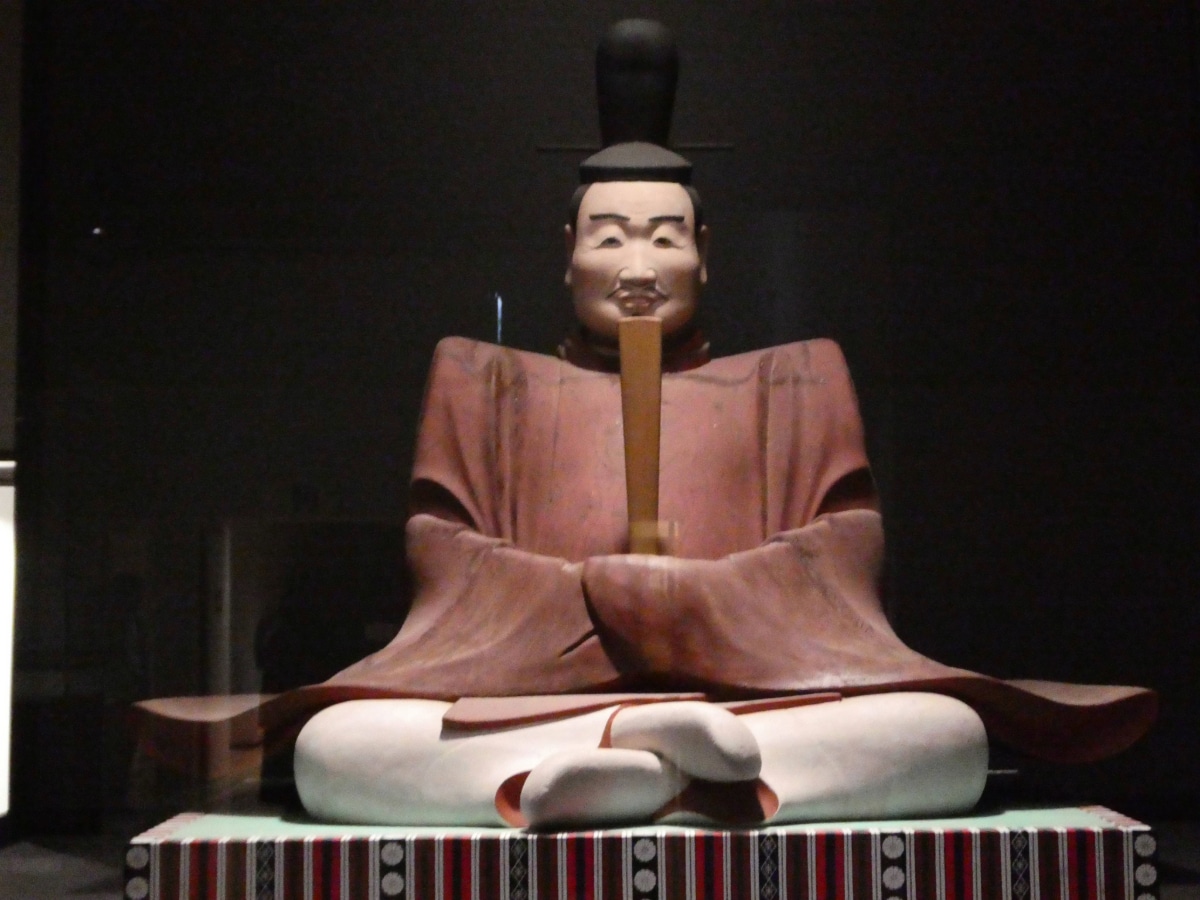
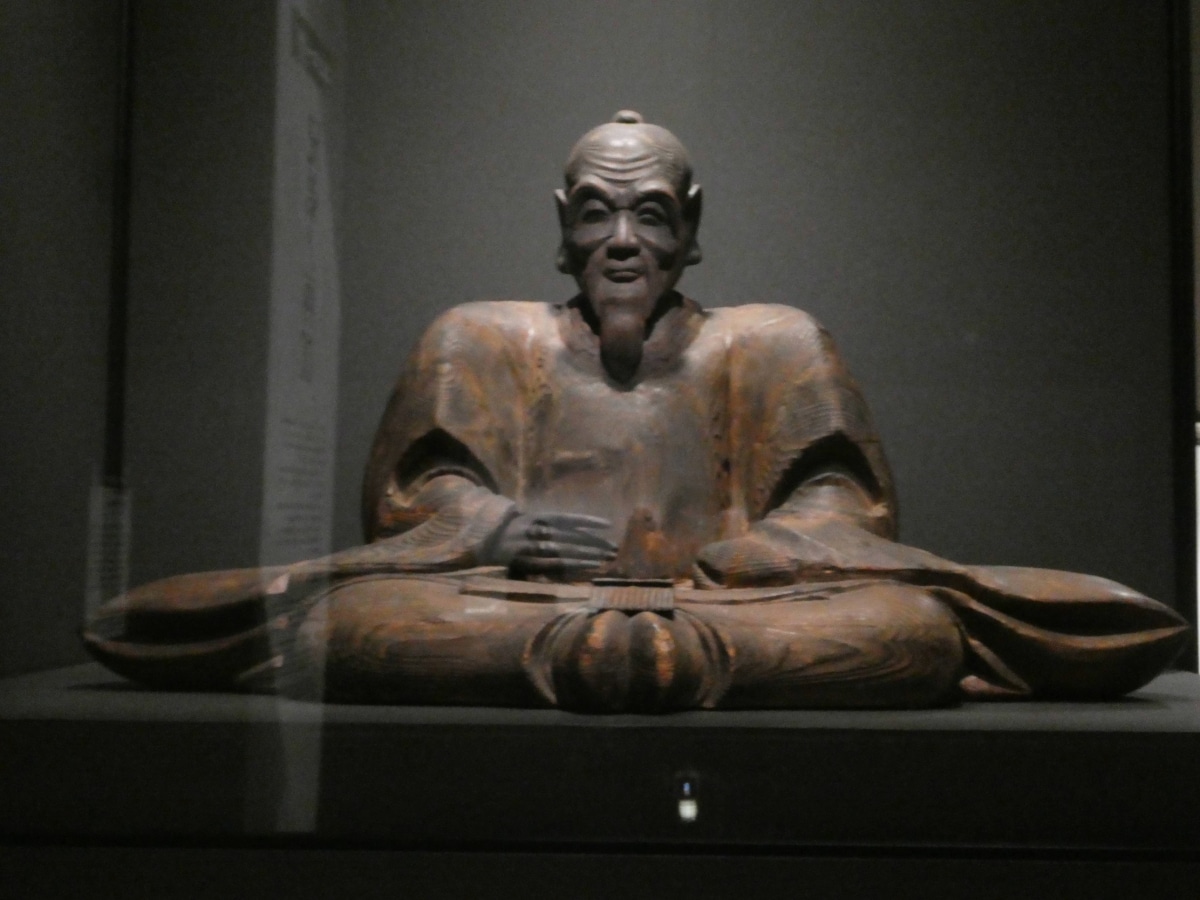
In the concluding epilogue, wooden statues of Hidenaga and Hideyoshi are displayed side by side. The statue representing Hideyoshi—known as the ”Seated Statue Attributed to Toyokuni Daimyōjin”—is said to be the largest of its kind in existence, measuring over 80 centimeters in width. Depicted in formal court attire (”sokutai”) with his feet pressed together at the center, the statue suggests that Hideyoshi was already being deified during his lifetime. Meanwhile, the statue of Hidenaga, preserved at Tsubosaka-dera Temple in Nara, dates back to 1630 and remains in excellent condition, featuring inlaid crystal eyes (“gyokugan”) and original polychrome coloring.
This exhibition offers a fascinating look at the “Toyotomi Brothers”—siblings who worked in tandem to navigate a turbulent age of warfare. It vividly conveys the figures of the two men, who harbored a burning ambition to rule the nation, alongside the retainers who supported them. We highly recommend viewing this special exhibition centered on brothers from the Azuchi-Momoyama period, followed by the Edo-Tokyo Museum’s permanent exhibition depicting the Tokugawa era.
Dates: September 15 (Tue) – November 8 (Sun), 2026
Venue: 1st Floor Special Exhibition Room
Opening Hours: 9:30–17:30
Open until 19:30 on Saturdays and until 20:00 on November 6 (Fri) (Last admission 30 minutes before closing)
Closed:
Mondays (except September 21, October 12, and November 2), September 24 (Thu), October 13 (Tue), and November 4 (Wed)
Read also,
- “The Maeda: Legacy of a Prosperous Samurai Family” – A Magnificent Exhibition Commemorating the 100th Anniversary of the Maeda Ikutokukai Foundation
- Seikado Bunko Art Museum Exhibition : Where Beauty is Served : Kaiseki Vessels and Spirit of Tea Ceremony – Until June 14th
- Sumida Hokusai Museum 10th Anniversary Exhibition: “Hokusai and Hiroshige: Two Visions of Mt. Fuji” – A Showcase Featuring Two Masters of Ukiyo-e