Sumida Hokusai Museum 10th Anniversary Exhibition: “Hokusai and Hiroshige: Two Visions of Mt. Fuji” – A Showcase Featuring Two Masters of Ukiyo-e
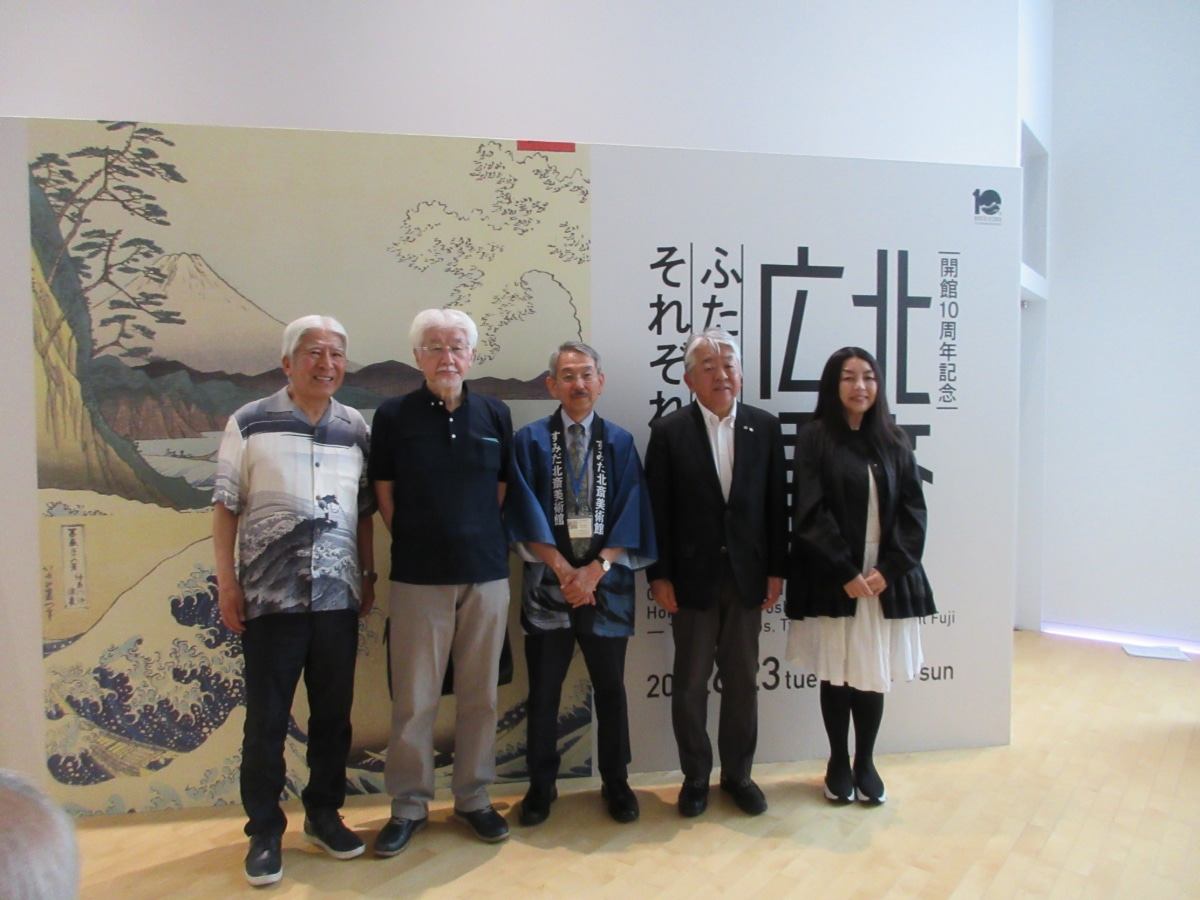
The Sumida Hokusai Museum is currently hosting a magnificent exhibition centered on Mt. Fuji (running from June 23 to August 30, 2026). The exhibition spotlights two ukiyo-e masters: Hokusai and Hiroshige. Although the museum specializes in Hokusai, it also turns its attention to Hiroshige—considered Hokusai’s rival—to create an exhibition that truly represents the pinnacle of the ukiyo-e genre.
The two artists are known for their vastly different styles. While Hokusai is characterized by dynamic depictions and bold compositions, Hiroshige’s approach is almost the exact opposite; he captivates viewers through gentle compositions and a pursuit of realism. The worlds they create differ significantly. Hokusai elevated *meisho-e* (pictures of famous places) to a major artistic genre in Edo. Hiroshige—who was Hokusai’s rival despite a 37-year age gap—cemented the popularity of this genre and garnered overwhelming support from the general public.
This exhibition features series depicting Mt. Fuji by both masters, allowing visitors to experience their distinct personalities up close by comparing their expressive techniques.
There are several highlights not to be missed. One is the display of all 46 prints from Hokusai’s *Thirty-six Views of Mount Fuji* (*Fugaku Sanjūrokkei*), shown across the exhibition’s early and late periods. Additionally, all 36 prints from Hiroshige’s *Thirty-six Views of Mount Fuji* (*Fuji Sanjūrokkei*) are on display, thanks to the special cooperation of the Machida City Museum of Graphic Arts. Furthermore, 26 prints from Hiroshige’s *Thirty-six Views of Fuji* (*Fuji Sanjūrokkei*—using a different kanji for “Fuji”) are exhibited with the cooperation of the Yamanashi Prefectural Museum and the Ota Memorial Museum of Art, while works from *One Hundred Famous Views of Edo* (*Meisho Edo Hyakkei*) are on loan from the Adachi City Museum and Tokyo University of the Arts.
The exhibition is organized into three chapters. The curation is superb, evoking a growing sense of satisfaction as one moves through the exhibition.
“Prologue: Mt. Fuji and the People of Edo” conveys to modern audiences the significance Mt. Fuji held for the residents of Edo. In the Edo period, the mountain was likely far more visible from the city streets than it is today. It was an object of deep admiration; it is said that *Fuji-ko* (Mt. Fuji worship groups) existed in virtually every neighborhood of the city—often referred to as the “Eight Hundred and Eight Towns of Edo.” Small artificial mounds known as *Fujizuka*—built to replicate the mountain based on religious devotion—were scattered throughout the area, serving as sites for various rituals and events. Viewing this section makes it clear just how strong the bond was between the people of Edo and Mt. Fuji.
“Chapter 1: Hokusai’s Mt. Fuji” allows visitors to fully immerse themselves in Hokusai’s artistic world. The exhibition features valuable materials on loan from Waseda University that document the creation of his *Thirty-six Views of Mount Fuji* series, published when he was in his seventies. Although photography of the exhibited works is prohibited, seeing the actual materials in person makes the era in which Hokusai lived feel vividly alive.
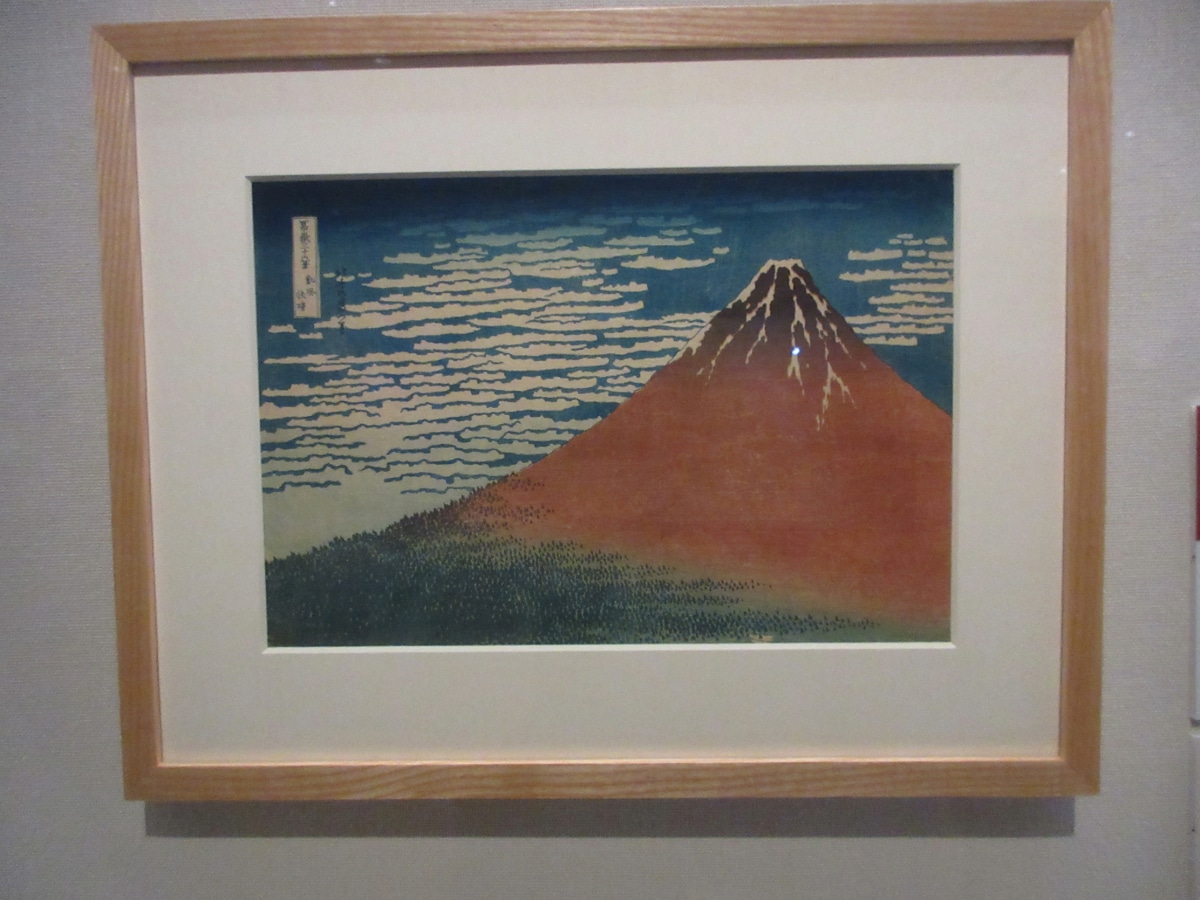
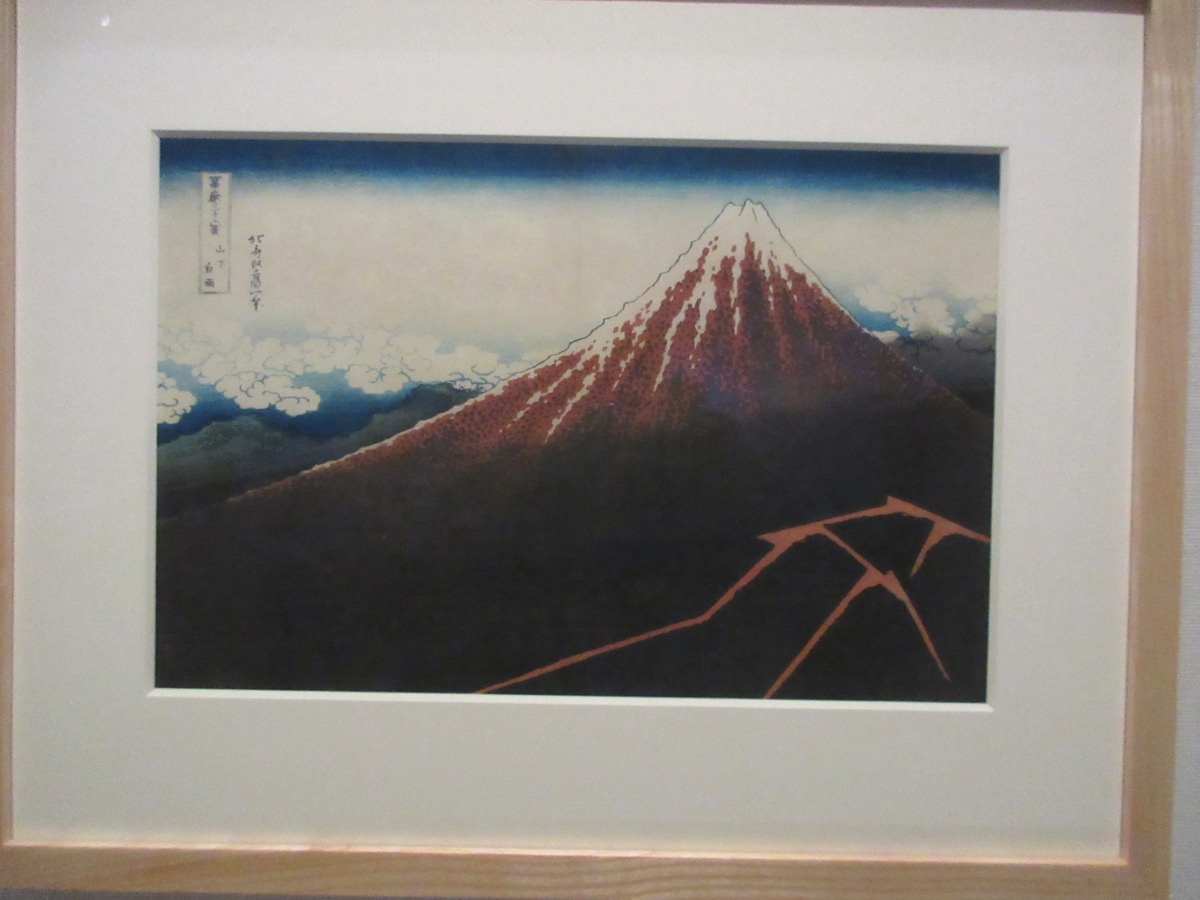
This chapter showcases Hokusai’s masterpieces, such as *Fine Wind, Clear Morning* (known as “Red Fuji”) and *Thunderstorm Beneath the Summit* (depicting lightning and the mountain). When viewing these works with a focus on Mt. Fuji, one is struck by the boldness of Hokusai’s choice of locations and compositions—an aspect that is truly fascinating.
“Chapter 2: Hiroshige’s Mt. Fuji” unfolds Hiroshige’s unique worldview. Here, his vision for depicting famous sites—centered on his images of Mt. Fuji—becomes clearly apparent. As previously mentioned, there was a thirty-seven-year age gap between Hokusai and Hiroshige. While Hiroshige was not Hokusai’s direct successor, it is evident that he created his work with an awareness of his predecessor. Yet, his own distinctive style shines through, revealing his unique charm.
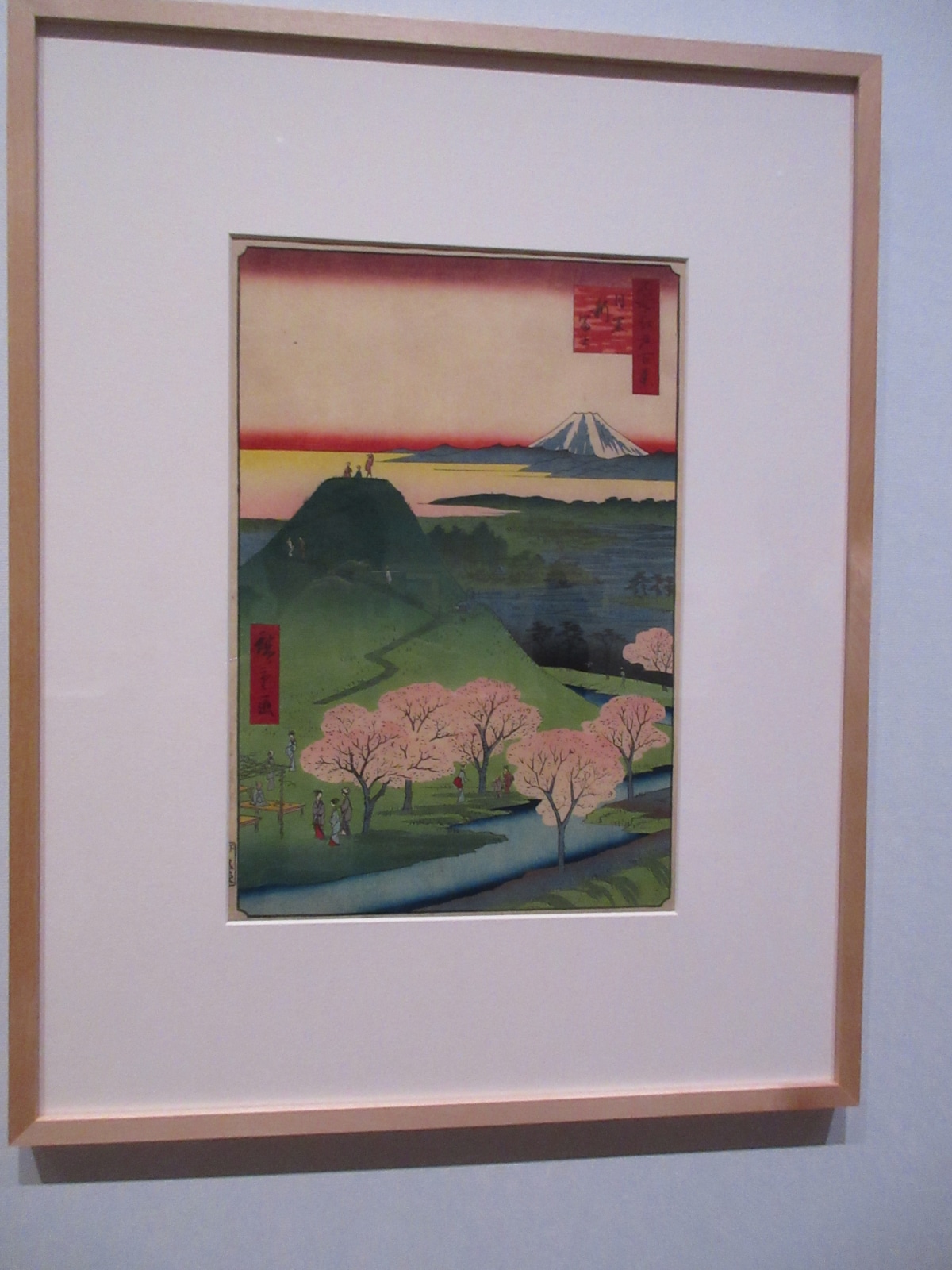
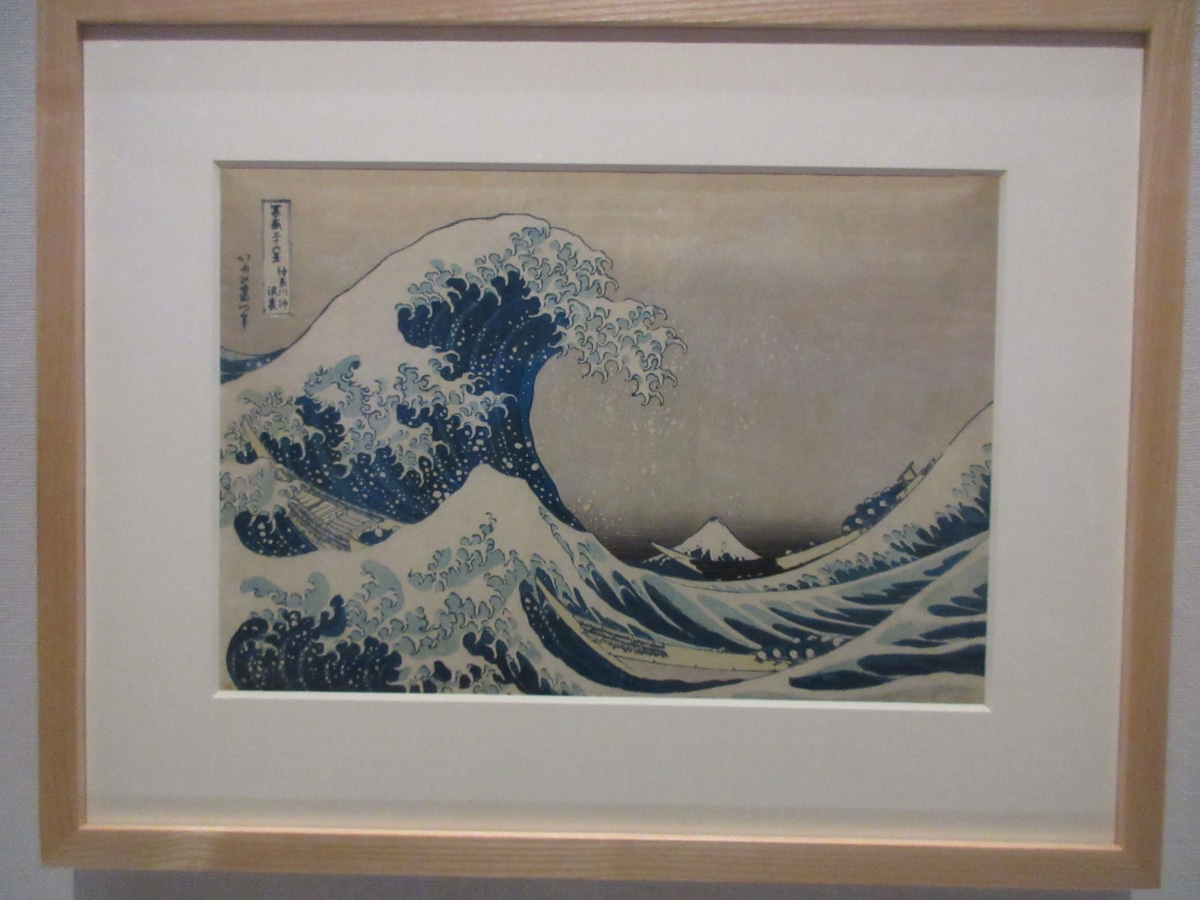
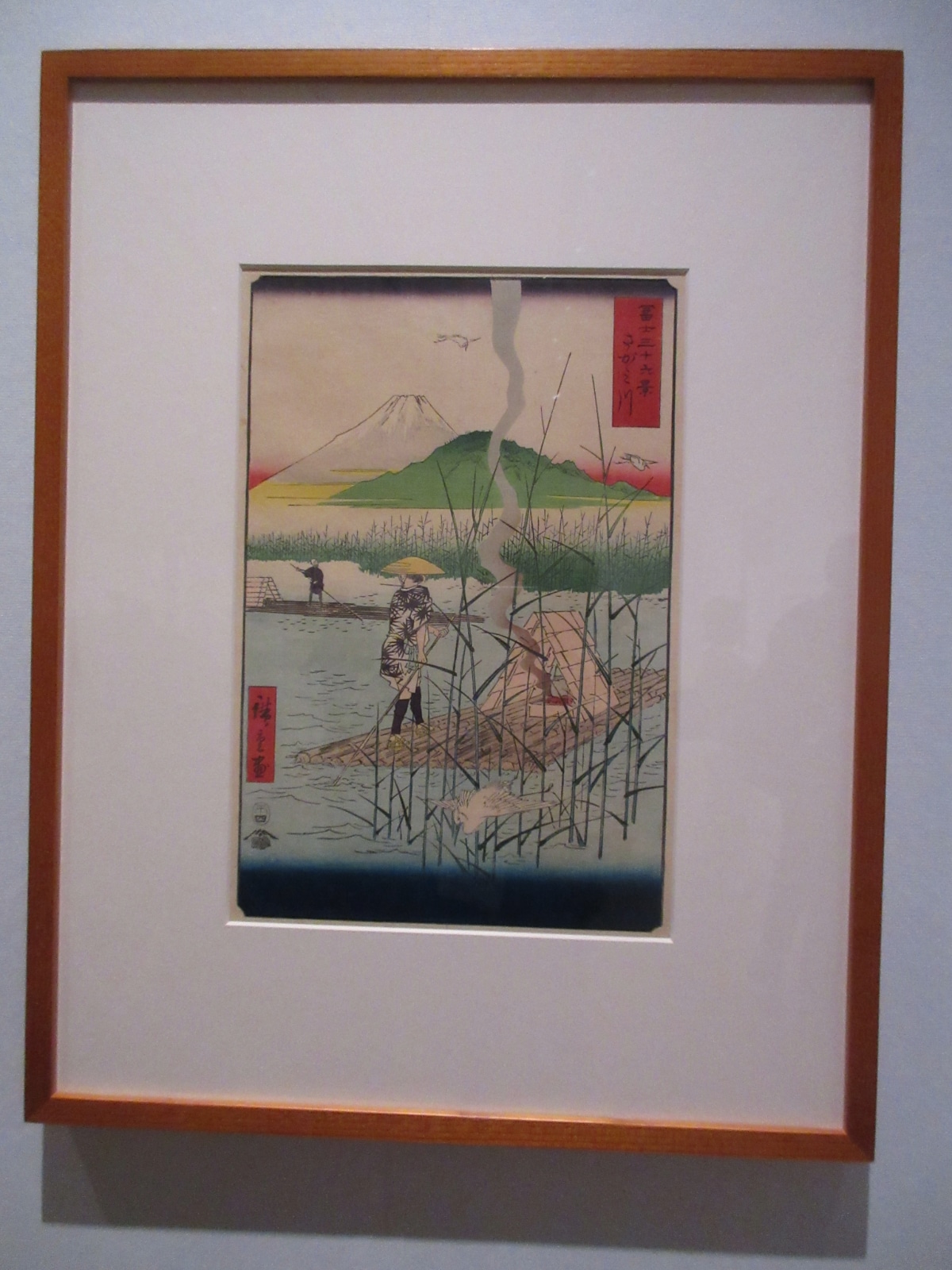
In works such as *Meguro Moto Fuji* from the series *One Hundred Famous Views of Edo*, Hiroshige employs his own vision to select locations and compositions that are quintessentially his own. This location is one that Hokusai did not depict. The exhibition includes works such as *Thirty-six Views of Mount Fuji: Sagami River*, which Van Gogh famously incorporated into the background of his own painting *Portrait of Père Tanguy*; seeing the actual *ukiyo-e* print that inspired Van Gogh is a truly fascinating experience.
“Chapter 3: Two Views of Fuji, Each Artist’s Fuji” truly embodies the exhibition’s central theme, unfolding a unique artistic vision. Visitors can view an overwhelming number of works—an abundance that feels almost exhaustive—including Hokusai’s *Thirty-six Views of Mount Fuji* and Hiroshige’s *Thirty-six Views of Mount Fuji*, published about twenty years later. The exhibition offers an exciting experience that will captivate even those who are not avid *ukiyo-e* fans.
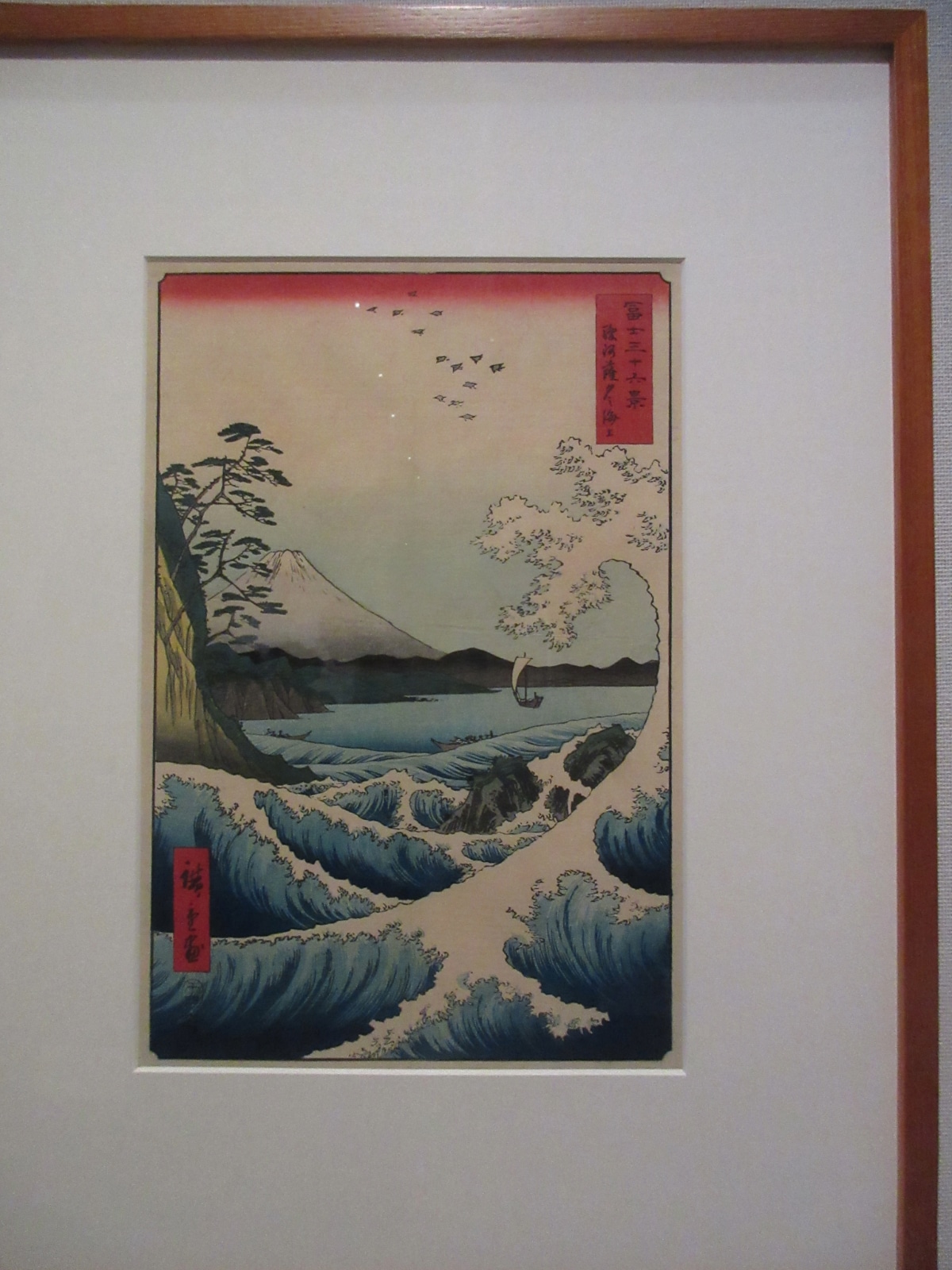
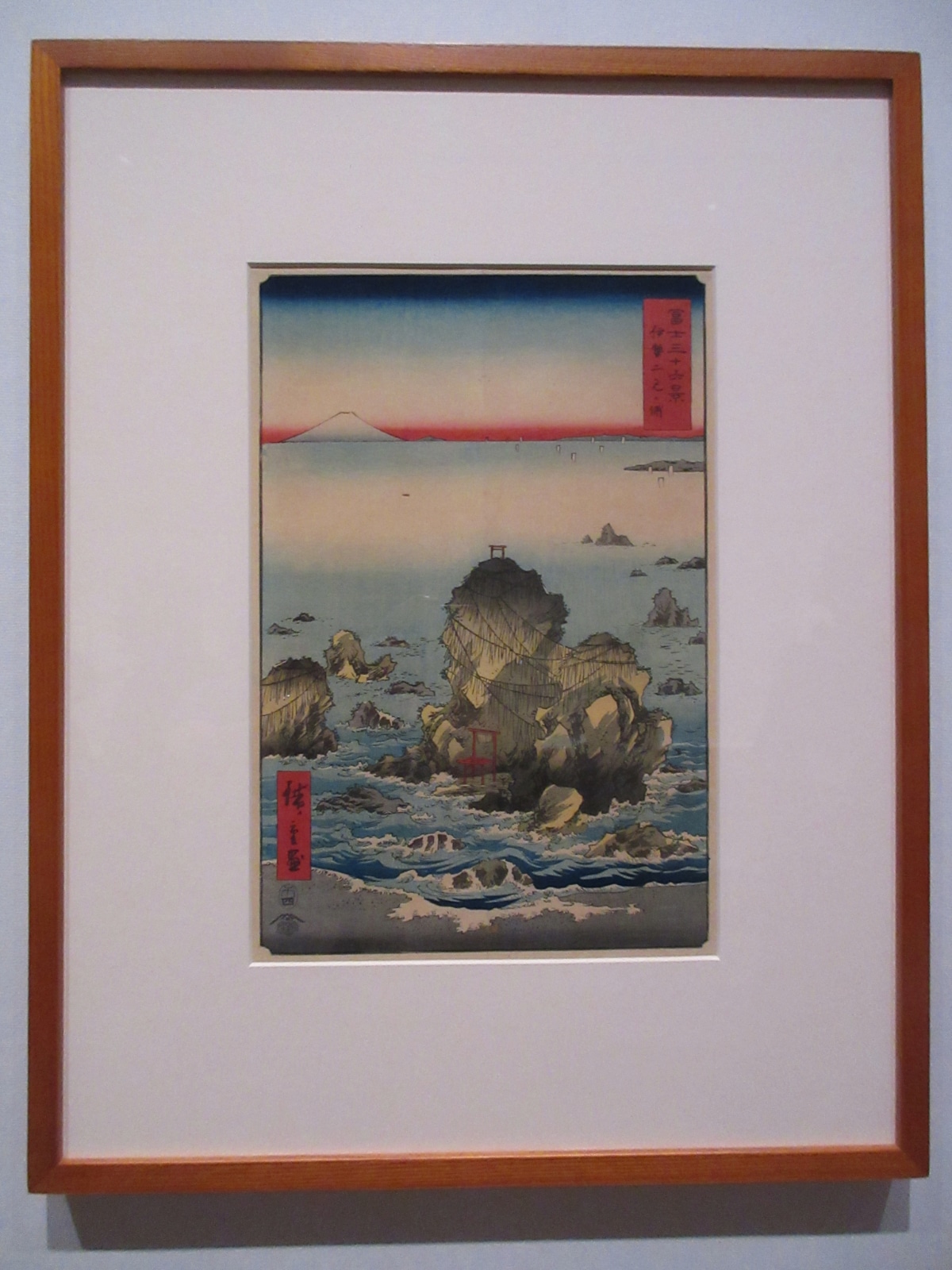
This chapter also features works from Hokusai’s *Fifty-three Stations of the Tōkaidō* and Hiroshige’s *Thirty-six Views of Mount Fuji*; by comparing them side-by-side, visitors can clearly perceive the distinct artistic worlds each master sought to create.
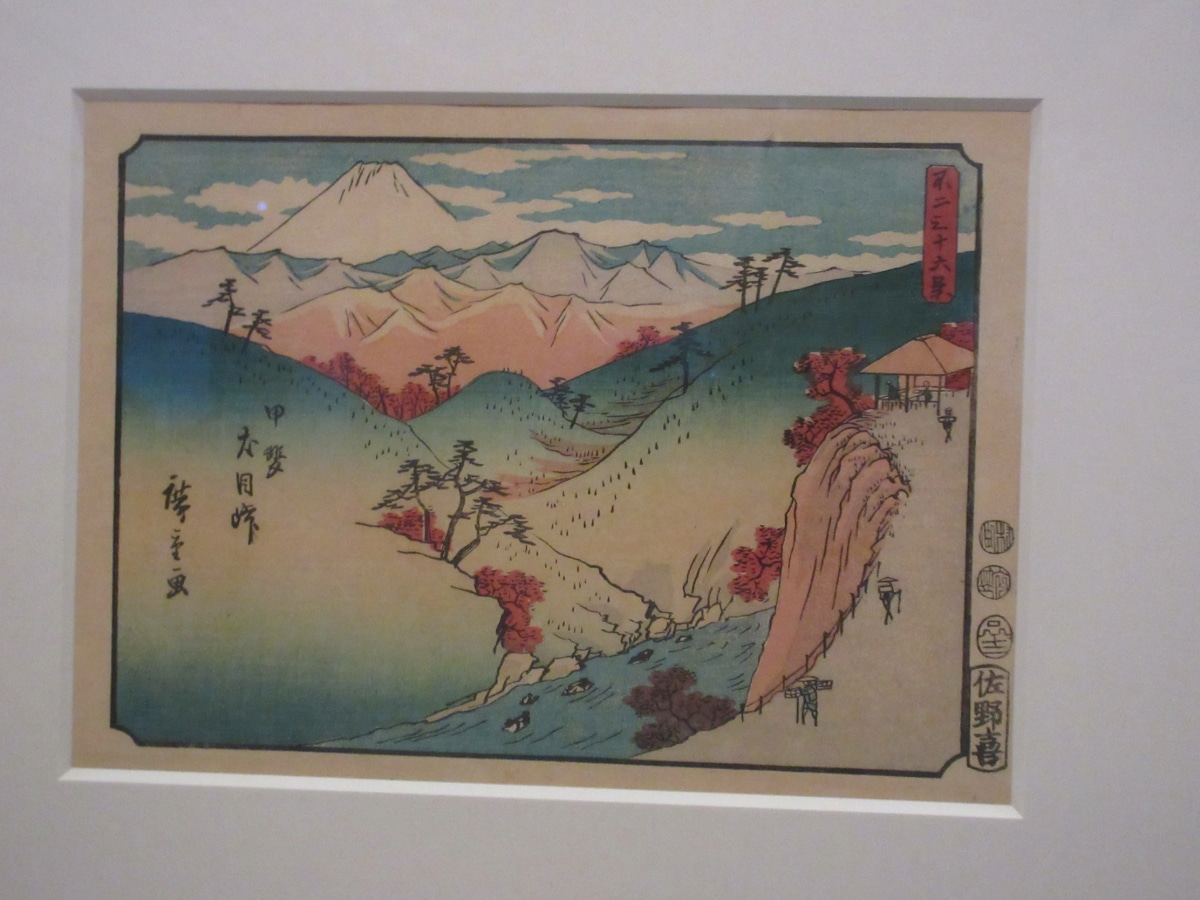
Both artists depicted Mount Fuji, yet they did not share the same vision. Even when portraying the same location or employing similar compositions, their unique artistic styles shine through, revealing completely different worlds.
This exhibition—a showcase of two masters competing side-by-side—is made possible only by the Sumida Hokusai Museum and is an event not to be missed.
【Exhibition Period】
June 23, 2026 (Tue) – August 30, 2026 (Sun)
*Some exhibits will be rotated between the first and second periods.
First Period: June 23 (Tue) – July 26 (Sun)
Second Period: July 28 (Tue) – August 30 (Sun)
Opening Hours: 9:30–17:30 (Last admission at 17:00)
Read also,
- The Collector Chosen by Kyōsai, the “Demon Painter”: The Israel Goldman Collection Exhibition
- Special Exhibition Celebrating 160 Years of Amity between Belgium and Japan: A Journey of Artistic and Knowledge Exchanges at Kokugakuin University Museum
- “The Maeda: Legacy of a Prosperous Samurai Family” – A Magnificent Exhibition Commemorating the 100th Anniversary of the Maeda Ikutokukai Foundation