Special Exhibition Celebrating 160 Years of Amity between Belgium and Japan: A Journey of Artistic and Knowledge Exchanges at Kokugakuin University Museum
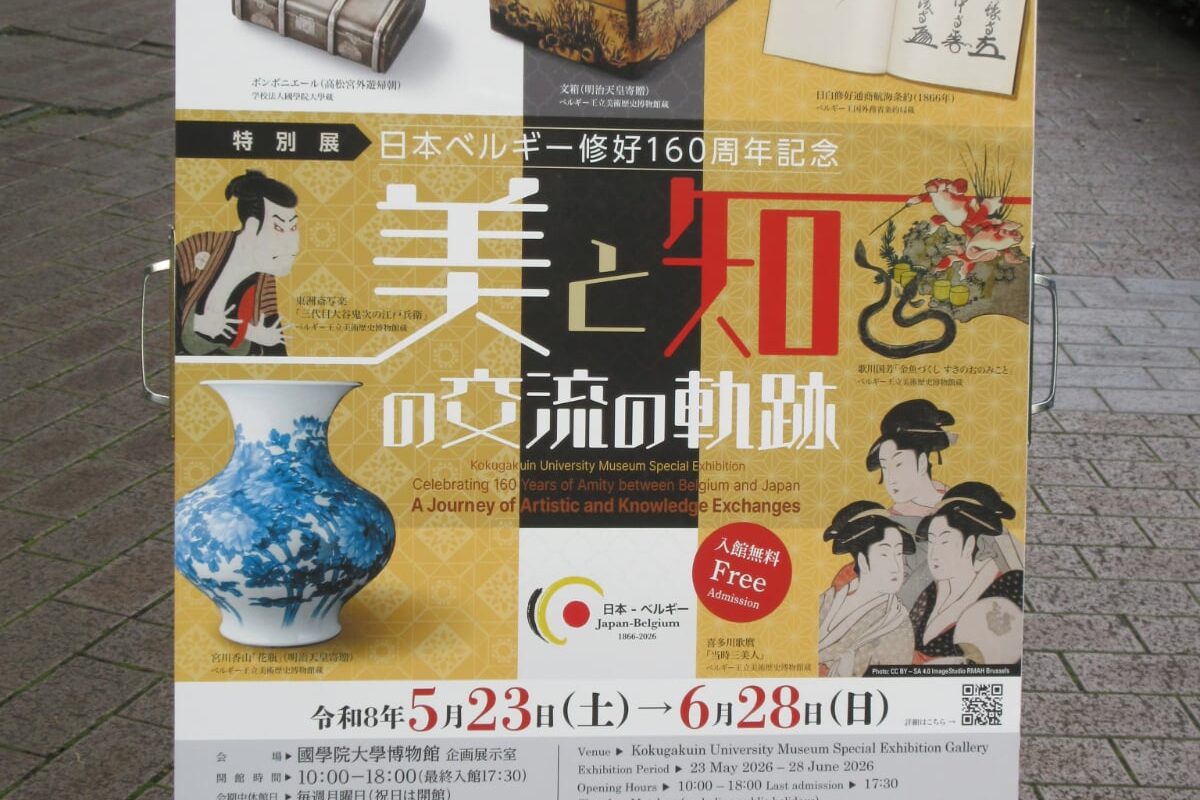
Belgium, which this year saw a visit by Their Majesties the Emperor and Empress, has built a very good long-standing relationship with Japan.
This friendly relationship dates back to the end of the Edo period. In December 1865, Auguste t’Kint de Roodebeek, the first Belgian diplomat, arrived in Japan. After several months of negotiations, on August 1, 1866, Belgium and Japan concluded the “Treaty of Amity, Commerce and Navigation” at Chōōji Temple in Japan. Since then, exchanges between Japan and Belgium have begun.
This exhibition, with “Beauty” and “Knowledge” as its keywords, was planned and held in collaboration with KU Leuven, a Catholic University in Belgium (a partner institution of Kokugakuin University), and under the patronage of the Belgian Embassy in Japan. It allows visitors to examine the excellent relationship between Belgium and Japan along a timeline.
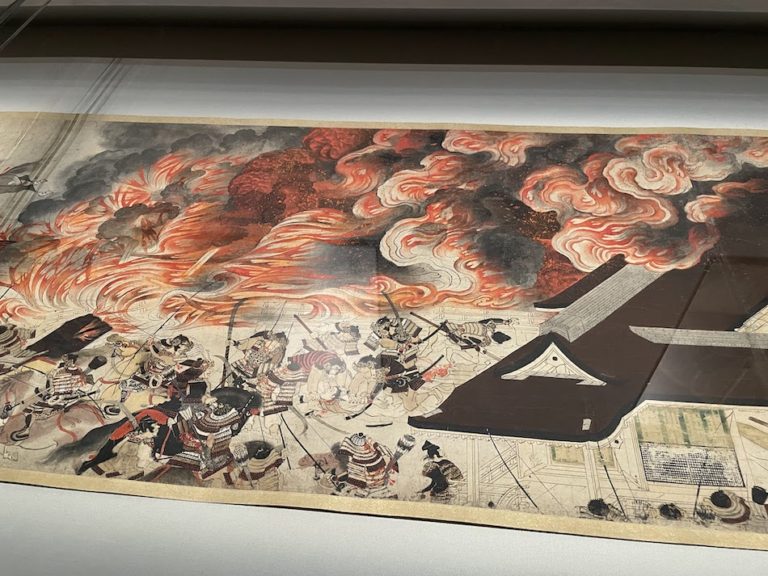
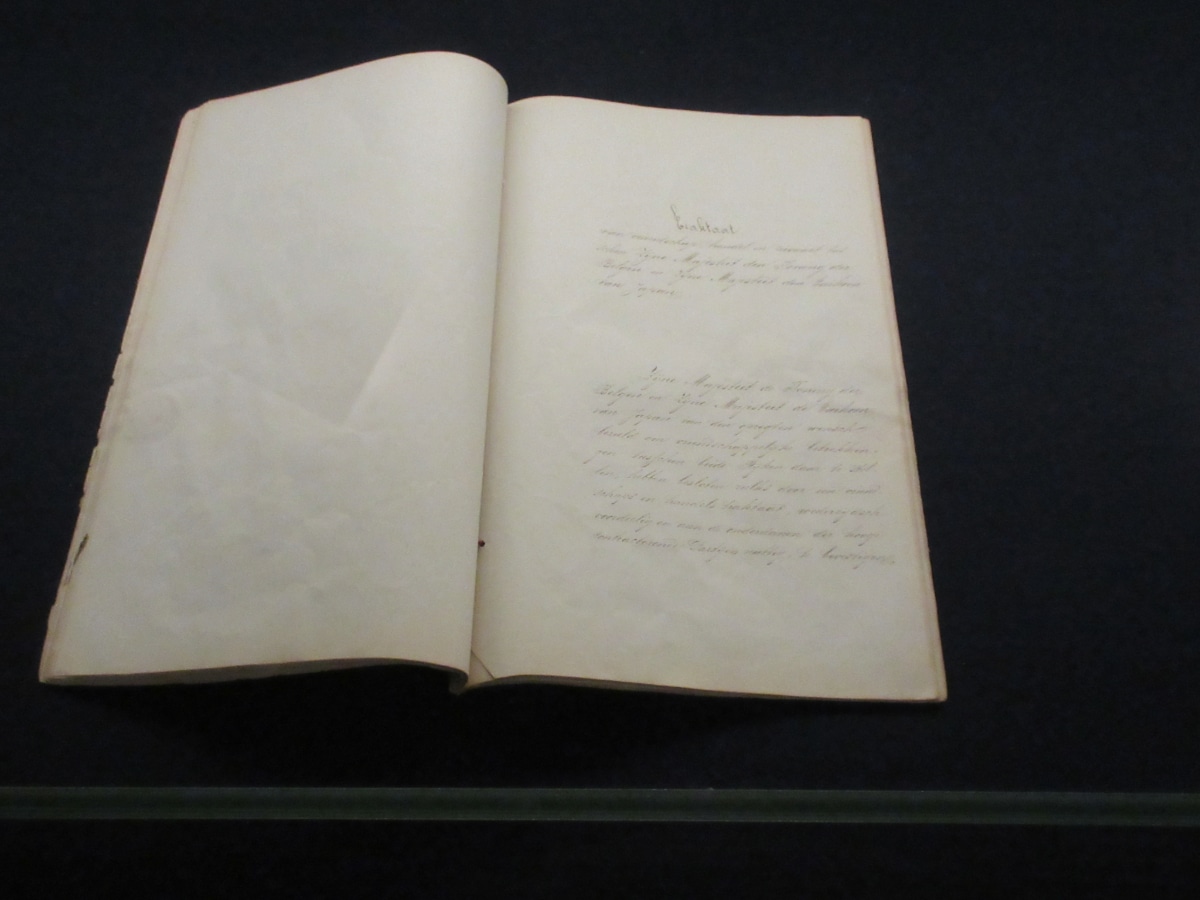
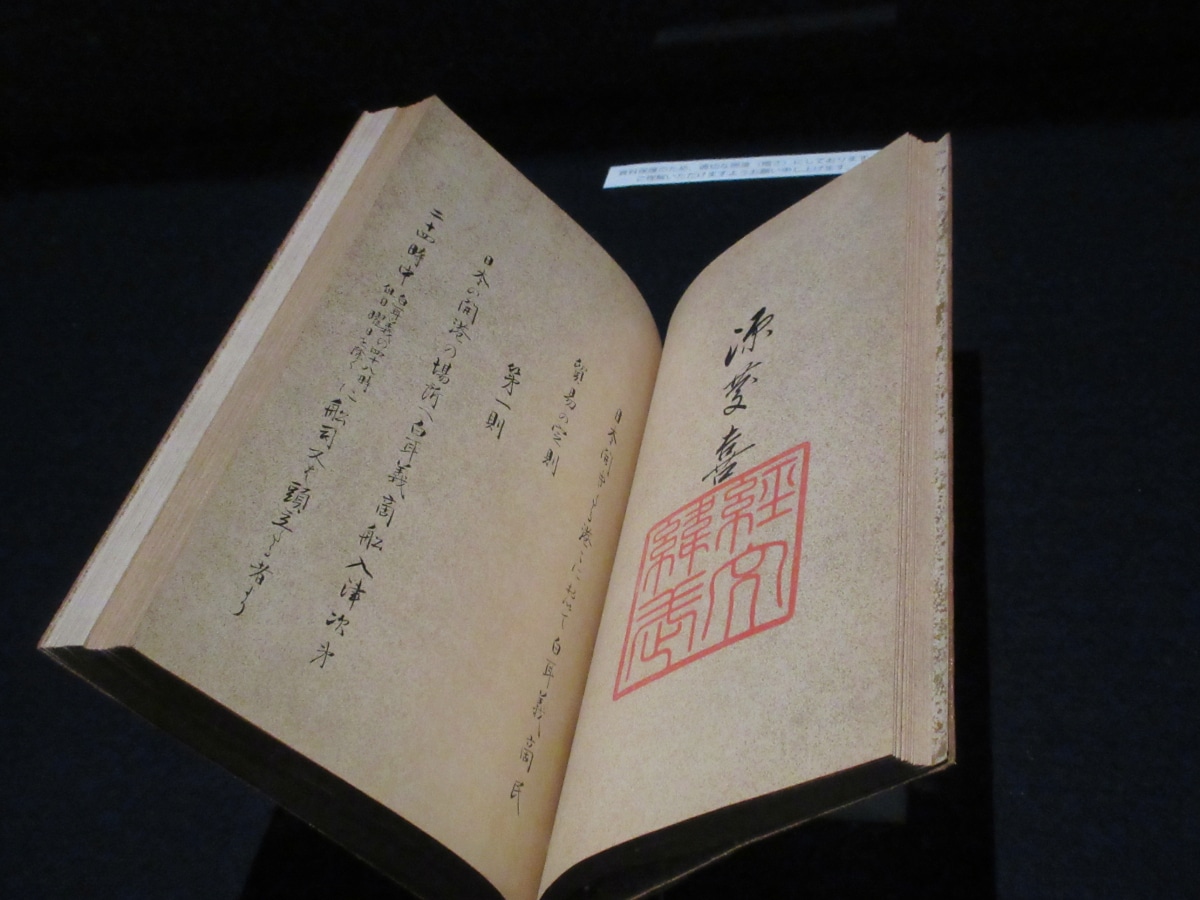
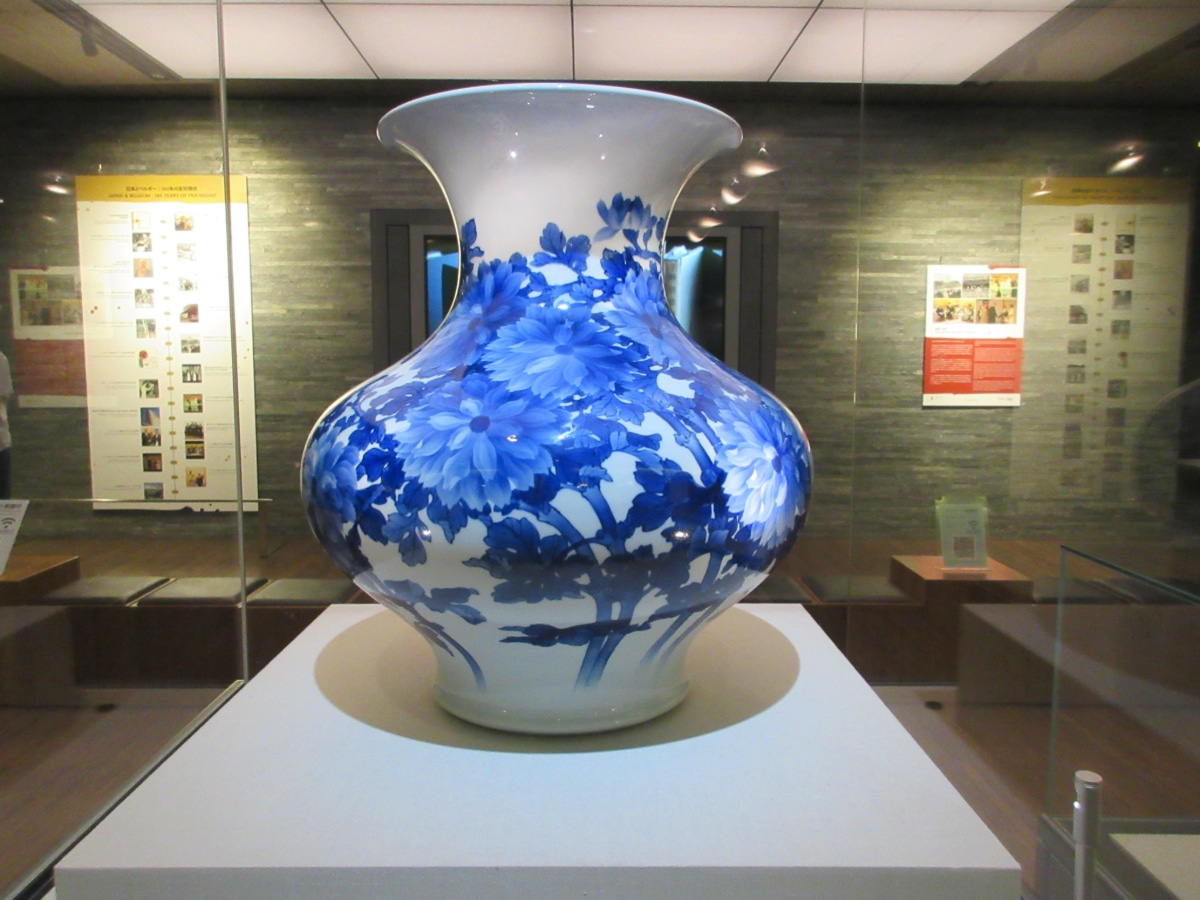
The exhibition features a wealth of diplomatic materials, including the original copy and ratification document of the Treaty of Amity, Commerce and Navigation between Japan and Belgium, signed 160 years ago. Also noteworthy are the handcrafted items donated by Emperor Meiji, which have returned to Japan for the first time specifically for this exhibition.
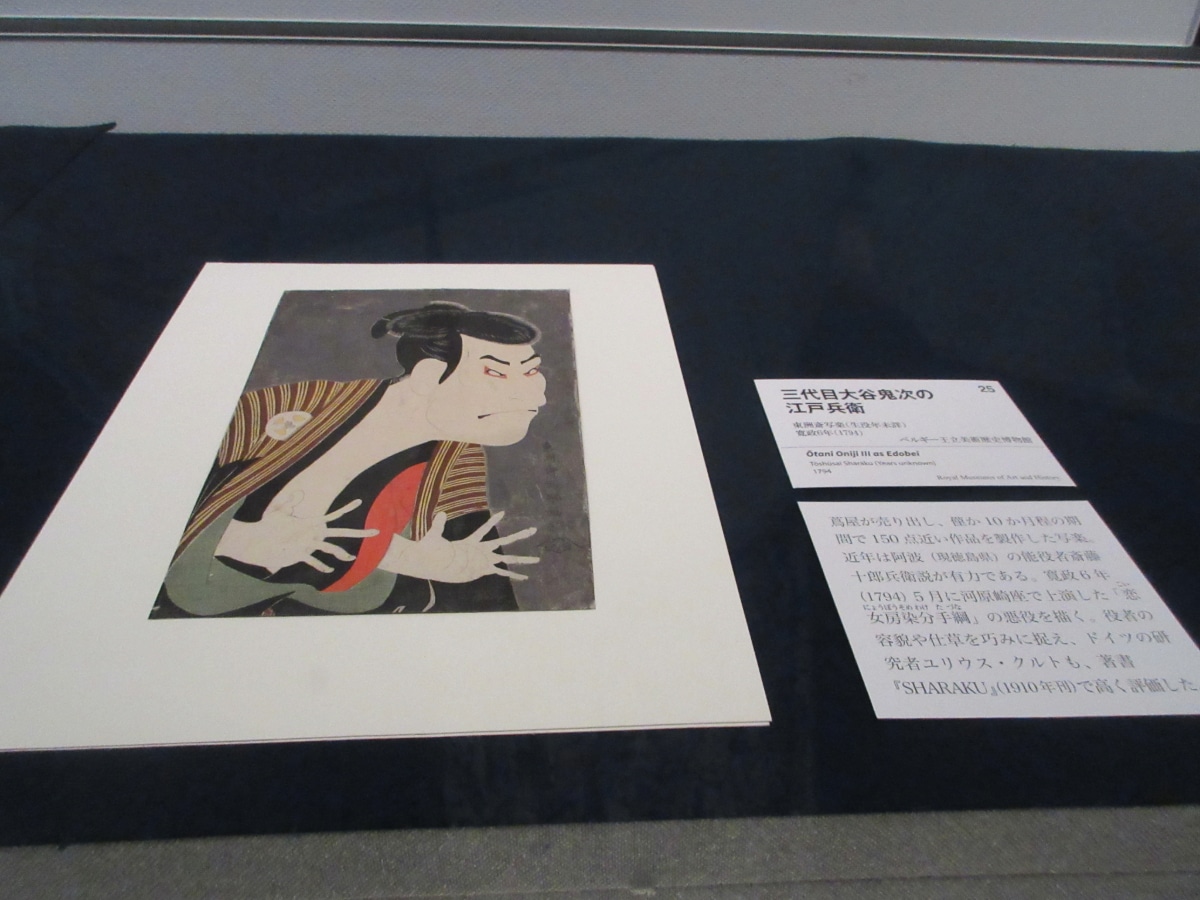
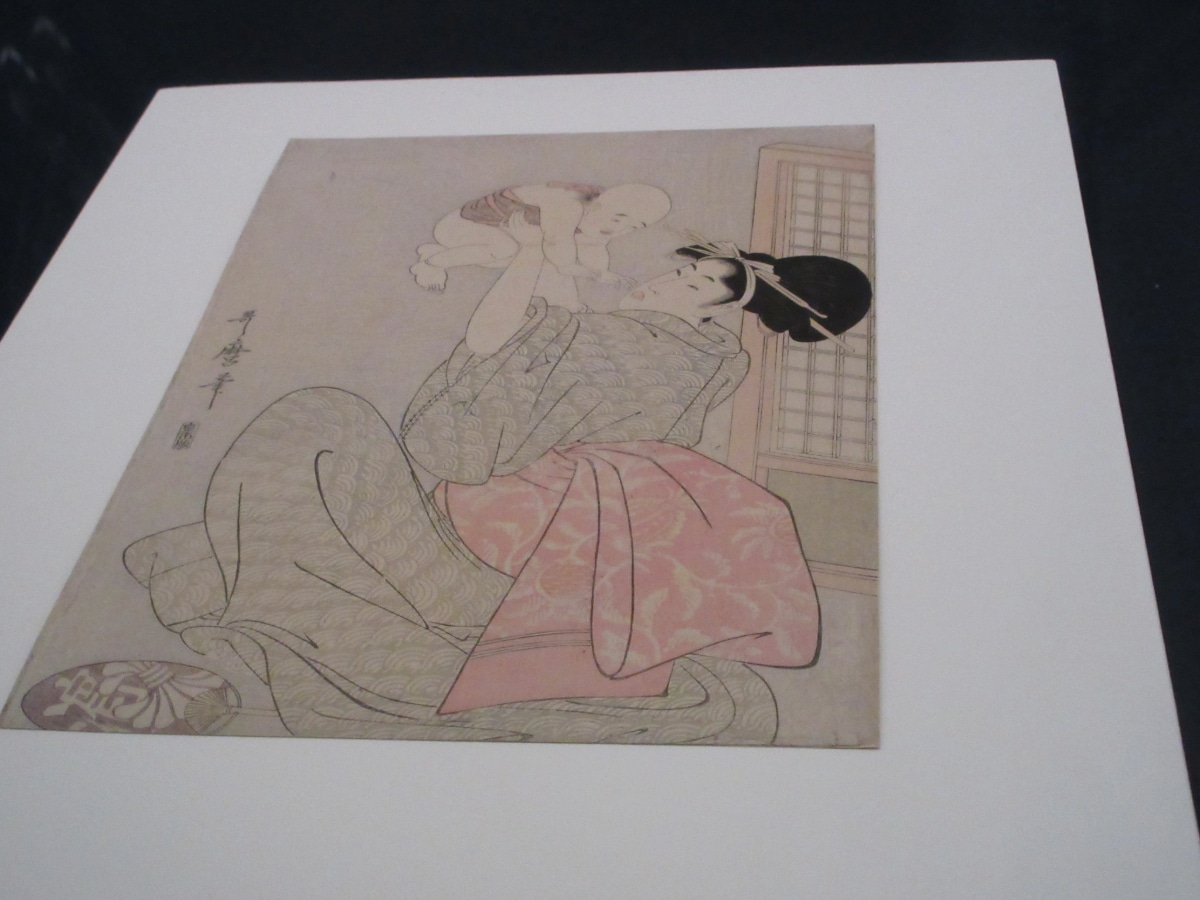
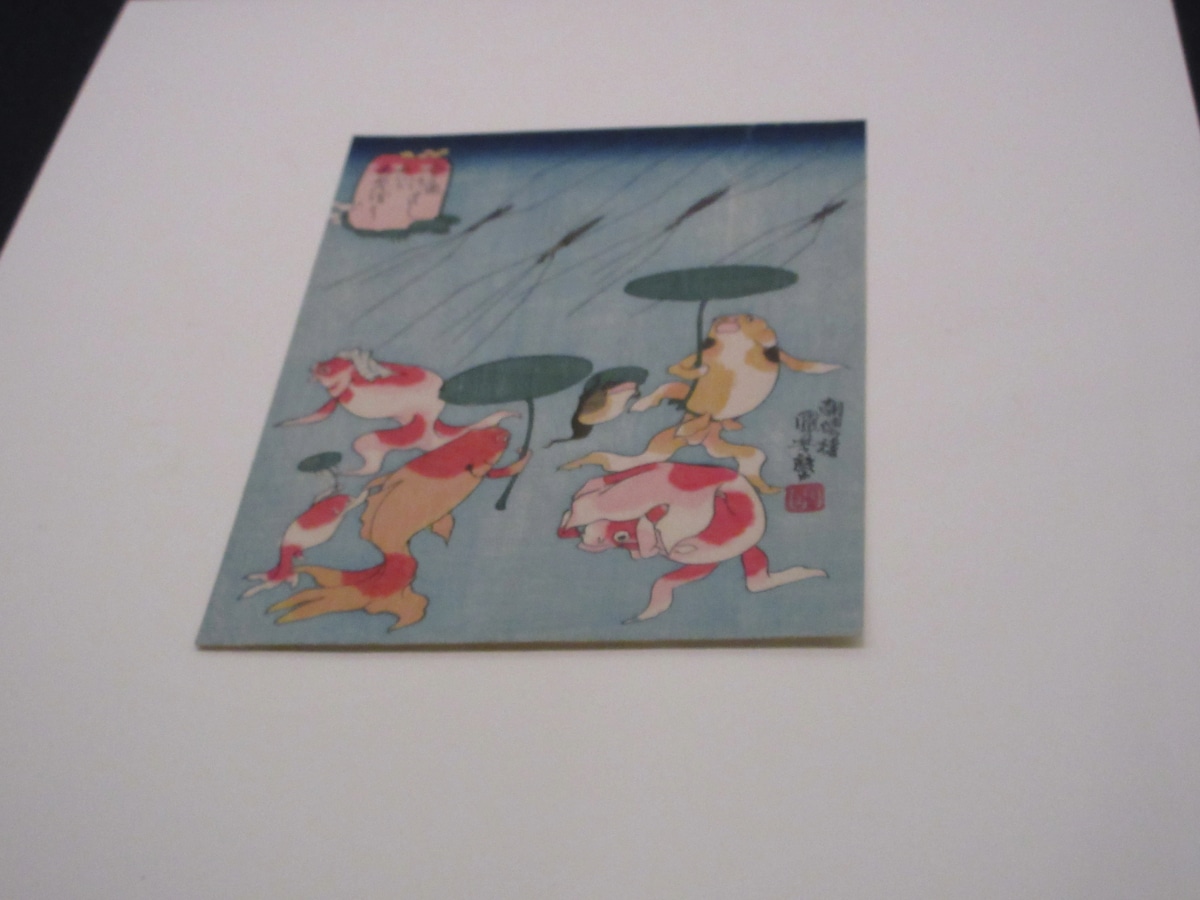
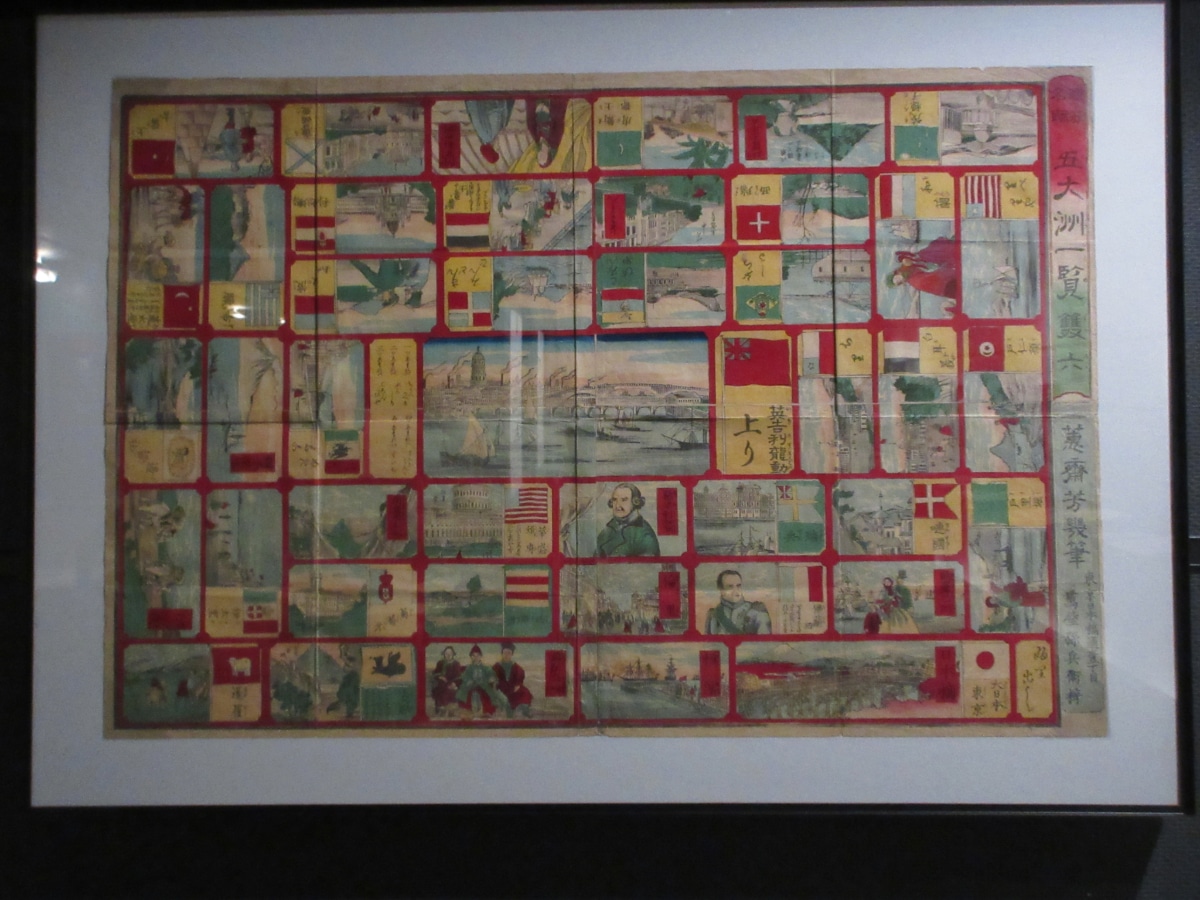
However, the most remarkable works of art here are the ukiyo-e prints from the Royal Museums of Art and History in Belgium. Their state of preservation is remarkable, considering they were created during the Edo period, and they evoke the early days of exchange between Belgium and Japan. These are all ukiyo-e prints that are quite familiar to Japanese people, and one can’t help but stop and admire them.
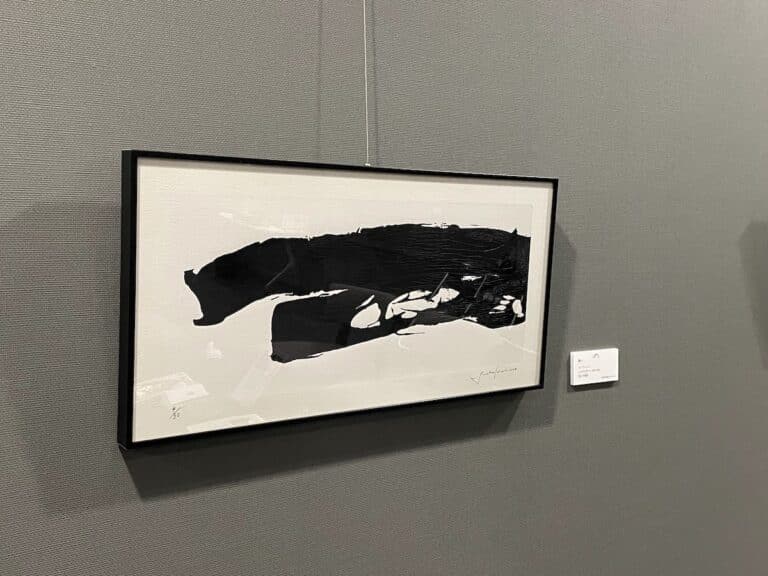
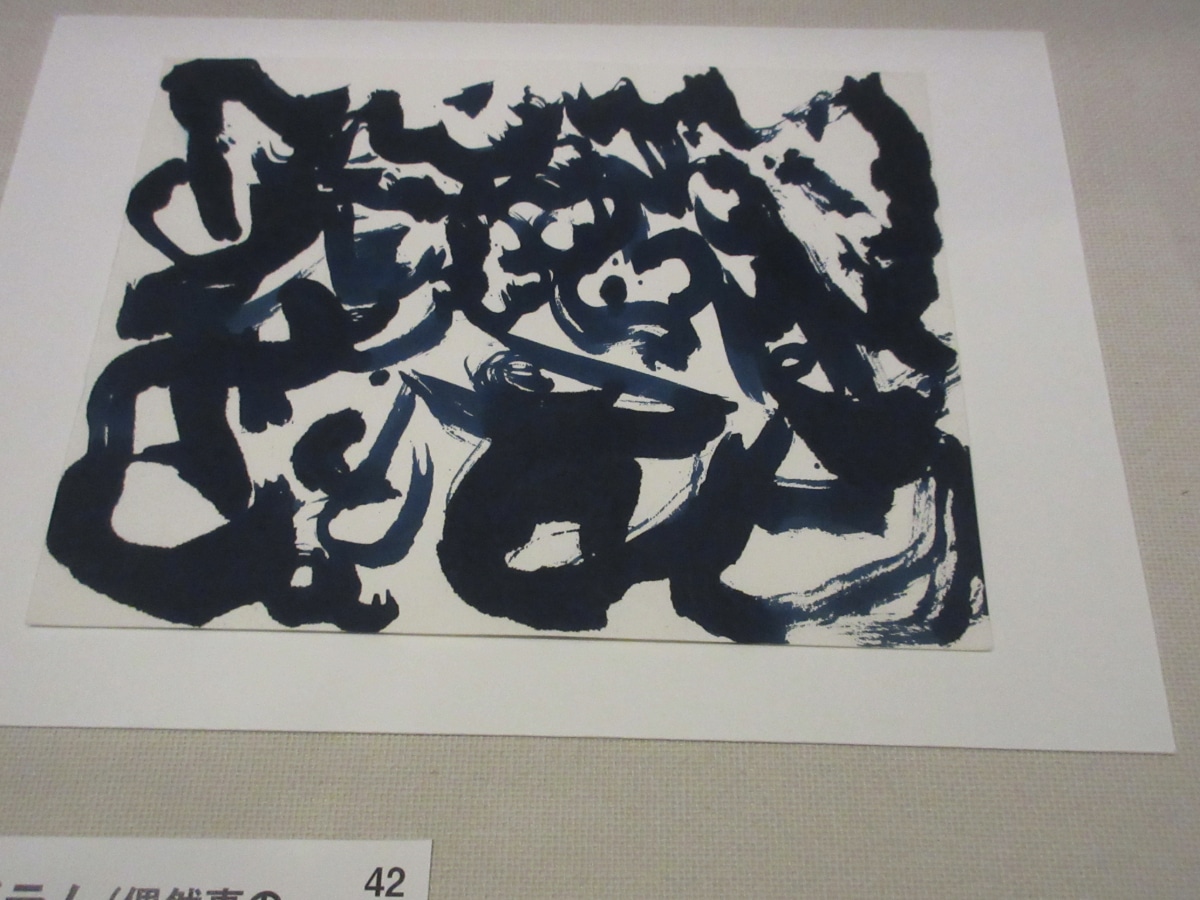
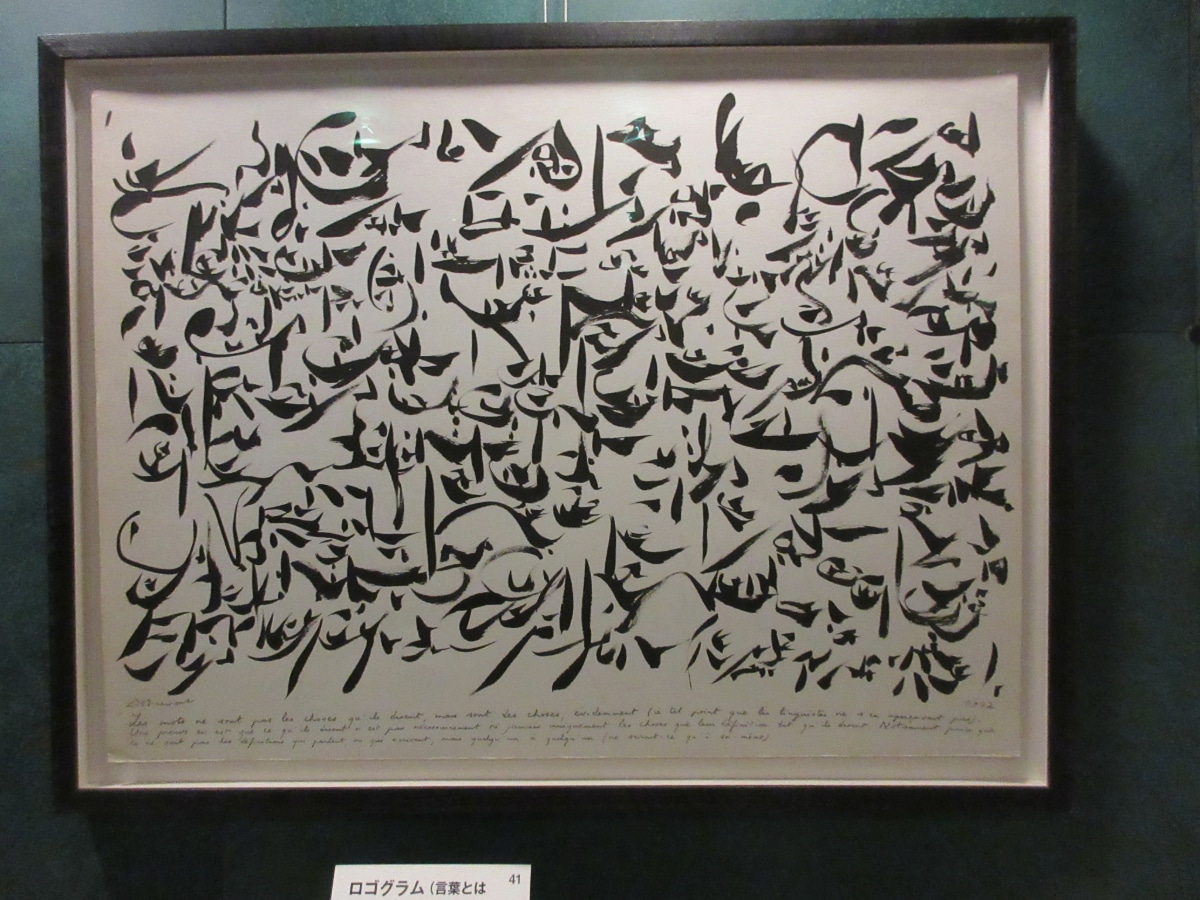
Furthermore, the exhibition also features works by Christian Dotremont, who was involved in Belgian Surrealism. Christian Dotremont, a leading Belgian poet and figure in Belgian Surrealism, created “logograms,” which stemmed from his interest in Eastern writing systems, including Chinese characters, during his exploration of language. The existence of “logograms,” which involve improvising and distorting characters, similar to those found in Japanese calligraphy, is influencing language regions that use alphabets to represent sounds. These works offer a fresh perspective on the relationship between language and writing.
We highly recommend you visit this exhibition, which runs until June 28th.
Read also,
- Belgium and Japan Mark 160 Years of Friendship at Embassy Reception in Tokyo
- Belgian King’s Day Reception Celebrates Strong Bilateral Ties with Japan
- Historic Belgian Economic Mission to Japan
- Ambassador Roxane de Bilderling, Discusses the Importance of Sustainability, the Empowerment of Women, LGBTQ Rights and Cultural Practices Post-Covid-19
- Experience “Barrier-Free Music” Philip Raskin Concert, Sponsored by the Belgian Embassy