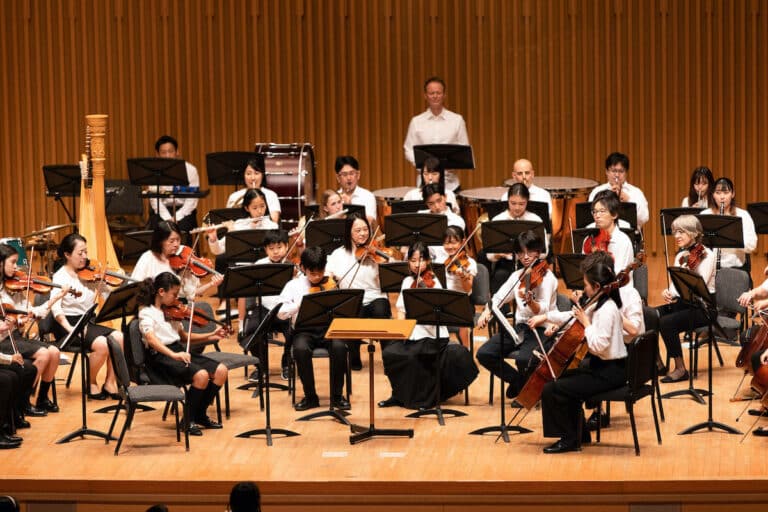
Commemorating the 160th Anniversary of Diplomatic Relations between Japan and Italy: A Joint Concert Featuring Young Musicians – Young Musicians from Japan and Italy Unite in a Performance Delivered with Heart and Soul!
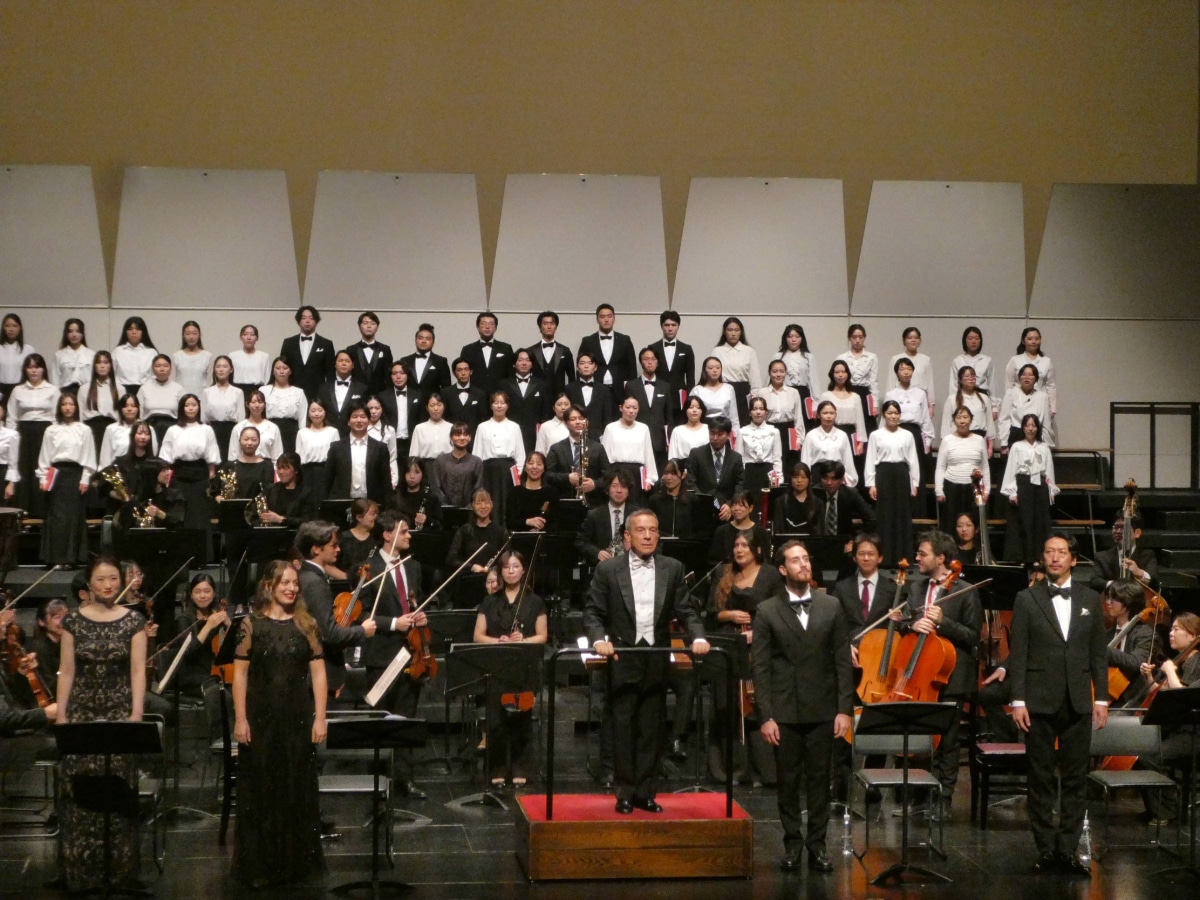
Rossini’s “Stabat Mater” was recently performed at Teatro Giglio Showa, the theater of Showa University of Music.
Showa University of Music has long maintained a strong relationship with Italy—a connection that stands out even within the institution’s own extensive history. Exchanges with the Conservatorio di Musica Santa Cecilia in Rome began in 1981, and in 1983, at the request of the Holy See, the university presented the world premiere of “King David” by Vitalini, commemorating the 1,950th anniversary of the death of Christ. The university has provided numerous opportunities to study Italian music—with a particular focus on vocal arts—by hosting masterclasses led by distinguished opera singers, such as Carlo Bergonzi. Furthermore, Showa University of Music established an “Italian Training Center” in Schiavon, in the Veneto region of northern Italy, offering Japanese students the chance to travel to Italy and study its rich musical traditions.
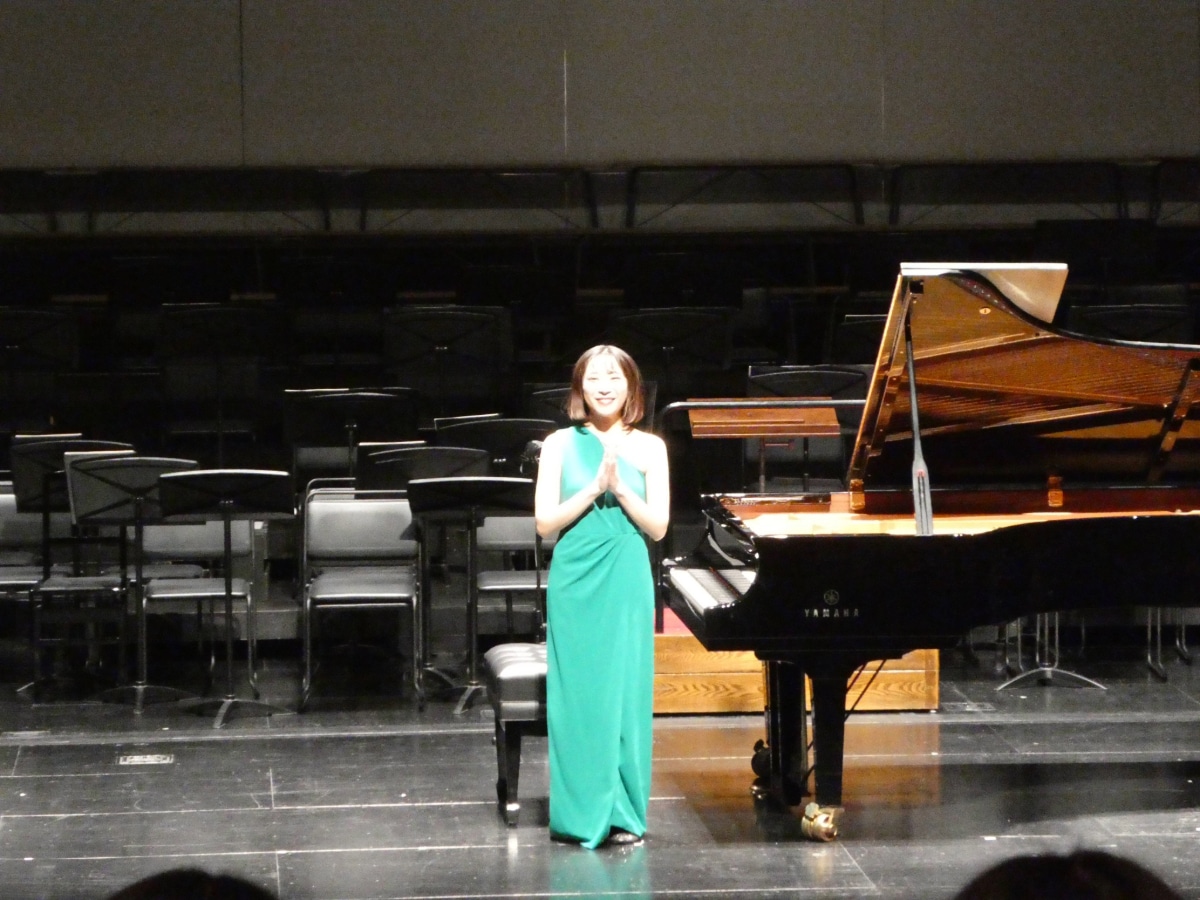
For this concert, the “Young Musicians European Orchestra” and a group of highly promising opera singers traveled from Italy to Japan. The Young Musicians European Orchestra and the Teatro Giglio Showa Orchestra joined forces to form a special “160th Anniversary Joint Orchestra.” Their performance was marked by the lush, vibrant tones of the string section—so characteristic of Italian music—complemented by the brilliant, radiant sound of the brass. Rossini’s “Stabat Mater”, performed with the specific intent of showcasing young musicians, was both youthful and fresh. At the same time, the chorus—which placed great emphasis on the Latin lyrics—imbued the work with a profound, weighty gravitas.
In Rossini’s operas and vocal works, the mezzo-soprano voice often takes center stage. It is frequently suggested—a theory still whispered today—that this is because the woman Rossini loved was a mezzo-soprano. Indeed, the lead roles in his operas “The Barber of Seville” and “La Cenerentola” are both written for mezzo-sopranos.
The mezzo-soprano also plays a pivotal role in this “Stabat Mater”. On this occasion, that significant responsibility fell to a young mezzo-soprano named Mara Gaudenzi. With her beautiful voice, precise intonation, and a rich—if still somewhat unpolished—expressive range, Gaudenzi elevated this challenging work into something truly magnificent.
Italy has a rich history of producing exceptional mezzo-sopranos, such as Giulietta Simionato, Fiorenza Cossotto, and the late Lucia Valentini-Terrani, whose life was tragically cut short. With her distinctively Italian, lustrous, and expansive voice—the kind of vocal quality often associated with the Italian tradition—this rising star, Mara Gaudenzi, seems destined to one day grace the world’s great stages.
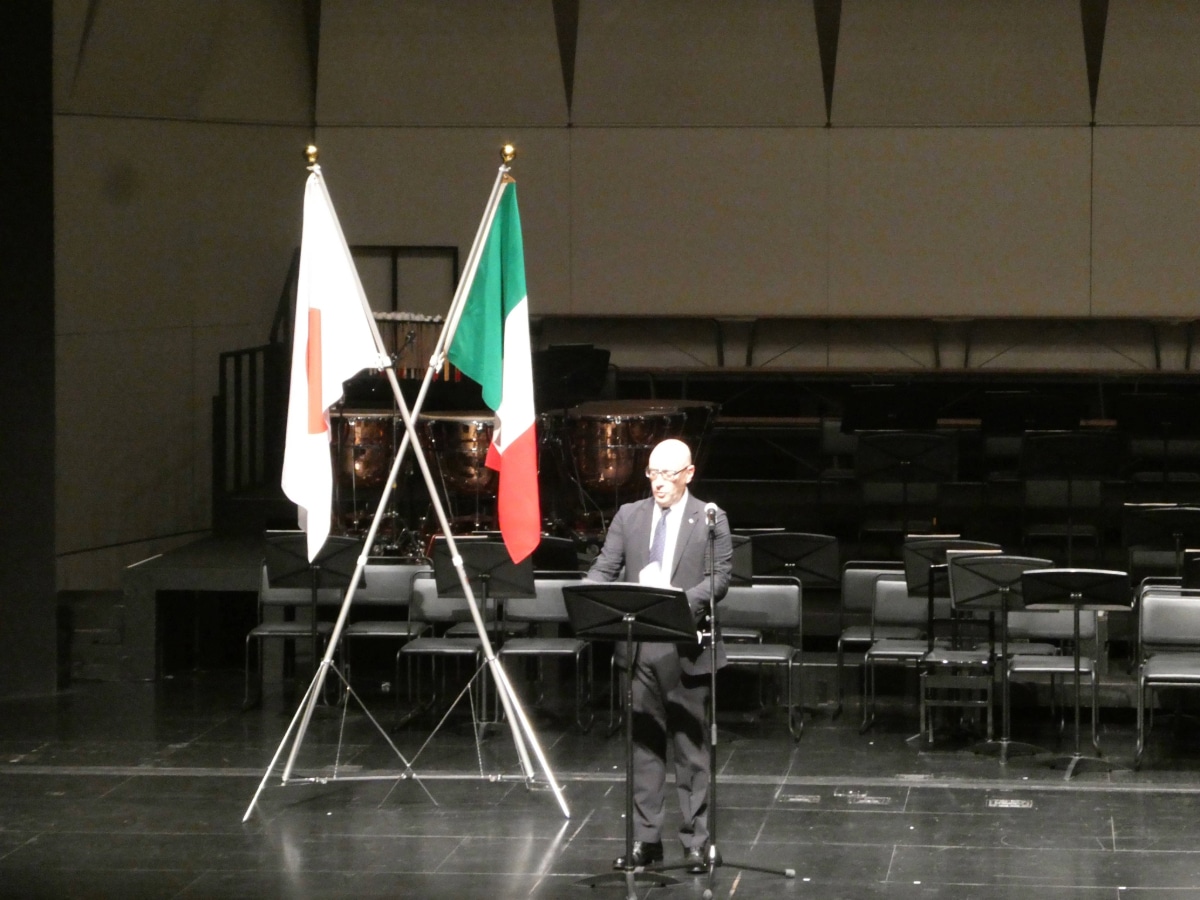
Organized by H.E. Mr. Mario Andrea Vattani, Ambassador, the Embassy of Italy in Japan, and Showa University of Music, this concert—which also served to commemorate the 160th anniversary of diplomatic relations between Japan and Italy—was a wonderful initiative. By providing young artists with a platform to perform and fostering exchange between Japan and Italy, it stood as a commendable example of “global citizenship in action.”
Read also,
- A Modern Renaissance: Exhibition and Dinner at the Italian Ambassador’s Residence Marking the Solfagnano Charter – “Nothing About Us, Without Us”
- Embassy of Italy in Japan and Yamaha Music Japan Sign Partnership Agreement to Foster Cultural Exchange
- Reliving the Magic of the Osaka Expo: Andrea Molteni Performs at the Italian Ambassador’s Residence
- House Concert at the Italian Embassy
- Inaugural “Dinu Lipatti Tokyo” Music Festival Held: Honoring the Legendary Romanian Pianist