A Visit to the Otsuka Museum of Art: Discovering World Art and Art History Through Engaging Experiences
Located near the Naruto Strait in Tokushima Prefecture, the Otsuka Museum of Art is a highly renowned tourist destination—not only within Tokushima but throughout Japan. Spanning from three basement levels to two floors above ground, the museum covers a total floor area of 29,412 square meters (approximately 9,000 tsubo) and houses around 1,000 masterpieces from across the globe.
The museum was established in March 1998 by the Otsuka Group to commemorate its 75th anniversary. It was conceived as a gesture of gratitude toward Naruto City—the company’s birthplace—and as a contribution to the education of children. While it serves as an enjoyable tourist attraction, it also offers children an exceptional opportunity for aesthetic and emotional development through exposure to world-class art, and serves as an invaluable treasure trove of resources for students of art history.
The masterpieces on display were carefully curated by a panel of six distinguished art historians. This group included prominent figures in the Japanese art world, such as committee chair Dr. Masanori Aoyagi—a former Commissioner for Cultural Affairs—and Dr. Yasujiro Otaka, a Waseda University professor emeritus and a world-renowned authority on Spanish painting. The works selected by these experts are reproduced on ceramic panels using specialized technology developed by Otsuka Ohmi Ceramics Co., Ltd., ensuring that each piece matches the exact dimensions of the original.
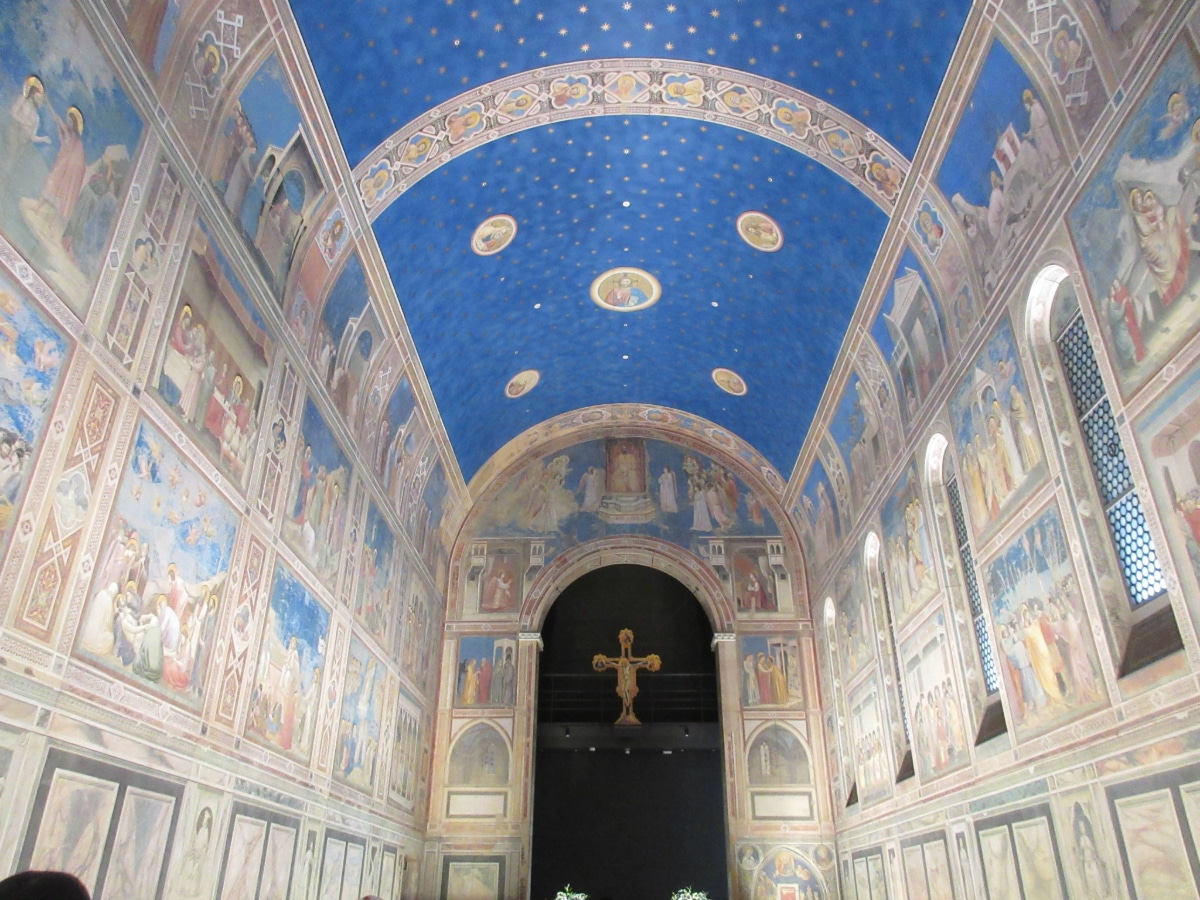
The mission of the Otsuka Museum of Art, supported by these specialized technologies, extends well beyond the mere exhibition of reproductions. The museum also provides significant academic cooperation, including the restoration of masterpieces that have been lost, scattered, or destroyed—for instance, as a result of war.
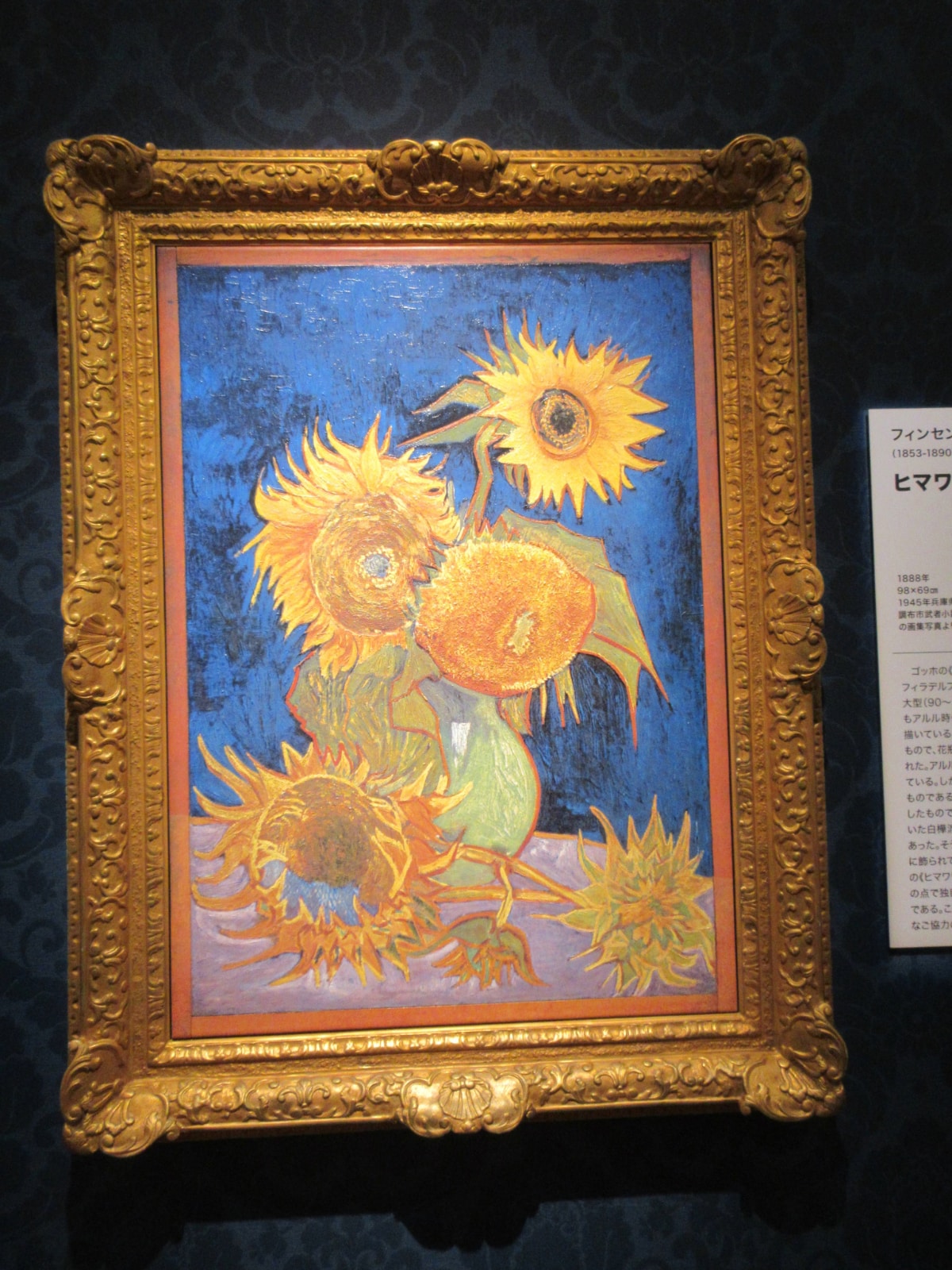
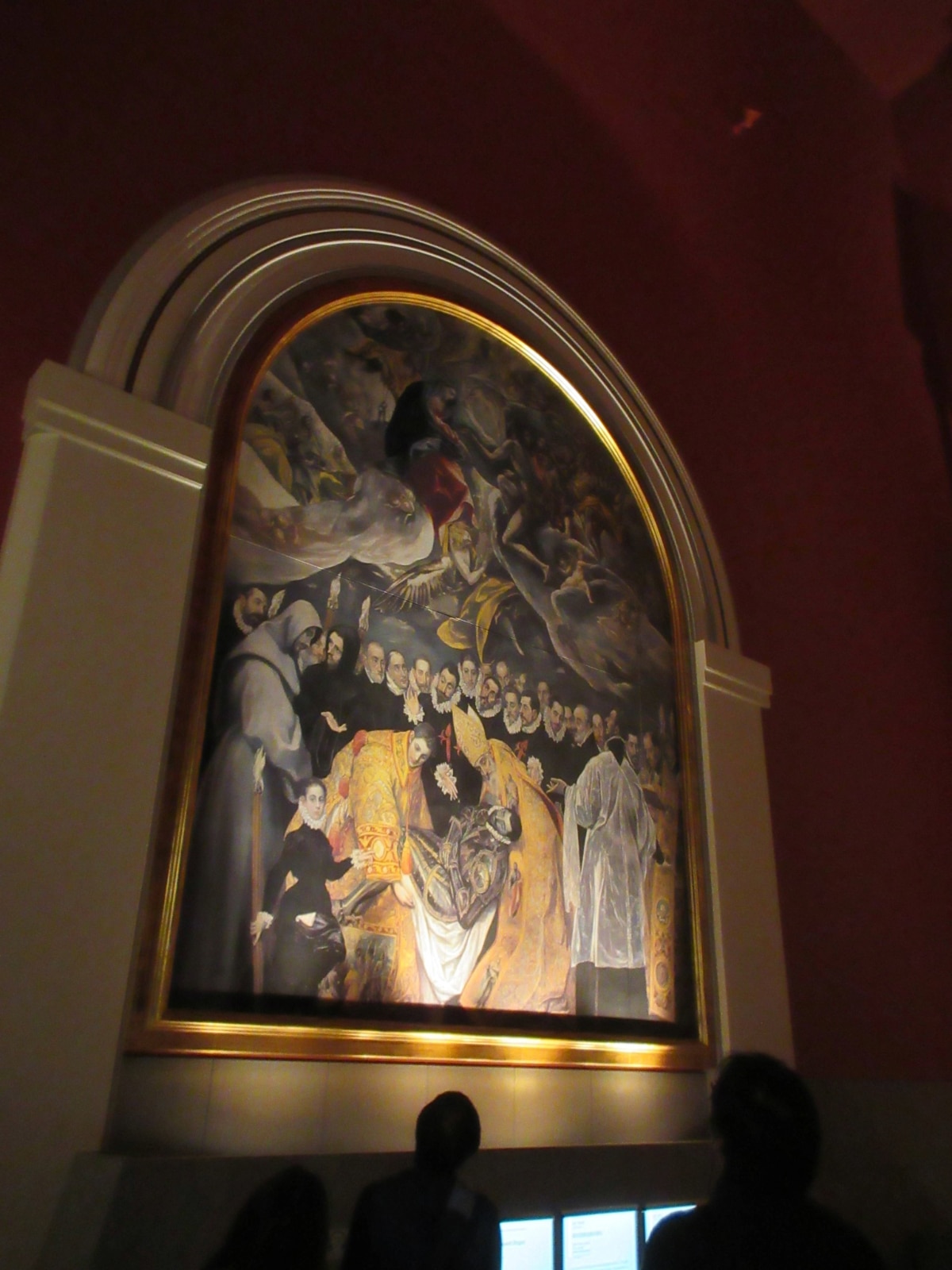
It is said that there are currently 12 versions of Vincent van Gogh’s famous “Sunflowers” in existence worldwide; the Otsuka Museum of Art houses seven of these, all depicting the flowers in a vase. Among them is a “lost” version that was once in Japan. It had been purchased and kept by a businessman in the Kansai region, but it was destroyed by fire during a major air raid on Ashiya—coincidentally, on the same day the atomic bomb was dropped on Hiroshima. By using surviving materials, such as a color-printed art book, the Otsuka Museum of Art has successfully recreated the painting on a ceramic panel, restoring it to its appearance before it was lost. Furthermore, the museum has taken on the challenge of reproducing an altarpiece by El Greco, resulting in a masterful reconstruction of the work. The museum also features a particularly compelling exhibition concerning Leonardo da Vinci’s renowned masterpiece, “The Last Supper.”
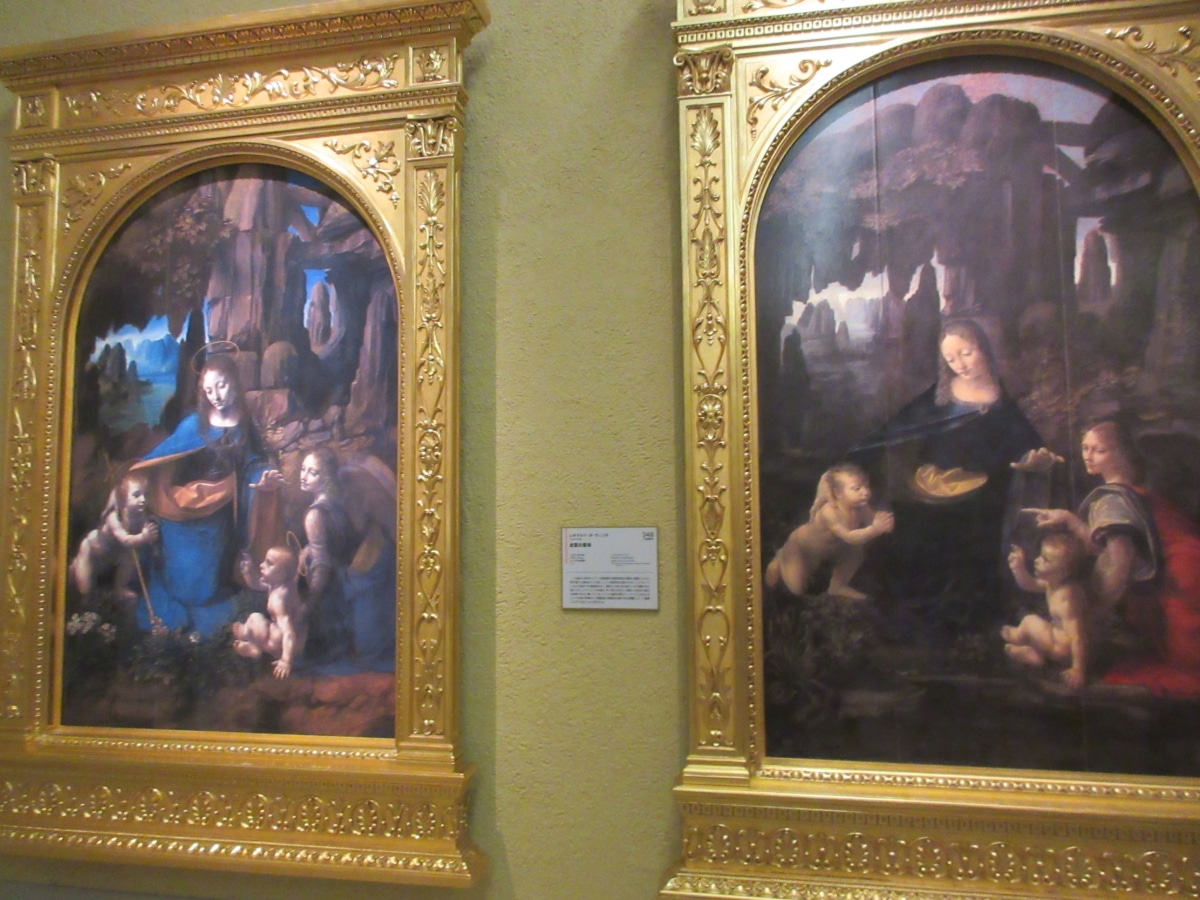
When creating “The Last Supper,” Leonardo da Vinci did not employ the fresco technique—the standard method for mural painting at the time—but instead opted for a combination of tempera and oil paint. This approach likely allowed for greater delicacy in expression and the flexibility to make revisions. However, it carried a significant drawback. The tempera components were highly susceptible to deterioration caused by fluctuations in temperature and humidity. Signs of this degradation appeared during Leonardo da Vinci’s own lifetime, and the work subsequently underwent numerous large-scale restorations. In the 20th century, a major, scientifically-based restoration was carried out, allowing “The Last Supper” to regain its original appearance. Here, works are displayed in both their pre-restoration state—as they were once seen—and their current, restored state, allowing visitors to re-examine their history.
It is also noteworthy that the Otsuka Museum of Art not only plays a significant role in art history but also opens its doors to a wide audience by framing the “art museum” experience as something inherently enjoyable.
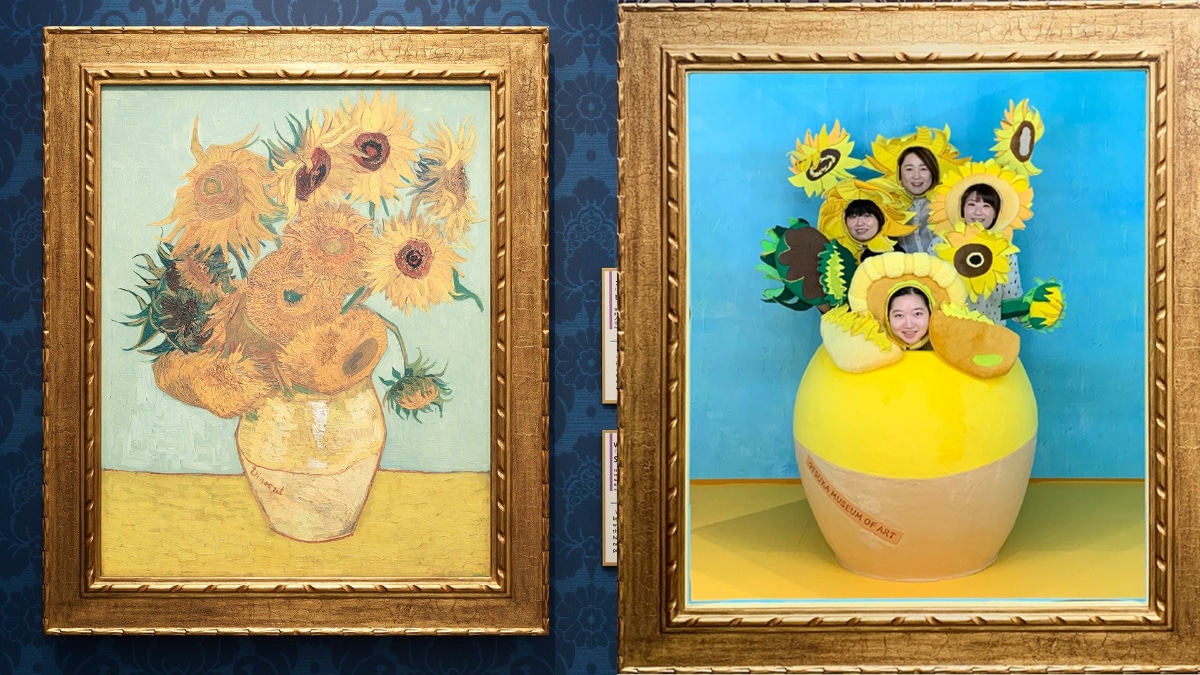
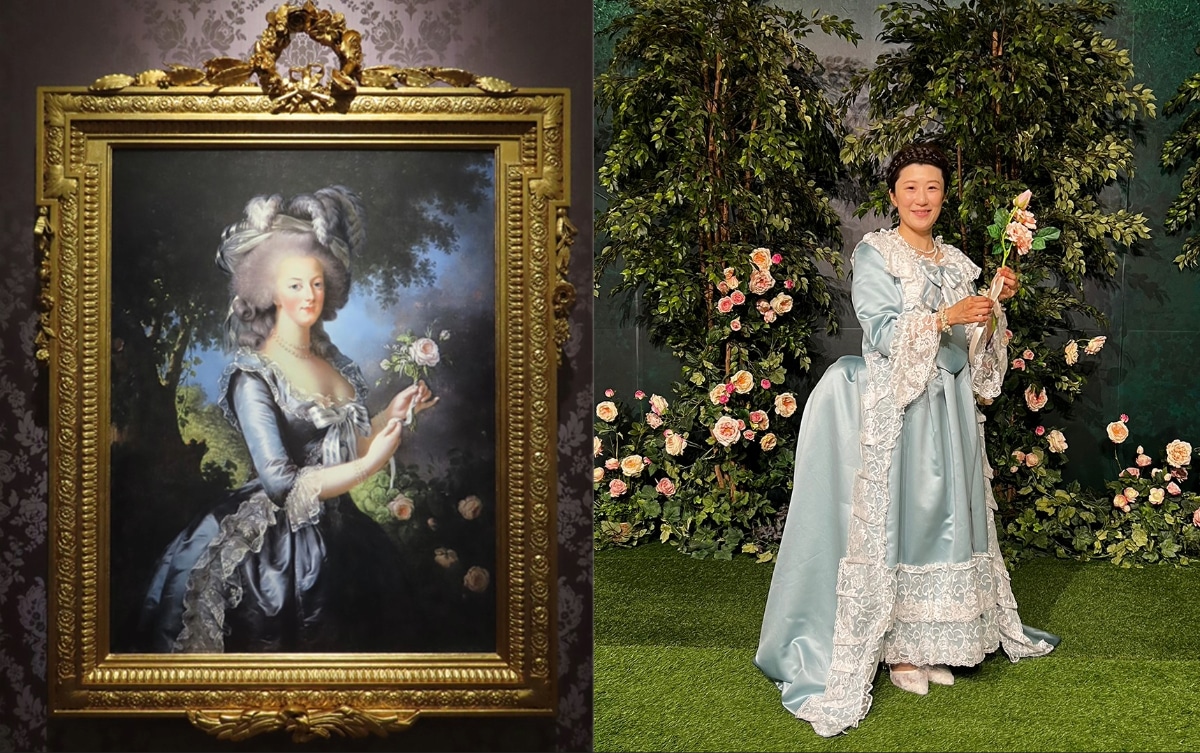
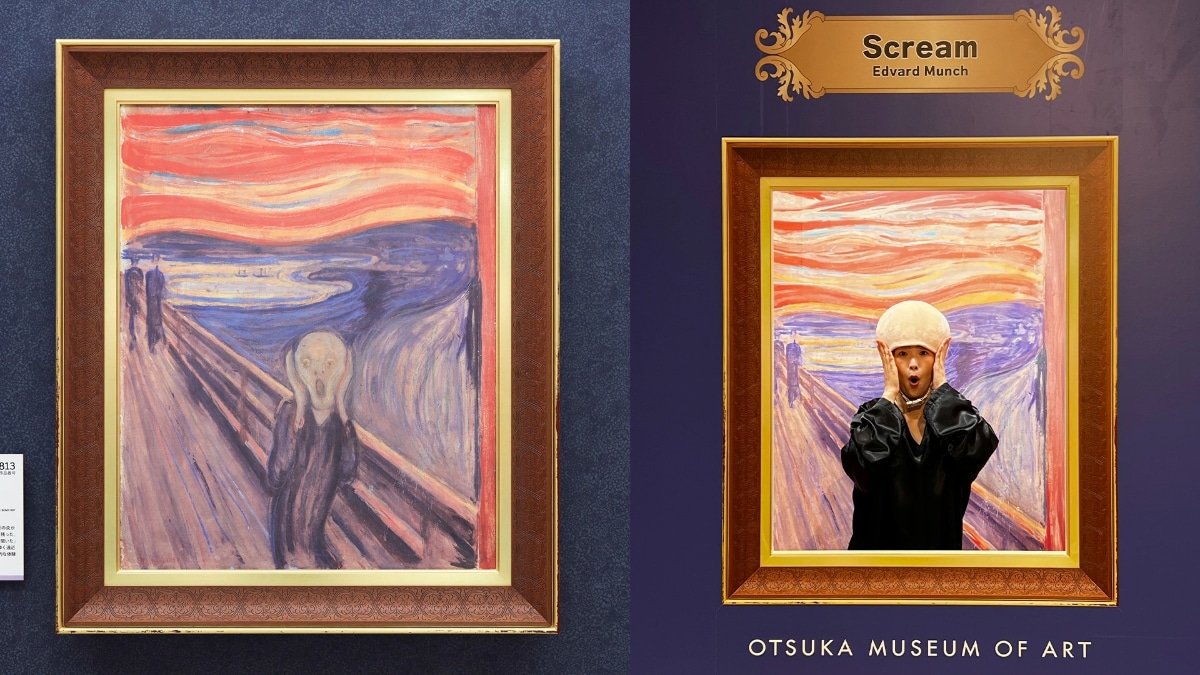
A visit to the Otsuka Museum of Art reveals a large number of young people among the visitors—a generation that appears to be genuinely enjoying the museum. One reason for this is the museum’s public outreach initiatives, which have helped transform it into a more engaging and enjoyable space. One such initiative is the interactive event “#ArtCosplayFes2026 @ Otsuka Museum of Art” (running from Saturday, July 18, to Sunday, November 8, 2026). The concept involves selecting 10 works—ranging from past favorites to new additions—and inviting visitors to don costumes and “step into” the paintings. By “becoming” a figure from a masterpiece, visitors are encouraged to explore the details of the work and deepen their understanding. This experience helps reshape the common, yet mistaken, perception that art museums are stiff or boring. Instead, it reveals them to be treasure troves of knowledge and truly enjoyable spaces. For younger visitors, such an engaging experience can transform the museum into a familiar and fun destination, making future visits feel natural and accessible. It was striking to see people of all ages and backgrounds thoroughly enjoying this cosplay experience.
One visitor, now in their seventies—who has made visiting art museums around the world a lifelong pursuit—remarked, “This place holds my entire life.” Whether discovering a masterpiece for the first time or reuniting with a work seen long ago, the Otsuka Museum of Art makes it all possible. I hope many people will take the opportunity to spend a day in Tokushima, where they can rediscover the profound joy of encountering the world’s great masterpieces.
Read also,
- Reproduction of Western Masterpieces From Around the World : Otsuka Museum of Art’s Mission and Contribution to the World
- Rembrandt the Etcher: His Challenges and His Impact – Organized jointly with The Rembrandt House Museum (Netherlands) and held at The National Museum of Western Art, Tokyo.
- Enjoy curation with rich ideas
- Special Exhibition Commemorating 160th Anniversary of the Establishment of Diplomatic Relations between Japan and Italy and the 550th Anniversary of Simonetta’s Death: “La Bella Simonetta Depicted in the Literary Works of Italy and Japan”
- Picasso, through the Eyes of Paul Smith: An Adventure in Playfulness