Tunisia and Japan Celebrate 70 Years of Diplomatic Relations
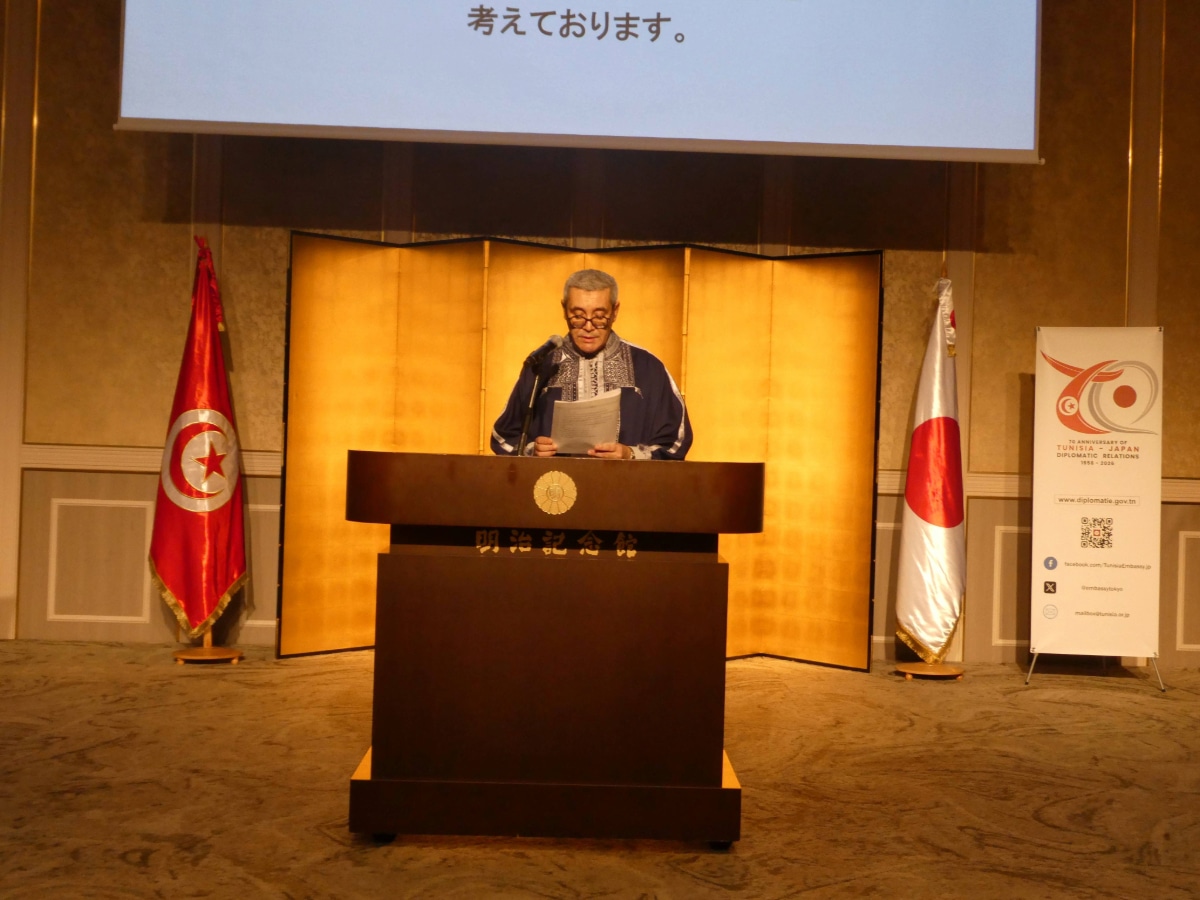
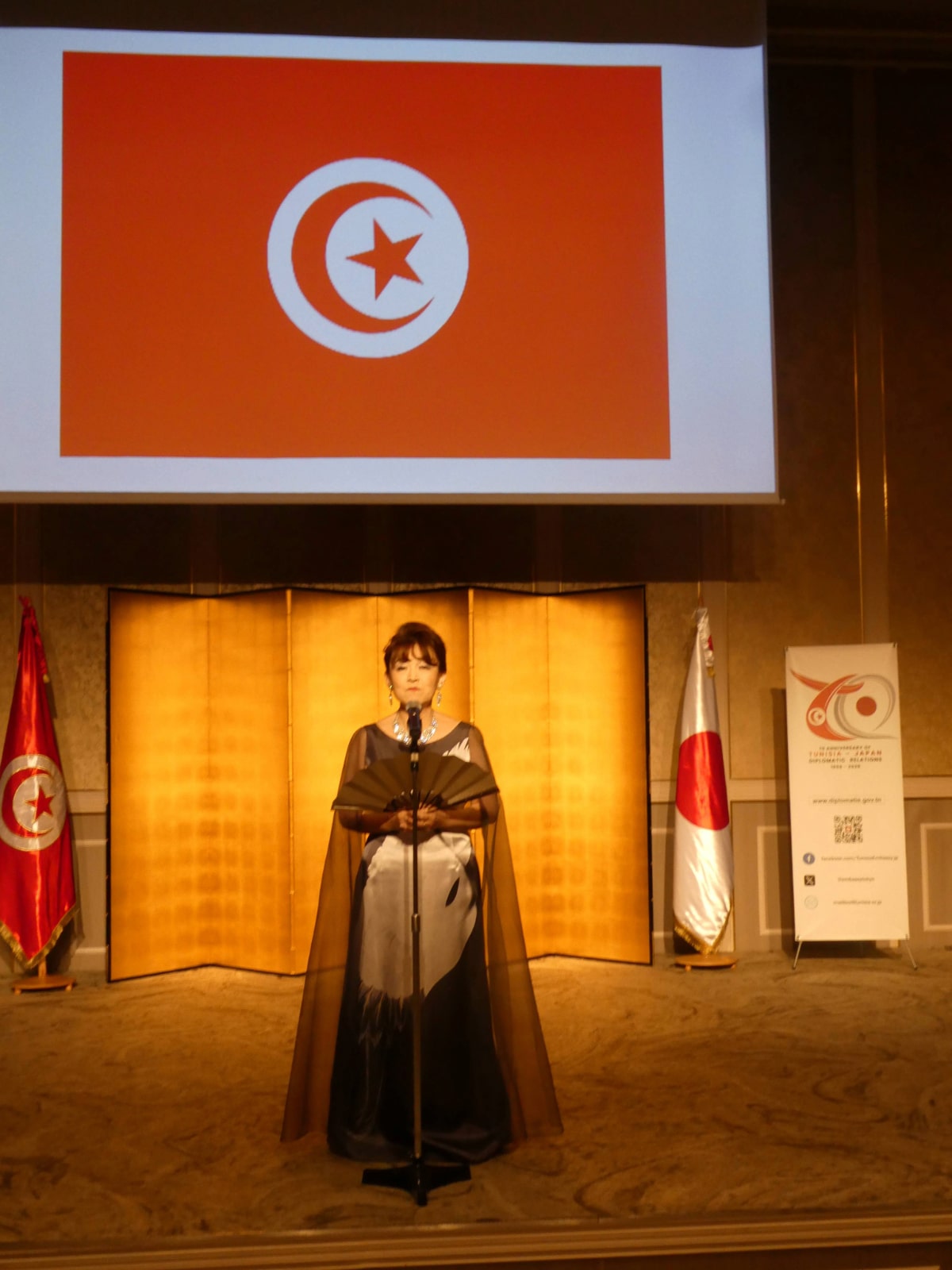
Tunisia and Japan established diplomatic relations on June 26, 1959—shortly after Tunisia regained its sovereignty on April 20, 1956. Japan was a new friend to the nascent Tunisian state, and seven decades later, it has become one of its oldest friends.
The Tunisian pavilion attracted significant attention at the Osaka Expo held last year. Centered on the theme of “Partnership in Innovation, Science, and Technology,” the exhibition offered a multi-sensory experience that fused the heritage of ancient Carthage with modern innovation—a fitting showcase for a nation boasting a long history and some of the world’s most beautiful landscapes. Visitors were able to experience the allure of Tunisia with all their senses. The pavilion also featured traditional Tunisian mosaics; their impressive scale and intricate artistry deeply moved those who viewed them. Additionally, a VIP room within the pavilion recreated the interior of a traditional Tunisian residence, captivating the interest of many art enthusiasts, including architecture professionals.
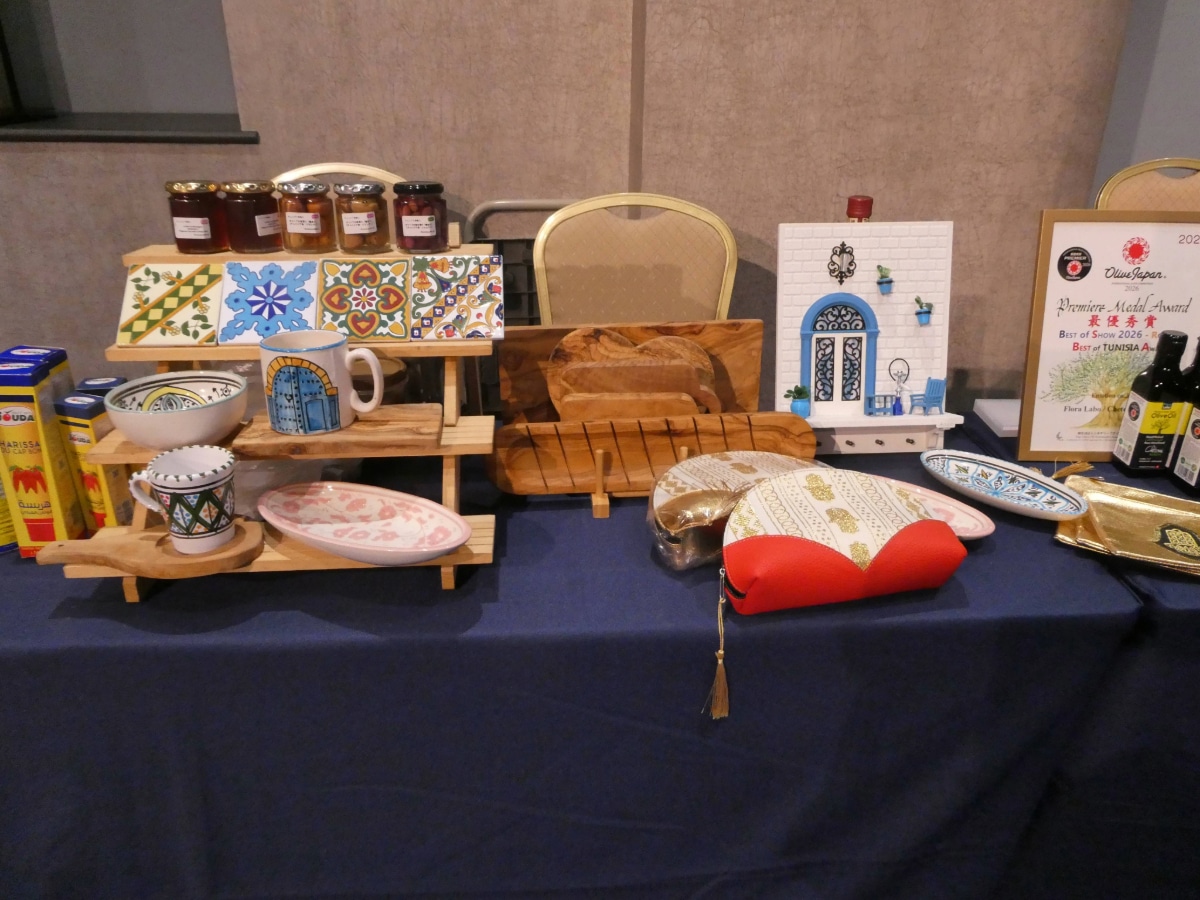


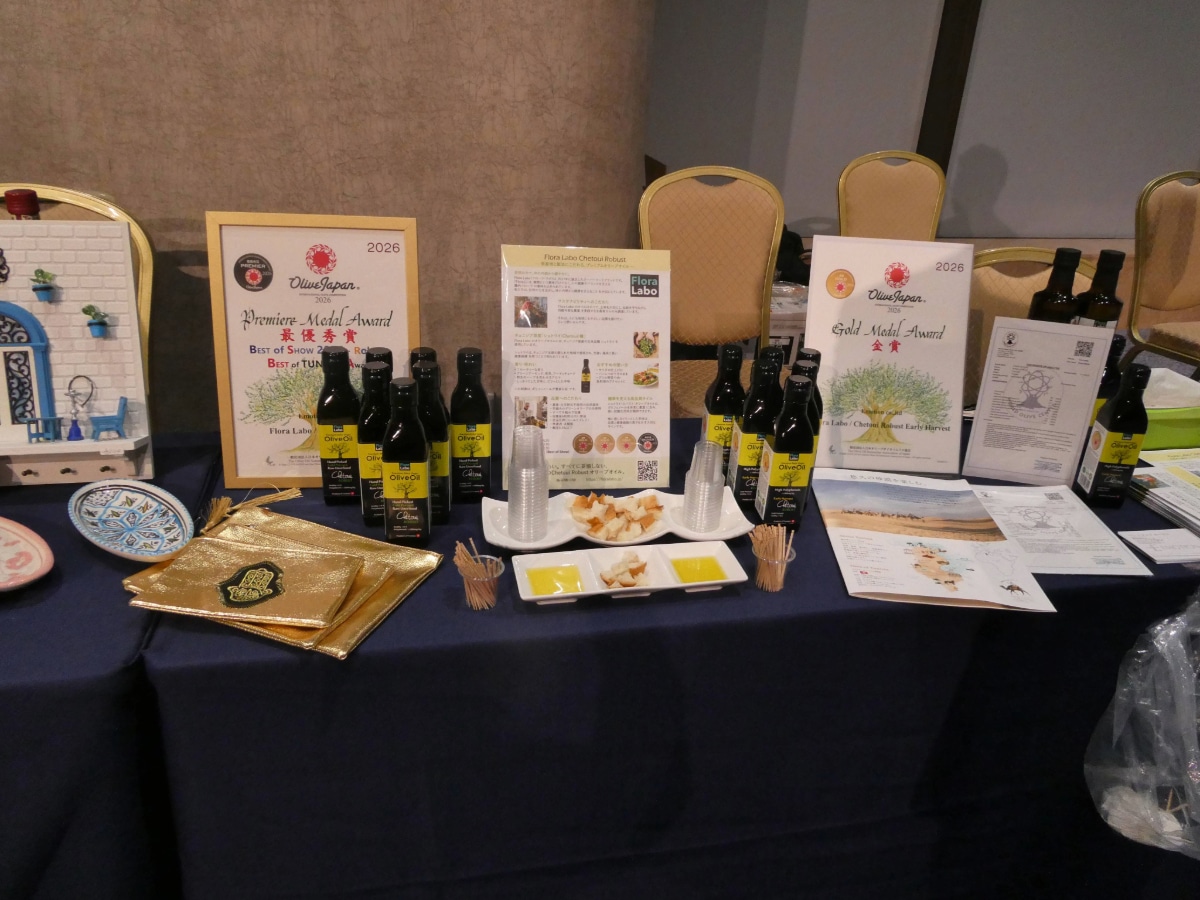
Over the past 70 years, the two nations have cultivated a friendship through diplomatic cooperation, economic partnerships, and cultural and people-to-people exchanges, building a robust relationship that endures to this day. Tunisia is currently enacting new legislation to revitalize its economy by removing investment barriers, thereby making it easier to attract investment from Japan. While 23 Japanese companies have already decided to invest in Tunisia, it is clear that mutual investment will increase in the future, further strengthening economic ties.

A pivotal moment in the relationship between Tunisia and Japan is undoubtedly the Eighth Tokyo International Conference on African Development (TICAD8), held in Tunisia in August 2022. Overcoming the significant challenge of hosting the event amidst the COVID-19 pandemic, Tunisia became the second African nation—following Kenya—to host TICAD, thereby ushering in a new phase in its relationship with Japan. Subsequently, H.E. Mrs. Sarra Zaafrani Zenzri, Head of Government of the Republic of Tunisia, held productive meetings with dignitaries from Japan and other nations—including then-Prime Minister Ishiba—and actively participated in economic-focused events.
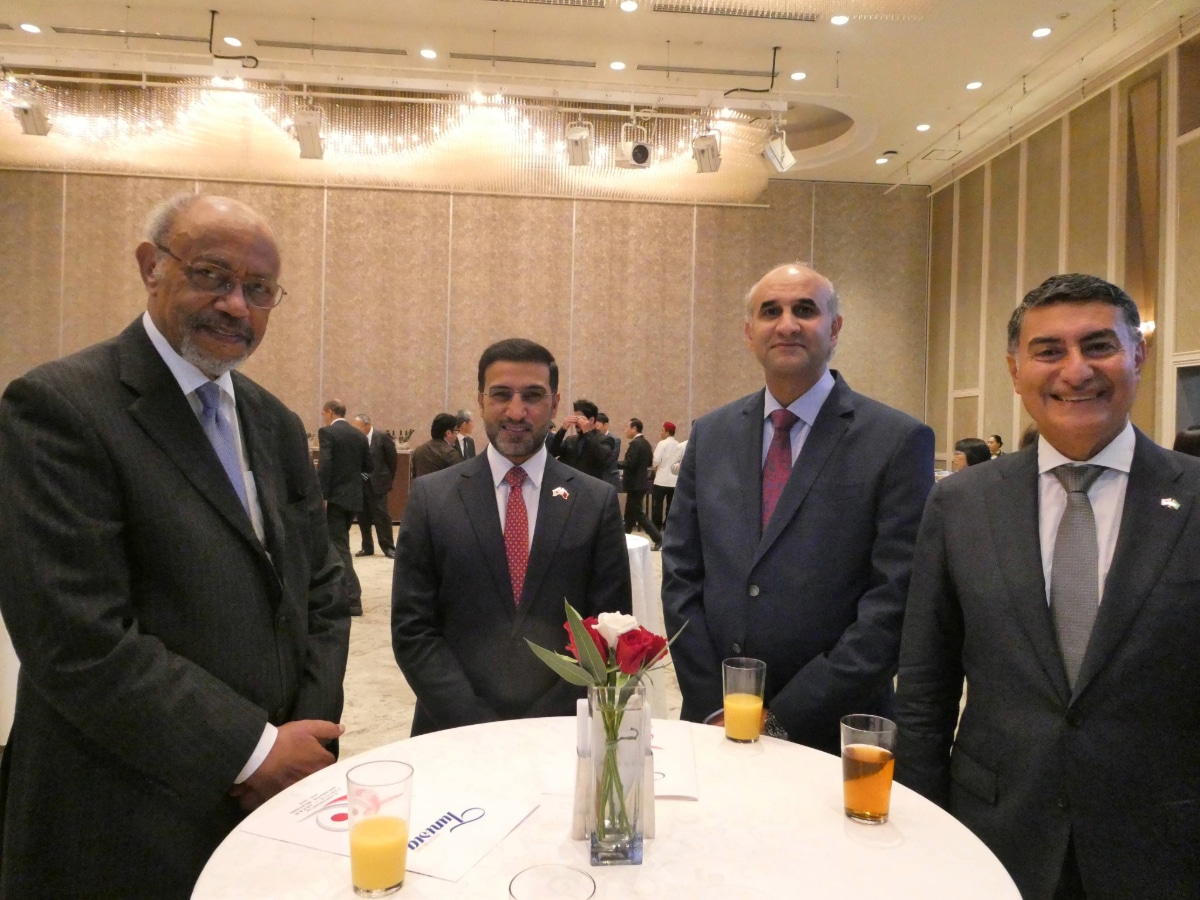
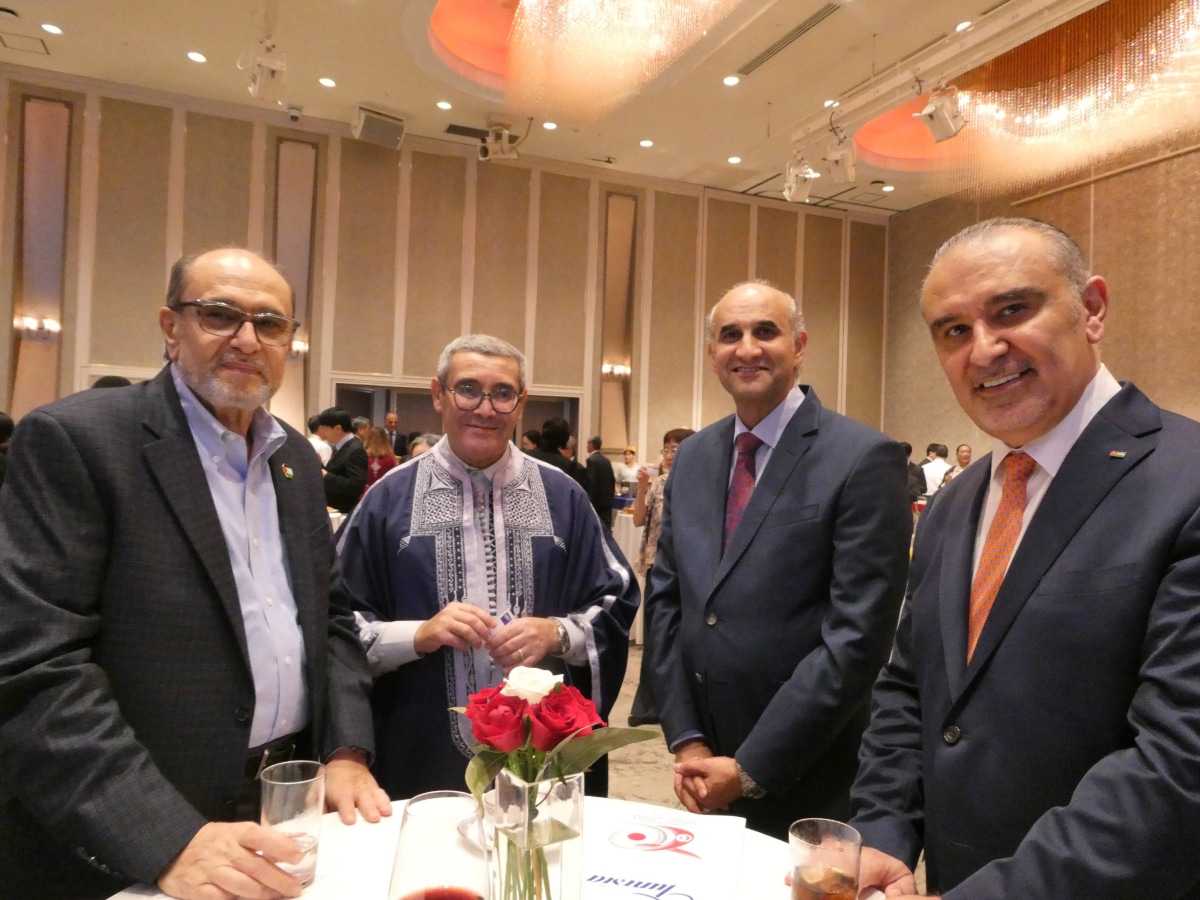
While the relationship previously centered on economic cooperation, Japan and Tunisia are now preparing to advance joint initiatives and projects across a wide range of fields. These include high-quality infrastructure development, the blue and green economies, innovation, renewable energy, sustainable agriculture, food security, artificial intelligence, knowledge sharing, and technology transfer. This shift reflects a shared understanding between Tunisia and Japan that multilateralism remains crucial to addressing the challenges facing humanity.

As one of the most progressive nations on the African continent, Tunisia embraces diversity and maintains a steadfast policy regarding its vision for peace. Guided by the conviction that international peace and stability cannot be achieved until Palestinians regain their legitimate rights, Tunisia has pledged its support for all efforts toward a peaceful resolution. It advocates for Palestinians to exercise their “inalienable right” to establish an independent state with East Jerusalem as its capital. Similarly, Tunisia has expressed solidarity with Gulf nations and Jordan, respecting their security and territorial integrity, while maintaining the position that all parties must strive for peaceful resolutions in the Middle East.
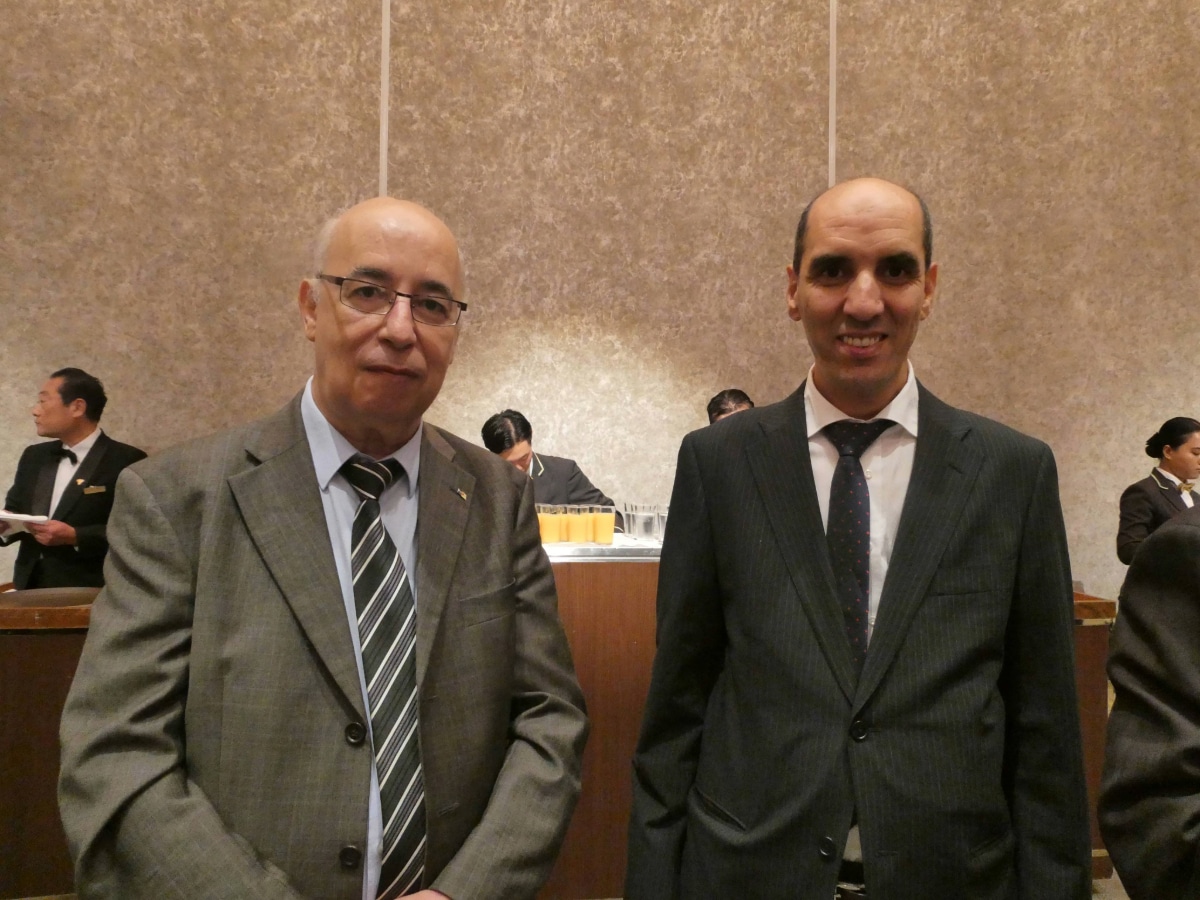
This powerful message from H.E. Mr. Ahmed Chafra, Ambassador Extraordinary and Plenipotentiary of the Republic of Tunisia to Japan, vividly conveyed the determination of a nation that has consistently played a leading role among African countries.

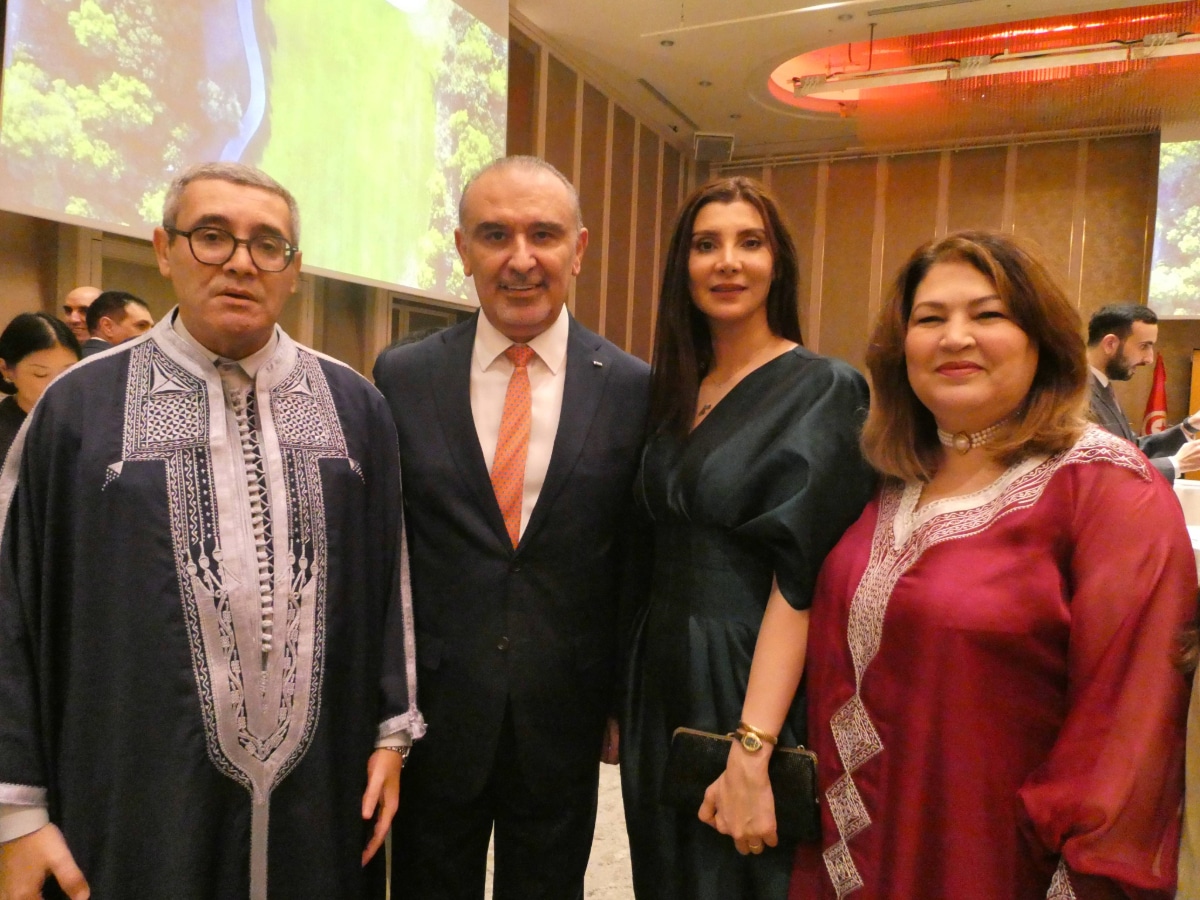
Tunisia—a Mediterranean nation that has long captivated the world as a tourism destination and a filming location for numerous Hollywood movies, including ”Star Wars”—is steadily developing its economy and working in concert with other nations to address challenges shared by all of humanity. It is undeniably a country attracting global attention—not just from Japan but from the rest of the world—as a prime investment destination with promising prospects for growth across a wide range of sectors.


Read also,
- Learn Authentic Tunisian Cuisine – Cooking Class Hosted by Madam Rym, the Spouse of the Tunisian Ambassador to Japan
- TICAD 8 : Interview with H.E. Mr. Mohamed Elloumi, Ambassador of Tunisia to Japan
- Miss International Tunisia: ‘Believe in Yourself, and Don’t Let Anyone’s Opinion Define Your Potential’
- Towards TICAD 8 – Tunisia Day in Yokohama
- Celebrating the 67th Anniversary of Tunisia’s Independence