700th Anniversary Special Exhibition: “Daitoku-ji Temple—An Unrivaled Zen Sanctuary in Japan”
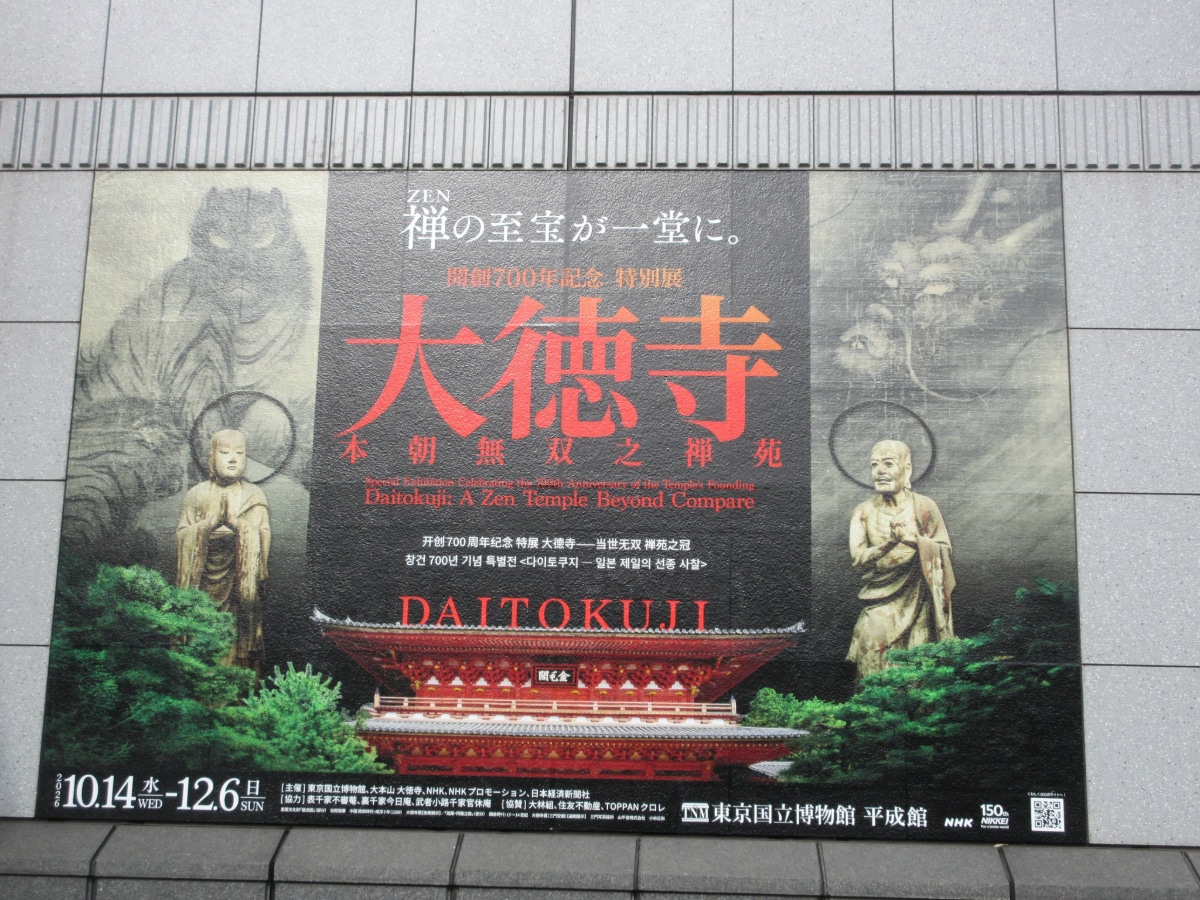
The “Daitoku-ji Exhibition,” which opened on October 14, 2026, at the Tokyo National Museum to commemorate the 700th anniversary of the temple’s founding, has been generating significant buzz. With the second phase of the exhibition beginning on November 10, renewed attention is being directed toward the history and culture fostered by this premier temple in northern Kyoto—a major monastic complex established by the monk Sōhō Myōchō (known as Daitō Kokushi).
Emphasizing the spirit of Zen—which has been passed down continuously since the temple’s inception—the exhibition is structured into the following sections:
- Prologue: The Spread of Zen—From Mind to Mind
- Chapter 1: The Founding of Daitoku-ji
- Chapter 2: The Legacy of Daitō’s Zen
- Chapter 3: Sengoku-period Warlords and Sub-temples (Tatchū)
- Chapter 4: Eminent Monks of the Edo Period
- Chapter 5: The Quintessence of Zen Art
- Epilogue: Living with Zen—The World of the Daitoku-ji Sanmon (Main Gate)
The prologue introduces the lineage of Zen through portraits and sculptures of the temple’s founder, Sōhō Myōchō. While Zen is known today for its rigorous ascetic practices, it is said that Sōhō Myōchō’s style of Zen was so uncompromisingly intense that few dared to approach him.
A major highlight of this section is the National Treasure “Guanyin, Monkey, and Crane”—a masterpiece by the Chinese painter Muqi. Works by Muqi—whose style profoundly influenced the “tarashikomi” (wet-on-wet) technique later employed by Tawaraya Sōtatsu and the Rinpa school—are displayed here alongside a set of “Dragon and Tiger” paintings (also attributed to Muqi, and paired together since the Edo period). The sheer, breathtaking beauty of these five masterpieces is truly remarkable. During the second phase of the exhibition, a different “Dragon and Tiger” painting—designated as an Important Cultural Property—will be on display. In the first chapter, the National Treasure “Portrait of Shūhō Myōchō”—featured during the first phase of the exhibition—stands out as a truly exceptional work. It captures the Zen monk with an expression rarely seen in such portraits: his brows are furrowed, and his gaze is piercingly sharp. Furthermore, the inscription he added himself conveys his rigorous discipline and philosophy as a Zen monk.
The second chapter centers on the prominent Zen monk Ikkyū Sōjun—a figure sometimes described as a “rule-breaking” monk. A well-known portrait of him depicts him as he appeared in life: disheveled hair, an unshaven beard, and legs crossed in a casual, unstudied pose.
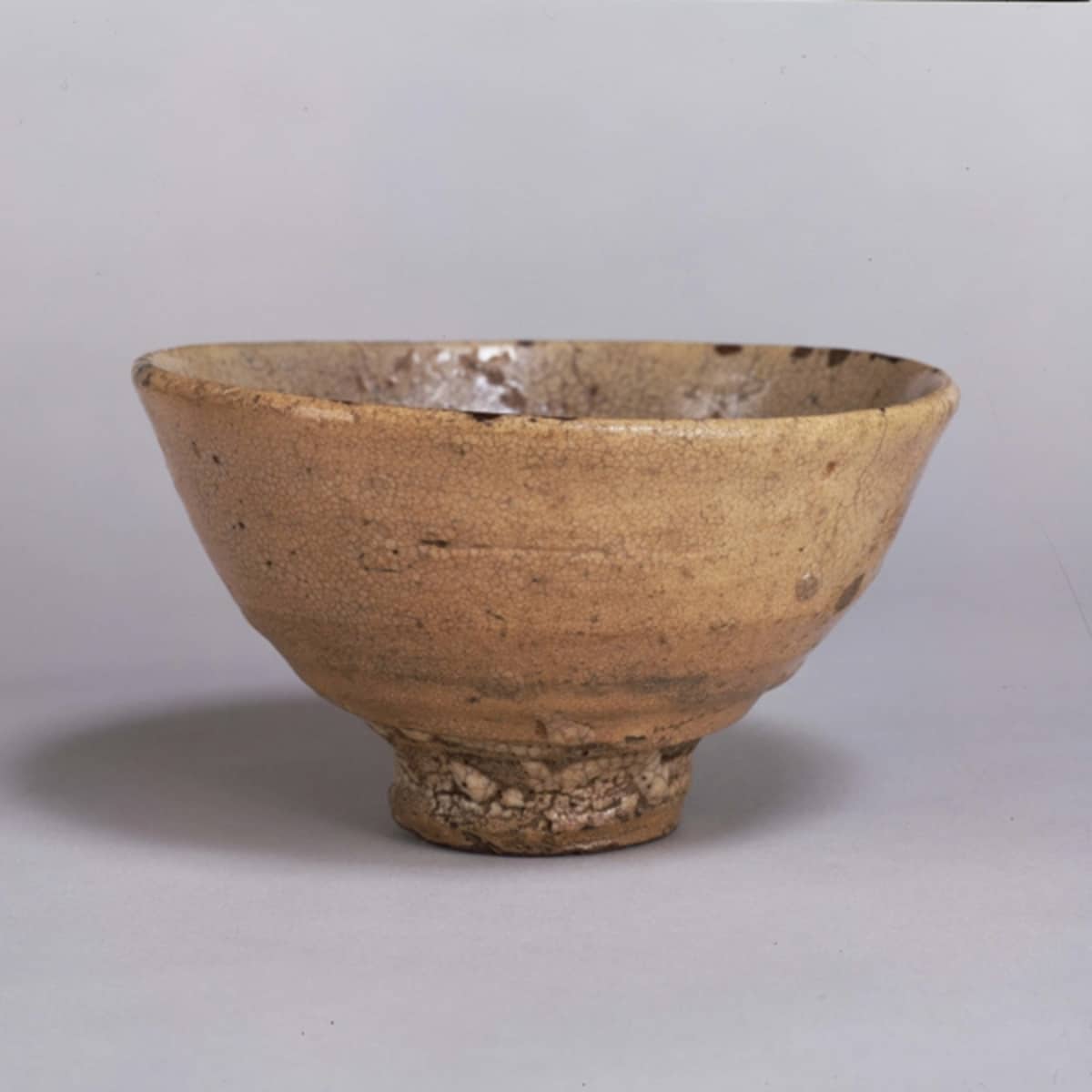
The third chapter reveals how, during the Warring States period, various renowned warlords commissioned the construction of numerous sub-temples (“tatchū”) within the Daitoku-ji complex. This connection with the warlords of the era allowed culture to flourish, illustrating the pivotal role Daitoku-ji played as a cultural hub. This section also features a National Treasure—a “Ō-ido” (large well-style) tea bowl—that bears witness to the golden age of the tea ceremony. As a masterpiece that has passed through many hands over the centuries, it invites the viewer to experience a profound sense of stillness.
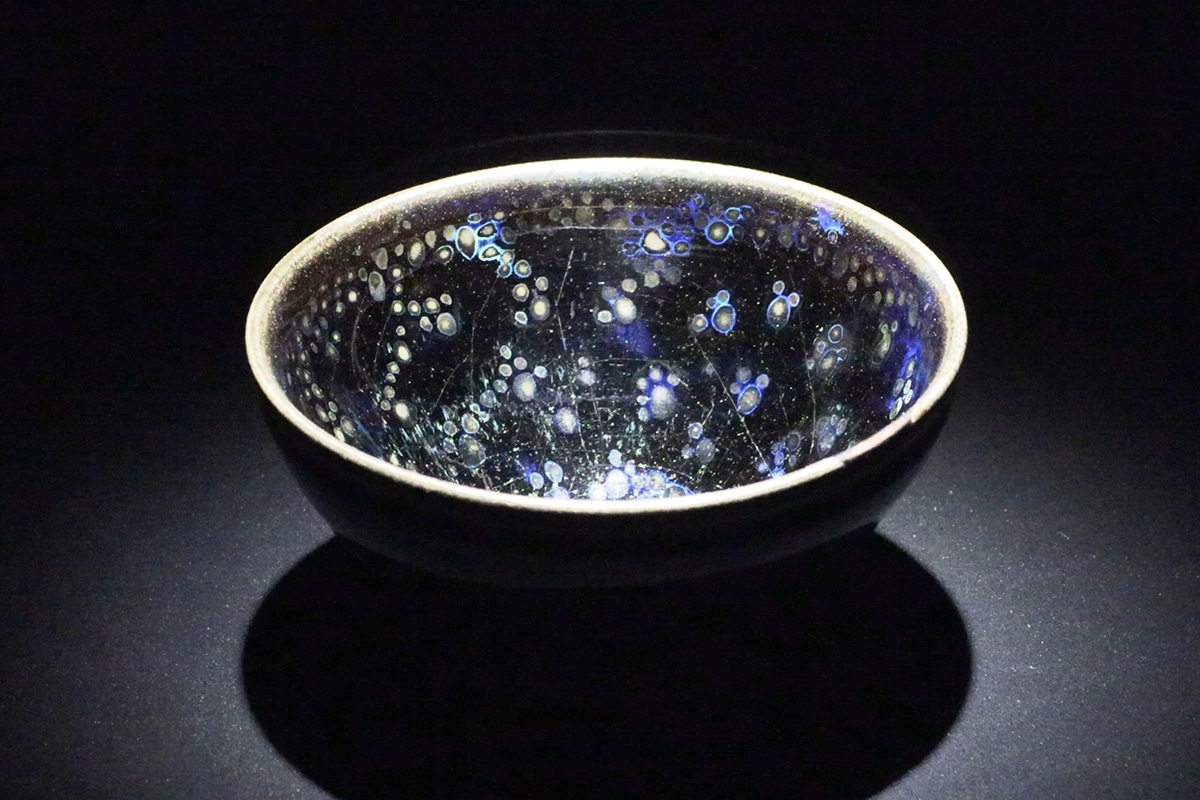
The fourth chapter—part of the first phase of the exhibition—included the National Treasure “Yōhen Tenmoku” (a tea bowl with a “transmuted” glaze). Although the unique display method requires viewers to keep moving, the transcendent beauty of the *Yōhen Tenmoku* remains unmistakable.
In the second phase of the exhibition, starting November 25th, an “Yuteki Tenmoku” (“oil-spot” glazed) tea bowl—designated an Important Cultural Property—will be on display until December 6th; this is another highlight not to be missed.
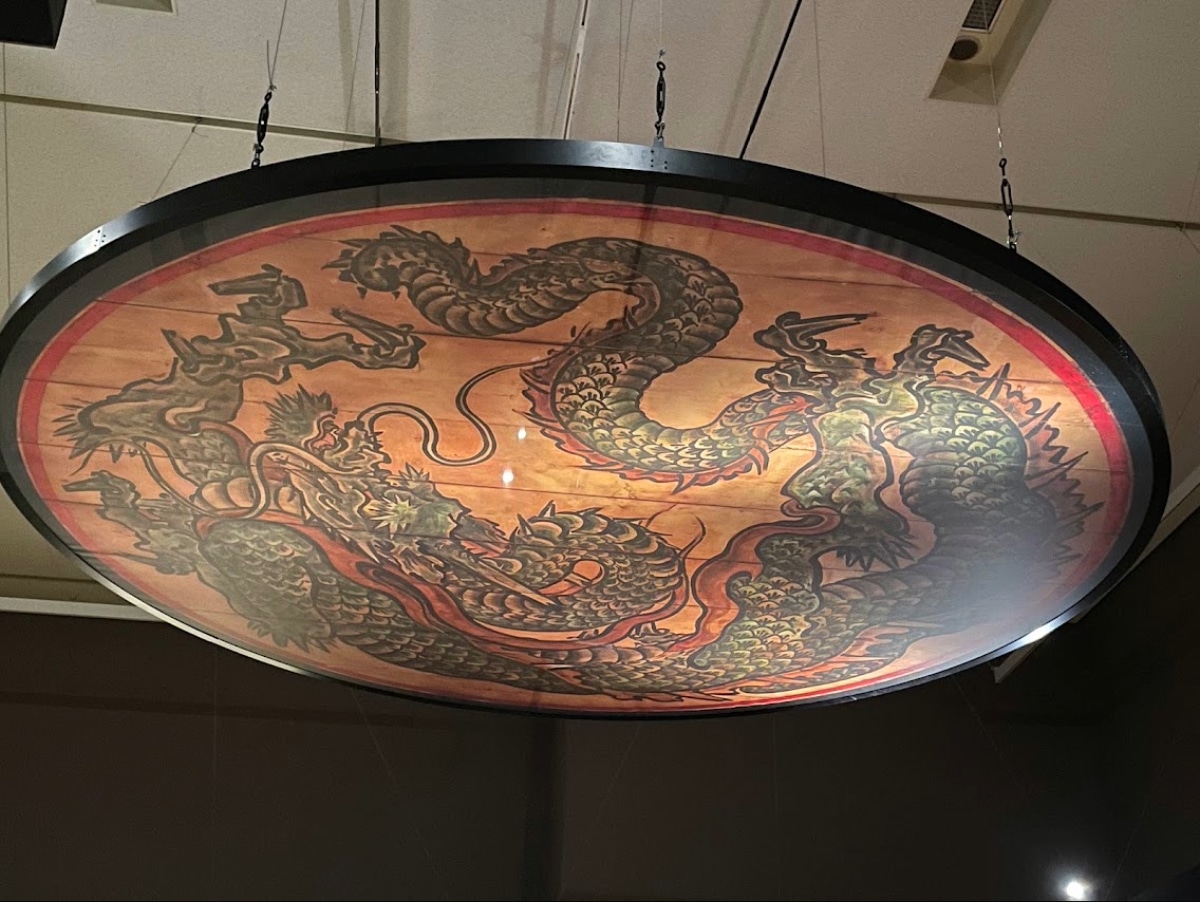
The fifth chapter, showcasing the finest examples of Zen art, is breathtaking the moment one enters the space. The various “shōheki-ga” (wall and sliding-door paintings)—created by master artists of the time for the halls of the sub-temples—each tell their own unique story. Surrounded by the grand history and sophisticated culture nurtured at Daitoku-ji, one cannot help but be deeply moved. Furthermore, the “Hyakki Yagyō Emaki” (Scroll of the Night Parade of One Hundred Demons)—attributed to Tosa Mitsunobu—evokes a sense of playful spirit that is truly delightful. While the term “Hyakki Yagyō” refers to a procession of “yōkai” (supernatural creatures), the scene unfolds like a joyous parade—so captivating that one finds it difficult to tear oneself away.
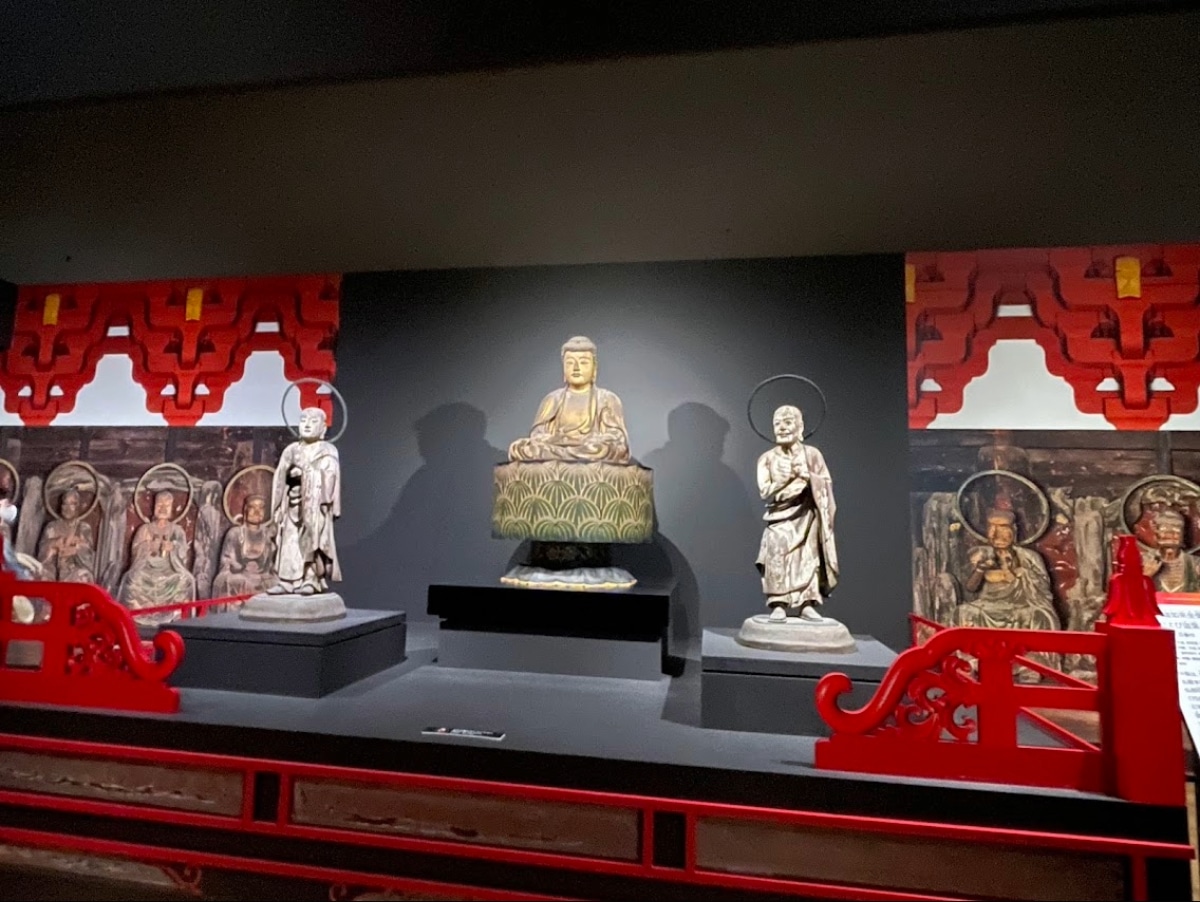
The final section features the “Shaka Sanzon” (a triad of the Buddha and two attendants)—still housed today in the upper level of the temple’s main gate (“sanmon”)—as well as a large, standing statue of Sen no Rikyū, said to have been donated during the Meiji era. The exhibition space recreates the interior of a Daitoku-ji temple gate, offering visitors a more immersive and interactive way to engage with the world of Daitoku-ji.
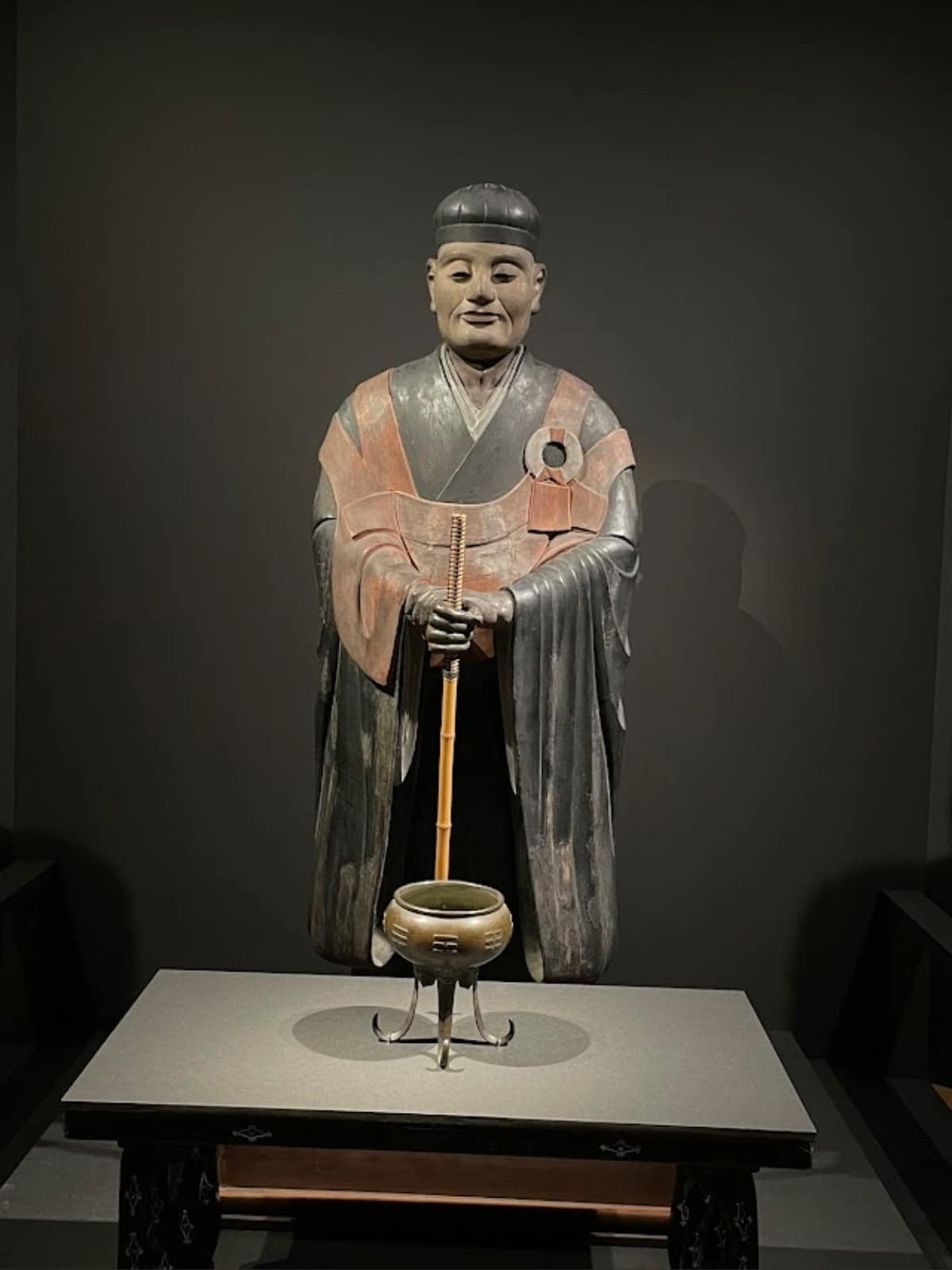
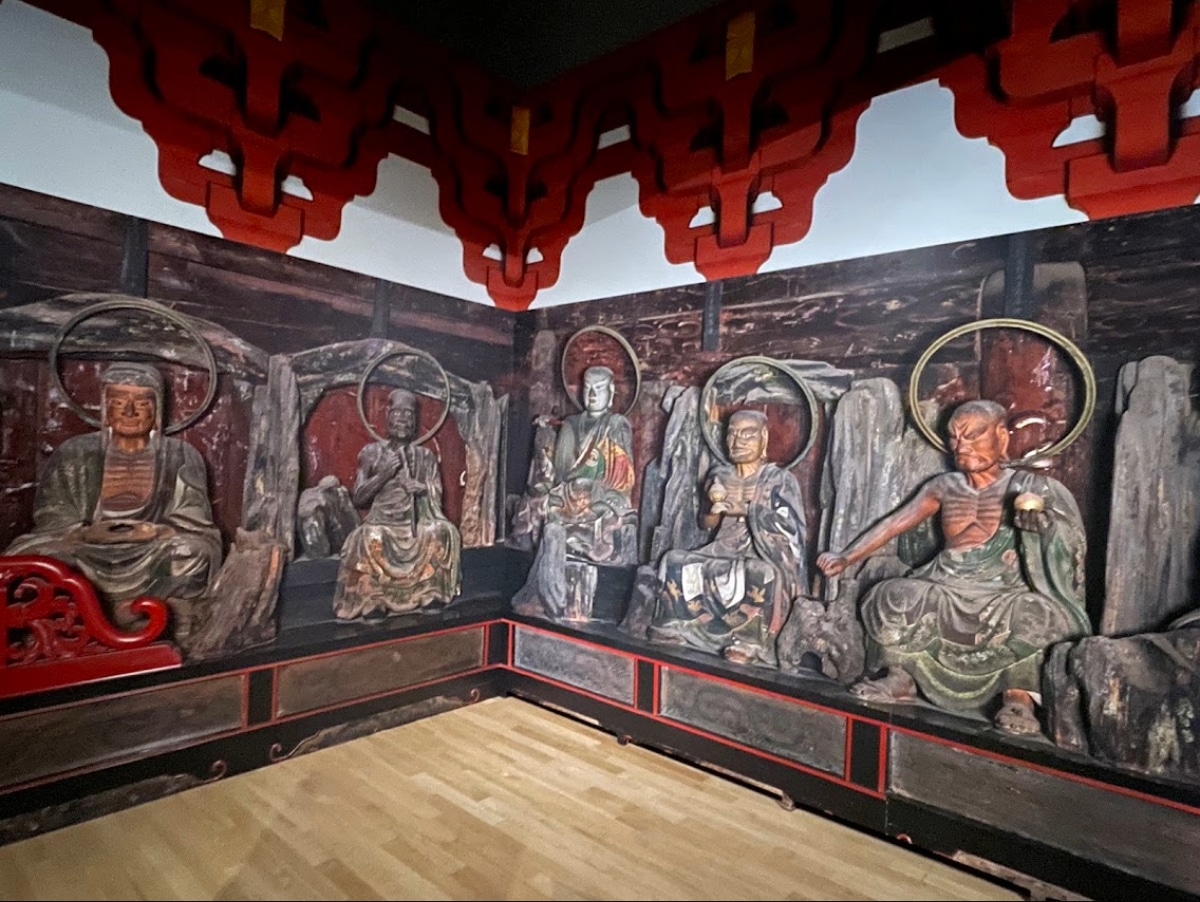
What is it that Daitoku-ji, spanning 700 years of history, seeks to convey to us today? It was a magnificent exhibition—one that almost invites you to engage in a Zen *kōan* (riddle/dialogue).
Exhibition Overview
Exhibition Title: 700th Anniversary Commemorative Special Exhibition: “Daitoku-ji – An Unrivaled Zen Temple in Japan”
Venue: Tokyo National Museum, Heiseikan
Dates: Wednesday, October 14 – Sunday, December 6, 2026
Hours: 9:30 AM – 5:00 PM
*Extended hours until 8:00 PM on Fridays and Saturdays, as well as November 1, 2, and 22.
Last admission is 30 minutes before closing.
Closed: Mondays (open November 2, 23, and 30), and November 24.
*On November 30, only the Daitoku-ji exhibition will be open (the Tokyo National Museum collection galleries will be closed).
Admission: General 2,300 yen; University students 1,300 yen; High school students 900 yen.
*Please check the ticket page for further details.
Read also,
- Tokyo National Museum, The Digital Gallery of Horyuji Treasure
- Miraculous Exhibition ‘Ancient Mexico: Maya, Aztec, and Teotihuacan’ Held at the Tokyo National Museum
- Tokyo National Museum Contemporary Art Exhibition, Tadanori Yokoo: 100 Takes on Hanshan and ShiDe
- Edo-Tokyo Museum Renewal Commemoration: NHK Taiga Drama Special Exhibition, “Brothers and Arms”
- The Collector Chosen by Kyōsai, the “Demon Painter”: The Israel Goldman Collection Exhibition