Appreciating Rare African Art
“Embassy Art Exhibition”
Ghana Embassy Exhibition Held at Tokyo Fuji Art Museum
Ghana has increasingly become a hotspot for African art, attracting worldwide attention in recent years. However, exhibitions that allow visitors to experience the full trajectory of African art by presenting both traditional and contemporary Ghanaian works together remain rare.
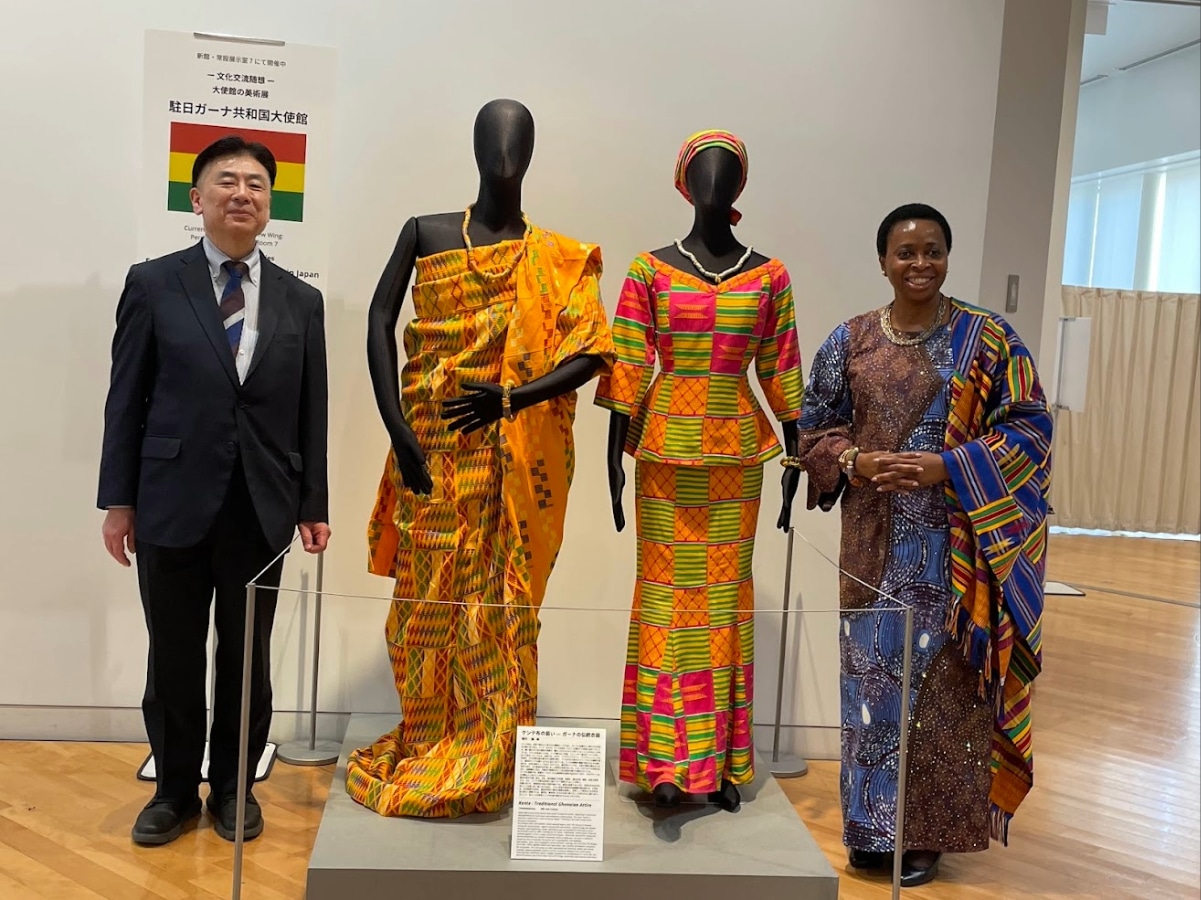
The Tokyo Fuji Art Museum has organized a comprehensive exhibition introducing Ghanaian art, featuring both traditional and contemporary works from the collection of the Embassy of the Republic of Ghana in Japan.
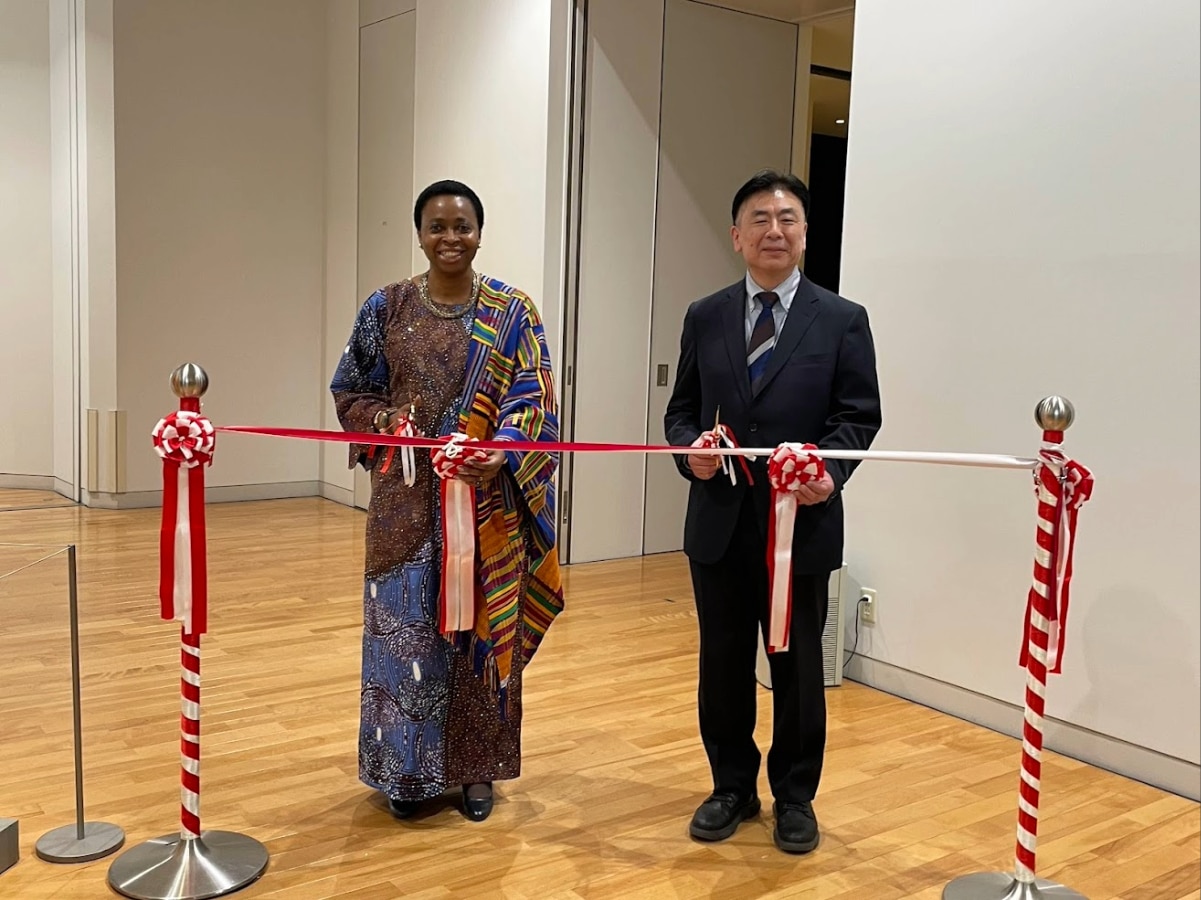
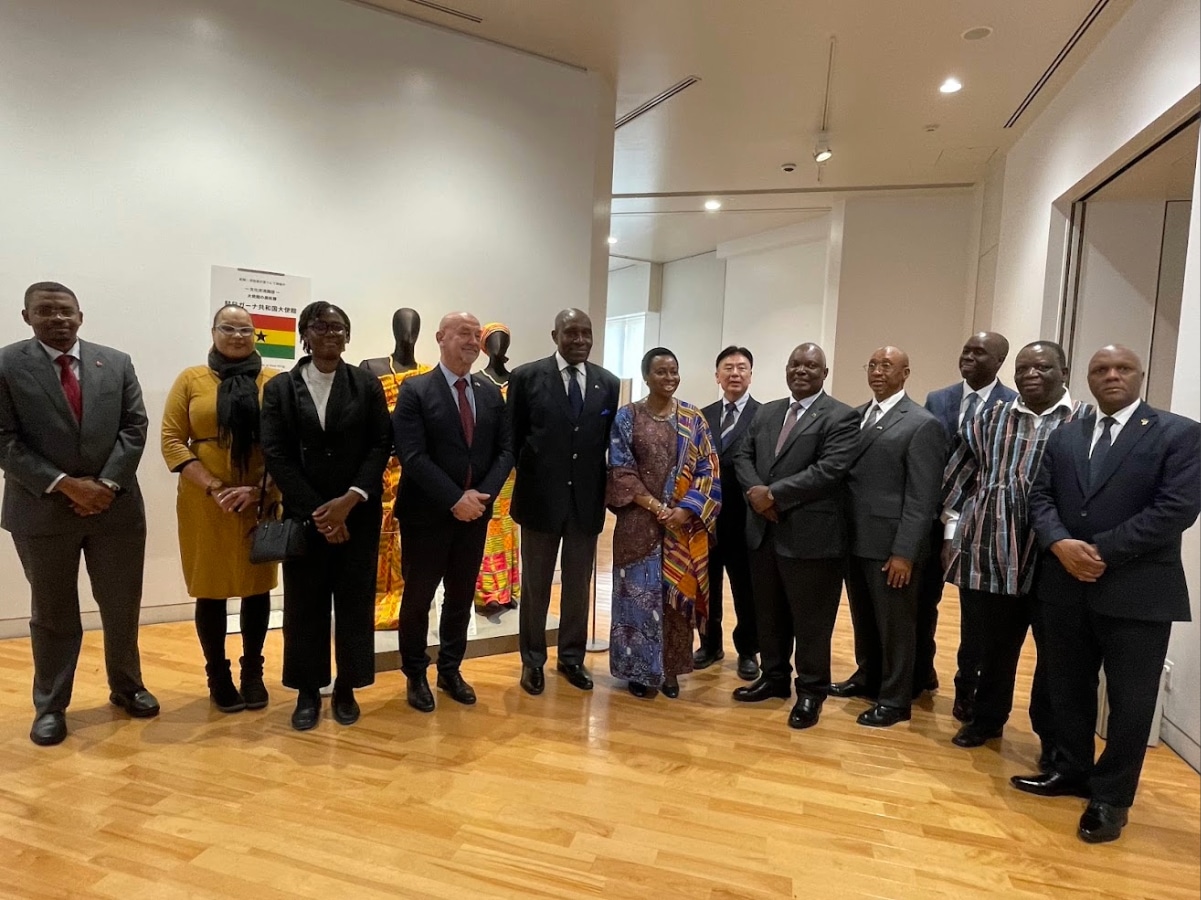
The exhibition opened with a ribbon-cutting ceremony led by Her Excellency Mrs. Genevieve Edna Apaloo, Ambassador Extraordinary and Plenipotentiary of the Republic of Ghana to Japan, and Professor Yoshiro Shimizu, Director of the Tokyo Fuji Art Museum.
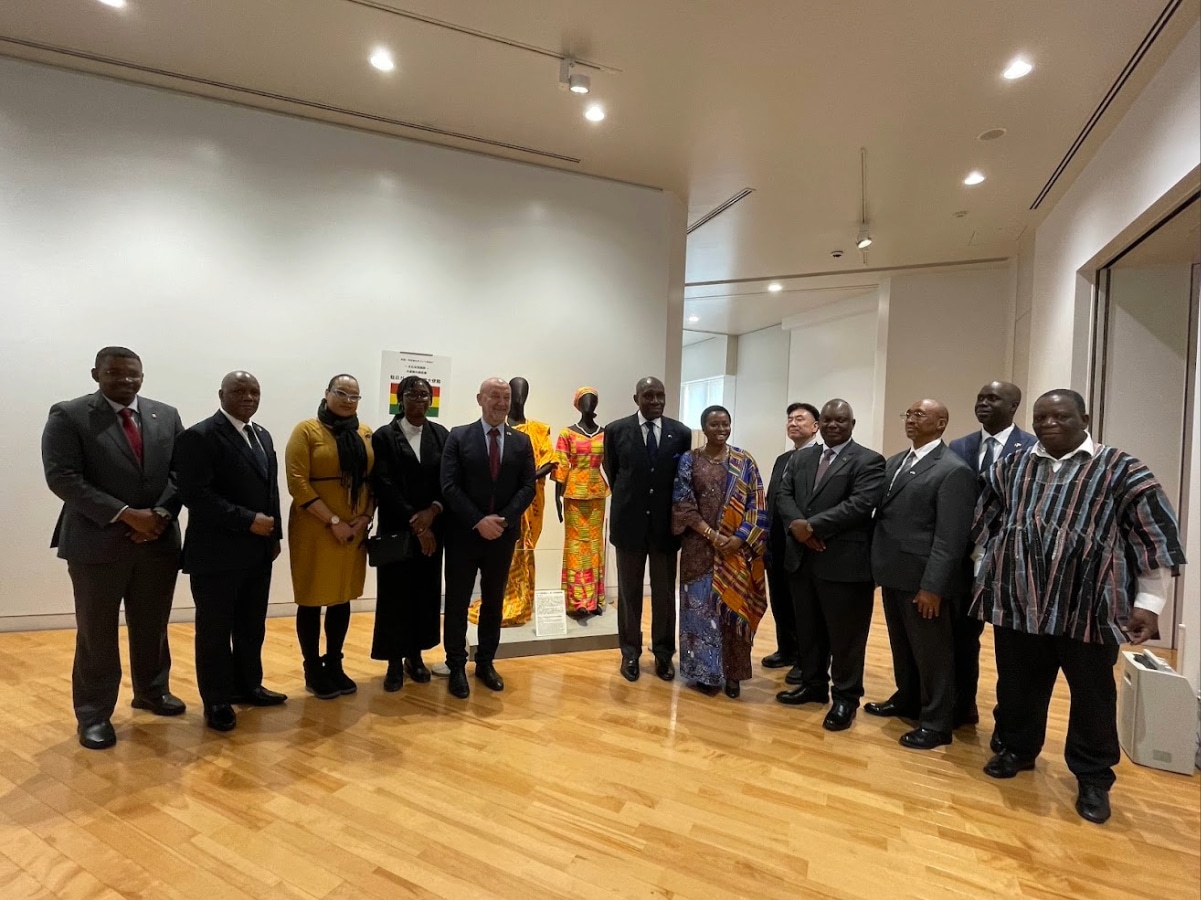
The event was attended by a distinguished audience, including ambassadors from African countries such as Cameroon, Burkina Faso, and Lesotho; the wife of the former Japanese ambassador to Ghana; representatives of nonprofit organizations; and students of African studies from the University of Tokyo and Tokyo University of Foreign Studies.
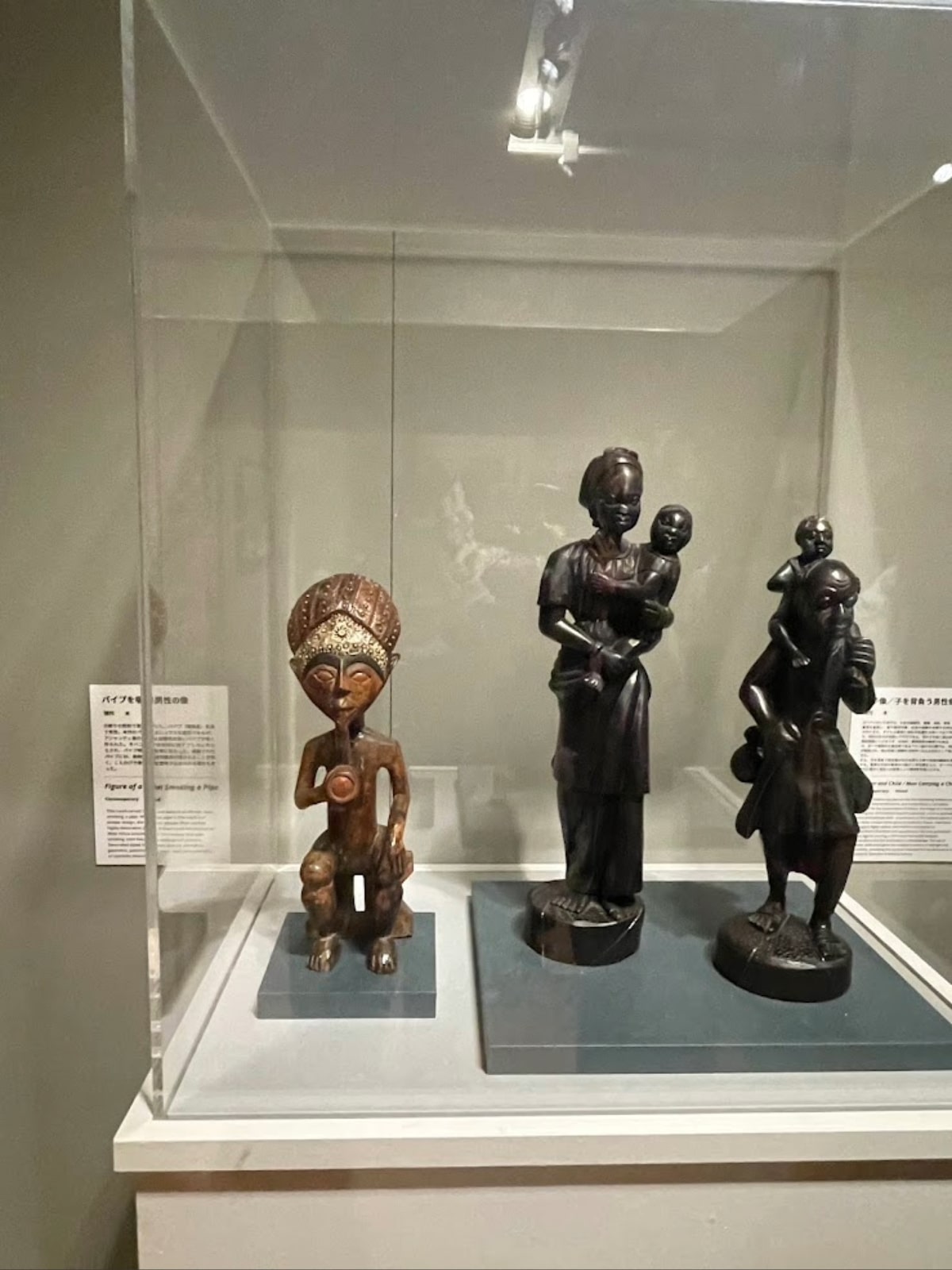
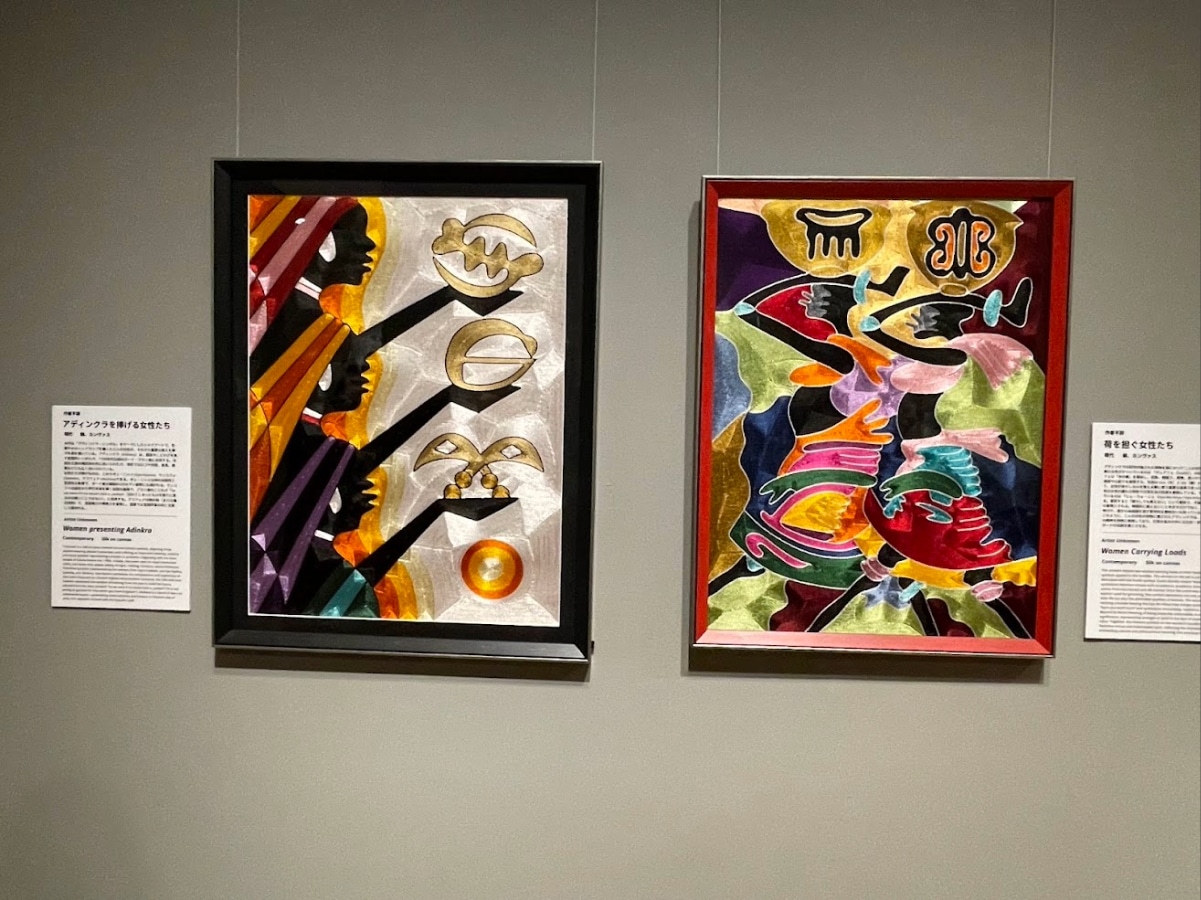
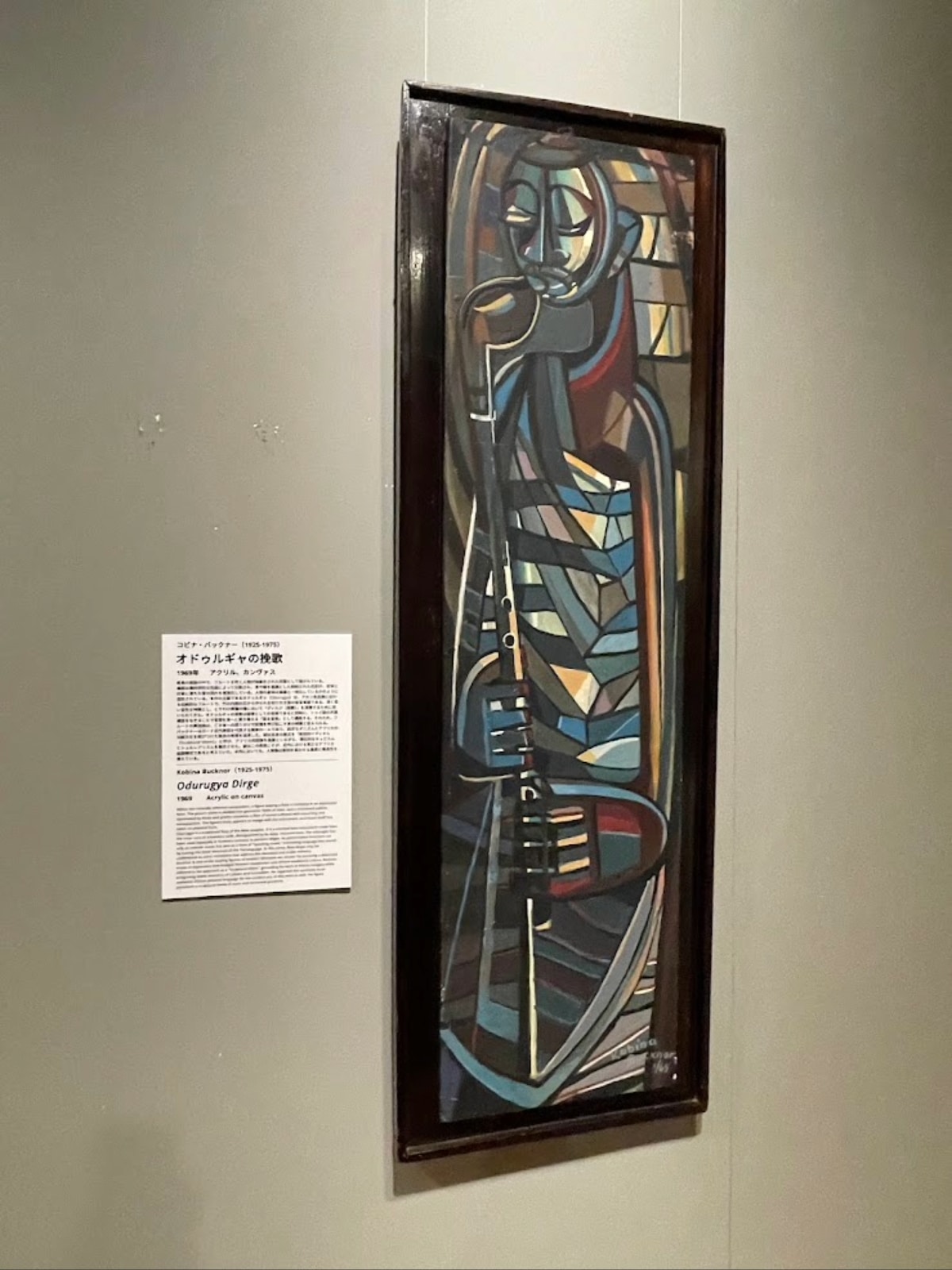
The exhibition traces the history of Ghanaian art, showcasing traditional works such as carved wooden masks and embroidered paintings alongside contemporary pieces, some of which are being presented to the public for the first time.
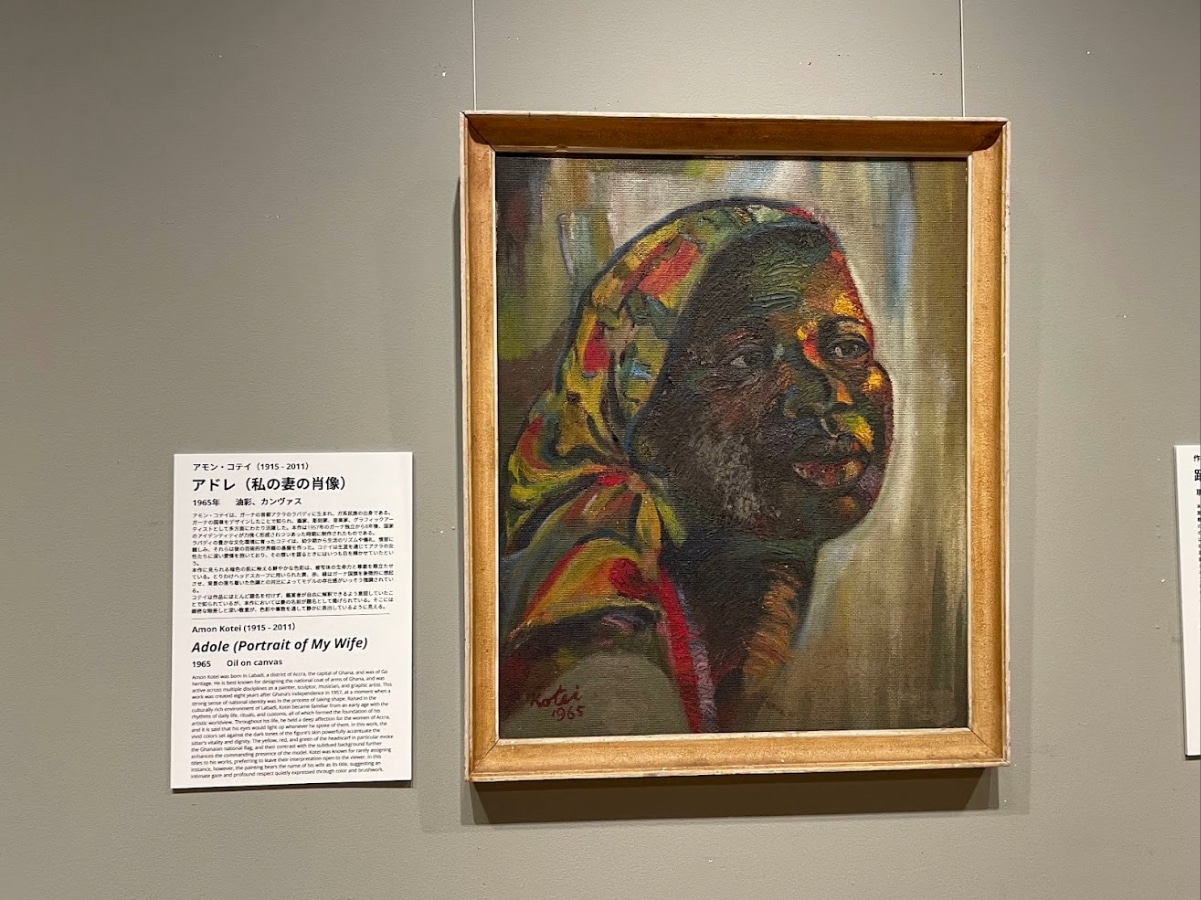
Among the carefully curated works, one piece that particularly stands out is “Adole (Portrait of My Wife)” by Amon Kotei. Amon Kotei is also known as the designer of the Ghanaian national flag. The painting was created during the formative years of Ghana’s post-independence national identity. The woman’s headscarf, subtly evocative of the colors of the Ghanaian flag, reflects the artist’s deep connection to his country and his affection for the women of Accra, the capital city.
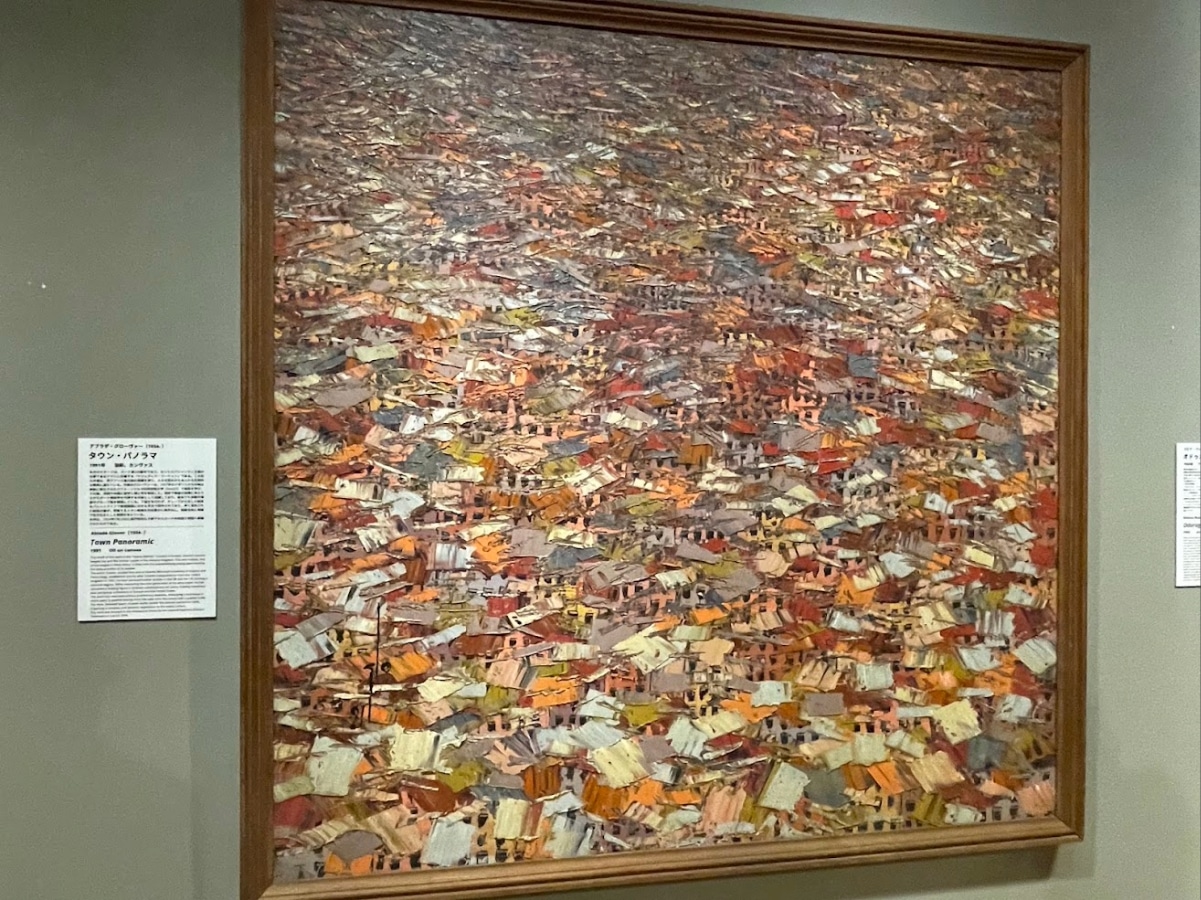
Another highlight is “Town Panoramic,” a depiction of Kejetia Market in Kumasi, Ghana’s second-largest city and the historic capital of the Ashanti Kingdom. Painted directly onto the canvas with a palette knife, this vibrantly colored work captures the dynamic atmosphere of the marketplace and the vitality of the town. The artwork was donated to the Embassy of the Republic of Ghana by Her Imperial Highness Princess Takamado.
This exhibition is highly recommended, particularly when viewed alongside The Four Major Print Series of the Spanish Master, Goya, which is being held concurrently at the museum.
Cultural Exchange with the World
Ghana Embassy Exhibition
Exhibition Period: Saturday, February 7 – Sunday, March 22, 2026
Closed: Mondays (except public holidays; closed the following Tuesday instead)
Hours: 10:00 a.m. – 5:00 p.m. (Last admission at 4:30 p.m.)
Venue: Permanent Exhibition Gallery 7, New Wing, Tokyo Fuji Art Museum
The Four Major Print Series of the Spanish Master, Goya
Exhibition Period: Saturday, February 7 – Sunday, March 22, 2026
Closed: Mondays (except public holidays; closed the following Tuesday instead)
Hours: 10:00 a.m. – 5:00 p.m. (Last admission at 4:30 p.m.)
Venue: Special Exhibition Galleries 1–4, Main Building, Tokyo Fuji Art Museum