“New Hope: Imagery of Salvadoran Wildlife”: Ruriko Escobar Exhibition in Japan
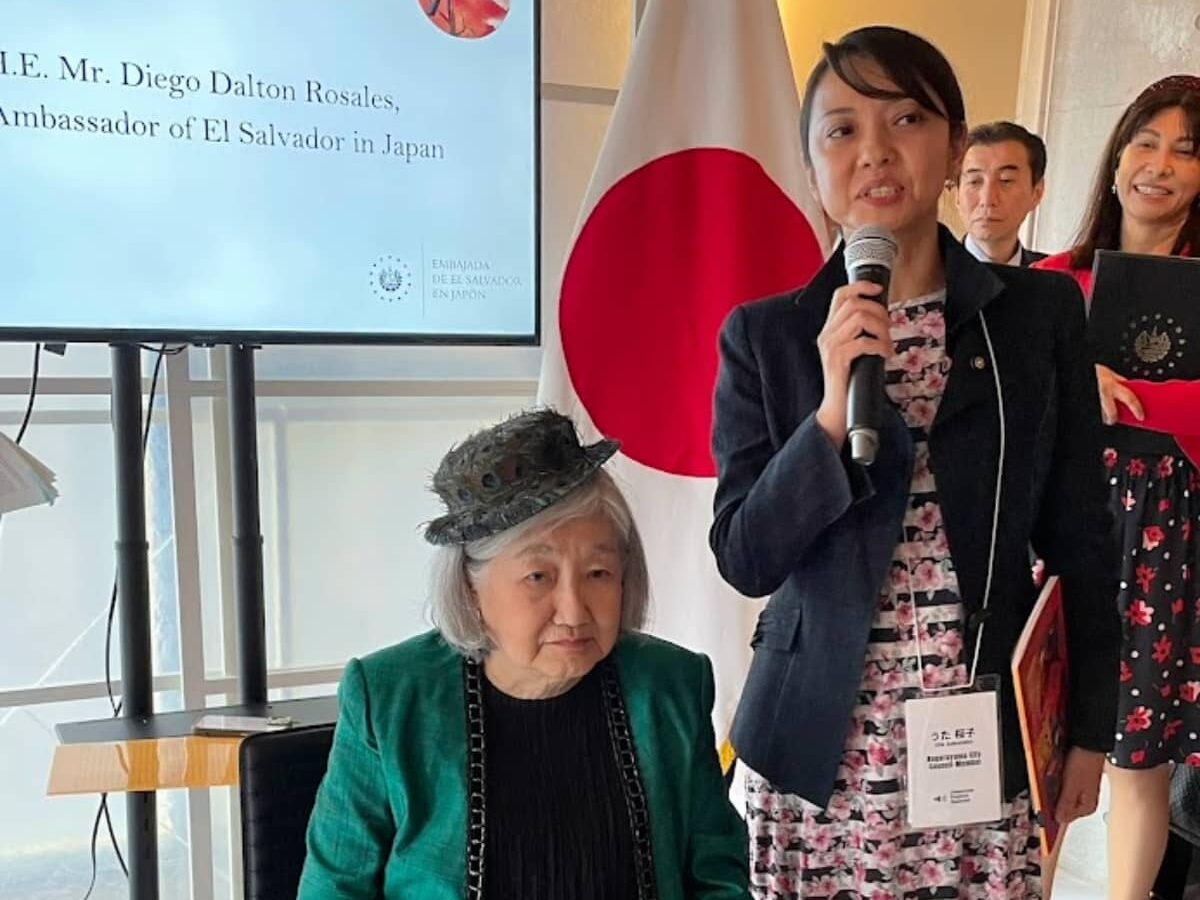
Hosted by the Embassy of El Salvador in Japan
Japan and El Salvador have a long and distinguished relationship, with 2025 marking the 90th anniversary of diplomatic relations and the “Japan-Central America Exchange Year.” El Salvador, located in Central America, is a country slightly larger than Japan’s Shikoku island. Its people are known for their diligence and strong sense of responsibility. They are also highly dedicated to education and skilled in handicrafts, earning it the nickname “the Japan of Central America.” Currently, under the leadership of President Bukele, security has dramatically improved, and the country’s beautiful landscape is expected to attract attention in the future for art and tourism.
Japanese painter Ruriko Escobar lived in El Salvador from 1976 to 1984, expressing what she saw and experienced firsthand.
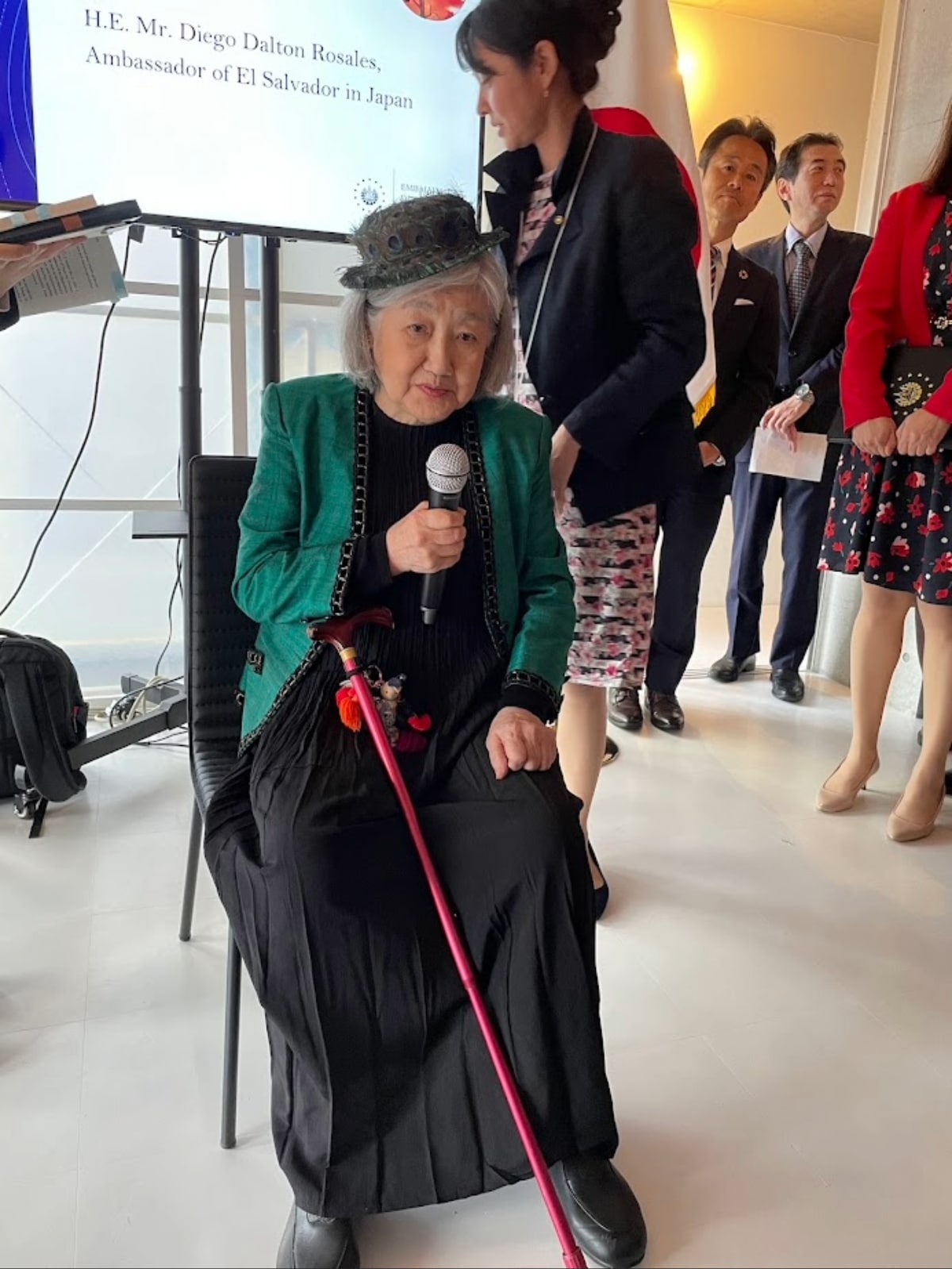
In the 1970s, while still working as a high school teacher, Ruriko Escobar met David, a Salvadoran student on a government scholarship. Defying her family’s objections, she moved to El Salvador, where they married. Escobar initially struggled with the differences in customs and culture during her time in El Salvador. However, her experiences during that historically turbulent period profoundly influenced her artistic perspective. As a living witness to that era, Escobar has continued to depict the vibrant lives and resilience of the people of El Salvador.
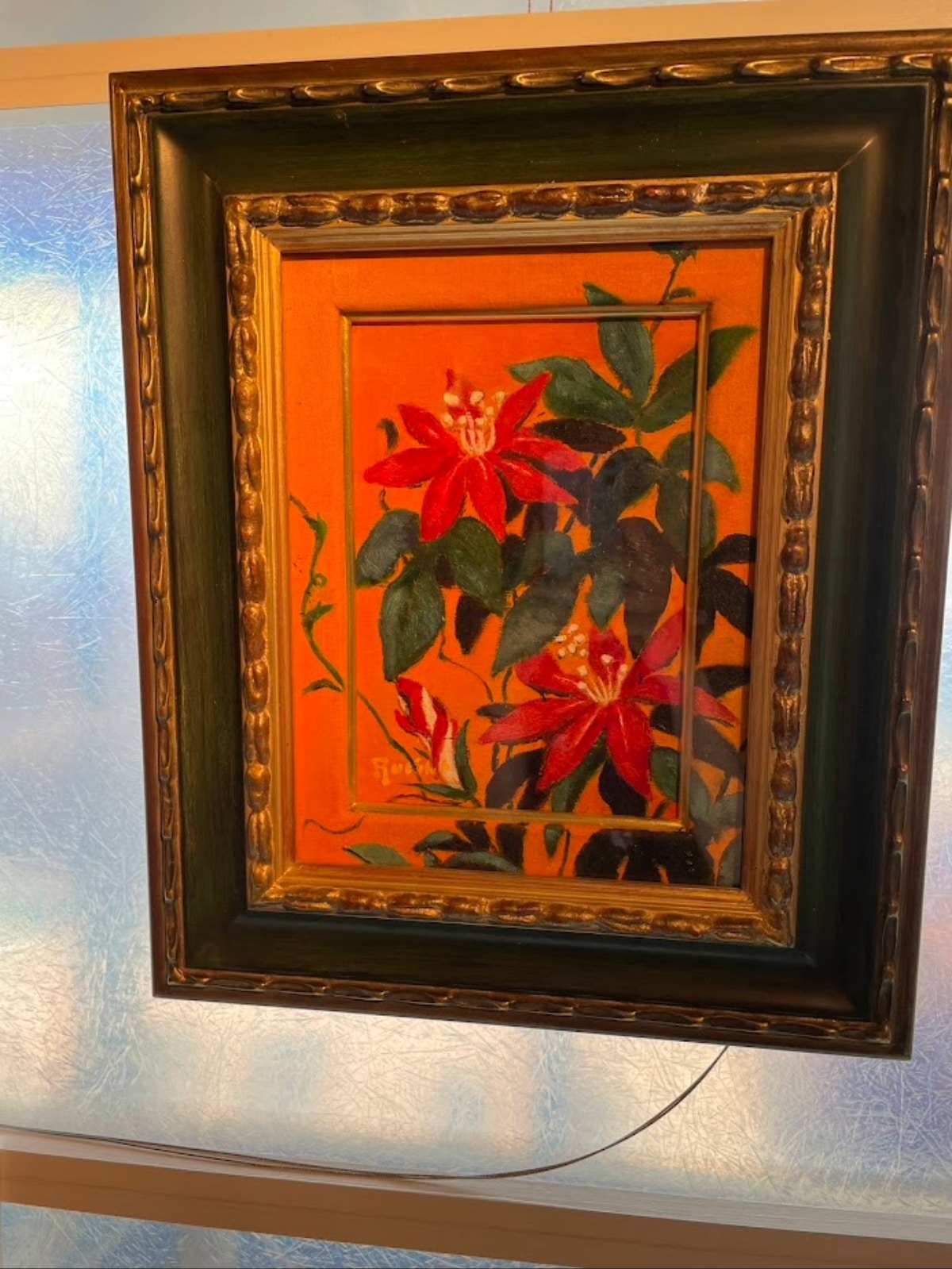
This exhibition offers a glimpse into the brightness, freedom, and joy of Escobar’s art, as well as her love for El Salvador. While Escobar has depicted many of the people at the bottom of the social ladder in El Salvador, the lives of ordinary citizens, and those wounded by the civil war, this exhibition features many bright and cheerful works. Perhaps the stable growth of El Salvador, after a period of upheaval, is reflected in her artistic style, naturally contributing to its brighter tone.
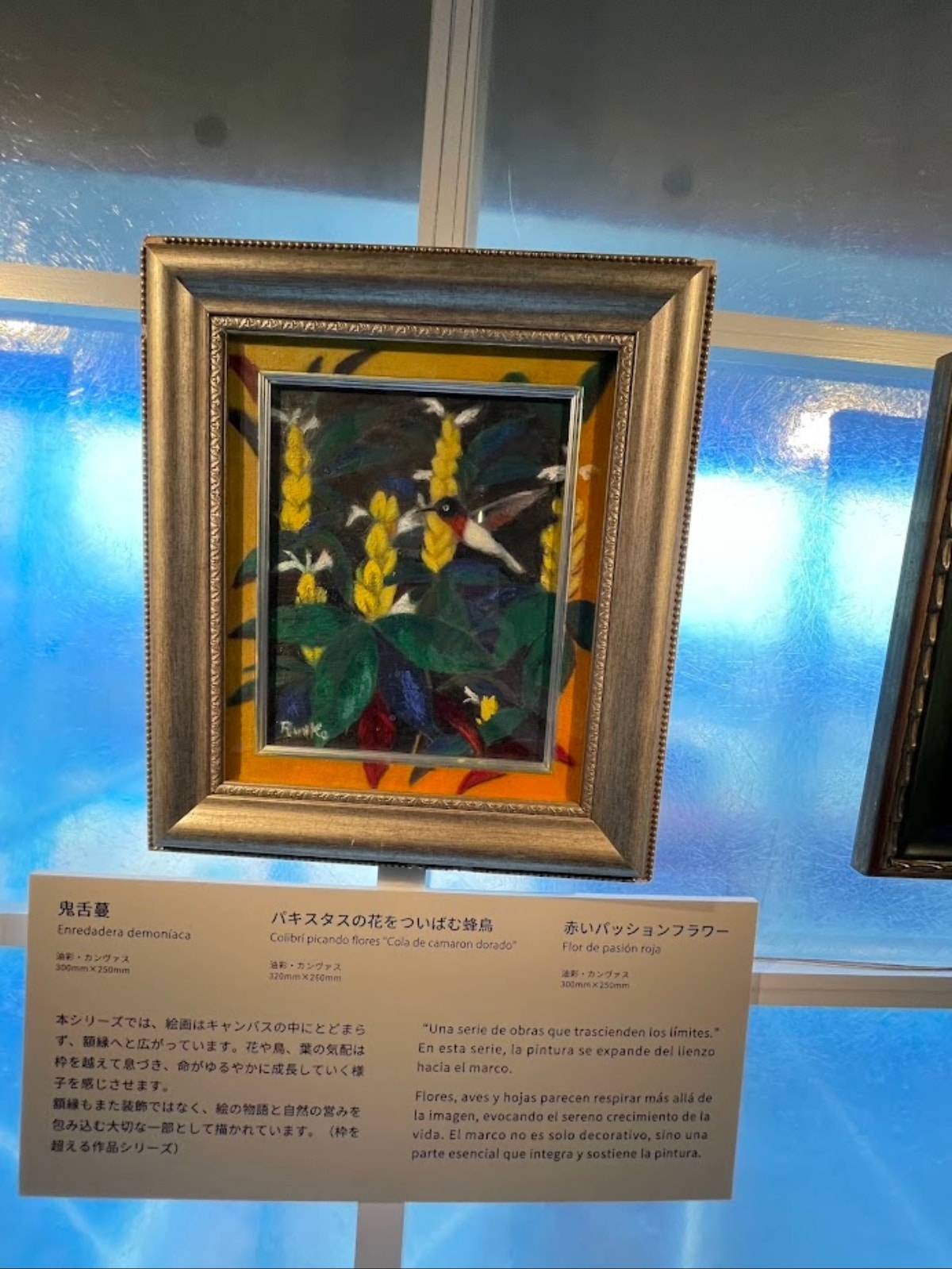
All the works exhibited this time depict the nature of El Salvador. Colorful birds frolic on the fertile land, large flowers bloom in profusion, lively fish swim in the sea, and shellfish thrive. Ruriko Escobar portrays the daily life of El Salvador, and viewers can strongly feel the strength of the people living there, the brilliance of life, the admiration for nature, and the praise for a continuously developing society.
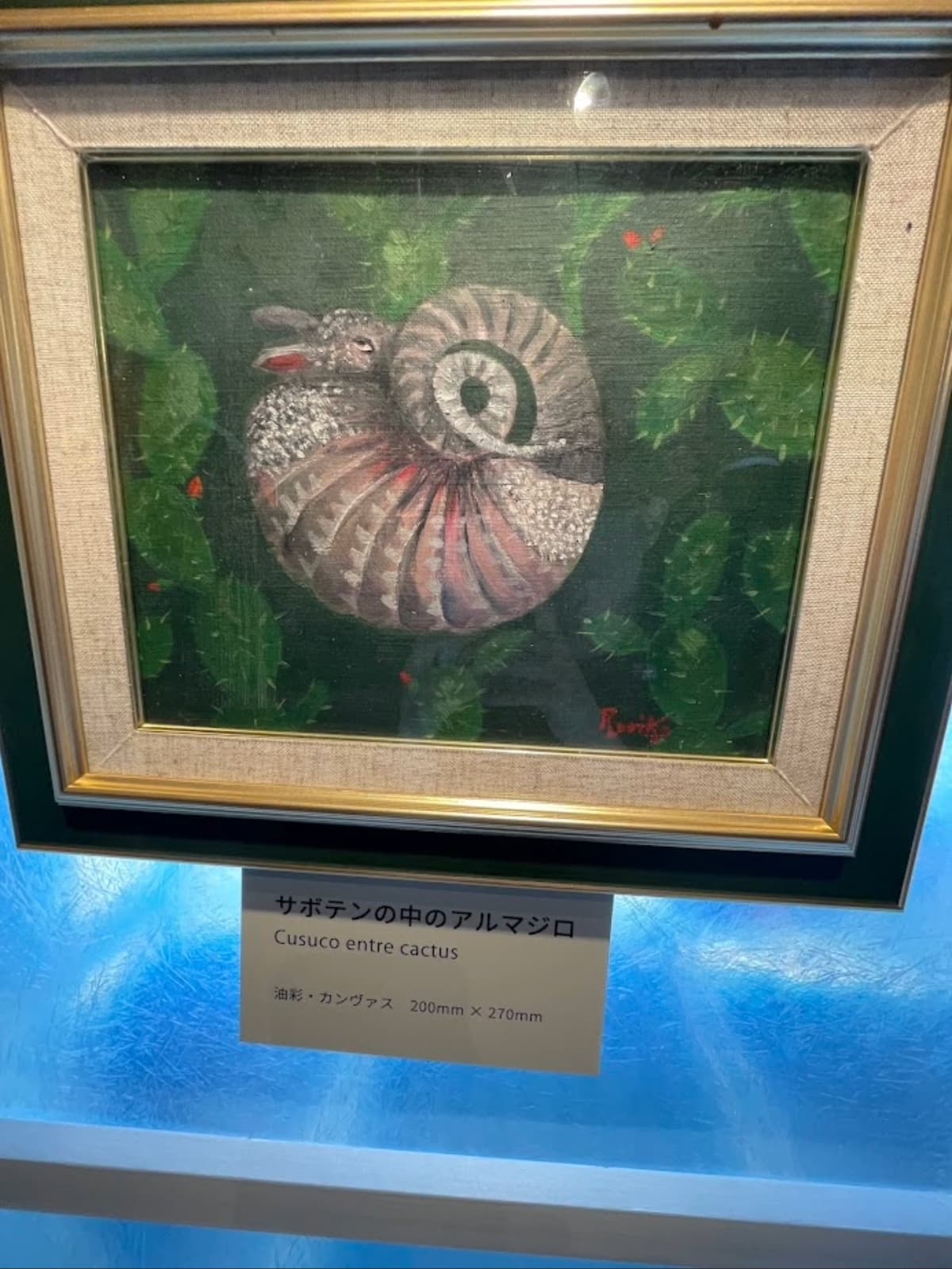
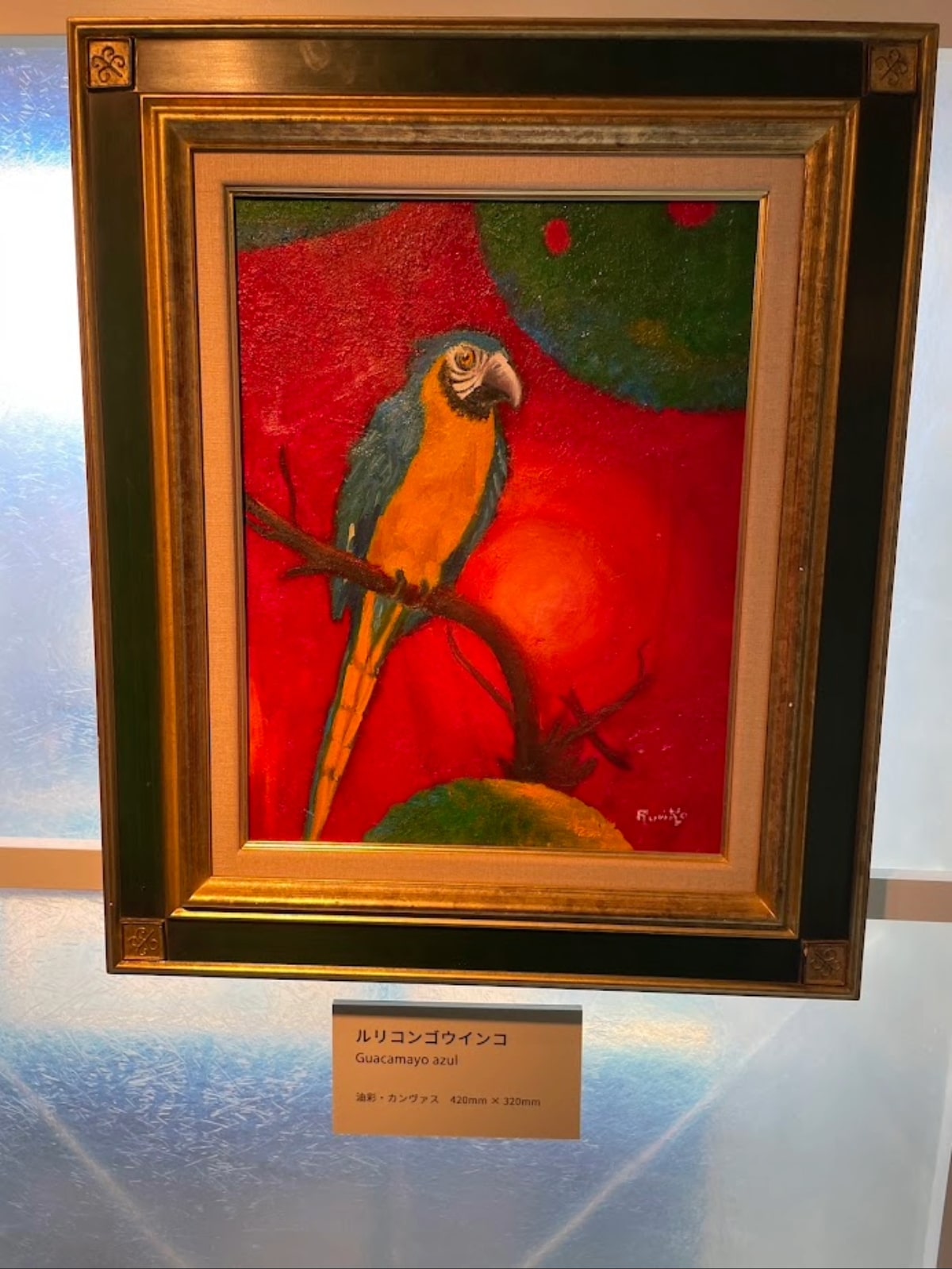
Ruriko Escobar was caught up in the civil war, overcame tremendous hardship with her family, and made tremendous efforts to settle in Japan and achieve a peaceful life. Born in 1941, Ruriko EscobarRuriko Escobar turned 85 this year. She is getting old. But perhaps Ruriko Escobar is living in the season when she can enjoy life the most. It seems to be connected to the fact that El Salvador, which she loves, has overcome hardship and become a stable society.
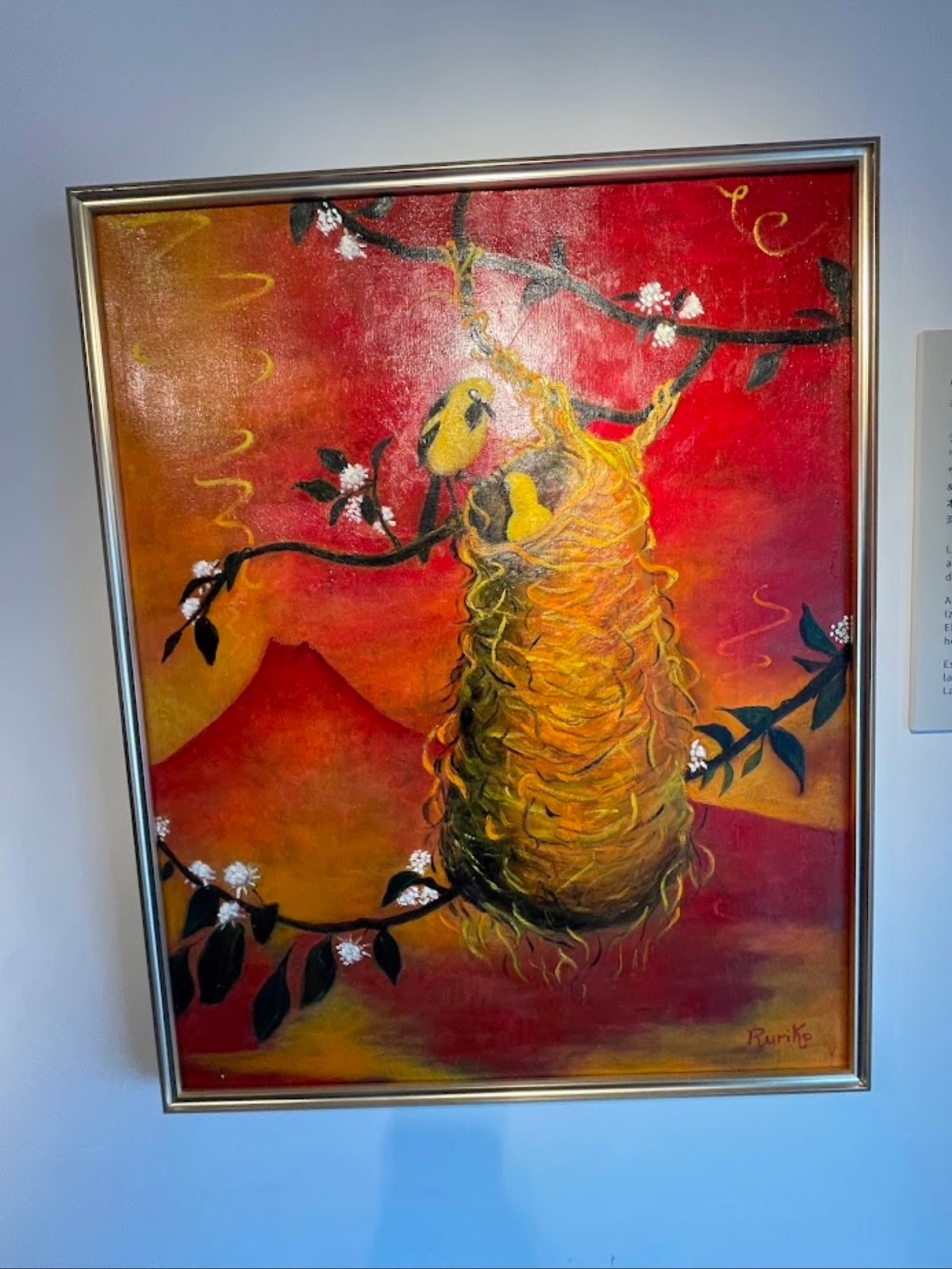
The trogoz (turquoise braud motte), the national bird of El Salvador, is a remarkably beautiful bird, and its appearance and colors are often used in Salvadoran art. In this exhibition, Ruriko Escobar has depicted the trogoz and its “large, shining tail feathers.” This work is the most symbolic piece in the exhibition.
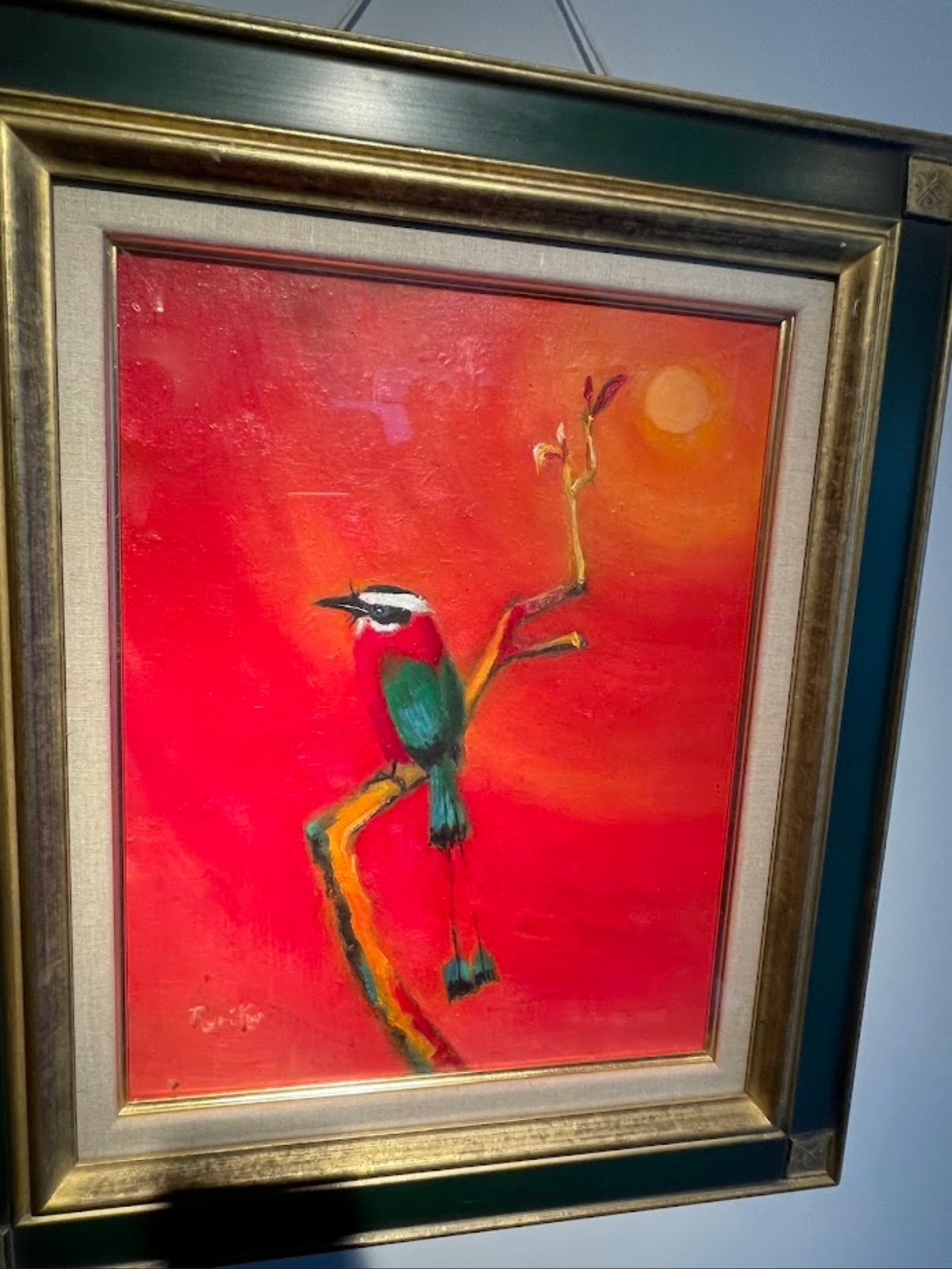
These “large, shining tail feathers” seemed to symbolize the bright future and further development of El Salvador, which she loves. It was a wonderful exhibition filled with tenderness, hope, and the unconditional love of a mother.
Read also:
- Embassy of El Salvador: Coffee and NFT Event
- Five years with charming Japanese paintings
- Bringing New Perspectives to Diplomacy: Ambassador of Panama.
- Visit Kagawa Prefecture, a Hidden Tourist Destination : Admire the Best of Japanese Art at Kotohira Shrine and Shoin
- Commemorating the 140th Anniversary of Serbia-Japan Friendship