Bali Arts Festival 2026: Acclaimed Kimono Show Held at the Governor’s Official Residence
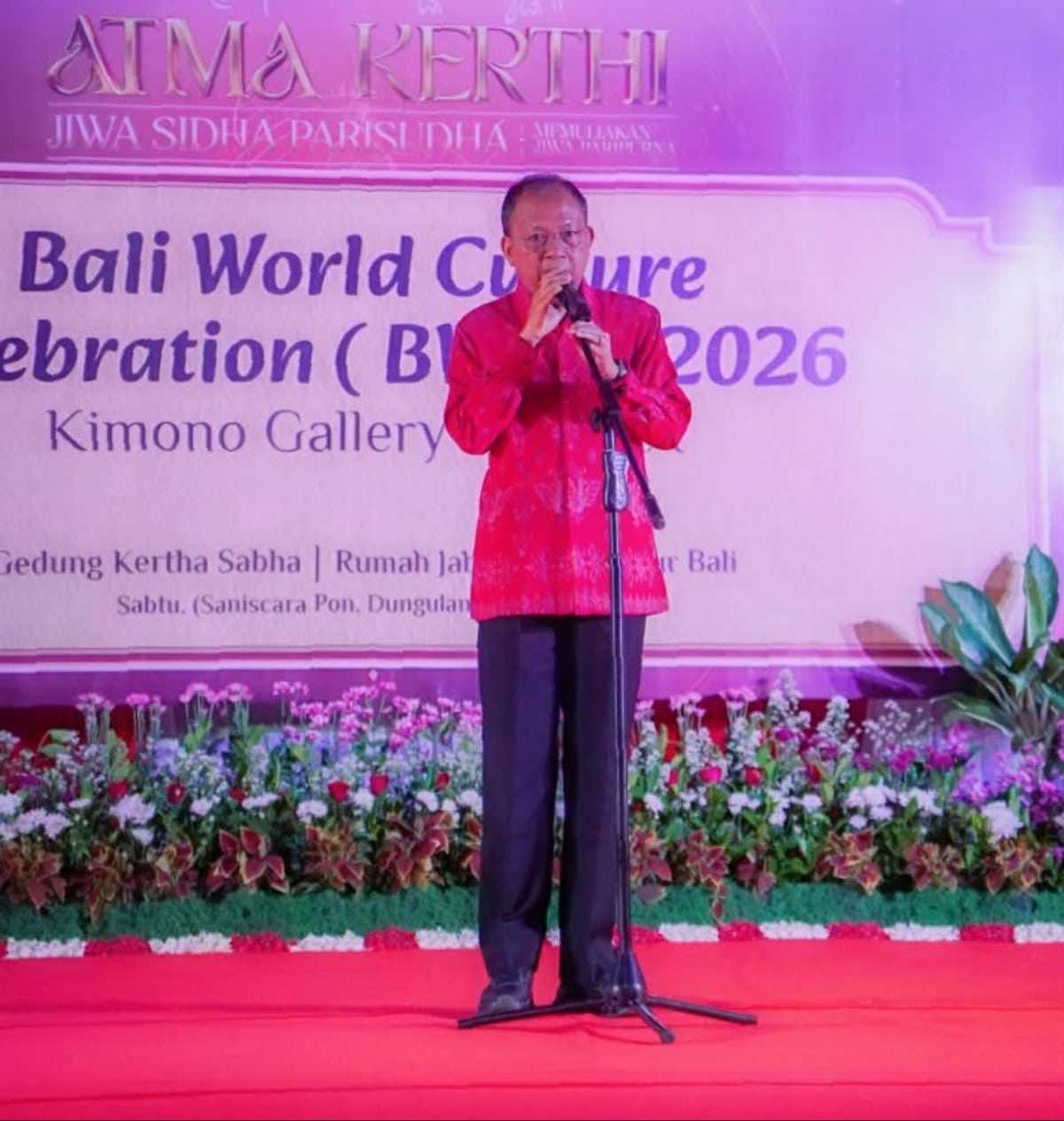
The Bali Arts Festival, established by the Bali provincial government in 1979, was held again this year in the capital city of Denpasar. As Bali’s largest celebration of arts and culture, the festival is dedicated to the mission of preserving, developing, and promoting Balinese art across generations. To embody this mission, performances and exhibitions—including dance, music, theater, and crafts rooted in Balinese Hindu philosophy—were showcased throughout the province.
During her time in Japan, Mrs. Nuning Ahmadi—wife of the former Indonesian Ambassador to Japan—deeply appreciated and explored Japanese aesthetics. To express the beauty she experienced firsthand, she frequently hosted fashion shows at the Indonesian Ambassador’s residence in Japan that blended kimono with Indonesian batik, showcasing a fresh, innovative sensibility.
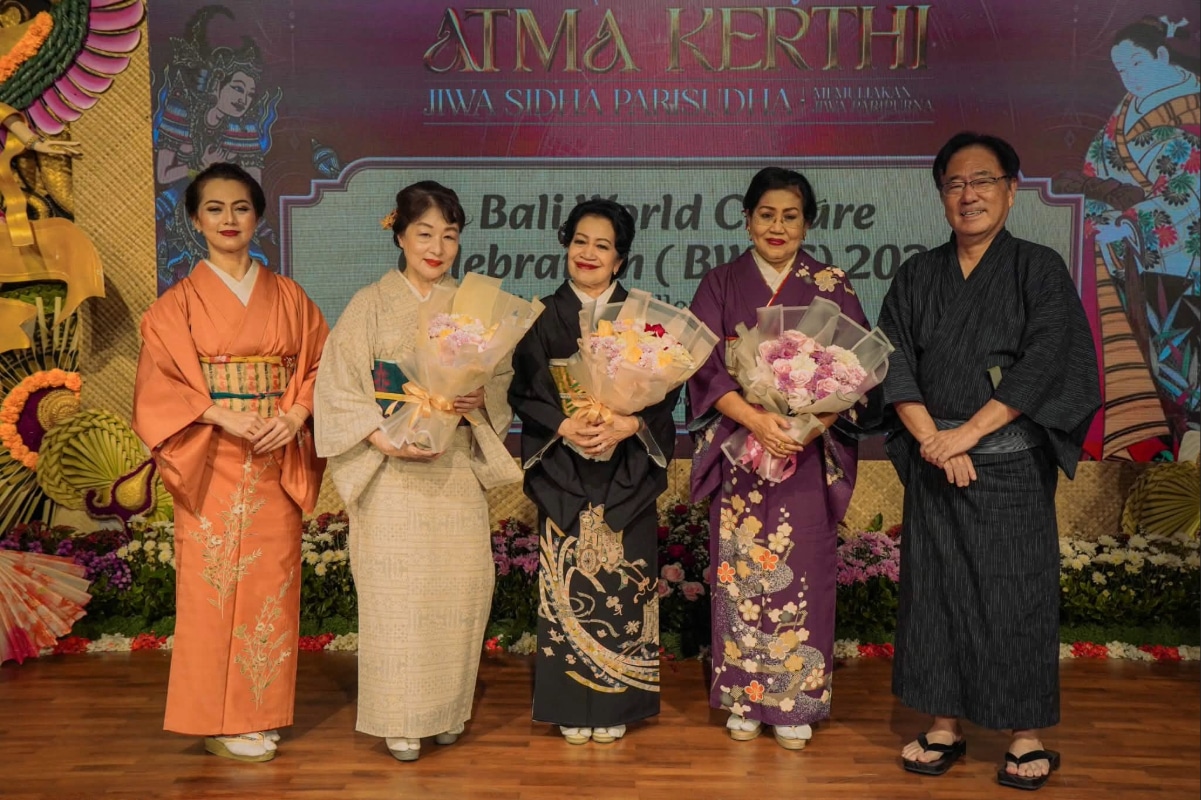
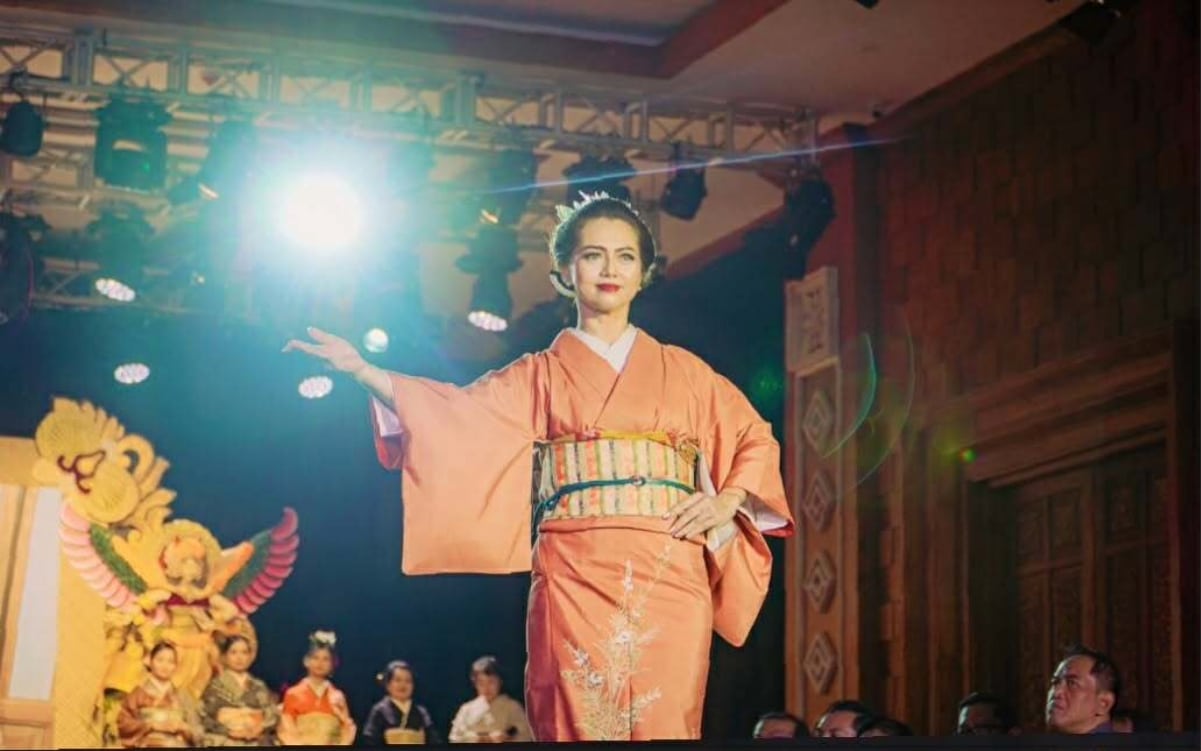
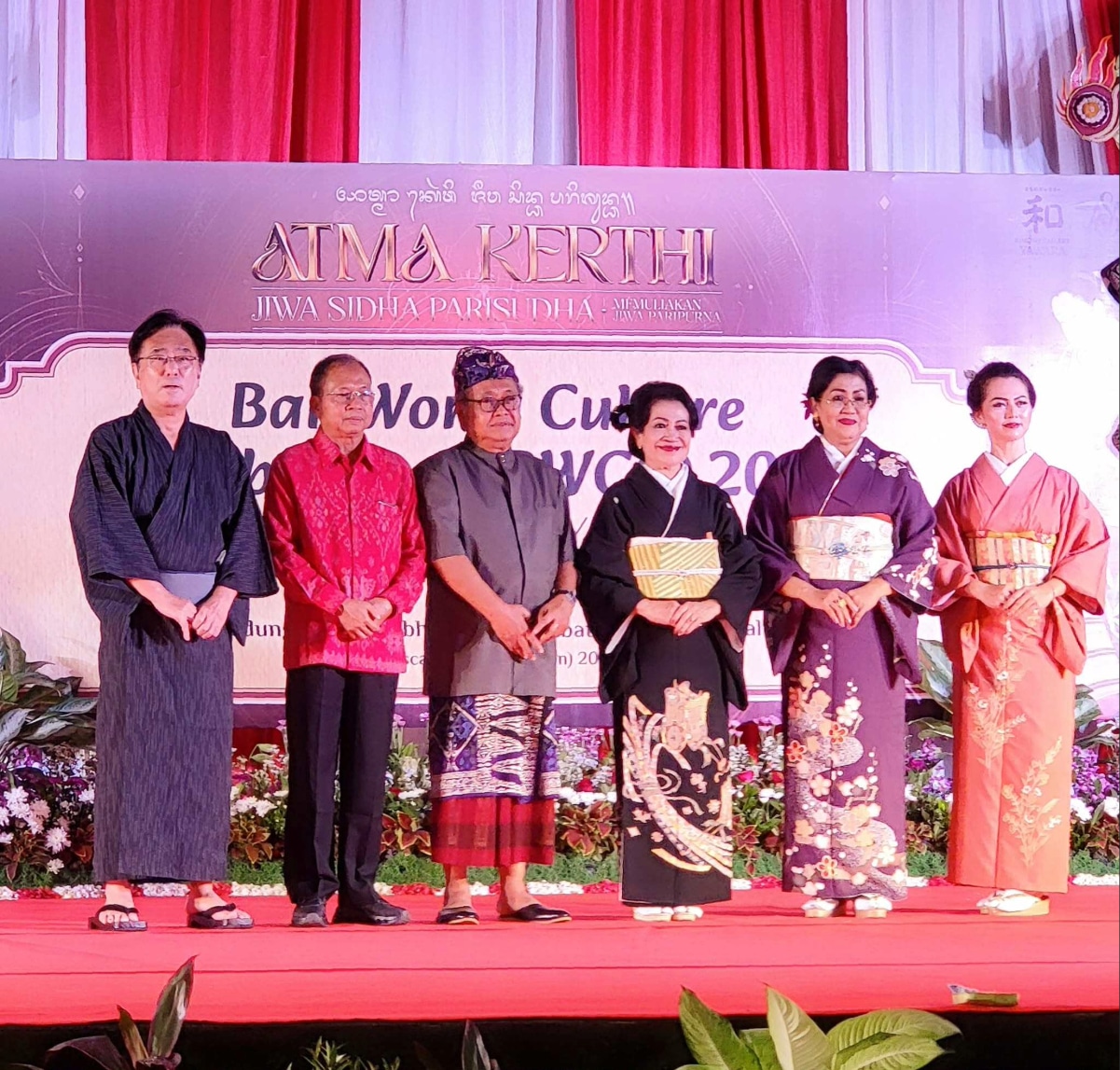
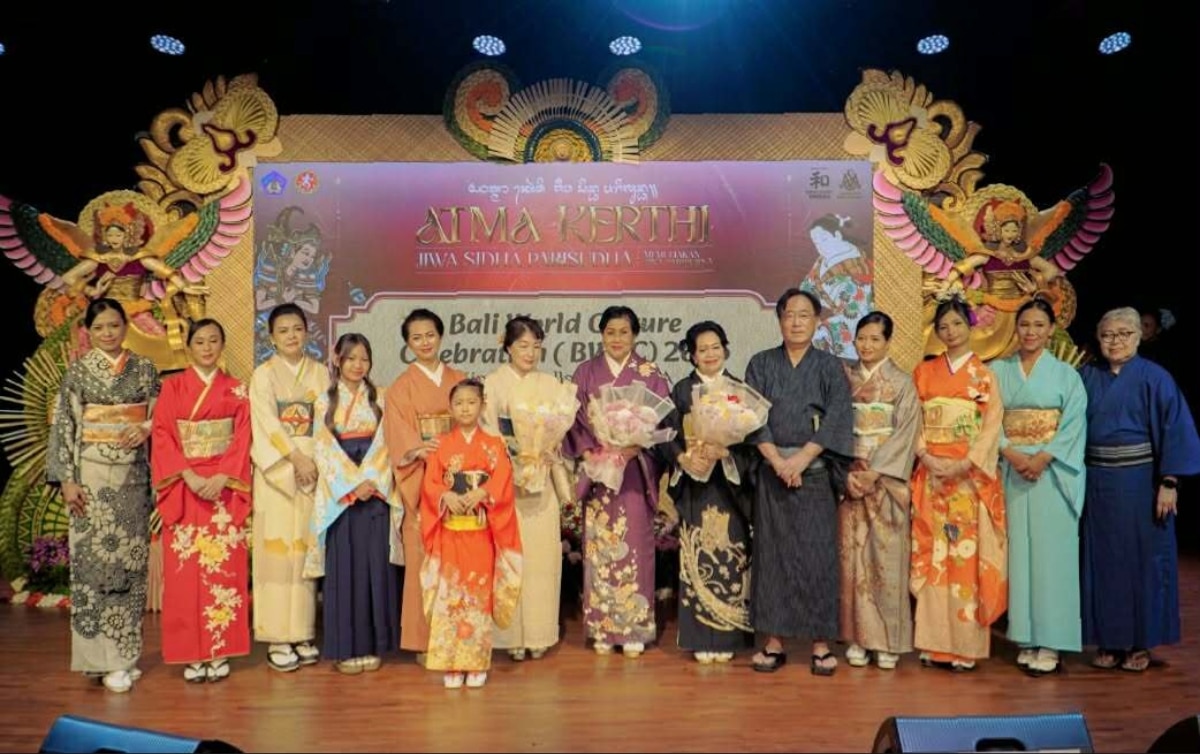
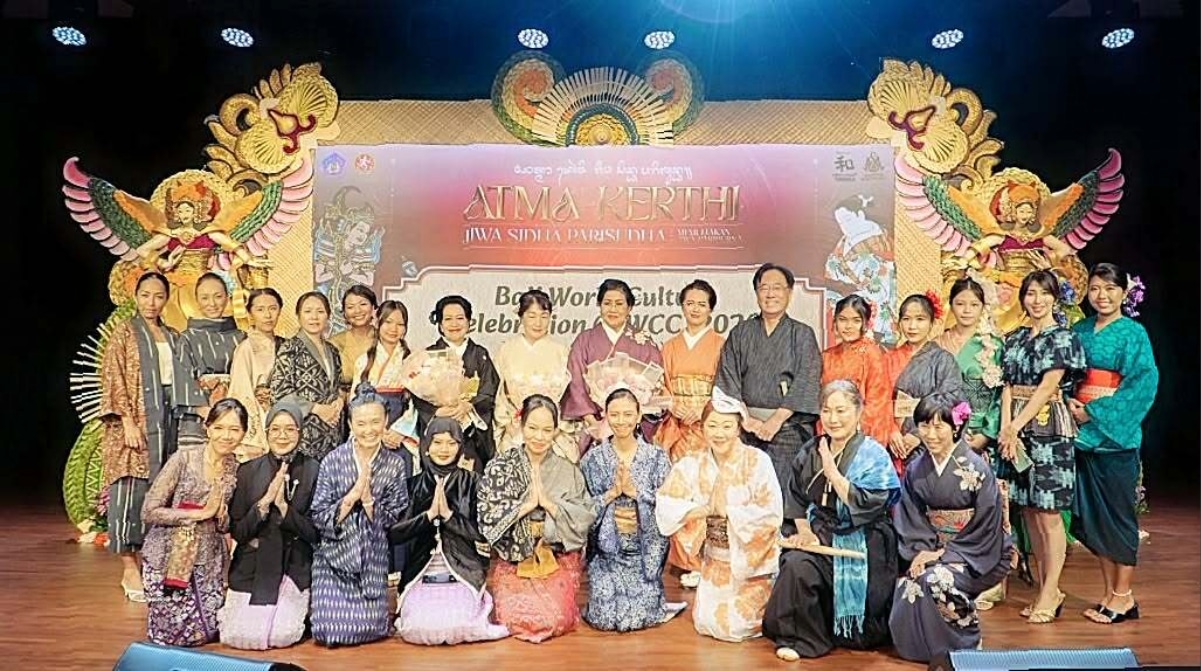
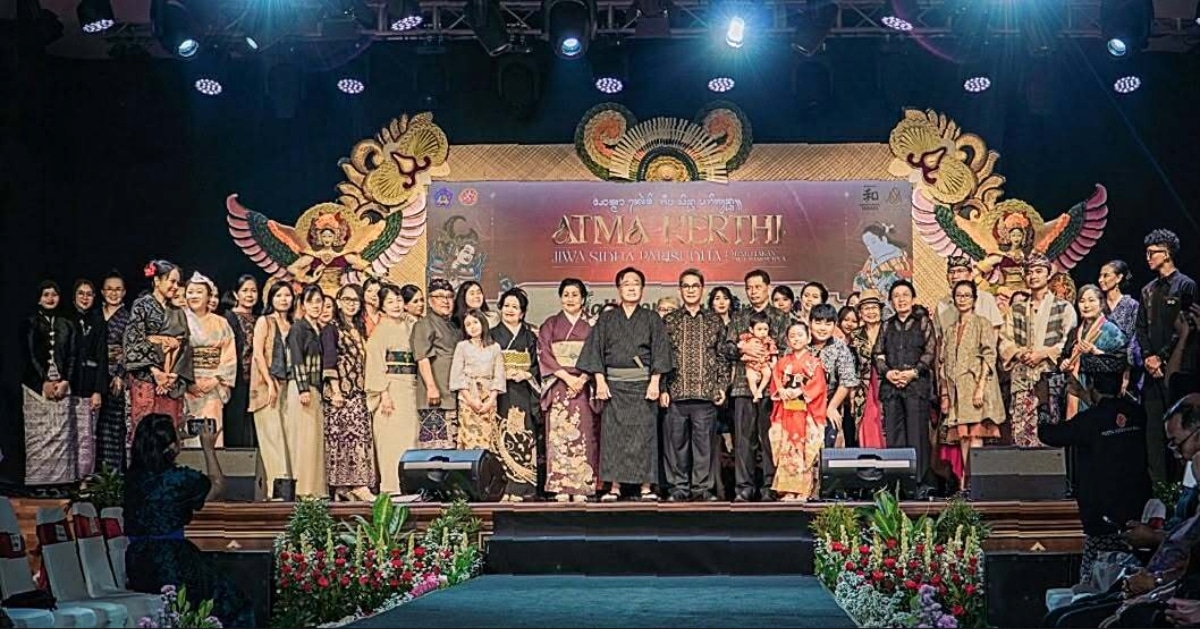
For this year’s Bali Arts Festival, a special fashion show was organized through a collaboration between Mrs. Ahmadi and Ms. Tomi Nakamura—owner and designer of the Japanese kimono gallery “Yawara.” The event featured kimono, which symbolize quintessential Japanese aesthetics, in a showcase that fused Indonesian and Japanese cultures with a modern flair.
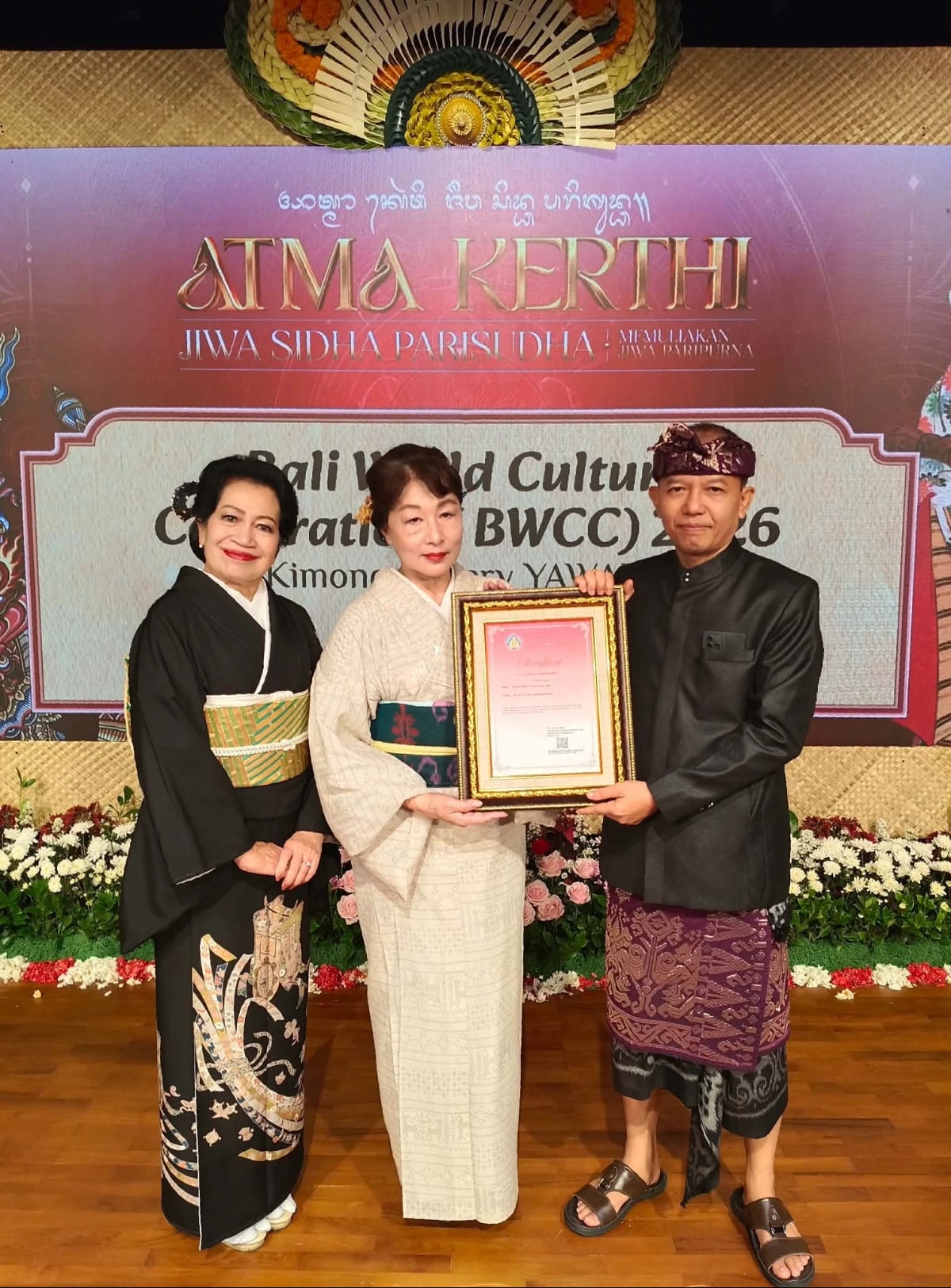
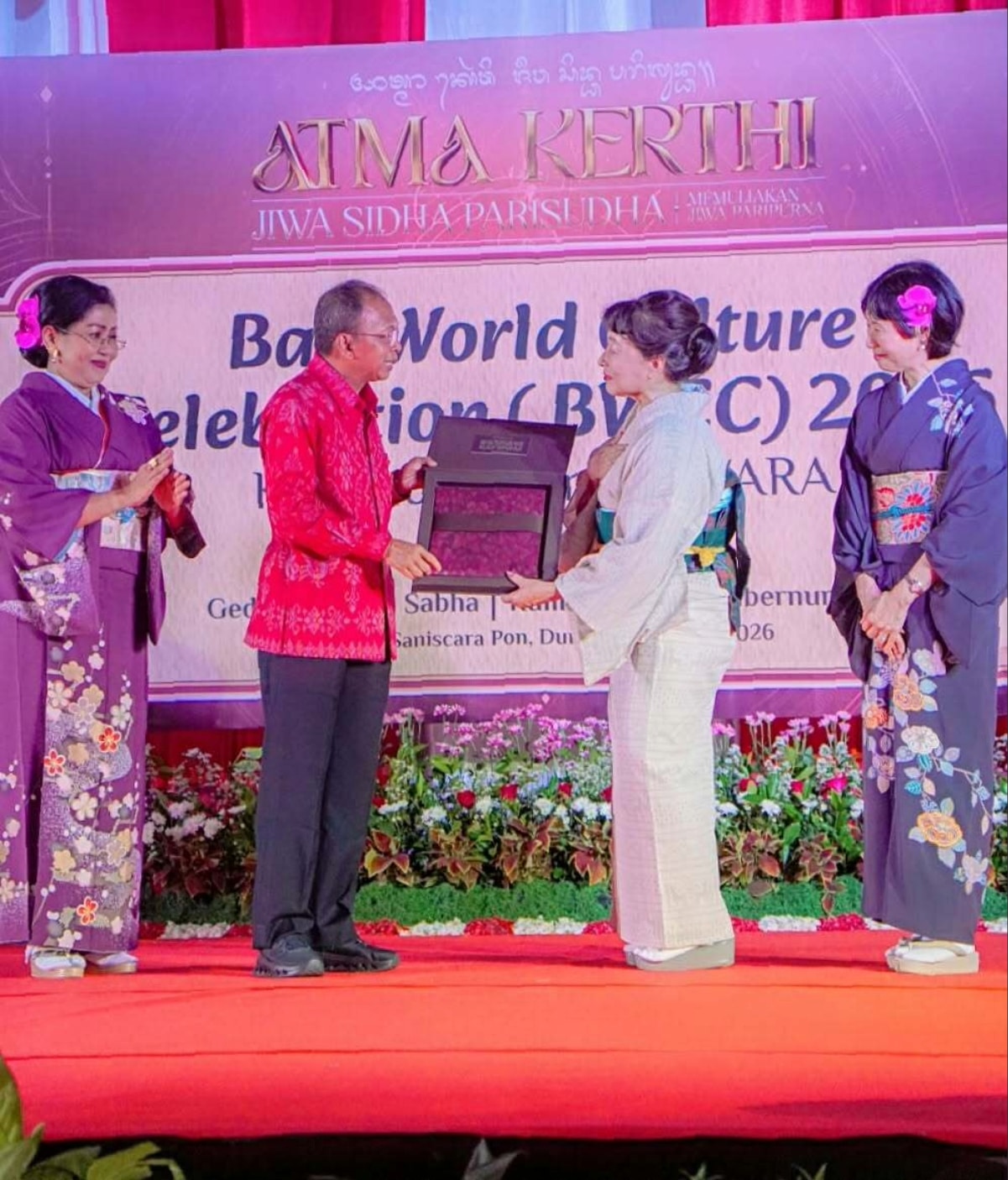
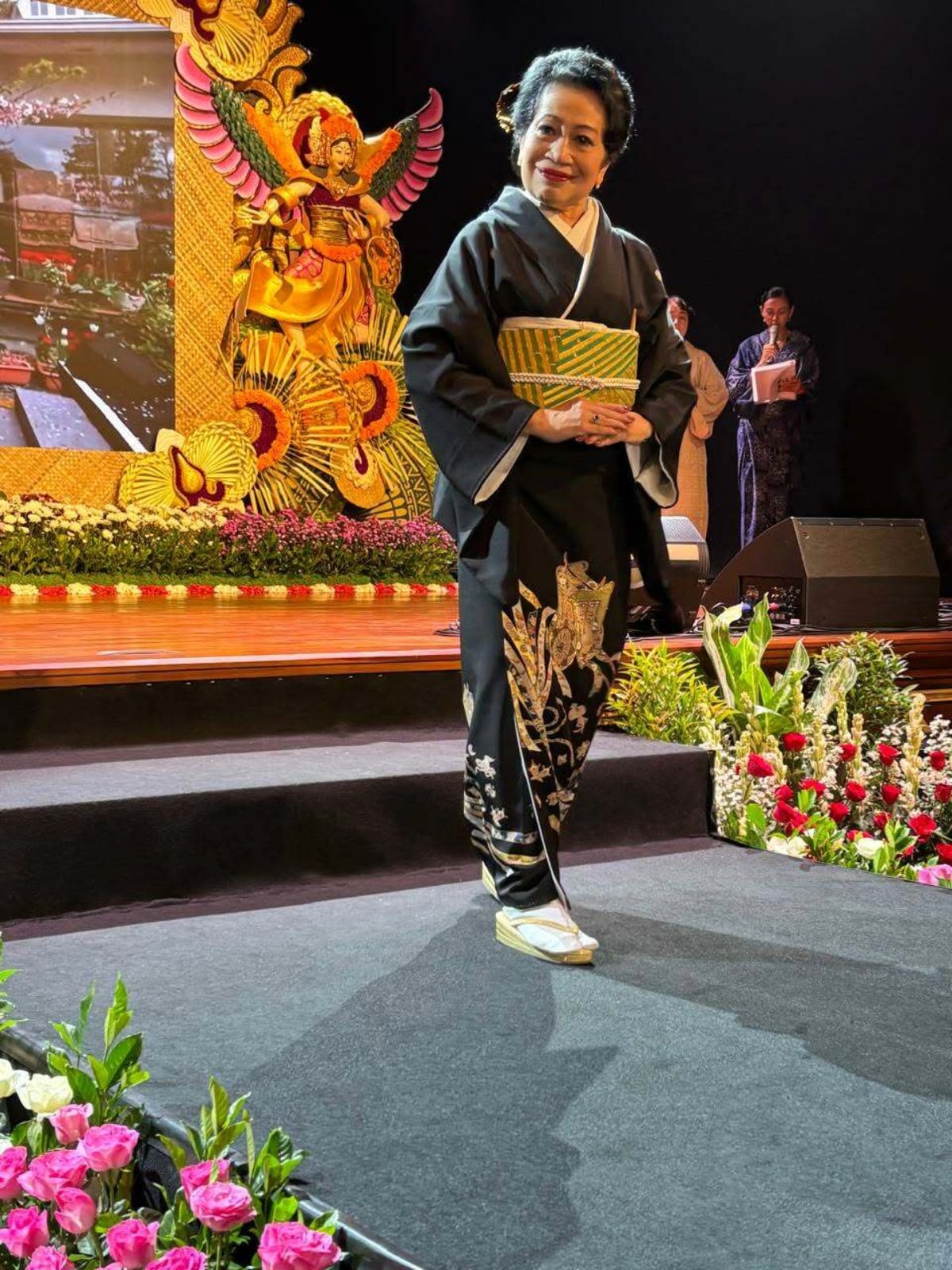
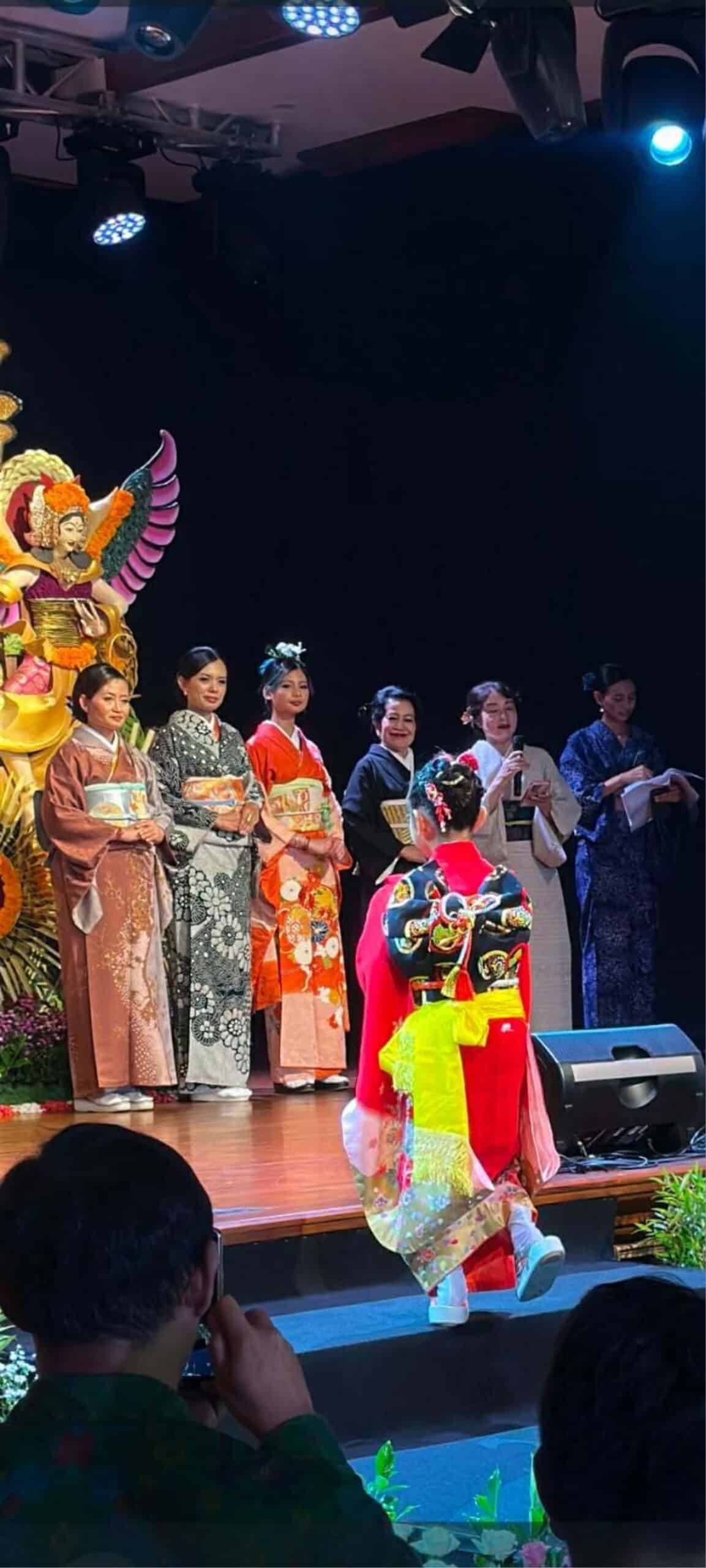
The fashion show, which opened with the powerful sound of drums echoing into the night sky, was presented in two parts. The first part explained the significance, philosophy, functionality, and social role of the kimono, highlighting the garment’s traditional nature. Each kimono was crafted by artisans upholding traditional Japanese techniques; the audience not only admired the beautiful garments but also witnessed the high level of craftsmanship involved in their creation.
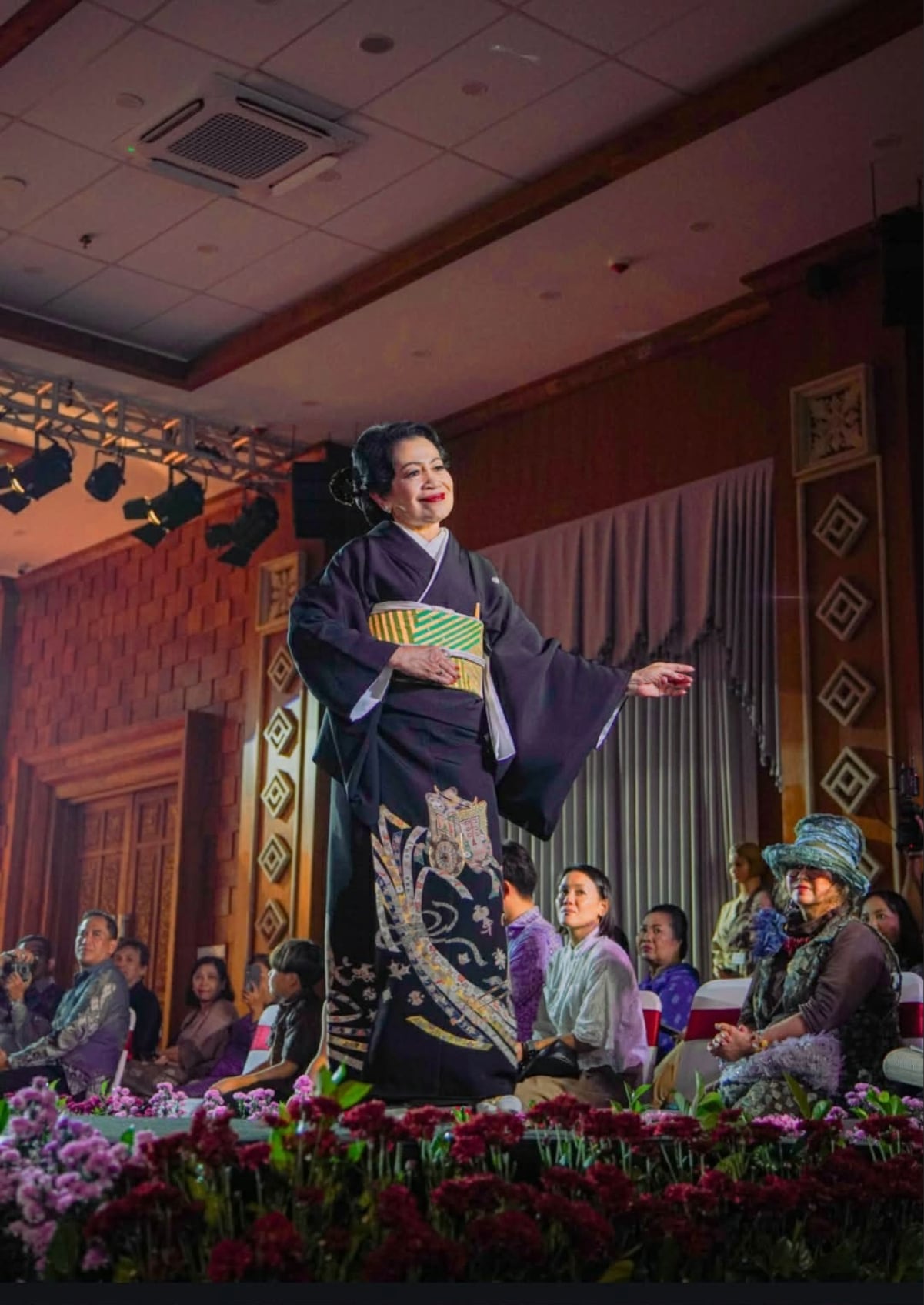
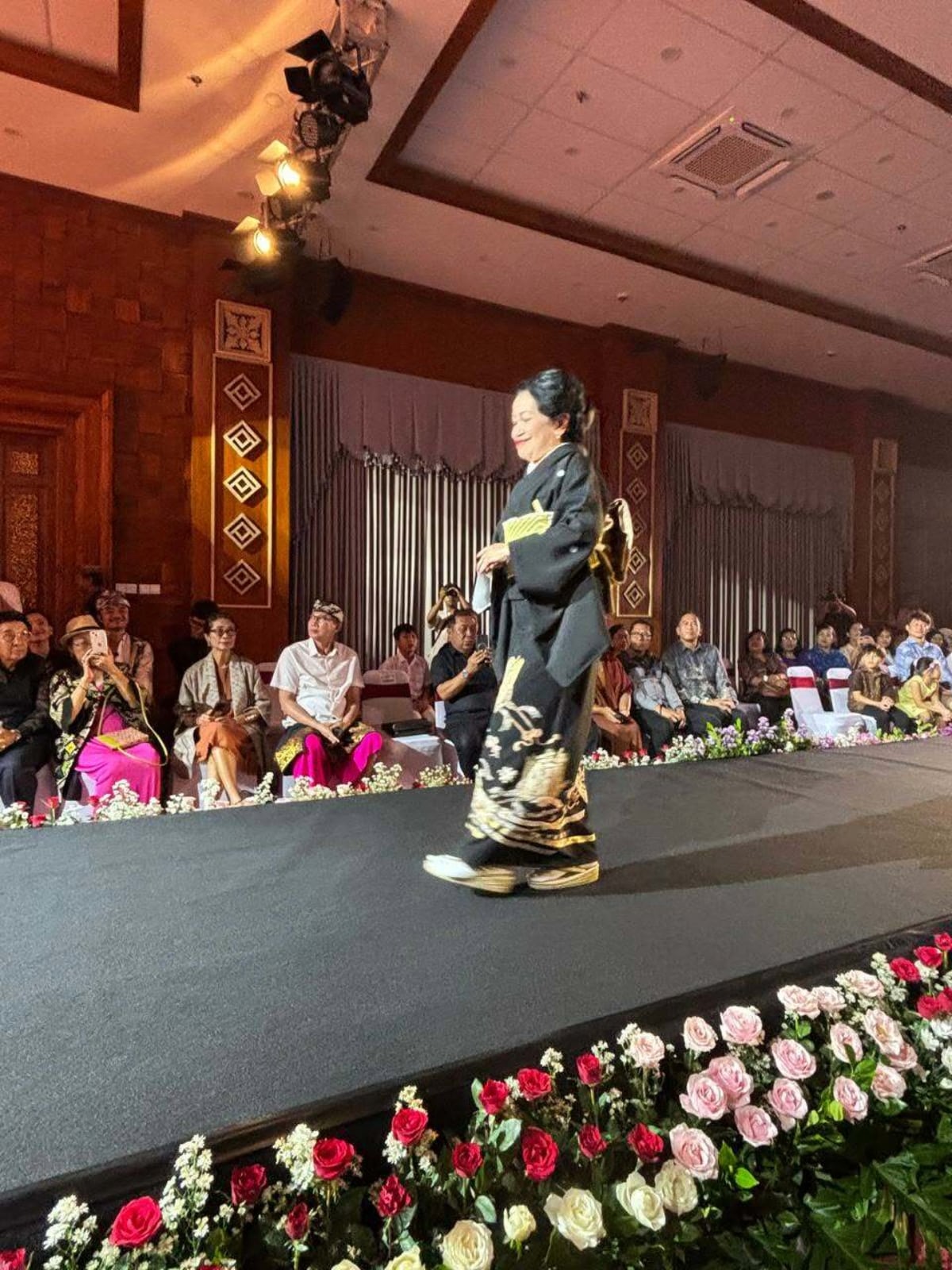
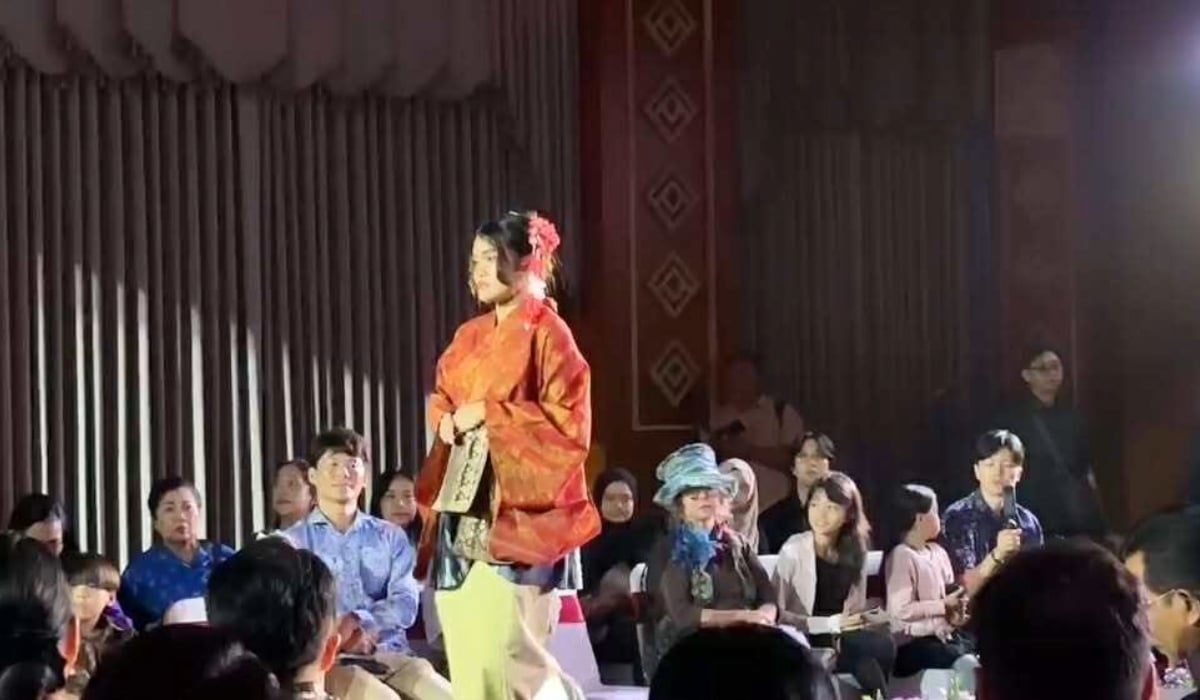
The second part unveiled kimono designs by Ms. Tomi Nakamura that transcended borders with a fresh, innovative style. This collaboration incorporated various beautiful Indonesian textiles—such as Balinese *Endek*, Javanese batik, and other fabrics—into the Japanese kimono format. The resulting designs expressed a new cultural sensibility, serving as a bridge between the cultures and exchange of both nations. Through this new proposal, I was deeply struck by the realization that clothing is far more than a mere covering for the body; it embodies history and beauty, and serves as a medium for dynamic dialogue that transcends time.
Japan and Indonesia have always enjoyed a positive relationship. This was a wonderful event that gave me a strong sense that these good ties and cultural exchanges will continue and flourish even further in the future.
Read also,