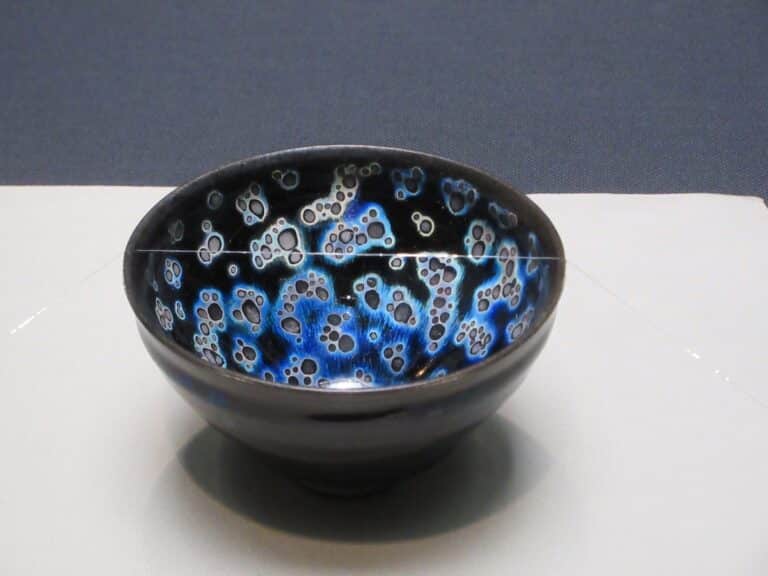
Ceramicist Kawai Kanjirō: The Sources of His Creativity in Traditional Ceramics
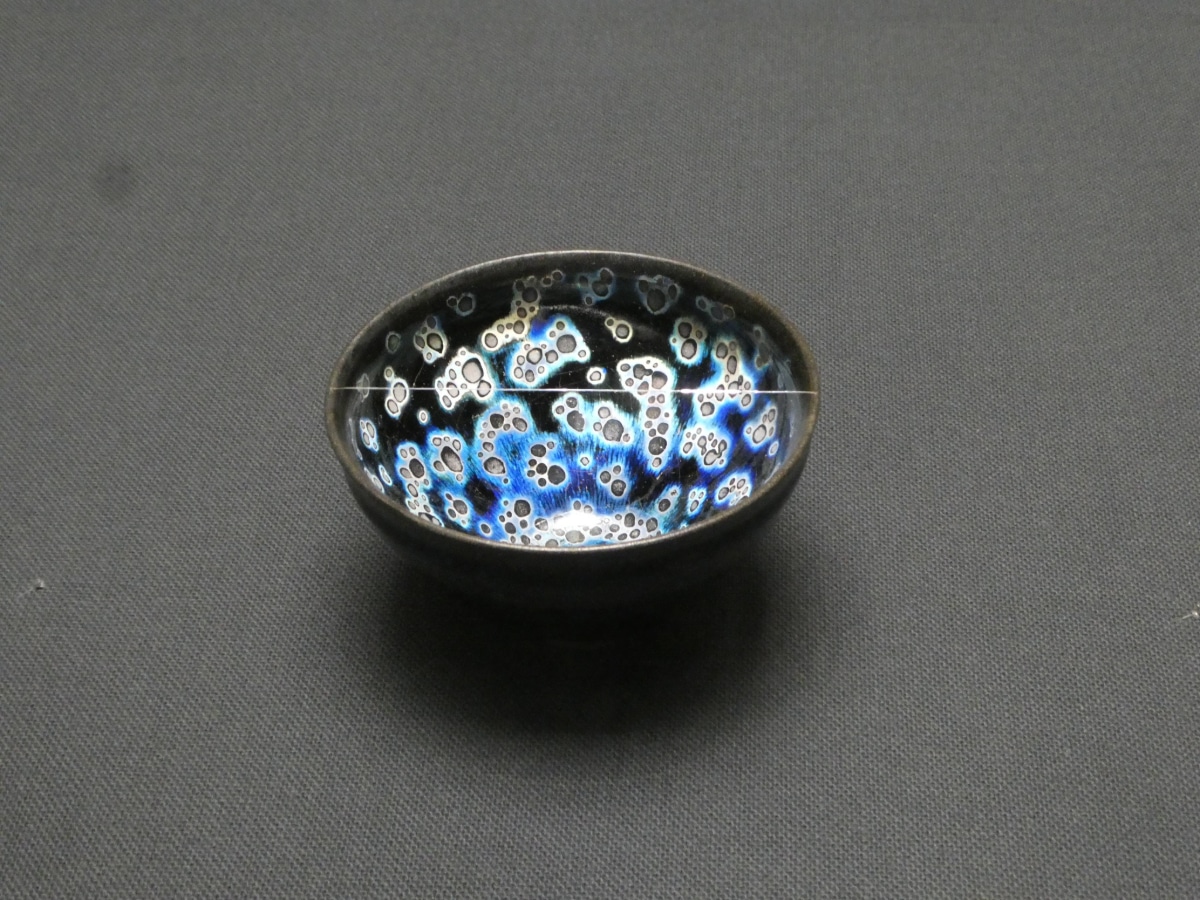
The exhibition “Ceramicist Kawai Kanjirō: The Sources of His Creativity in Traditional Ceramics,” currently being held at the Seikado Bunko Art Museum, traces the career of Kawai Kanjirō, a ceramic artist who was active during the Taisho and Showa eras.
As many know, Kawai Kanjirō—alongside Yanagi Sōetsu and Hamada Shōji—was a key figure who championed the use of fine craftsmanship in everyday life and helped originate the concept of “Mingei” (folk craft). This year marks a significant milestone, commemorating both the 40th anniversary of Kawai Kanjirō’s passing and the centennial of the birth of the “Mingei” movement. The exhibition serves as a comprehensive retrospective of his work as an artist.
Fifty-one of the exhibited pieces are from the Seikado Bunko Art Museum’s own collection, all created during the early Showa period. This era coincided with the time Kawai Kanjirō was energetically promoting the “Mingei” movement; it was arguably the period when his creative drive was at its peak.
The exhibition is structured into four sections: Part 1: The Appearance of a “Comet”: Kanjiro in the Taisho Era; Part 2: The Impact of Mingei: Joseon-Dynasty Porcelain, English Slipware, and Ordinary Japanese Pottery; Part 3: Sources of Creativity; and Part 4: Iwasaki Koyata and Modern Ceramics: His Residence and Favorite Items. As visitors move through these sections, they gain a vivid sense of how Kawai Kanjirō encountered diverse ceramic traditions from across time and space, drawing inspiration from them and incorporating those influences into his own unique style.
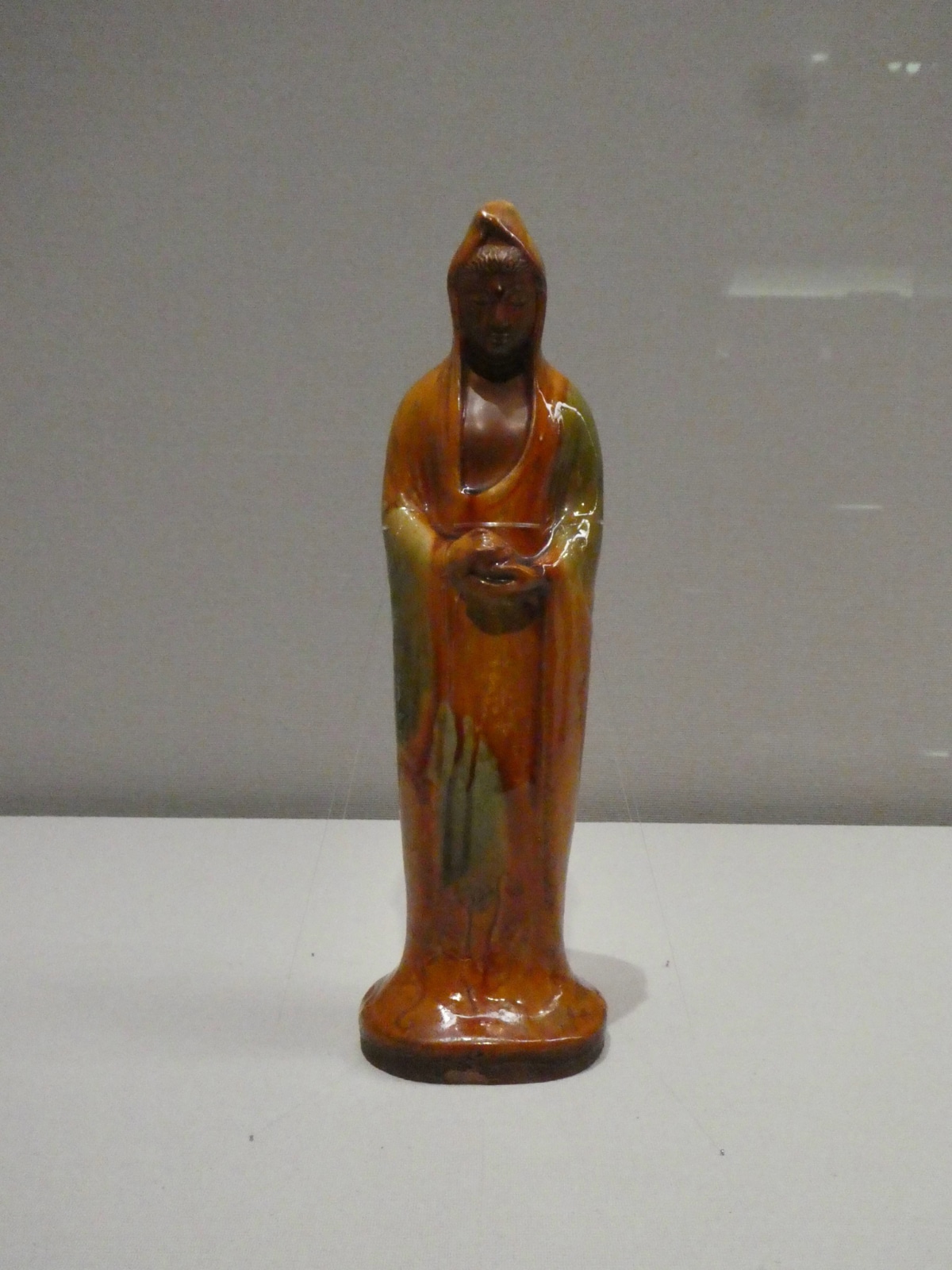
The first section, titled “The Appearance of a ‘Comet’: Kanjiro in the Taisho Era,” focuses on the artistic expression found in the works of Kawai Kanjirō, who burst onto the scene with the sudden brilliance of a comet. Upon viewing ancient ceramics from China and Korea, Kanjiro was deeply moved not only by their beautiful forms but also by the fact that they were crafted by anonymous artisans—a realization that served as a powerful source of inspiration. This inspiration elevated his own research and profoundly influenced his artistic output.
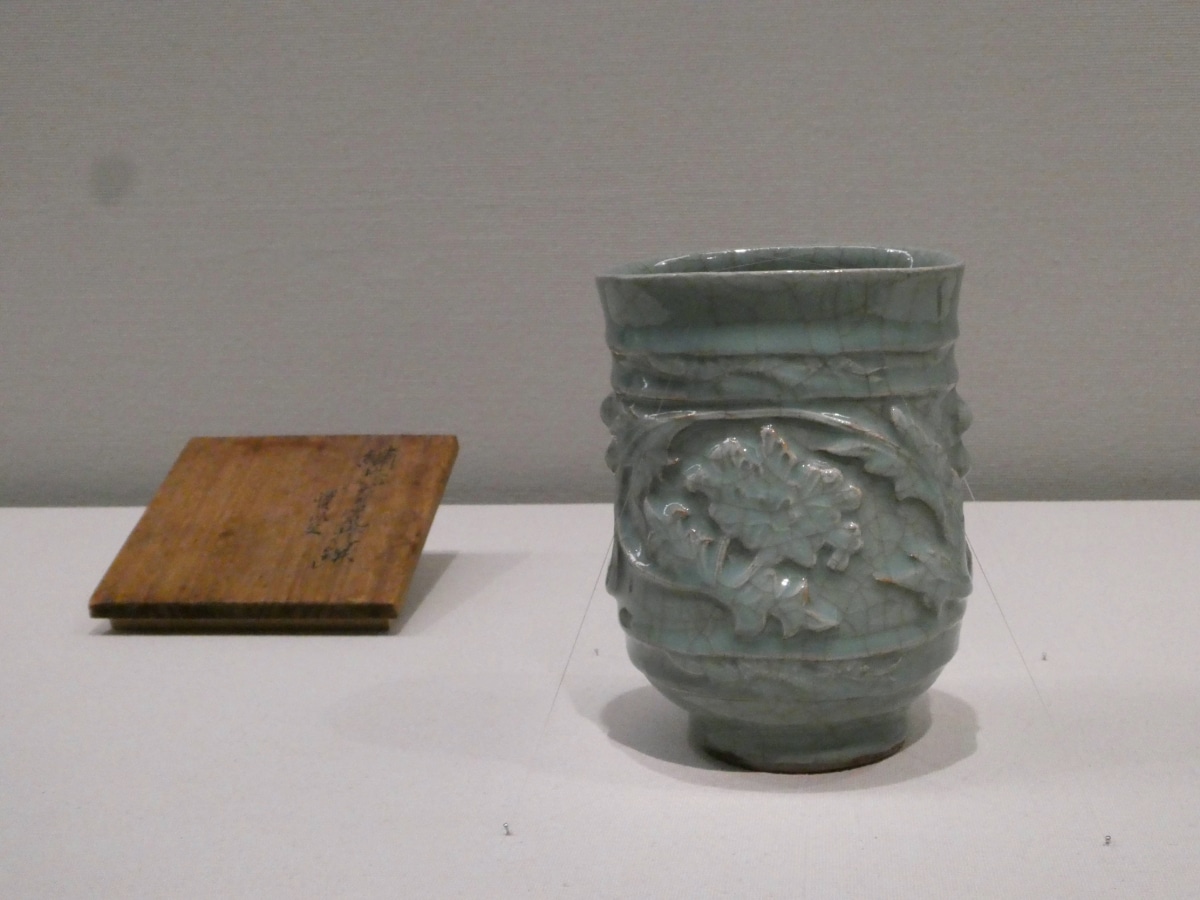
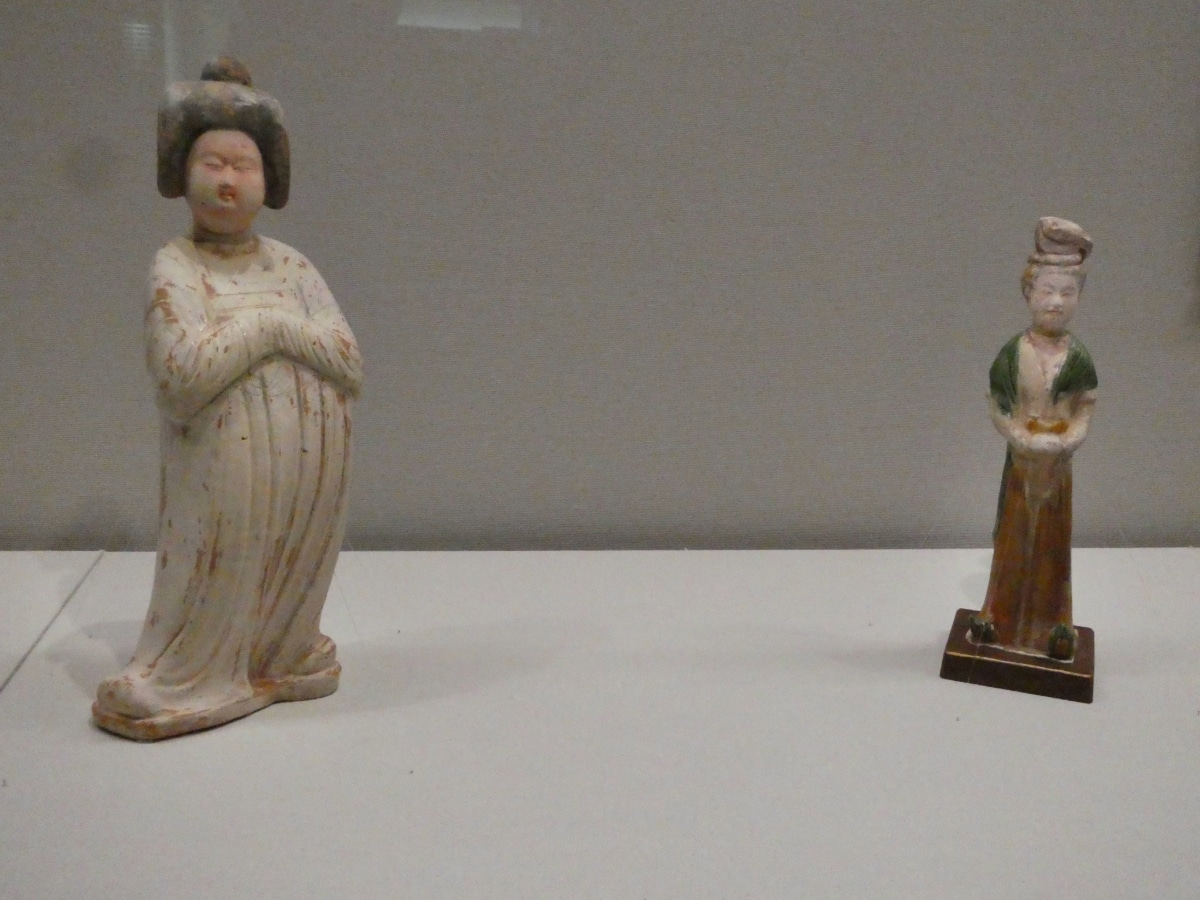
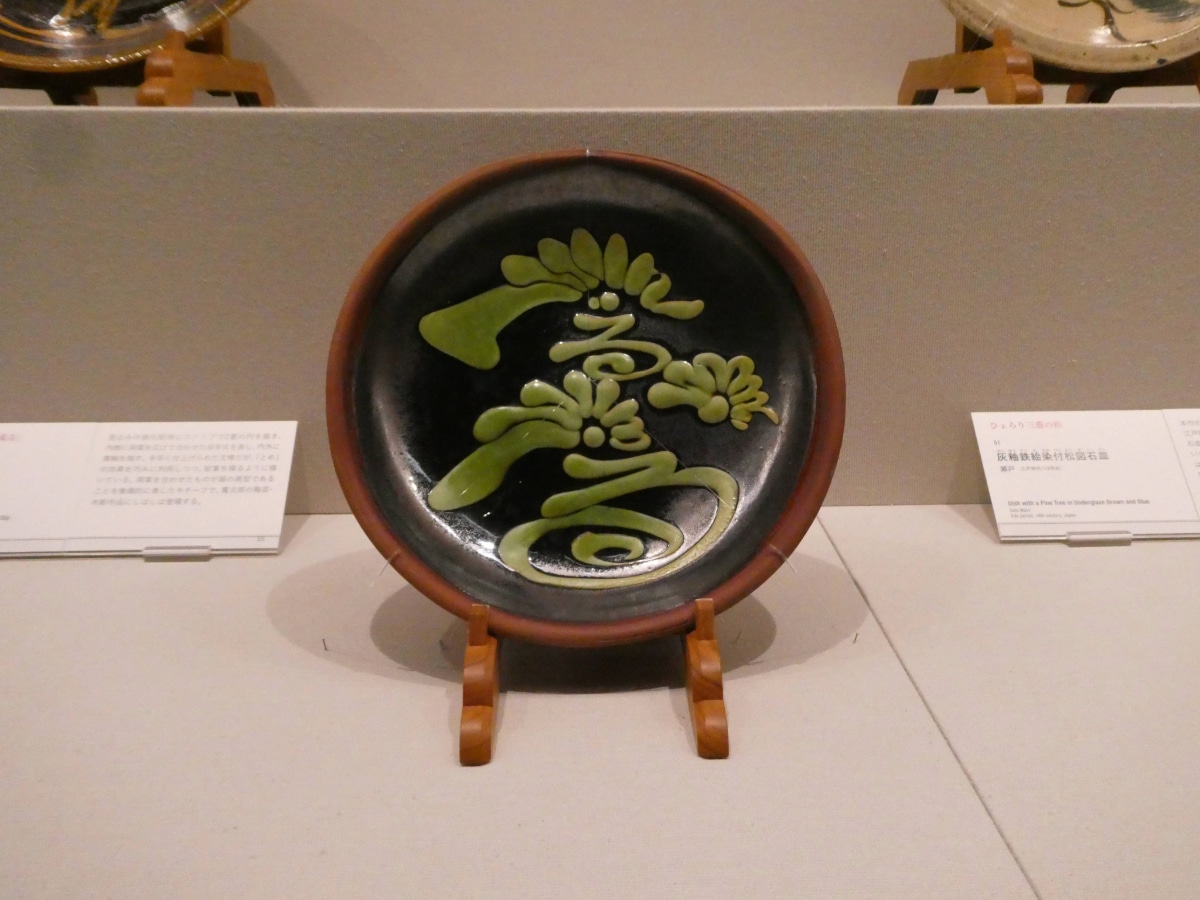
Chapter 2, titled “The Impact of Mingei: Joseon-Dynasty Porcelain, English Slipware, and Ordinary Japanese Pottery,” is a truly bold and striking section. It leaves a powerful impression—bordering on shock—at the new style Kanjiro developed under the influence of English “slipware.” Slipware refers to the pottery that ordinary British people used in their daily lives—wares that Shoji Hamada brought back to Japan from England. Yet, this slipware possessed a unique and special allure; it was later rediscovered and highly acclaimed by figures such as Bernard Leach and Shoji Hamada.
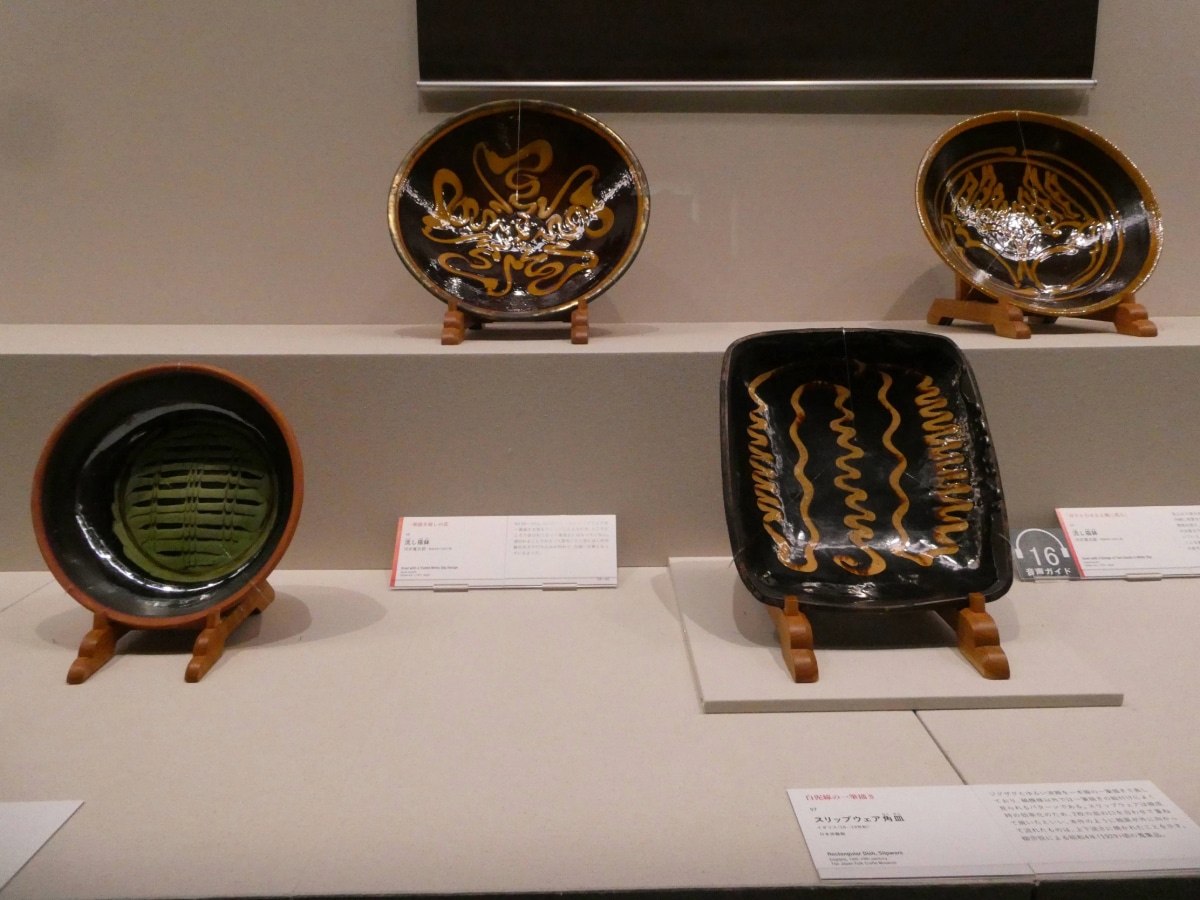
Kanjiro, too, recognized the appeal of slipware; he internalized its robust energy and transformed it into a new aesthetic within his own creations. Recognizing beauty in the everyday is, perhaps, the fundamental essence of “Mingei” (folk craft).
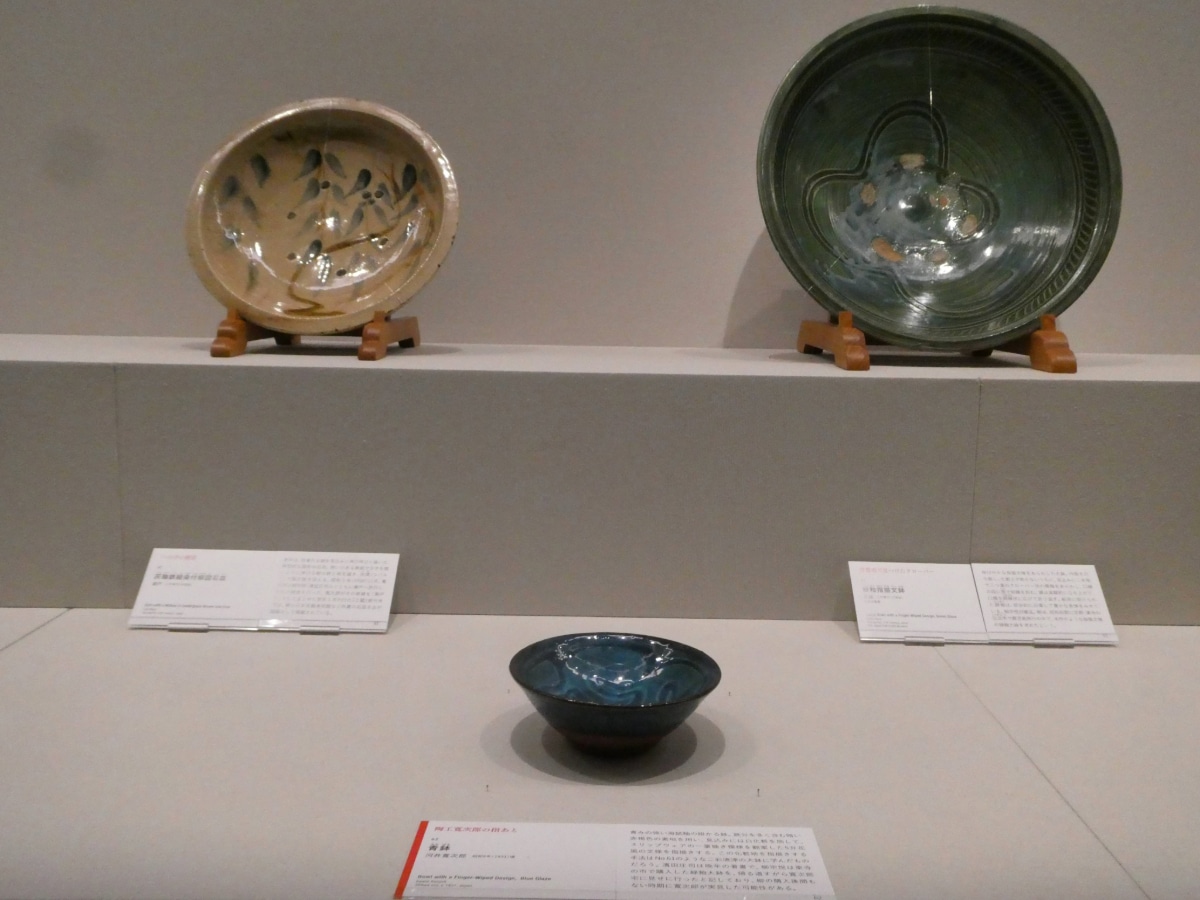
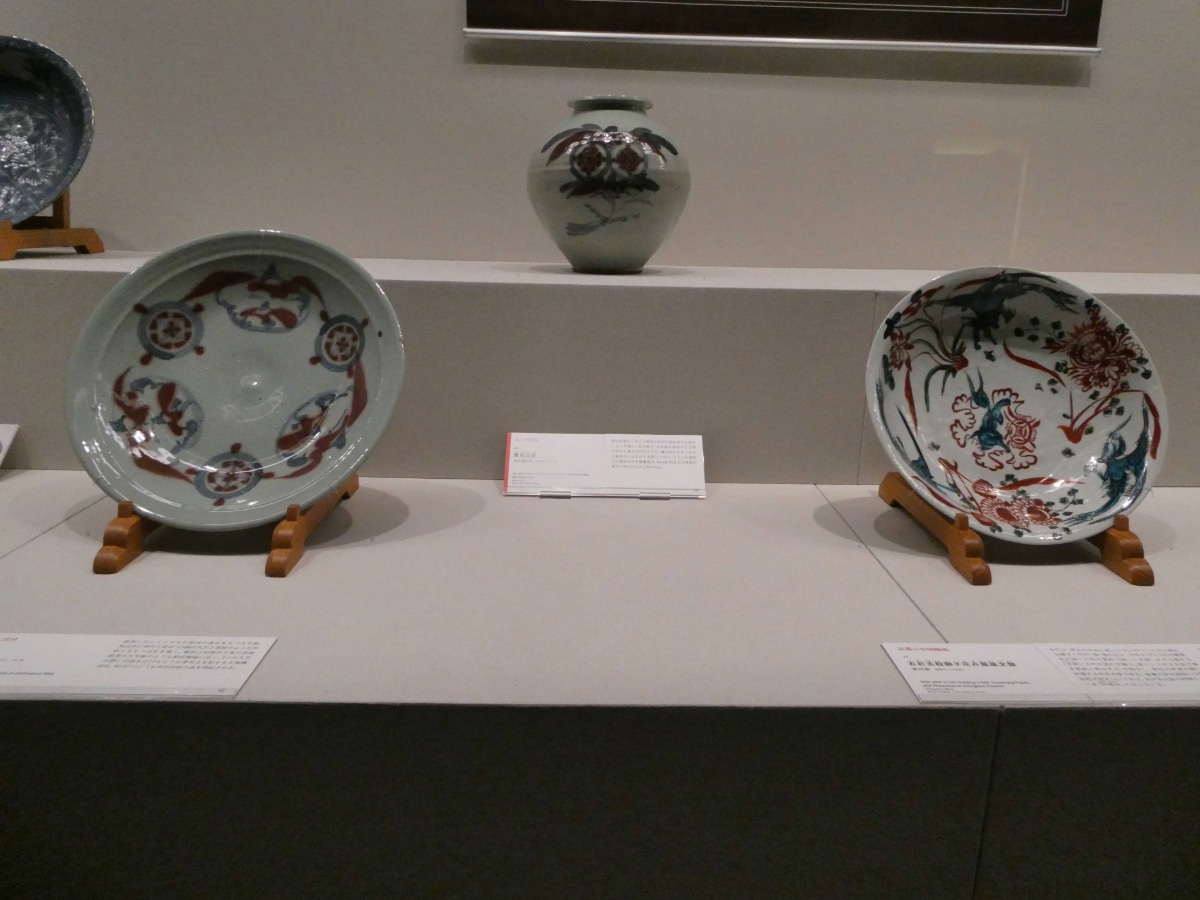
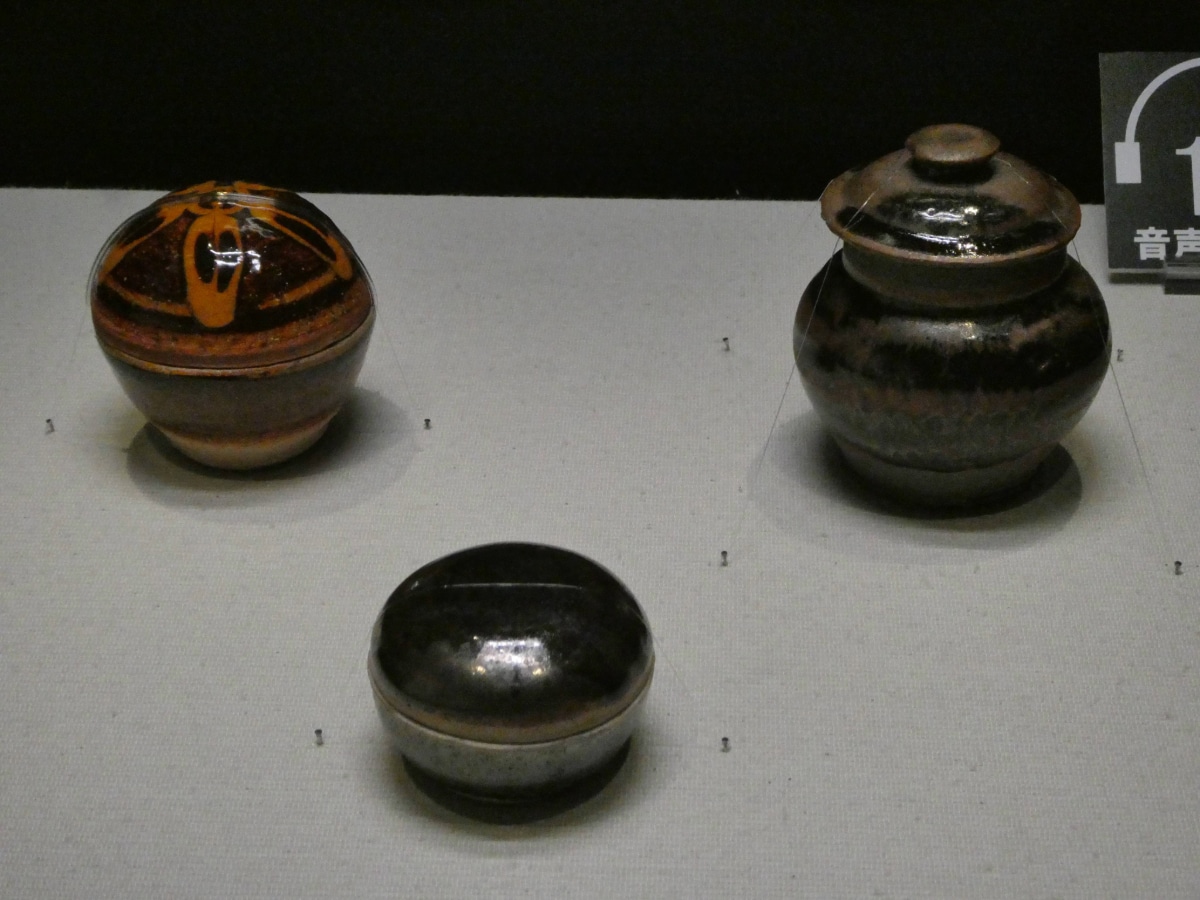
Chapter 3, titled “Sources of Creativity,” presents ceramics from Korea, China, and Japan alongside works created by Kanjiro. Featured here are two of Kanjiro’s pieces: Lidded Jar with Iron Black Glaze, “Yohen” Type and Small Covered Box with Combed Marks and Irom Black Glaze, “Yohen” Type. These are the only two works in his entire career to bear the name “Yohen,” a term denoting the unique transformations that occur within the kiln. They are masterpieces that seem to evoke the image of Kanjiro himself, satisfied with the beautiful patterns spun by the glaze. Also on display is the National Treasure “Tea Bowl with Black Glaze, Yohen Tenmoku Type, Known as “Inaba Tenmoku.” It is one of only three extant “Yohen Tenmoku” bowls that have survived in perfect condition, and it stands quietly on display—a work of exceptional beauty. In this exquisite space—where one can simultaneously view a “yōhen” (kiln-transmutation) piece by Kawai Kanjirō and a National Treasure “yōhen tenmoku” tea bowl—the atmosphere is so sublime that one might almost hear the visitors sigh in admiration.
The final section, Chapter 4, is titled “Iwasaki Koyata and Modern Ceramics: His Residence and Favorite Items.” Iwasaki Koyata, the founder of the Seikado Bunko Art Museum, is said to have cherished and used vessels created by modern ceramicists in his daily life. He was, in every sense, a collector who championed the “Mingei” (folk craft) movement.
Finding beauty in everyday life—in an era where “slow living” and the quality of our lifestyles are being re-evaluated, the philosophy of “Mingei” championed by Kawai Kanjirō and Iwasaki Koyata holds profound significance. This exhibition offers more than just a chance to view beautiful ceramics; it invites us to reflect on our own way of living. It leaves visitors feeling as though they have received a meaningful message from Kawai Kanjirō himself.
Ceramicist Kawai Kanjirō: The Sources of His Creativity in Traditional Ceramics
Exhibition Period: September 5 (Sat) – November 8 (Sun), 2026
Closed: Mondays (except September 21 and October 12, which are national holidays), September 24 (Thu), and October 13 (Tue)
Hours: 10:00 – 17:00 (Last admission 30 minutes before closing)
*Open until 20:00 on September 23 (Wed/Holiday) and October 28 (Wed) *Open until 19:00 on November 6 (Fri) and November 7 (Sat)
Read also,
- Seikado Bunko Art Museum Exhibition : Where Beauty is Served : Kaiseki Vessels and Spirit of Tea Ceremony – Until June 14th
- Her Imperial Highness Princess Akiko Views Special Exhibition at Atsugi City Museum
- Unravelling the Charm of the World’s leading Kiln, Herend
- Sumida Hokusai Museum 10th Anniversary Exhibition: “Hokusai and Hiroshige: Two Visions of Mt. Fuji” – A Showcase Featuring Two Masters of Ukiyo-e