Ao Dai: A Cultural Symbol of Vietnam Vietnamese Ao Dai: A Splendid Fashion Show Held in Tokyo
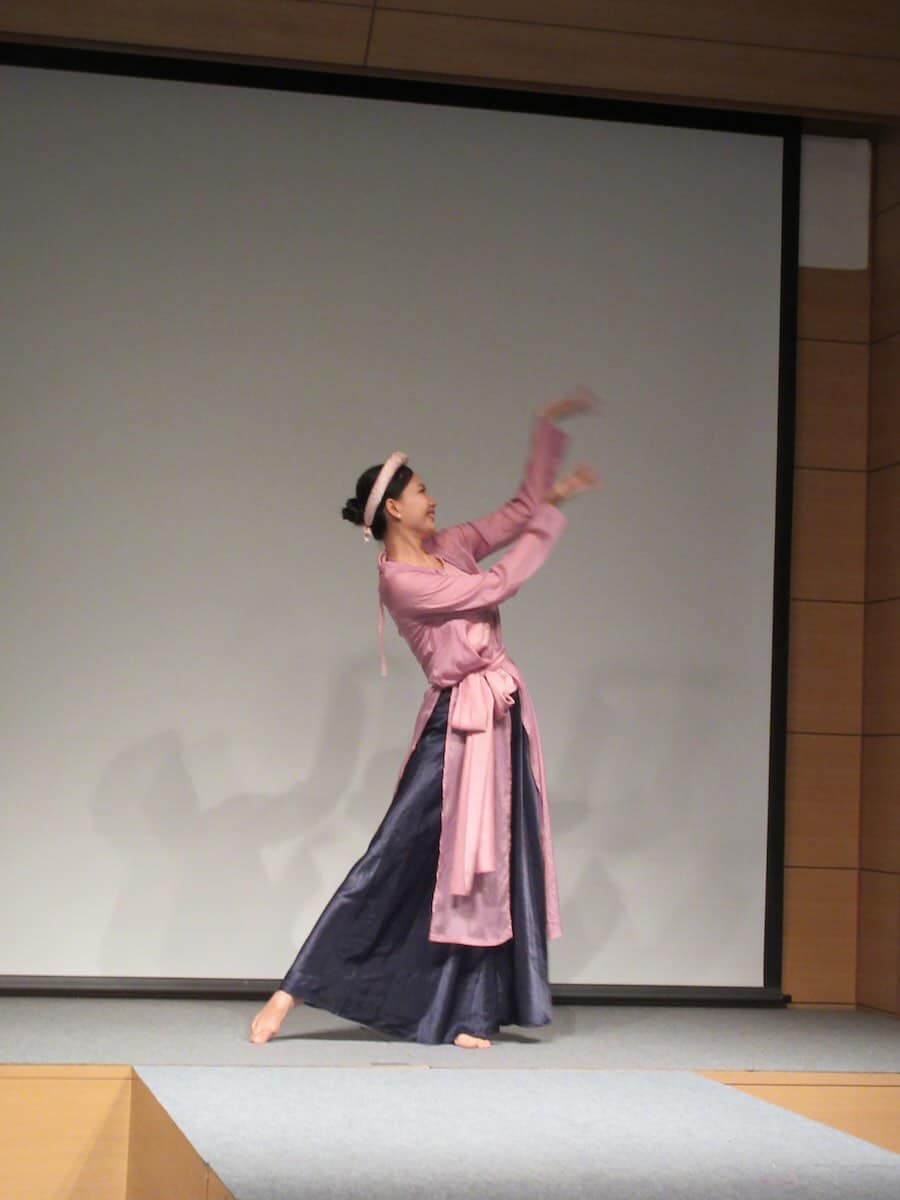
Thanks to the efforts of Thai Thu Hong, the Vietnamese Ambassador’s wife and the Vietnamese Embassy in Japan, a fashion show showcasing the Vietnamese national costume, the Ao Dai, was held at the Shimizu Swimwear Academy Hall.
When people think of Vietnam, many picture women wearing Ao Dai. This traditional garment, passed down through centuries of Vietnamese women, is more than just clothing; it represents Vietnam’s rich cultural heritage and national identity.
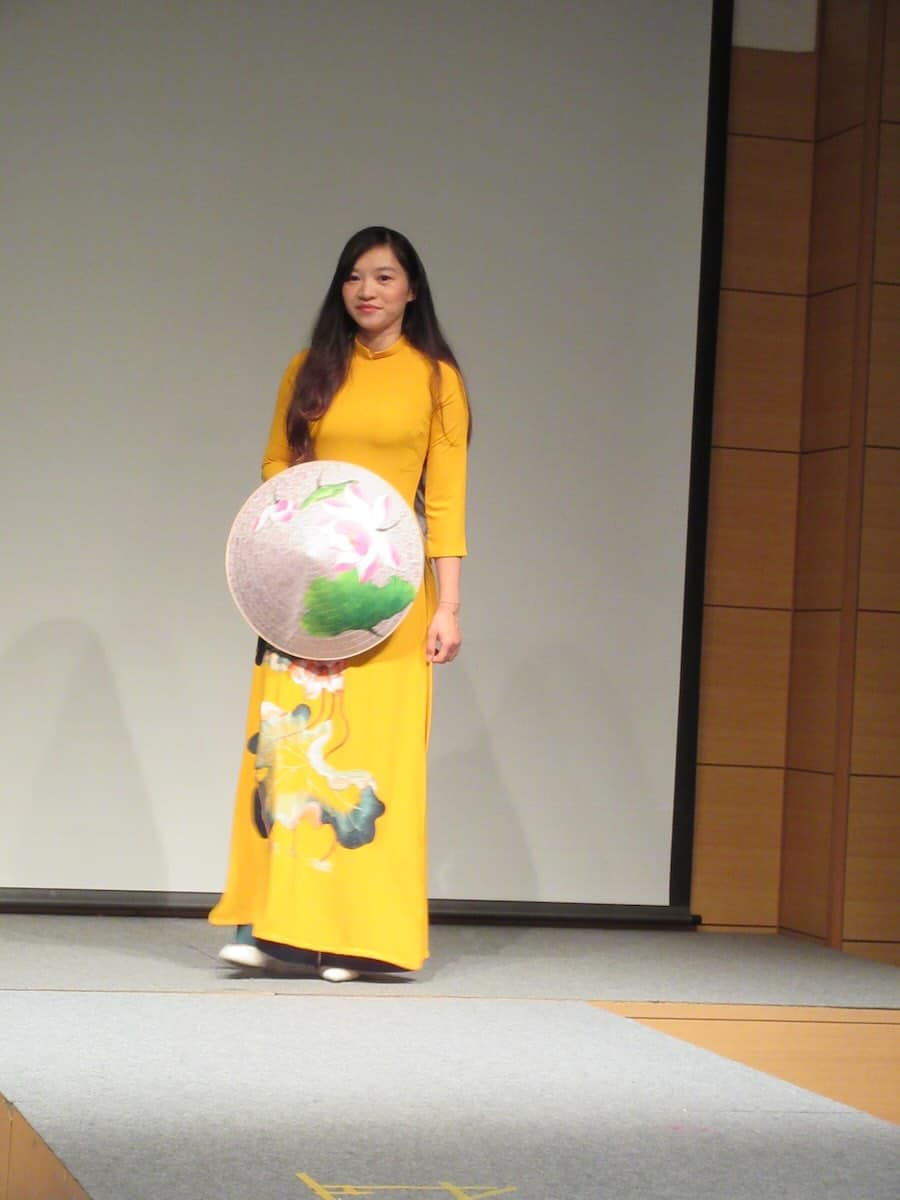
The Ao Dai consists of two elements: a long, elegantly tailored top that follows the lines of the body, and loose, flowing trousers worn underneath. A typical Ao Dai features a high collar and deep side slits, creating a clean and elegant silhouette.
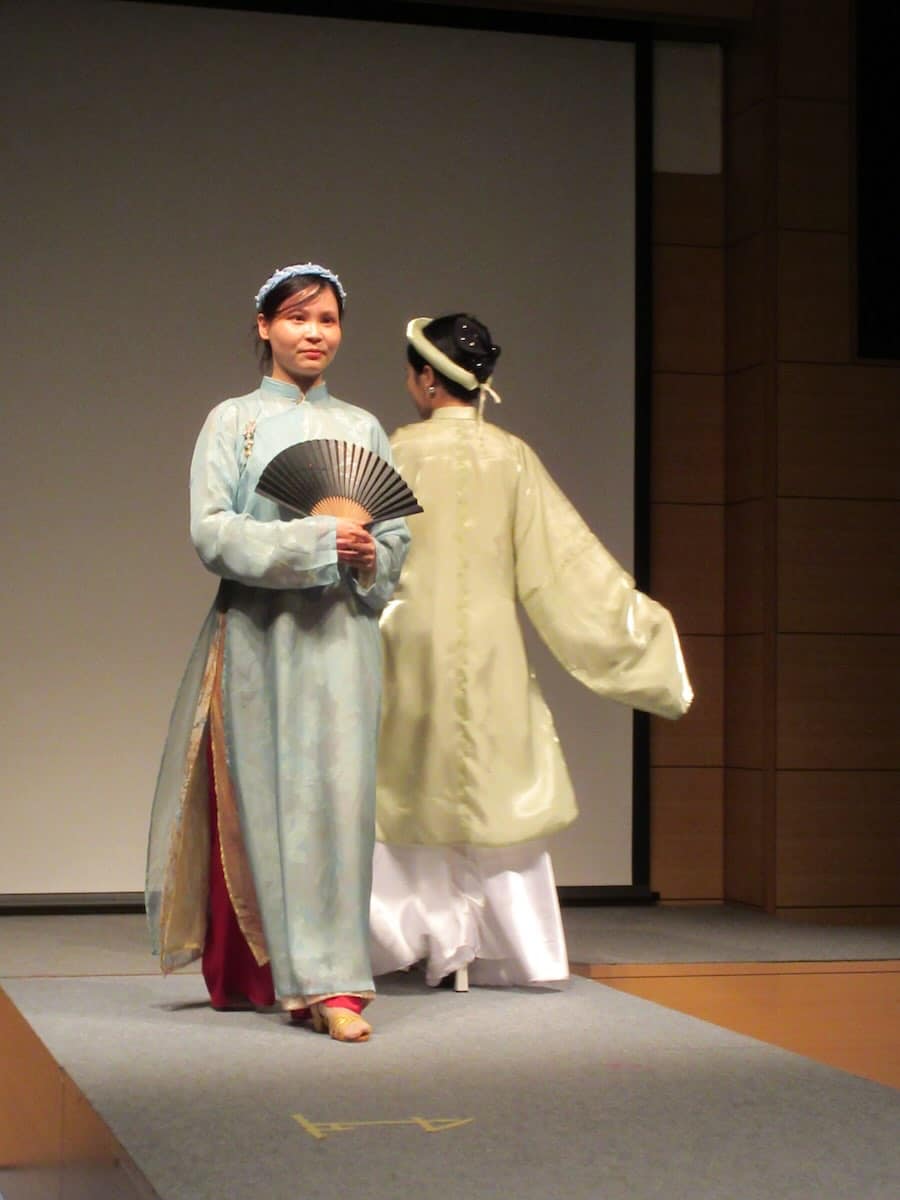
In Vietnam, the Ao Dai has played an important role in traditional ceremonies. White Ao Dai are popular as school uniforms, red Ao Dai adorn brides at weddings, and women wear brightly colored Ao Dai at festivals. Furthermore, men sometimes wear it in traditional ceremonies.
The Ao Dai, a beloved traditional garment, embodies the charm of ancient Vietnam while also incorporating new changes over time. Today, top designers worldwide are re-examining the Ao Dai, incorporating new colors, materials, and designs to bring out its evolving appeal, and presenting these creations on the international stage.
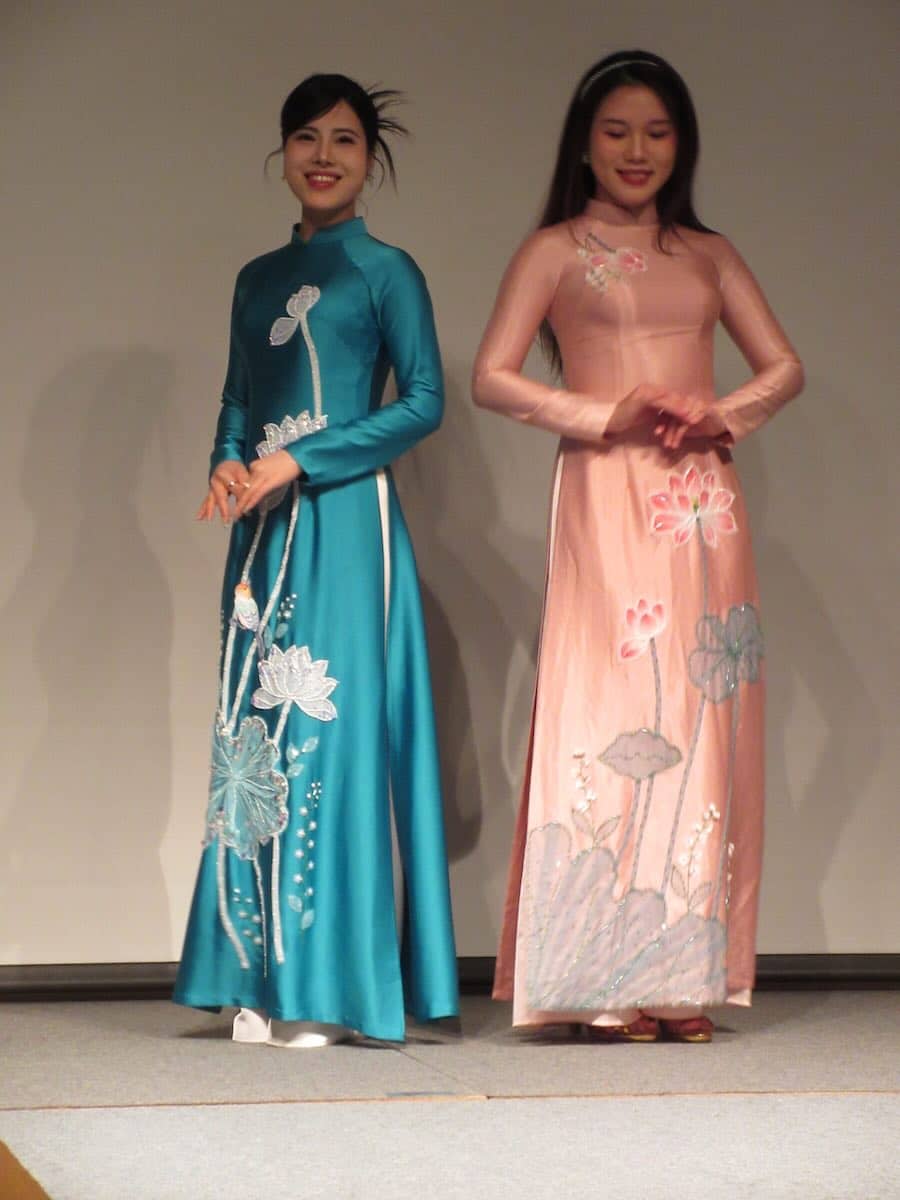
Despite these changes, the Ao Dai continues to preserve its cultural roots and symbolize cultural heritage.
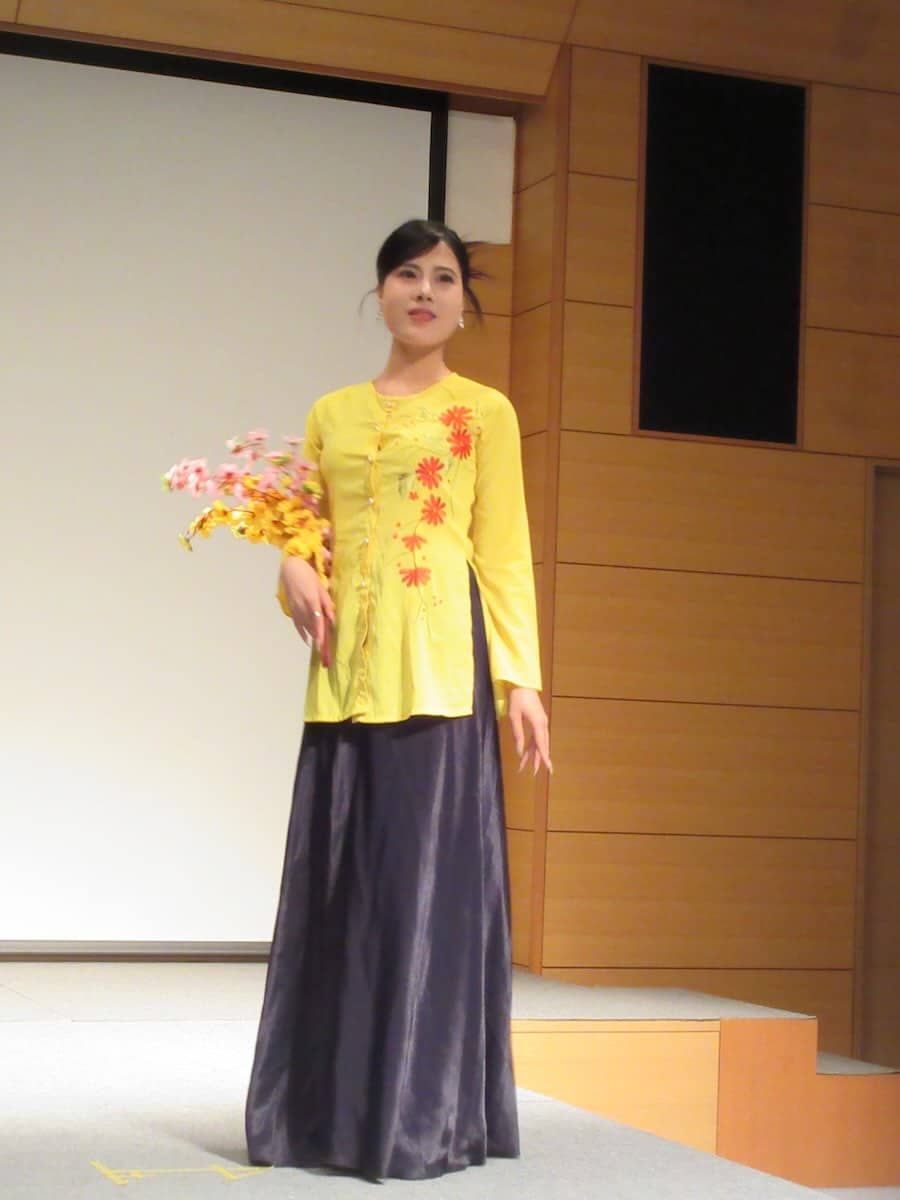
The fashion show showcased these regionally diverse ethnic costumes, as well as the ao dai as a fashion item actually worn by modern Vietnamese women.
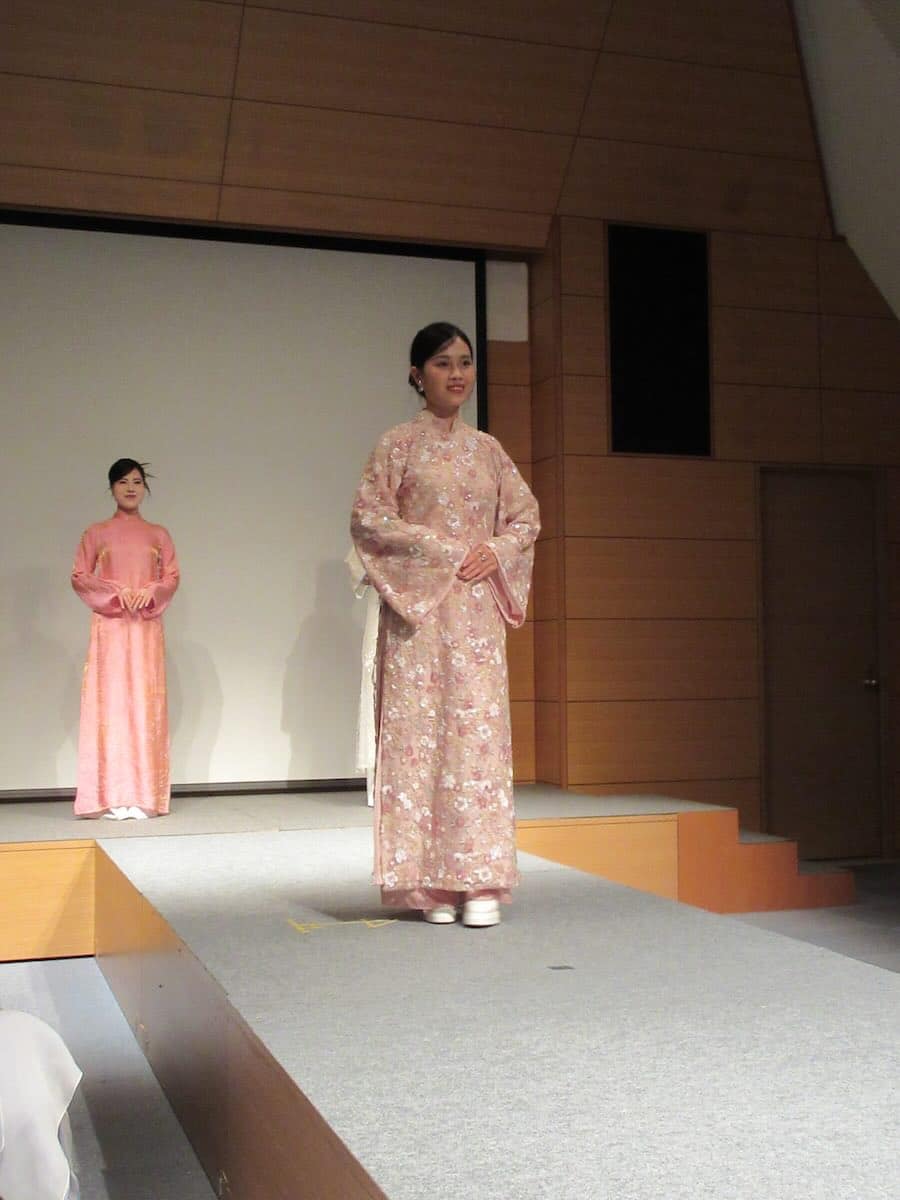
Traditional ao dai made from hand-woven silk remain a coveted garment for Vietnamese women. Vietnam is also a country renowned for its handicrafts, and silk ao dai are sometimes meticulously hand-embroidered with handmade beads.
Northern Vietnam has a relatively cool climate. In Vietnam, with its diverse climates, ao dai made from velvet and hand-embroidered with motifs such as peonies, bamboo, and plum blossoms are also worn. These luxurious ao dai are passed down through generations.
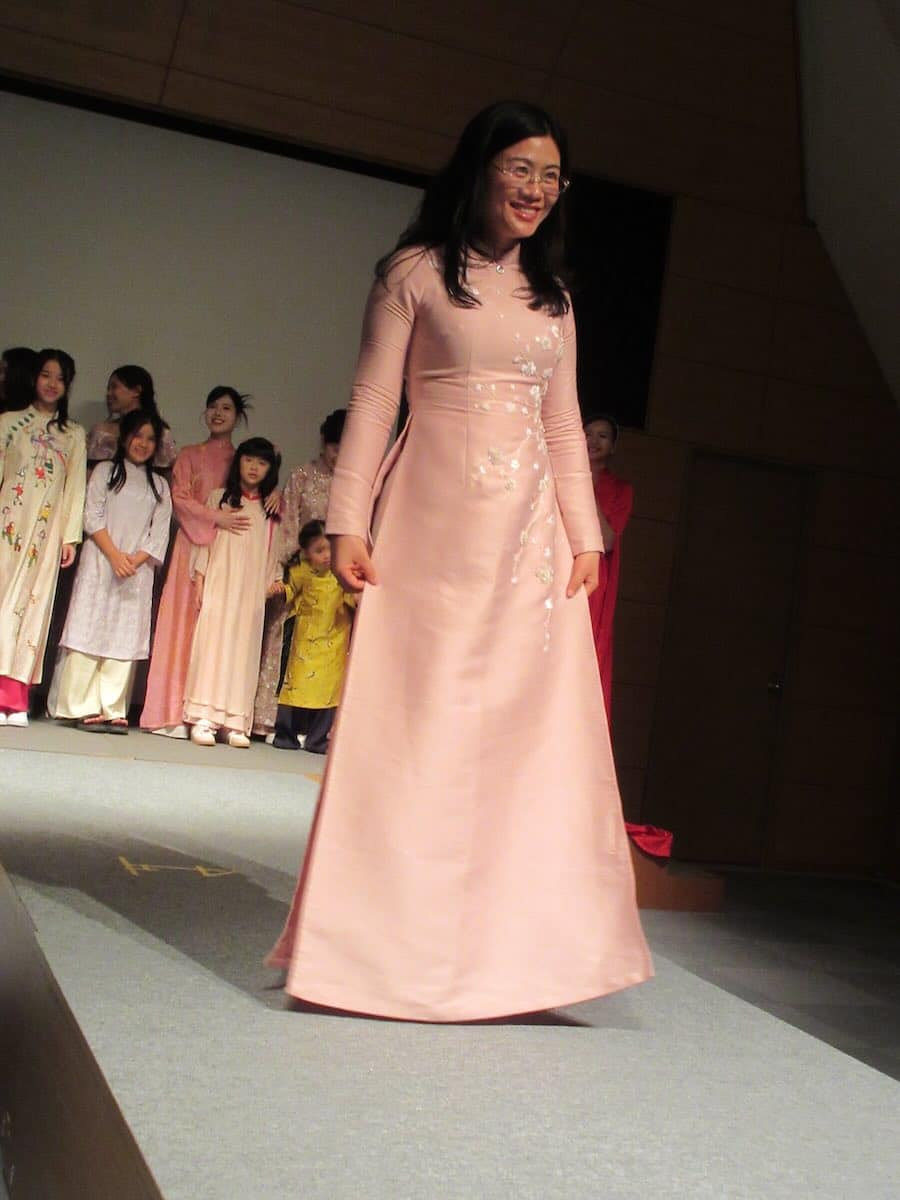
While ao dai are often associated with a form-fitting style, modern designs with straight silhouettes are gaining popularity. These comfortable, less form-fitting ao dai are popular among working women. Modern ao dai also incorporate designs inspired by contemporary art. Furthermore, more innovative ao dai designs showcase a fusion with Western dress fashion, incorporating details such as puff sleeves, off-the-shoulder styles, shorter knee-length hems, and combinations with modern wide-leg pants.
The ao dai, while evolving without being bound by traditional designs, always expresses the essence of Vietnamese womanhood. It is clear that the Ao Dai transcends the boundaries of traditional ethnic clothing and is deeply rooted in Vietnamese culture.
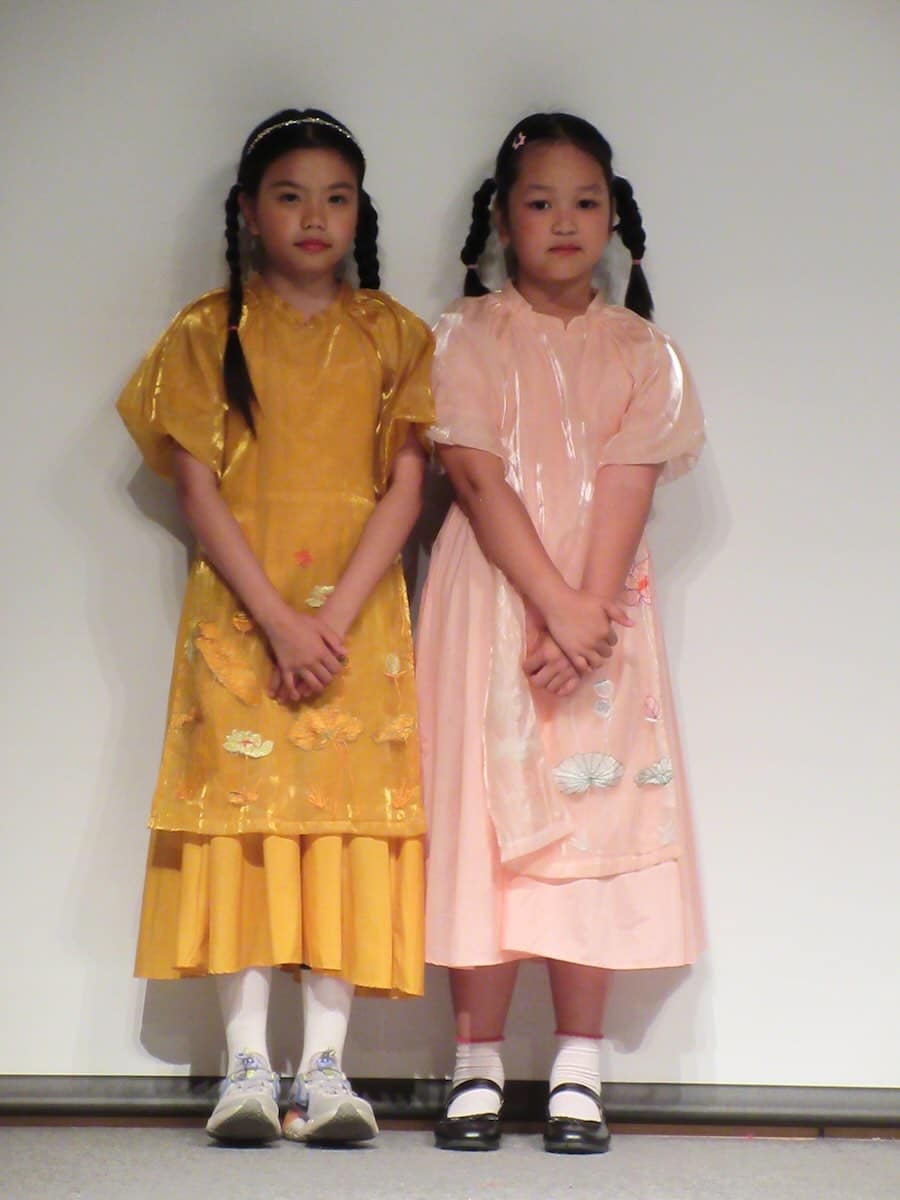
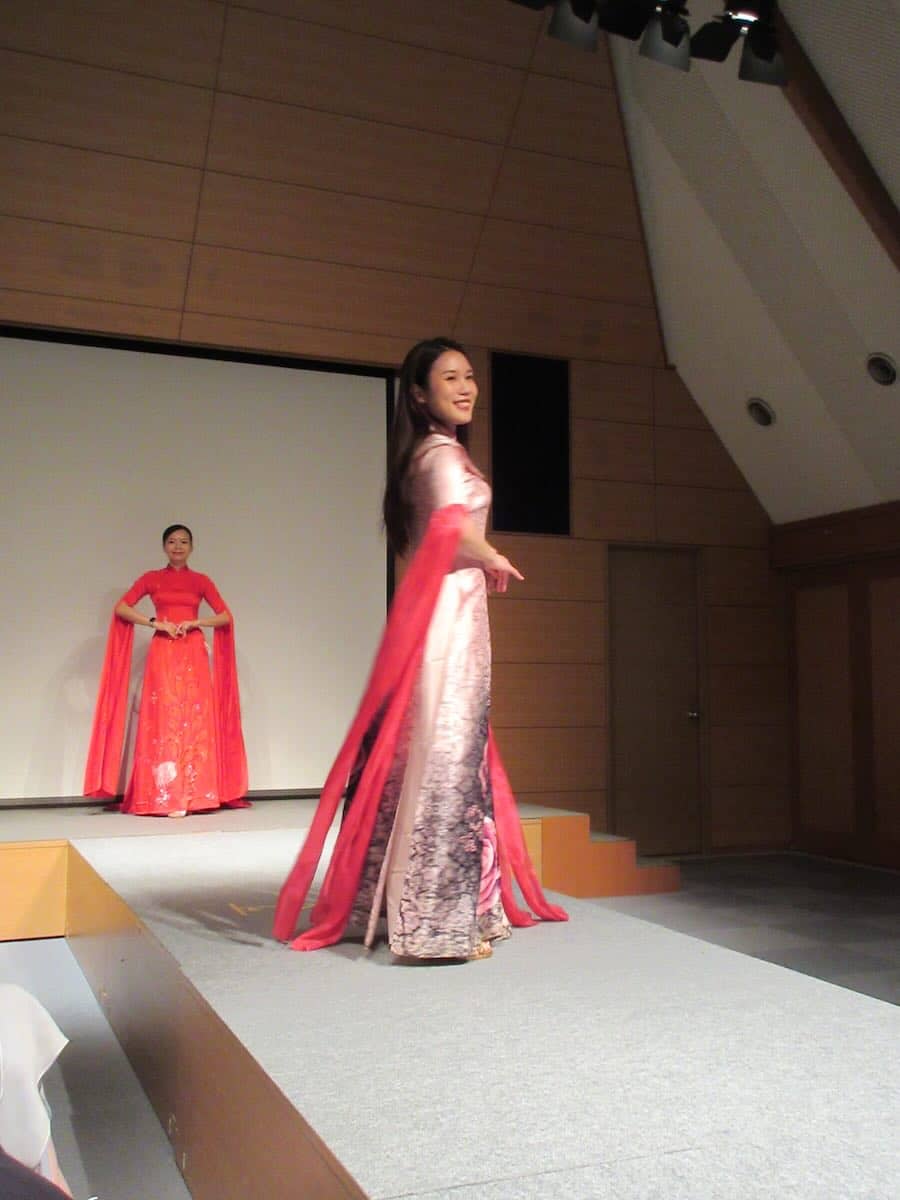
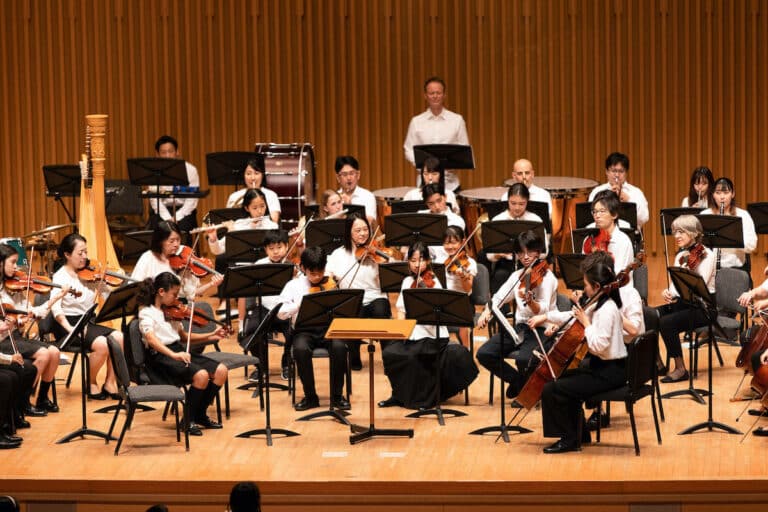
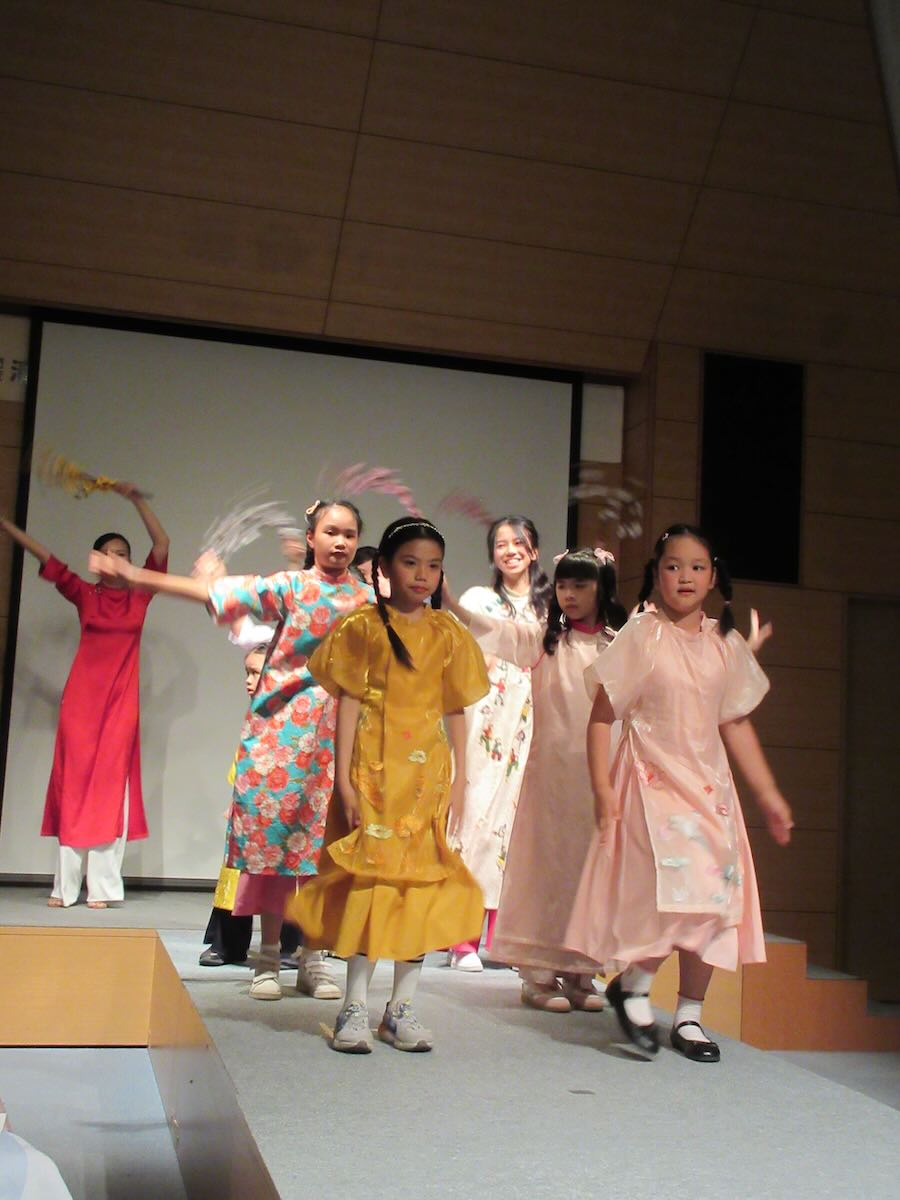
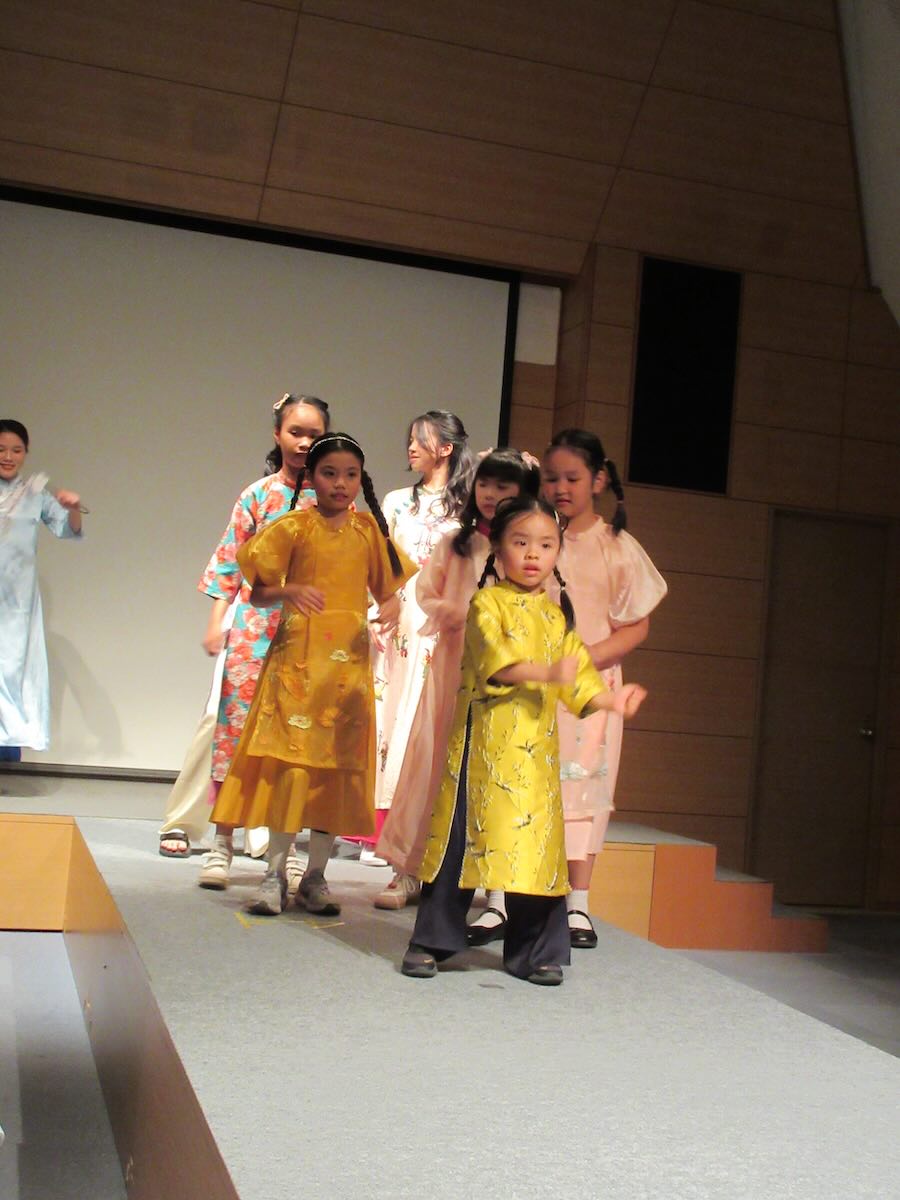
This fashion show also featured dances celebrating the Vietnamese New Year, thanks to the cooperation of staff, families, and Vietnamese residents in Japan from the Vietnamese Embassy in Japan.
The audience was deeply touched by the sight of the children from the Vietnamese Embassy dancing well, and it was a wonderful fashion show that allowed the audience to experience the joy of Vietnamese culture.
Read also,